You really have to be willing and okay to fail, look dumb, and try 100 things knowing that maybe 99 fail. You only need 1 hit to succeed but first you have to be comfortable with failing a lot!
Business
Alice Li: Inside the Quest to Redefine the Wellness Industry and Build a Resilient Startup Ecosystem for Women
Alice Li, founder of First Day, shares crucial insights on overcoming industry skepticism, managing cofounder dynamics, and why embracing risk tolerance is essential for success.
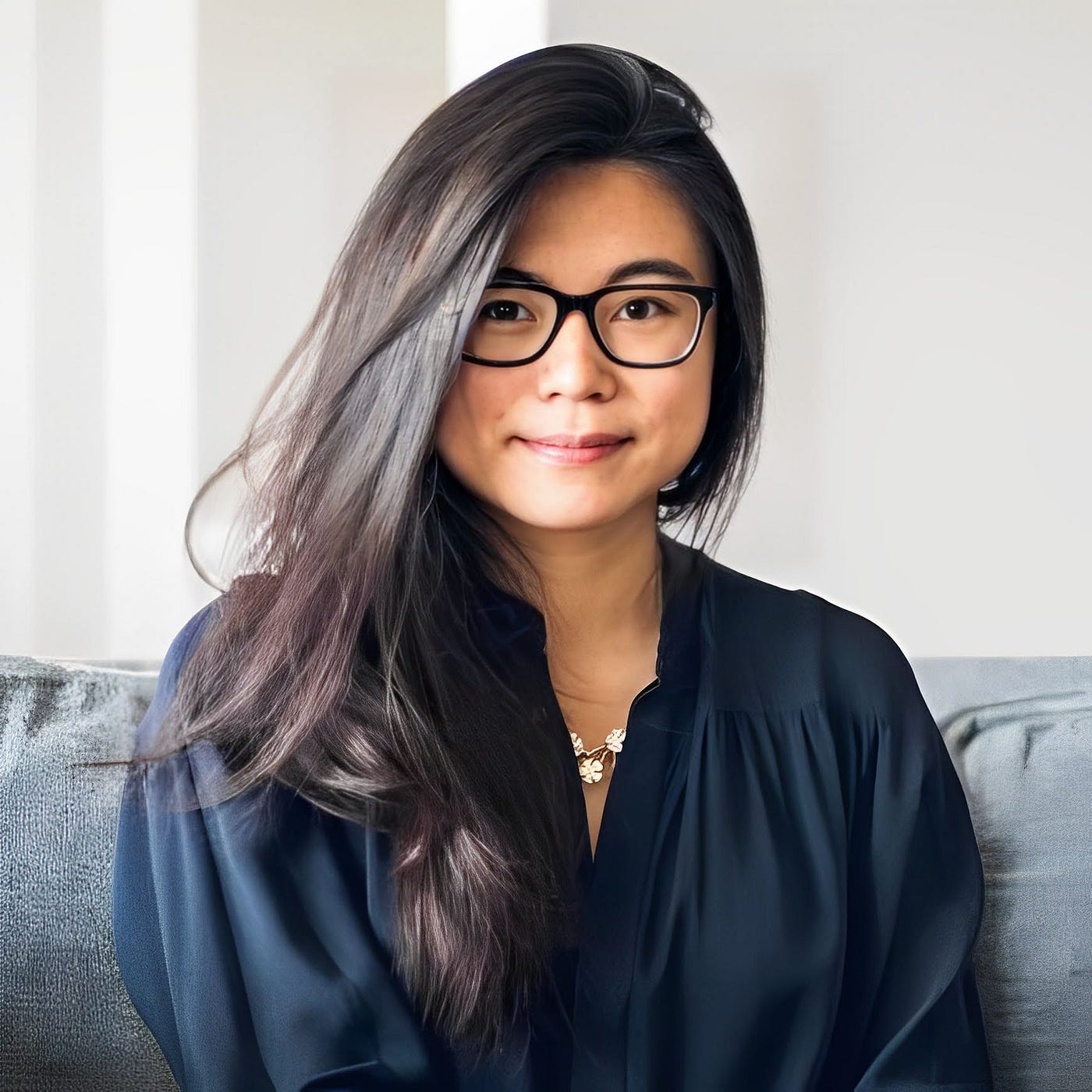
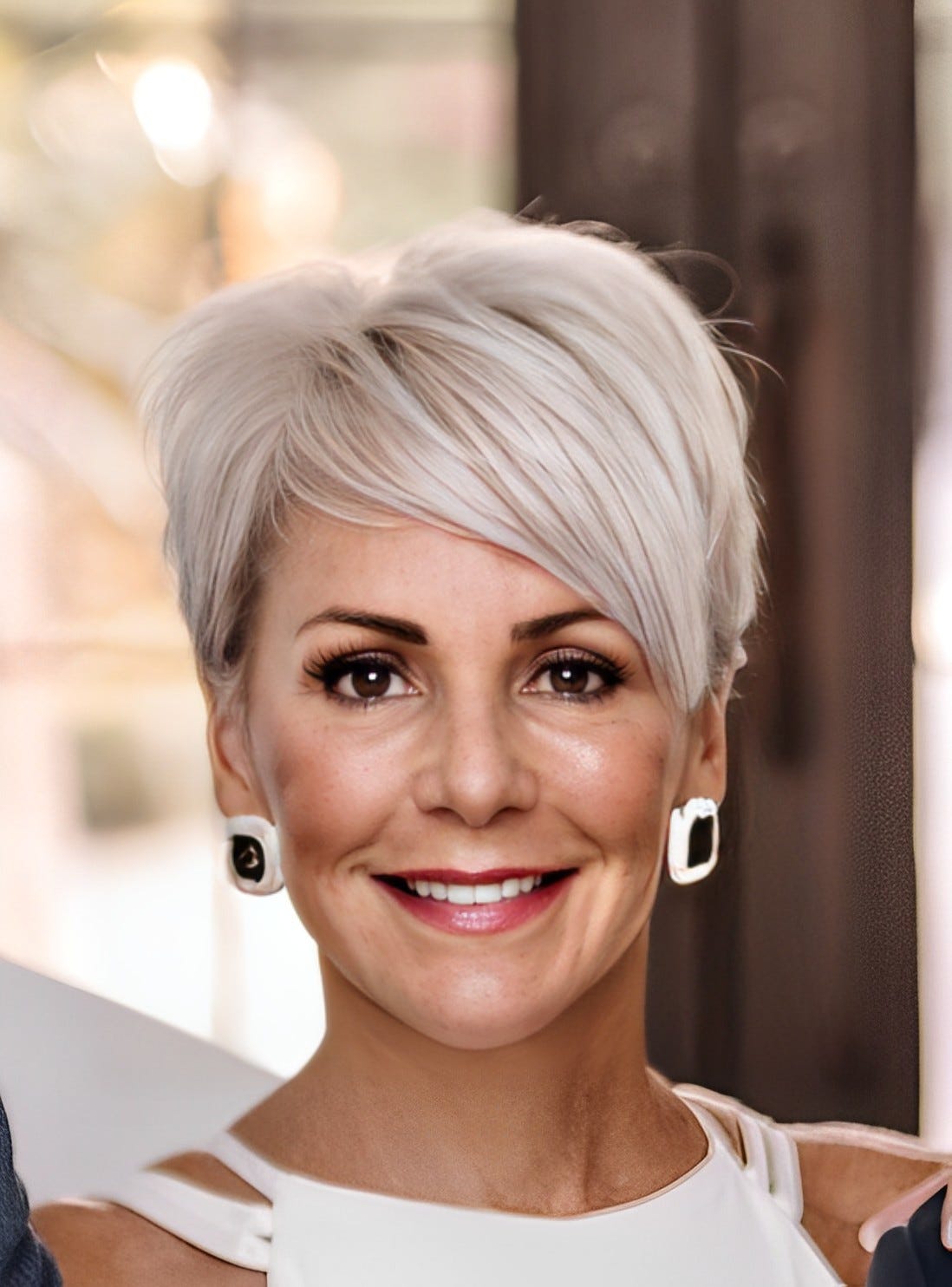
As a part of our series about “Why We Need More Women Founders”, I had the pleasure of interviewing Alice Li, CEO & Founder.
First Day was founded by Alice Li, a graduate of Yale University. By asking the unanswered questions in the wellness industry, like “What are supplements really doing for us? Why are they made the way they are?” She quickly found herself at the forefront when she developed their First Day Multivitamin with the mission to help parents raise healthy kids and happy families.
Thank you so much for doing this with us! Before we dig in, our readers would like to get to know you a bit more. Can you tell us a bit about your “backstory”? What led you to this particular career path?
It all started with my grandmother. She raised a family through a crazy time in China’s history. She lived through a literal famine and would go without so that she could feed her kids. And her body remembered. Those sacrifices affected her health until she passed away last year. Even if I can help even just one family live better and healthier, it’s worth it. Health is so hard every day. That history is a big part of why we’re so mission driven.
Can you share the most interesting story that happened to you since you began leading your company?
I once met a venture capitalist who was a successful serial CEO. He told me that no one bought multivitamins anymore. Not his family, not any of his friends. That supplements affect a billion lives around the world didn’t mean anything to him. His personal experience trumped everything, and his opinion was I didn’t have a viable business. It was a great reminder that sometimes there might be very smart, highly accomplished people that you admire who disagree with you. And that’s okay.
Can you share a story about the funniest mistake you made when you were first starting? Can you tell us what lesson you learned from that?
My funniest mistake may be getting married without dating. And by that, I don’t mean my romantic relationship but my cofounder relationship. Andy and I started the company together because we were great friends. We had never worked together deeply before, and being co-CEOs was hard. I don’t regret a single moment of it, but we both learned a lot about cofounder compatibility! (Spoiler: We have lots of love for each other. It was a friendly split a few years ago, and he’s on his second startup journey.) I would say that choosing a cofounder is really like getting married in many ways. You are choosing a partner with whom you will be financially intertwined and with whom you may spend more than sixty hours a week. I have so many stories of when we worked until 3am. You will likely spend more time with your cofounder than with anyone you date.
None of us are able to achieve success without some help along the way. Is there a particular person who you are grateful towards who helped get you to where you are? Can you share a story about that?
I have a whole list of people, ranging from my parents to mentors at Bain & Co where I started my career. I would be remiss if I didn’t say how much of an impact Dan Graham at Springdale Ventures has been a positive and hugely influential in my success. He and his team at Springdale have been such a bedrock of support in the ups and downs of starting and running a company.
Many VCS are solely focused on the monetary side of running a fund, but I have found that having a VC who can provide strategic, operational, and honestly emotional support as you try to scale a business is way more valuable than any dollars they invested into you and your business.
Ok, thank you for that. Let’s now jump to the primary focus of our interview. According to this EY report, only about 20 percent of funded companies have women founders. This reflects great historical progress, but it also shows that more work still has to be done to empower women to create companies. In your opinion and experience what is currently holding back women from founding companies?
The crazy thing is 49% of businesses are co-owned or majority owned by women in the US. I can only guess as to why women receive so little funding based on my own experiences and what I know about the statistics.
Entrepreneurship is high risk. You need to be a little bit crazy to start a company, especially one that you think will become a billion dollars, and on average, women have less of that crazy confidence to start a hugely scalable business. Even if they start one, they’re less likely to talk about it as such. I rarely meet braggadocious women. That’s then compounded by trends like “pattern matching” in the VC community. I’m very lucky to have a resume that appeals to most investors but even so I’ve been told that we’re not tackling a big issue, even though the market in the US is $70 billion.
Can you help articulate a few things that can be done as individuals, as a society, or by the government, to help overcome those obstacles?
Sometimes you just need to work 3x harder than everyone else to achieve your dreams. It’s not fair, but I would rather focus first on proving the community wrong and giving back. In the short term, what I can do as an individual will be the fastest way for me to create change — by helping other women directly.
You can see this in China. China has four times the number of female billionaires that the US has. They achieved this despite even larger structural and cultural challenges. Just a few years ago I attended a dinner in China where all the husbands sat together and all the wives sat together with the children (one of the women was a CEO). I look to them for inspiration to succeed despite the odds. I personally spend a lot of time speaking with other women founders and looking for mentors who believe in the same vision.
This might be intuitive to you as a woman founder but I think it will be helpful to spell this out. Can you share a few reasons why more women should become founders?
As the CEO, you can set the culture that you want and you can choose whom you want to work with, from vendors to employees. You can create a little microcosm. And that’s so powerful in so many ways because you can live the values that you want. It’s not perfect and it’s not absolute, but it’s freeing.
What are the “myths” that you would like to dispel about being a founder? Can you explain what you mean?
Too many blogs and podcasts from VCs, ex-founders, and broader community talk about finding the “right way to execute” but ultimately each person and company has to find what works for them and their company. There really isn’t a magic bullet to scaling a company except sheer will and perseverance. What works in one situation very rarely works in another so finding your own path to success is what is important and likely has the highest probability of success.
Is everyone cut out to be a founder? In your opinion, which specific traits increase the likelihood that a person will be a successful founder and what type of person should perhaps seek a “regular job” as an employee? Can you explain what you mean?
I am continually surprised by how much risk tolerance of failure is the key to success. You really have to be willing and okay to fail, look dumb, and try 100 things knowing that maybe 99 fail. You only need 1 hit to succeed but first you have to be comfortable with failing a lot! If that’s not who you are, being a founder will be very, very painful. (I had to learn that myself!)
Ok super. Here is the main question of our interview. What are your “5 Things I Wish Someone Told Me Before I Started” and why? (Please share a story or example for each.)
Focus on execution not strategy. Getting direct data from customers is 10x the value of weeks and months of strategic effort.
Hiring the right team is always a moving target as the company evolves. What you need to go from 0 to 1 is very different from 1 to 5 or 5 to 100 and the team composition has to evolve with the company.
A company’s path is rarely linear. Be ok with the ups and downs of running a company
Something is always going wrong. This is hard for me because I want to fix it all but ultimately as a company scales new areas will break
Get a peer network. While it is a very privileged position to be a founder and CEO, you need your own support network with other founders or former founders who have gone through it.
How have you used your success to make the world a better place?
Absolutely, we donated $1 million of vitamins to Feed the Children in 2021 even when we were struggling financially. We believe only in creating products that have a positive impact on our community and customers. I hope as we scale that we can do even more.
We also focus our hiring with untraditional backgrounds and believe those are the best cultural fit to our company’s mission. I believe that we are at least 75% female and the majority of employees are people of color without any intentional effort of recruiting that way. We always hire the most qualified candidates, and we’ve naturally created a very diverse team. Big props to my CFO who runs hiring and happens to be a white male as he sources all our candidates.
You are a person of great influence. If you could inspire a movement that would bring the most amount of good for the greatest number of people, what would that be? You never know what your idea can trigger.
I truly believe in our mission of bringing better health to families. I want others to be inspired to create companies that ultimately want to help their community and consumers. My industry vertical is full of snake oil and we want to go against that trend to create a brand consumers trust. I hope that we inspire others to not just make a company to get rich or sell mediocre products but to create companies that do good.
We are very blessed that some very prominent names in Business, VC funding, Sports, and Entertainment read this column. Is there a person in the world, or in the US with whom you would love to have a private breakfast or lunch with, and why? He or she might just see this if we tag them.
I would love to meet with Hamdi Ulukaya, the founder and CEO of Chobani. There are so few people who put their money where their mouth is and he is someone who does. He has retroactively awarded his factory employees with millions in equity and focuses on hiring refugees.
Thank you for these fantastic insights. We greatly appreciate the time you spent on this.
Thank you for the opportunity and time. This was an awesome experience.
CG
Written by
Candice Georgiadis
Editor & Journalist · Authority MagazineCandice Georgiadis is a senior columnist at Authority Magazine covering Business and Tech, conducting primary-source Q&A interviews with founders, executives, and industry leaders.

Published inAuthority MagazineTop Lessons, Top Authorities · 42K Followers
Exclusive, curated interviews with the leaders and changemakers shaping tomorrow. Leadership lessons, industry deep dives, and executive profiles.