Acceptance is a big word- I think with my known experience it is a little easier. Again, I try to separate myself from the others in my field with organization and assisting in all aspects.
Business
Linda Stallings of Alliance Retail Construction: Inside the Quest to Prove Mental Toughness Outweighs Physical Stereotypes in Commercial Building
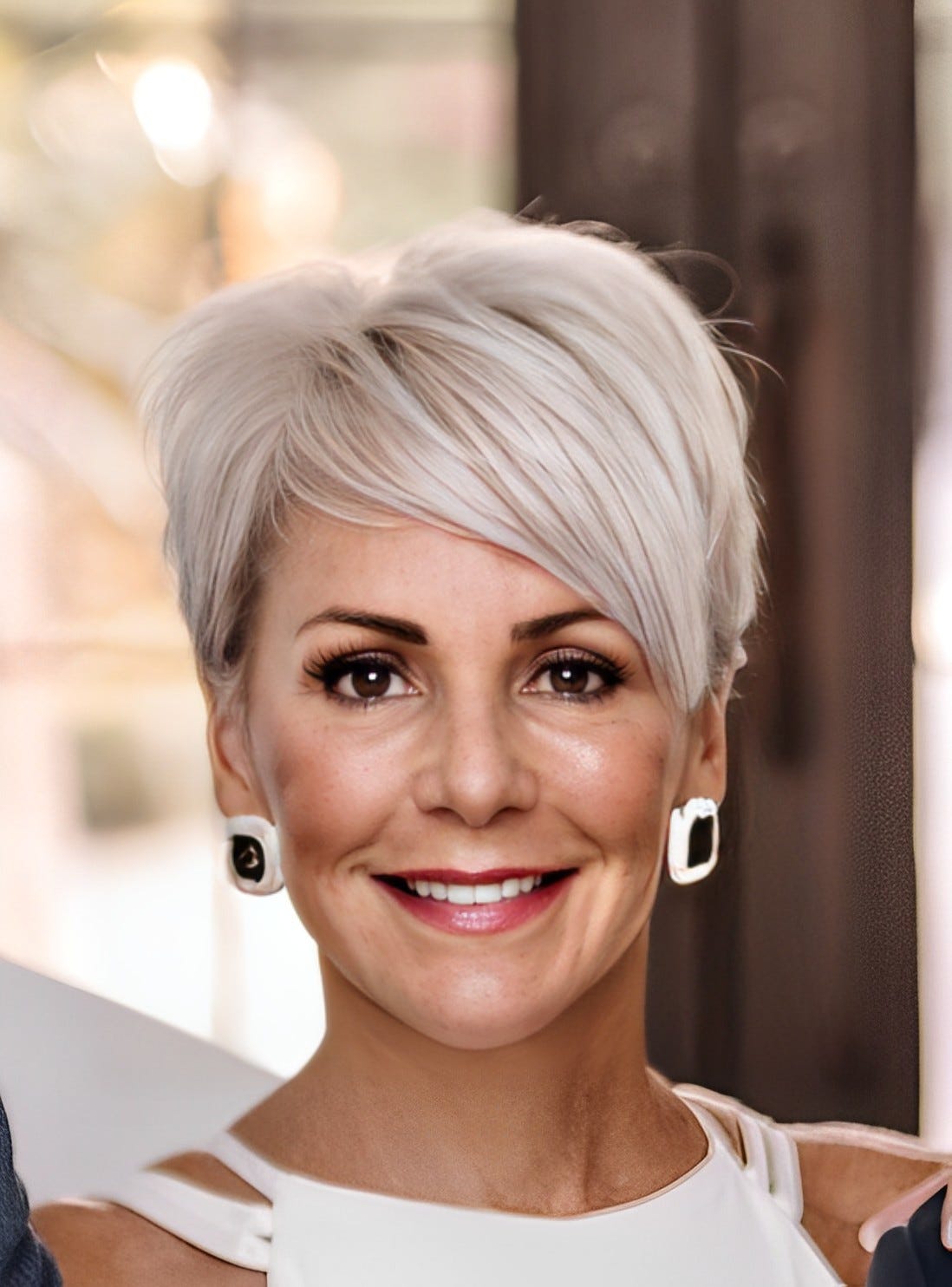
In the United States in 2022, fields such as Aircraft piloting, Agriculture, Architecture, Construction, Finance, and Information technology, are still male-dominated industries. For a woman who is working in a male-dominated environment, what exactly does it take to thrive and succeed? In this interview series, we are talking to successful women who work in a Male-Dominated Industry who can share their stories and experiences about navigating work and life as strong women in a male-dominated industry. As a part of this series, we had the distinct pleasure of interviewing Linda Stallings.
Linda Stallings is the founder and president of Alliance Retail Construction (ARC) located in Sarasota, FL. Linda started ARC in 1997 and has over 35 years of experience in the heavily male-dominated construction industry. Not only is she the owner and president of ARC, but she is also the co-founder of Lyn Development, a union-based construction company located in Pittsburgh, PA. Alliance Retail Construction specializes in commercial and retail build-outs. Some of their clients include Nike, Starbucks, Gap Brands, Select Medical, Estee Lauder, Staples, Trulieve, and many more. Linda’s daughter, Ali Stallings, joined the Alliance team in 2020 and now the mother-daughter duo is working to shine a spotlight on the important roles that females play in the construction industry.
Thank you so much for doing this with us! Before we dig in, our readers would like to get to know you a bit more. Can you tell us a bit about your childhood “backstory”?
I was born in Pittsburgh, PA along with my older brother. Both my mother and father were born and raised in Pittsburgh- my mother was a stay-at-home mom and father was a precast, concrete sales man. We lived as most in the 60’s and 70’s did- a very modest, happy life!
Can you tell us the story about what led you to this particular career path?
As previously stated, my father was in construction, which I always found fascinating, loving the start and finish of a project. I then took drafting in high school, when most girls took Home Economics.
Can you share the most interesting story that happened to you since you began your career?
I was at a jobsite in the mid-80’s at a new mall development that was union labor only. I was not working onsite, but rather simply meeting a customer when I was asked to show my ID or union card. If unable to I was told that I would be escorted off the premises, while my male coworkers (who were also not working) went unnoticed. I was unbothered but truly this was my first wake-up call.
You are a successful business leader. Which three character traits do you think were most instrumental to your success? Can you please share a story or example for each?
Being empathetic and an active listener — as all of us in the project management industry are, in construction you need to read the room — or jobsite — and determine what is the best approach to have a successful project starting at your initial job meeting
Determined — never take no for an answer as there always a solution to every problem -material delays, inspection delays — remember everyone wants to help, people are only needed to be given a chance
Open-Minded — I have always believed that you need to ask questions to learn — when on a jobsite, I never held back asking any questions, without feeling inferior.
Ok, thank you for that. Let’s now jump to the primary focus of our interview. Can you help articulate a few of the biggest obstacles or challenges you’ve had to overcome while working in a male-dominated industry?
I’m not only in a male dominated industry, but I also started at the age of 28- being young and being female was hard. Construction is a high labor industry — many think that women are not physically strong enough to compete; therefore, their conception is weak. I found it easier to not complete physically, but mentally, by being organized, providing answers and solving problems.
Can you share a few of the things you have done to gain acceptance among your male peers and the general work community? What did your female co-workers do? Can you share some stories or examples?
Acceptance is a big word- I think with my known experience it is a little easier. Again, I try to separate myself from the others in my field with organization and assisting in all aspects. Female co-workers (not many of us) & those who I share projects with- customers and suppliers — are supportive and share the same sense of accomplishment. My daughter Ali has joined the office and I hope that she can understand the construction side AND physiological side as well.
What do you think male-oriented organizations can do to enhance their recruiting efforts to attract more women?
There are more women with degrees in architecture and engineering and most construction companies are providing a workspace for those. I hope that more women have the chance to become apprentices within local contracting companies and that more women are accepted into trade schools- but again, only if they want to be.
Ok thank you for all of that. Here is the main question of our interview. Based on your opinion and experience, what are the “Five Things You Need To Thrive and Succeed as a Woman In a Male-Dominated Industry?” (Please share a story or example for each.)
Confidence — always knowing that the most you can do is your best, but still always wanting to be better.
Collaborative — allowing my job site superintendents the freedom to provide their in-site knowledge on the jobsite.
Multi-tasking — as a women you need to handle 2 jobsites — work and home — I always wanted to be the one that worked hard in the day, but was lucky enough to tuck my children into bed at night.
Organized — you can only be as good as your organizational system- paperwork always must be in-order to allow for anticipating what is needed before asked
Reliable — not only being there for your customers when problems need solved, but also being there for your superintendents onsite, along with your staff in the office.
If you had a close woman friend who came to you with a choice of entering a field that is male-dominated or female-dominated, what would you advise her? Would you advise a woman friend to start a career in a field or industry that’s traditionally been mostly men? Can you explain what you mean?
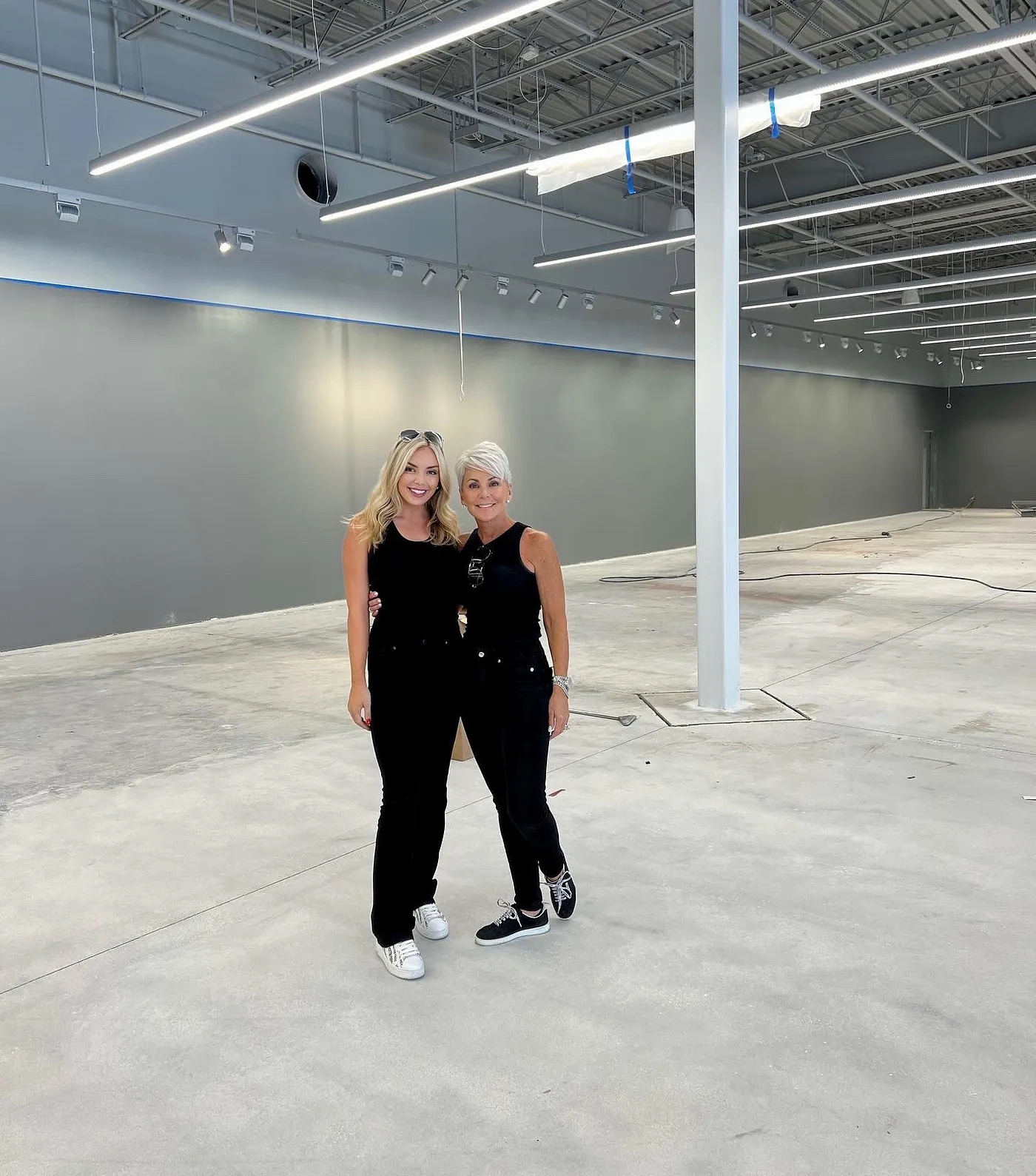
As earlier stated, I have brought my daughter into this field at roughly the same age as I started — everyday we work together to complete projects that range from 3000 SF to 21,000 SF. I highly suggest that any person not let their gender determine their career path. Nothing can stand in the way of your accomplishments if you are confident and prepared.
Have you seen things change for women working in male-dominated industries, over the past ten years? How do you anticipate that it might improve in the future? Can you please explain what you mean?
I have seen things change over the past ten years. When I started there were a handful of women project managers but mainly working for large corporations- now we have more women engineers, architects and owners of all different business sizes. I’m proud to say that we have a women superintendent that is currently running a project in Colorado, a women onsite superintendent is something you do not find, regardless of the size of the company.
We are very blessed that some very prominent names in Business, VC funding, Sports, and Entertainment read this column. Is there a person in the world, or in the US with whom you would love to have a private breakfast or lunch with, and why? He or she might just see this if we tag them.
I would love to meet Robin Roberts- she started in the news industry — a “female in a man’s world.” I, like her, battled breast cancer and am lucky enough to be a survivor — I guess we both survived more than we know.
Thank you for these fantastic insights. We greatly appreciate the time you spent on this.
MS
Written by
Ming S. Zhao
Editor & Journalist · Authority MagazineMing S. Zhao is a senior columnist at Authority Magazine covering Pop Culture and Business, conducting primary-source Q&A interviews with founders, executives, and industry leaders.

Published inAuthority MagazineTop Lessons, Top Authorities · 42K Followers
Exclusive, curated interviews with the leaders and changemakers shaping tomorrow. Leadership lessons, industry deep dives, and executive profiles.