
The word probiotic is a category, not a treatment plan. If a probiotic is being considered, ask which exact strain or combination was studied, for what condition, at what dose and for how long.
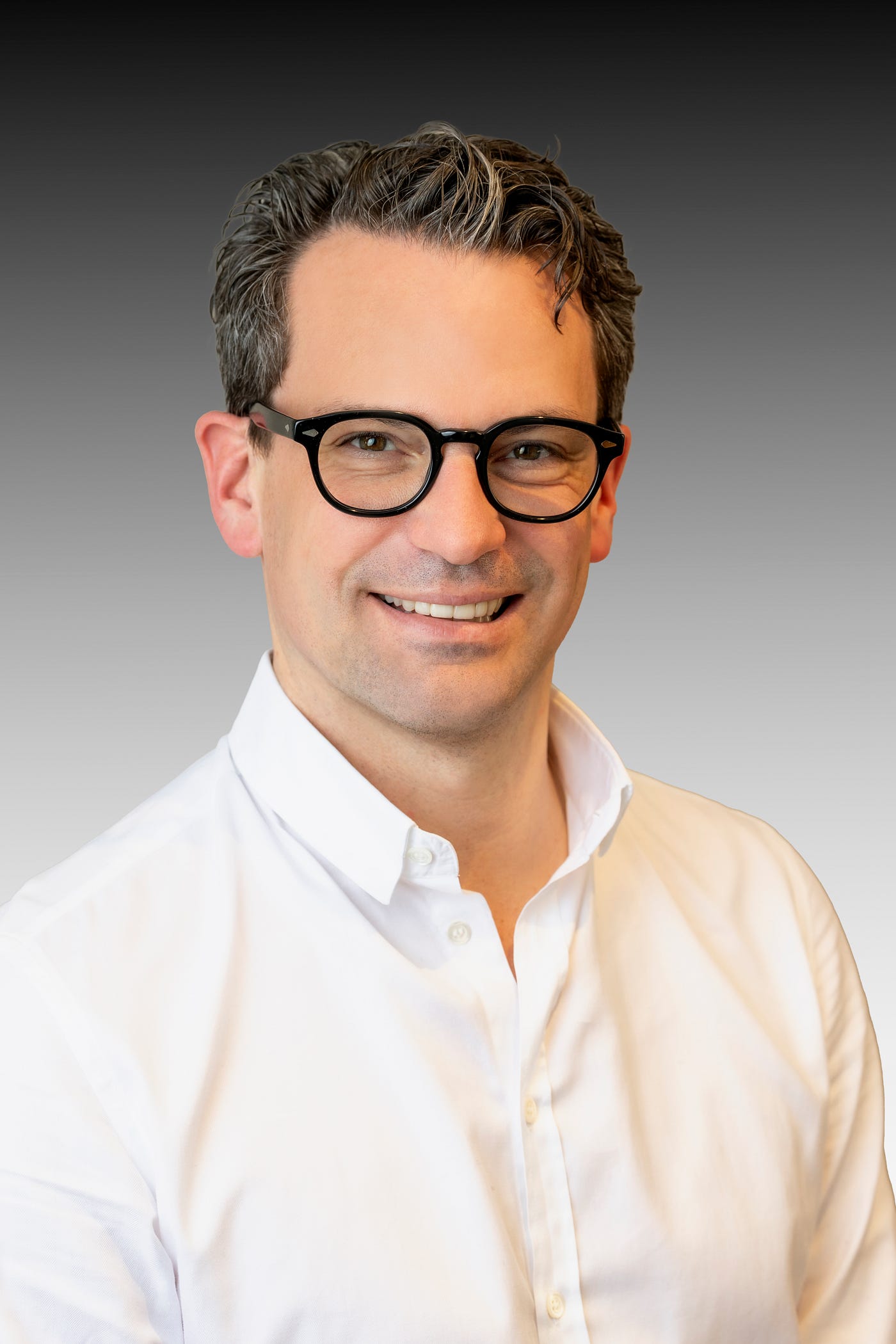
Gut health plays a crucial role in overall wellbeing, influencing digestion, immune function, metabolic health and communication with the brain. Yet many people are unsure what a healthy gut actually means or which changes are useful. As part of this interview series, we had the pleasure to interview Dr. Alexander Papp. Dr. Papp is an internationally trained specialist in plastic, aesthetic and reconstructive surgery whose clinical background also includes emergency care and nutritional medicine. His approach combines precise diagnostics with practical changes in nutrition, movement, sleep and stress regulation.
Thank you so much for joining us in this interview series! Before we dig in, our readers would like to ‘get to know you’. Can you tell us a bit about your background and your backstory?
My medical path has always crossed several disciplines. I trained in Germany, Switzerland, the United States, and Brazil, worked in internal medicine, trauma surgery, general surgery, and psychology, and then specialized in plastic, aesthetic, and reconstructive surgery. Reconstructive medicine taught me to look beyond the procedure itself: tissue quality, inflammation, metabolism, nutrition, sleep, and a patient’s emotional state all influence preparation and recovery. Emergency care was a different lesson: understand priorities quickly, but never lose sight of the whole person. Over time, those experiences led me toward preventive and nutritional medicine and to the work we now do at Mount Med Resort, where diagnostics and everyday habits are brought together in one individualized plan.
Can you share a story with us about what brought you to your particular career path?
A decisive moment came during my training in reconstructive surgery in Regensburg. I was thinking about how women who had completed breast-cancer treatment could be prepared as well as possible before reconstructive surgery. The operation mattered, of course, but so did the condition in which a patient entered the operating room and the support available during recovery. Together with my colleague Horst Untermoser, we began developing a structured program that combined nutrition, selected medical support, and recovery measures. The encouraging feedback made us ask whether the same principles could help people beyond surgical preparation. That question became the starting point for CellBalance Nutrition and, years later, for its broader implementation at Mount Med Resort.
You are a successful leader. Which three character traits do you think were most instrumental to your success? Can you please share a story or example for each?
The first trait is curiosity. My work moved from reconstructive and aesthetic surgery into emergency care, nutrition, metabolism and prevention because I kept asking how these fields influence one another. CellBalance Nutrition grew from that willingness to connect disciplines that are often treated separately.
The second is precision. Surgery teaches you that small details can change an outcome. I apply the same discipline to preventive medicine: begin with a careful medical history and relevant measurements, interpret them in context, and only then recommend a plan.
The third is perseverance. Our concept did not move directly from an idea to a medical resort. It was refined over many years, first around surgical preparation and later for broader metabolic and preventive goals. There were periods when the right setting did not exist, but we kept improving the method until Mount Med gave it a suitable home.
What are some of the most interesting or exciting projects you are working on now?
The most exciting work for me is making personalized prevention more practical. At Mount Med Resort, we continue to refine the treatment schedule by bringing laboratory findings, metabolic diagnostics, nutrition, movement, regeneration, sleep and stress regulation into one coherent program. The next challenge is not simply collecting more data; it is translating the right data into actions a person can maintain after leaving the resort and measuring whether those changes still matter six or twelve months later. I also remain involved in regenerative and aesthetic medicine, wound healing and the development of nutritional approaches that support metabolic health. These projects share one goal: helping people understand which factors are relevant to them, rather than giving everyone the same protocol.
Let’s now shift to the main part of our interview. Let’s start with a basic definition, so that everyone is on the same page. What is gut health?
Gut health is the ability of the gastrointestinal system to digest and absorb nutrients, move food and waste comfortably, maintain an effective intestinal barrier and interact appropriately with the immune and nervous systems. The gut microbiome — the community of bacteria, viruses, fungi and other microorganisms living mainly in the large intestine — is part of that system, but it is not the whole story. There is no single list of bacteria that defines a healthy gut for everyone. I look instead at function and resilience: regular bowel habits, manageable symptoms, a varied diet, recovery after disruption and the absence of warning signs that require medical investigation.
How does gut health influence not only digestion but also mood, immunity, and overall vitality?
The gut is a meeting point between food, microbes, the immune system and the nervous system. Gut microbes help process compounds we cannot digest on our own and produce metabolites, including short-chain fatty acids, that can support the cells lining the colon and influence immune signaling. The gut and brain also communicate in both directions through nerves, hormones, immune pathways and microbial metabolites. This helps explain why stress can change bowel habits and why digestive symptoms can affect mood and energy. It is important, however, not to turn an interesting biological connection into an exaggerated promise. Improving the diet may support general health, but a probiotic is not a substitute for treatment of depression, an immune disorder or persistent fatigue. Those symptoms deserve proper assessment.
What are some common misconceptions people have about gut health and the role of probiotics?
One misconception is that there is one perfect microbiome and that more bacterial diversity is always better. The meaning of a microbial pattern depends on the person, the organisms involved and what they are doing. A second misconception is that all probiotics are interchangeable. Their effects are strain-specific, dose-specific and condition-specific; a product that helps in one situation may do nothing in another. Probiotics also do not necessarily take up permanent room in the gut. A third misconception is that every digestive symptom signals a microbiome problem that can be corrected with a supplement or a commercial stool test. Symptoms can arise from infection, medication, food intolerance, celiac disease, inflammatory disease, motility disorders, or other causes. Food, sleep, movement, and stress management usually provide a stronger foundation than buying a random capsule.
Can you share a surprising connection between gut bacteria and a condition most people wouldn’t associate with digestion?
A striking example is the relationship between gut bacteria and medication used for Parkinson’s disease. Laboratory and patient-based research has shown that certain intestinal bacteria can metabolize levodopa before all of it is absorbed, potentially influencing how much drug reaches the circulation. This does not mean that gut bacteria are the cause of Parkinson’s disease, and it is not a reason for patients to change medication or take antibiotics on their own. It shows something more fundamental: the microbiome can participate in pharmacology. In the future, understanding an individual’s microbial metabolism may help doctors explain differences in drug response and choose more precise treatments.
What are the biggest dietary mistakes that harm gut health, and what simple shifts can make a significant difference?
The most common problem is not one forbidden food; it is a monotonous pattern consisting of ultra-processed products and short on vegetables, legumes, whole grains, nuts, seeds, and other sources of fiber. Another mistake is moving from one extreme to another — for example, starting a very restrictive elimination diet without a clear indication or doubling fiber overnight and then abandoning it because of bloating. Excess alcohol can also irritate the gut and disturb sleep and food choices. A useful shift is to add variety gradually: include a plant food at each meal, swap refined grains for whole grains when tolerated, eat legumes regularly, and consider unsweetened fermented foods such as yogurt, kefir or sauerkraut if they suit you. Increase fiber slowly, drink enough fluid and judge progress over weeks, not after one day.
Can you please share “5 Things You Need To Know About Gut Health”? If you can, kindly share a story or example for each.
I would focus on five principles. They are deliberately less popular than most microbiome hacks, because the basics are where people can make the most reliable progress.
1. Think of the gut as an ecosystem
A healthy ecosystem is not defined by one ‘good’ organism. It depends on the relationship between microbes, the intestinal barrier, diet and the host. For example, an infection or a medically necessary course of antibiotics may temporarily disturb bowel habits, but many people recover as normal eating and routines return. The sensible lesson is to avoid unnecessary antibiotics, not to fear antibiotics when they are truly needed.
2. Feed the microbes you want to support
Many gut microbes use fibers and resistant starches that human enzymes cannot fully digest. A practical example is replacing a refined side dish several times a week with beans, lentils, oats, barley or another whole grain, then adding a wider range of vegetables, nuts and seeds. The increase should be gradual. Someone who changes from a low-fiber diet overnight may experience gas and assume fiber is harmful, when the pace of change was the real problem.
3. Function matters more than a microbiome score
A stool report can be interesting, but it is only a snapshot and often cannot diagnose the cause of symptoms. Regular bowel habits, tolerable digestion, adequate nutrition and an intact gut barrier matter more than chasing a particular diversity number. For example, persistent diarrhea, blood in the stool, unexplained weight loss, anemia, fever, severe pain or symptoms that wake a person at night require medical evaluation, not another supplement.
4. Use probiotics as specific tools
The word probiotic is a category, not a treatment plan. If a probiotic is being considered, ask which exact strain or combination was studied, for what condition, at what dose and for how long. A product selected for a defined purpose is very different from buying the largest number of organisms on the label. People who are seriously ill or immunocompromised should discuss probiotic use with their medical team because even generally well-tolerated products are not risk-free in every setting.
5. Consistency and personalization beat quick fixes
The microbiome responds to repeated exposures: what we eat, how we sleep, how active we are, the medicines we take and the stress we experience. One perfect week cannot compensate for months of habits that do not fit the person. A simple approach is to change one variable at a time, keep a brief record of food and symptoms, and assess the pattern over several weeks. The right plan is the one that improves health and can still be maintained in ordinary life.
How does stress impact the gut, and what are some effective ways to counteract its effects?
Stress can alter motility, secretion, pain sensitivity, appetite and the way the immune system communicates with the intestinal barrier. In some people the gut speeds up; in others it slows down. With chronic stress, bloating, pain, diarrhea, or constipation can become more noticeable, and the symptoms themselves create more stress. I recommend working on both sides of that loop. Keep meals and sleep reasonably regular, include moderate movement most days, and use a brief relaxation practice before eating — even five minutes of slow breathing can change the state in which a meal is received. Mindfulness, cognitive behavioral therapy and gut-directed hypnotherapy can be useful for selected people with disorders of gut-brain interaction such as irritable bowel syndrome. Persistent or severe symptoms still require medical assessment.
What role does gut health play in long-term disease prevention, and how can people start making changes today?
The gut microbiome is associated with cardiometabolic health, immune regulation and several gastrointestinal diseases, but association is not the same as proof that changing one bacterium will prevent a disease. The strongest prevention strategy is to improve the behaviors that benefit the whole person and also tend to support the gut: eat a varied, minimally processed diet with adequate fiber; move regularly and maintain muscle; sleep consistently; avoid smoking; keep alcohol low; and use antibiotics only when indicated. Start with one concrete change, such as adding a serving of vegetables or legumes each day, replacing refined grains with whole grains, or walking after meals. Gut health complements screening, vaccination and appropriate medical treatment; it does not replace them.
Are there any overlooked lifestyle habits beyond diet that can dramatically improve gut microbiome balance?
Sleep regularity is often overlooked. Even short periods of sleep loss can affect glucose regulation and have been associated with changes in the gut microbiome, although the long-term clinical meaning is still being studied. Exercise also matters, and human trials suggest its microbial effects are real but generally modest and highly individual. Oral hygiene deserves attention because the mouth is another major microbial ecosystem, and large numbers of oral microbes are swallowed every day. I would also review medication use with a clinician, especially repeated antibiotics or long-term acid suppression, rather than stopping anything independently. Finally, social connection, time outdoors and a predictable daily rhythm help regulate stress and behavior. None of these is a dramatic microbiome cleanse. Together, they create the conditions in which the gut is more likely to function well.
How can our readers further follow your work online?
Readers can follow our work through Mount Med Resort and through P-Health.
This was very meaningful, thank you so much. We wish you only continued success on your great work!