When I first started making music, I had only saved enough money to buy a microphone designed for livestreaming. I even cut a rectangular box, roughly 6 by 8 inches, to create a makeshift space for sound isolation.
As a part of our interview series with leaders, stars, and rising stars in the music industry, we had the distinct pleasure of interviewing Vince V9 Pham.
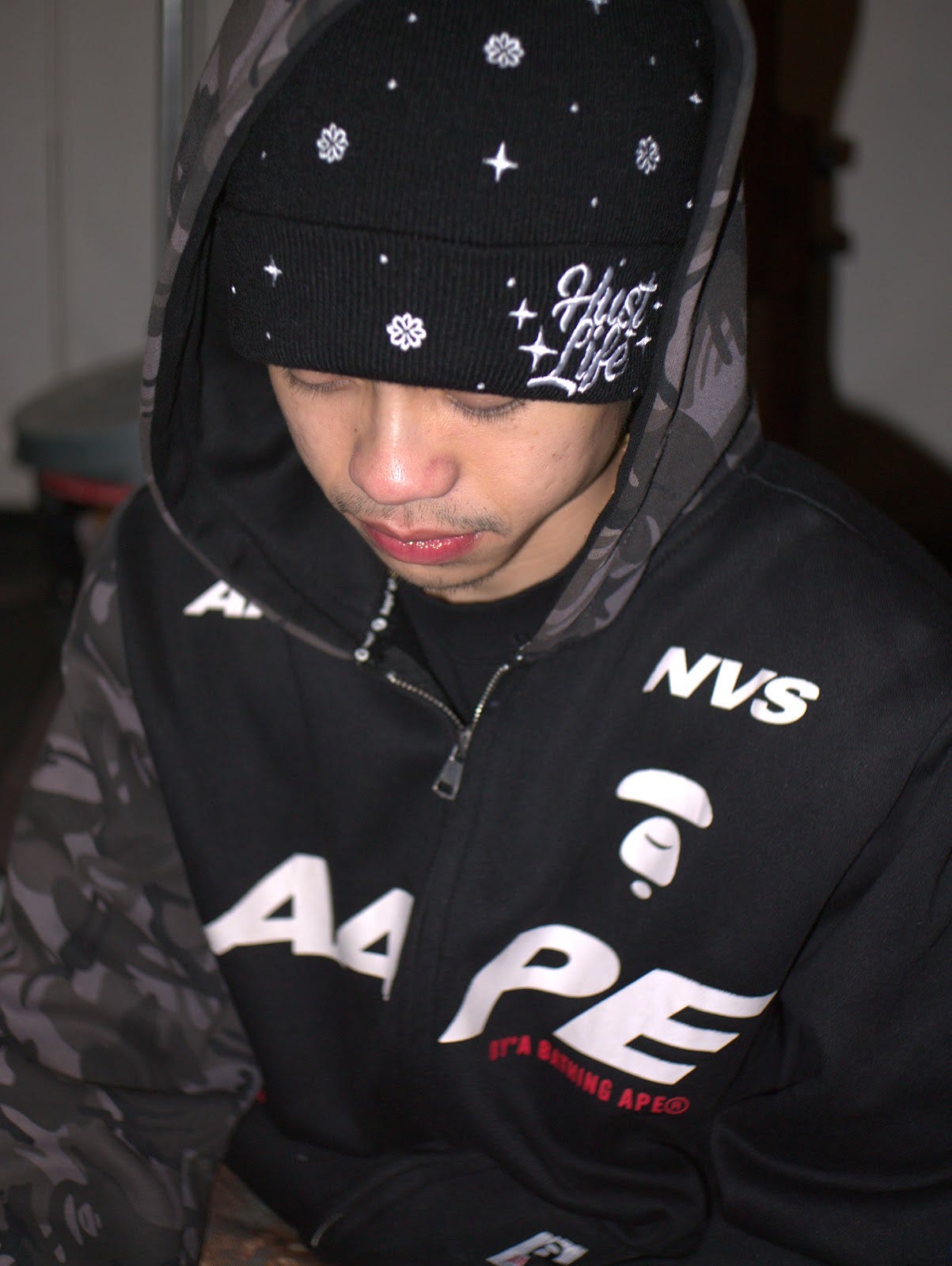
Vince “V9” Pham is a Vietnamese-American artist and audio engineer based in Houston, Texas, whose journey in music is rooted in perseverance, cultural identity, and a genuine passion for creative expression. Originally from Ho Chi Minh City, Vietnam, he discovered hip-hop through the local music scene in 2018 before gradually developing his skills in recording, mixing, and music production. After moving to the United States in 2019, he continued pursuing his passion while balancing school, work, and family responsibilities. These experiences shaped his outlook on life and strengthened his commitment to music. Blending personal storytelling with a modern melodic rap sound, Vince draws inspiration from his journey as a Vietnamese immigrant navigating life between two cultures. As both an artist and an engineer, he approaches music as more than a creative outlet — it is a way to express his experiences, connect with others, and encourage the next generation of Vietnamese creatives to pursue their dreams without letting their circumstances define them.
Thank you so much for joining us in this interview series! Before we dive in, our readers would love to learn a bit about your “origin story”. Can you tell us the story of how you grew up?
I was born and raised in a small alley in Tan Binh District, Ho Chi Minh City, Vietnam, in a working-class family with three children.
What inspired you to pursue a career in music, and how did your journey begin?
Back in 2018, while I was still in Vietnam and had just graduated from high school, I started exploring the world beyond what I had always known. At first, I would simply attend local shows in District 11, Ho Chi Minh City. But as time went on, I found myself becoming more involved in the local music scene, eventually joining a crew where I took on recording and mixing responsibilities. Gradually, I realized that the more I did it, the more passionate I became. That was how my journey in music began, and it is a path I have continued to pursue to this day.
Can you tell us the most interesting story that happened to you since you began your career?
The most interesting part of my journey is how my relationship with music has changed over time. In the beginning, I saw it as something to do whenever I had free time, just a way to pass the hours. Then, toward the end of 2019, my family moved to the United States. Moving to a foreign country with so little life experience came with countless challenges. During that time, music became an emotional anchor that helped me get through many difficult moments. I was attending college while also working two physically demanding jobs to help support my family. Somewhere along the way, I decided to take a different path and began my journey as an engineering intern. That decision became a major turning point in my life. In a way, I felt like I had been given a second chance to truly live again.
It has been said that sometimes our mistakes can be our greatest teachers. Can you share a story about the funniest mistake you made when you were first starting? Can you tell us what lesson you learned from that?
I absolutely believe that mistakes are some of the best teachers we can have. When I first started making music, I had only saved enough money to buy a microphone designed for livestreaming. I even cut a rectangular box, roughly 6 by 8 inches, to create a makeshift space for sound isolation. Then I plugged the microphone directly into an old computer running Windows XP and recorded everything using Adobe Audition 1.5. Looking back, it was pretty ridiculous, but also kind of hilarious, haha. However, that experience taught me something important: you don’t need expensive equipment to begin your musical journey. Sometimes, all you need is a deep love for music and the melodies running through your head to create a song.
None of us are able to achieve success without some help along the way. Is there a particular person who you are grateful towards who helped get you to where you are? Can you share a story about that?
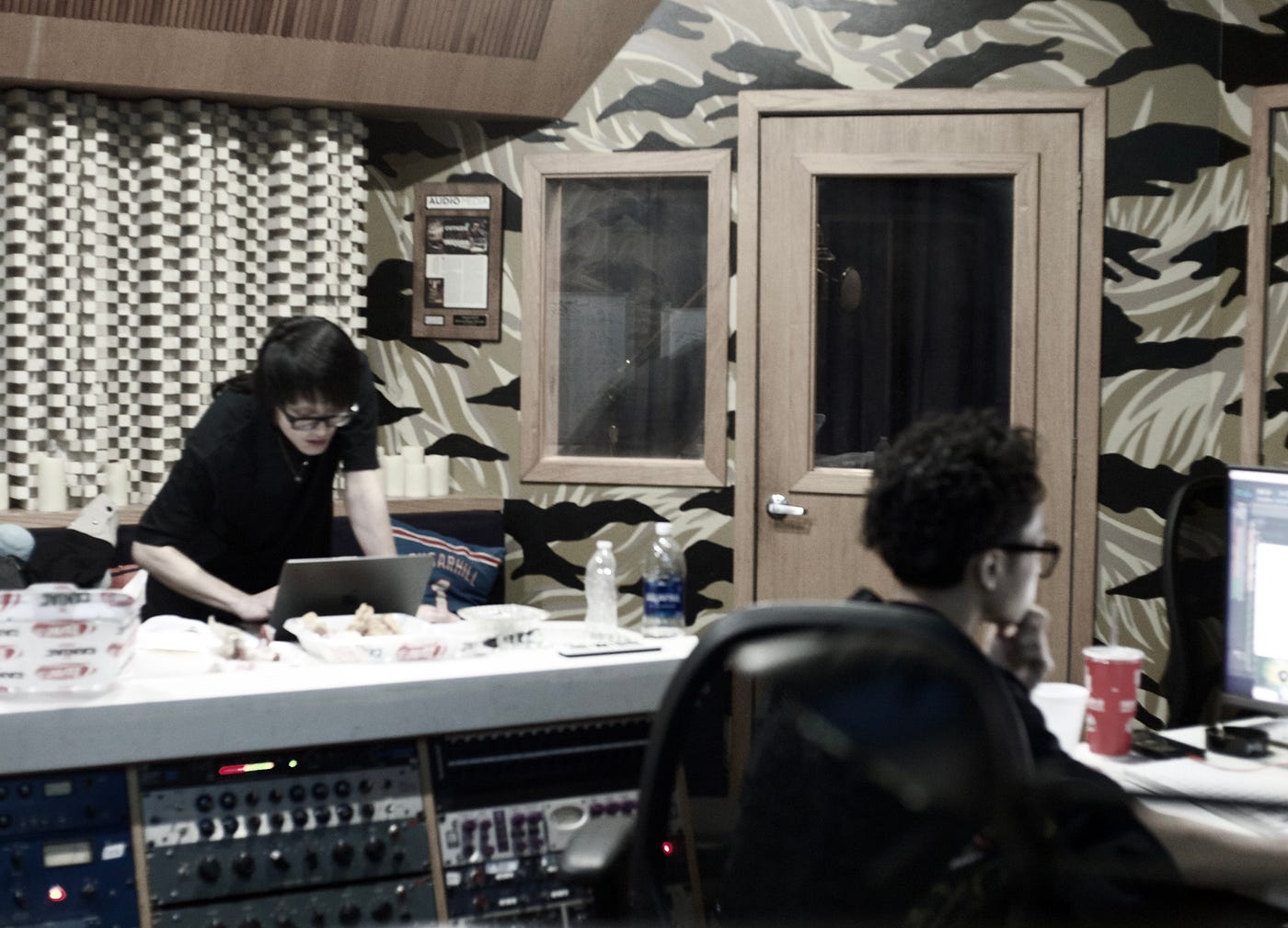
In recent years, when I found my way back into music at Studio713, I received a lot of support from the people there. In particular, the senior engineers taught me so much about recording techniques and mixing. The studio has become like a second home to me. Beyond that, I also want to thank the 20-year-old version of myself. That was an incredibly difficult period in my life, but I never gave up on my passion. Looking back, I’m grateful that I kept going, even when things were tough.
What are some of the most interesting or exciting projects you are working on now?
Alongside my work in recording and mixing, I also have projects of my own. I’m currently working on completing my debut album in collaboration with my friend, producer and DJ MAR22. I’m also involved in a few collaborative projects with some og artists from the hip-hop scene back in Vietnam, on the other side of the world.
We are very interested in diversity in the entertainment industry. Can you share three reasons with our readers about why you think it’s important to have diversity represented in music, film, and television? How can that potentially affect our culture?
That’s a great question. There are many reasons why representation and diversity in art are important, but I’d like to sum them up in three points. First, art brings people together through shared emotions. Every song carries a different feeling, expressed through its lyrics and melodies. Sometimes, a song can reach someone who is going through a similar experience, even if they’ve never met the person who created it. In that way, art helps people feel understood and reminds us that we’re not alone in what we experience. Second, art allows us to spread and share different identities. I believe every living thing on Earth represents something. Even flowers growing along the roadside or majestic mountain landscapes can represent peace and tranquility. That’s why, sometimes, simply driving past a beautiful landscape can make you feel lighter inside. I see individual artistic expression in much the same way. Every artist represents a unique personality, perspective, or cultural identity. When those expressions reach others, they allow different cultures and ways of life to be shared with the world. Third, art represents freedom and the breaking of boundaries. Without art, everyday life could become nothing more than work, bills, and countless little things that weigh us down. Art gives us a way to break out of that cycle and imagine something different. It creates space for new ideas, new trends, and new ways of seeing the world through music, film, comics, and other forms of creative expression.
As a successful music star, you’ve likely faced challenges along the way. How do you stay motivated? How do you overcome obstacles in your career?
I don’t consider myself a successful music star just yet, but after a long journey, I’ve gained some valuable lessons and tools that help me face challenges. One thing that keeps me motivated is learning not to wait for inspiration before getting things done. Inspiration comes and goes very quickly. Sometimes, I don’t feel motivated to make music at all, but I push myself to sit down at my desk and work for just ten minutes. Often, once I get started, the inspiration begins to return, and the ideas start flowing. Whenever life gets extremely difficult, I hold on to one simple principle: never give up. There have been times when I’ve faced some of the hardest moments in my life, but I’ve always tried to keep the fire of music burning inside me. Sometimes, that fire is nothing more than a tiny, flickering flame. Even so, I continue to nurture it and protect it, waiting for the moment when I can help it burn brightly again.
What are your “5 things I wish someone told me when I first started” and why? Please share a story or example for each.
1. You don’t need too many opinions to validate your music.
Sometimes, a song carries a story or an emotion that lives deep within the person who created it. There are things that only the songwriter can fully understand because they are the ones who experienced them firsthand. Feedback can be valuable, but not everyone will understand the full meaning behind your work, and that’s okay.
2. Don’t let your circumstances dictate your music.
Maybe you’re struggling financially or going through a difficult period in life. That’s okay. Don’t let those circumstances extinguish your passion. Instead, bring those experiences into your music. You never know — the very struggles you’re going through might become the foundation of something extraordinary and deeply authentic.
3. You don’t have to handle every role in a project yourself.
Trying to do everything can easily lead to feeling overwhelmed and overworked. For example, I can record and mix my own music, but I may still need producers to create the beats and people with strong visual skills to help bring a music video to life. Collaboration allows everyone to contribute what they do best.
4. Get out into the world and experience more of life.
Sometimes, artists experience creative block. You sit down to write, but nothing comes out — not even a single word. When that happens, I believe it’s important to give yourself a little time away from your work. Go outside, connect with nature, and experience the world around you. Sometimes, you need to recharge your emotional battery before you can create again.
5. You don’t need a million-dollar studio to start making music.
Sometimes, all you need is a powerful emotion and some basic recording knowledge to capture exactly how you feel in that moment. For example, T-Pain has created successful music in his own bedroom. To me, that shows that creativity doesn’t have to depend on having the most expensive equipment. What matters is what you bring to the music.
Can you share some insights into your creative process? How do you approach songwriting? How do you approach musical collaborations?
My creative process isn’t particularly complicated. First, I choose a beat that I feel I can use to express whatever emotions I’m experiencing in that moment. Then, I open Pro Tools and start recording, gradually developing the idea until the song feels complete. I usually send demos to friends whose style I think would fit the vibe of the song and ask if they’d like to jump on a verse, haha. I enjoy that process because sometimes a collaboration can take a song somewhere I never expected.
Your music has resonated with so many fans worldwide. What do you believe sets your music apart?
I think what makes my music different is that I have my own story and a perspective that I want to share with the world. I’m a Vietnamese guy who immigrated to the United States, continued pursuing music despite the challenges, and isn’t afraid to share his journey with the world. My experiences, my background, and the path I’ve taken all shape the music I create. I don’t think I need to be someone else to stand out. I just want to stay true to my story and let my music speak for itself.
How do you connect with your audience?
After releasing a song, I usually share it with my friends and promote it across my social media platforms. Sometimes, I also reach out to music pages on the other side of the world and ask if they can help spread my music to a wider audience. I believe that getting your music out there is an ongoing process. You have to keep sharing it and finding new ways to connect with people who might relate to what you’re creating.
With your busy schedule and demanding performances, how do you prioritize self-care and maintain a balance between your personal life and career in the music industry?
Music is my passion, but I also understand that if I want to keep creating in the long run, I need to take care of myself. It’s important to know when to give something everything you’ve got and when to step back and rest. For me, maintaining that balance is part of making sure I can continue doing what I love for years to come.
You are a person of enormous influence. If you could inspire a movement that would bring the most amount of good to the most amount of people, what would that be? You never know what your idea can trigger. :-)
I wouldn’t say I have a huge influence just yet, but if I could start a movement, I would continue on this path and use my journey to encourage young Vietnamese people growing up in the United States to pursue their passions all the way. Don’t let your background, nationality, or society’s expectations determine who you are or what you can become. Instead, use your own art and life experiences to connect people across different cultures. If one day I could help bring people from different backgrounds closer together through music and art, I think that would be incredibly meaningful to me.
Is there a person in the world, or in the US whom you would love to have a private breakfast or lunch with, and why? He or she might just see this, especially if we tag them. :-)
If I could sit down and share a meal with anyone, I would choose Denzel Washington. I deeply admire his acting through the films he’s been in, and I also see him as someone who has a lot of wisdom to share, almost like a motivational speaker. If that opportunity ever came along, I think I’d walk away with a few more valuable lessons about life — lessons that could help me continue my journey in the arts.
How can our readers continue to follow your work online?
You can find my music on digital streaming platforms such as YouTube, Spotify, and Apple Music. Just search for YUNG V9, and you’ll find me. If you’d also like to follow my personal journey and catch hints about upcoming projects, you can find me on Instagram at @v9.pham. Thank you so much for taking the time to learn about my story and my music. I truly appreciate it!
This was very meaningful, thank you so much! We wish you continued success!
About The Interviewer: Tavares Beverly ( www.tavaresbeverly.com ) is the Founder and CEO of Beverly Boy Productions, a national video production company that has helped organizations tell their stories through video for more than two decades. Over the course of his career, he has worked with everyone from Fortune 500 executives and healthcare professionals to politicians, nonprofit leaders, educators, and artists, gaining a unique perspective on the role communication plays in leadership, business, and human connection. A frequent contributor on topics including communication, entrepreneurship, leadership, and personal development, Tavares believes that the ability to communicate effectively is one of the most valuable skills a person can develop. His work is driven by a passion for helping organizations connect with their audiences and helping individuals unlock their potential through mentorship, perseverance, and meaningful relationships. To learn more, connect with Tavares on LinkedIn or visit www.BeverlyBoy.com . If you’re interested in using the power of storytelling and communication to grow your organization, strengthen your brand, or inspire your audience, he welcomes the opportunity to connect.