When you question yourself so much, you can end up living beneath your stature, negotiating your life below the standard you can demand or attract.
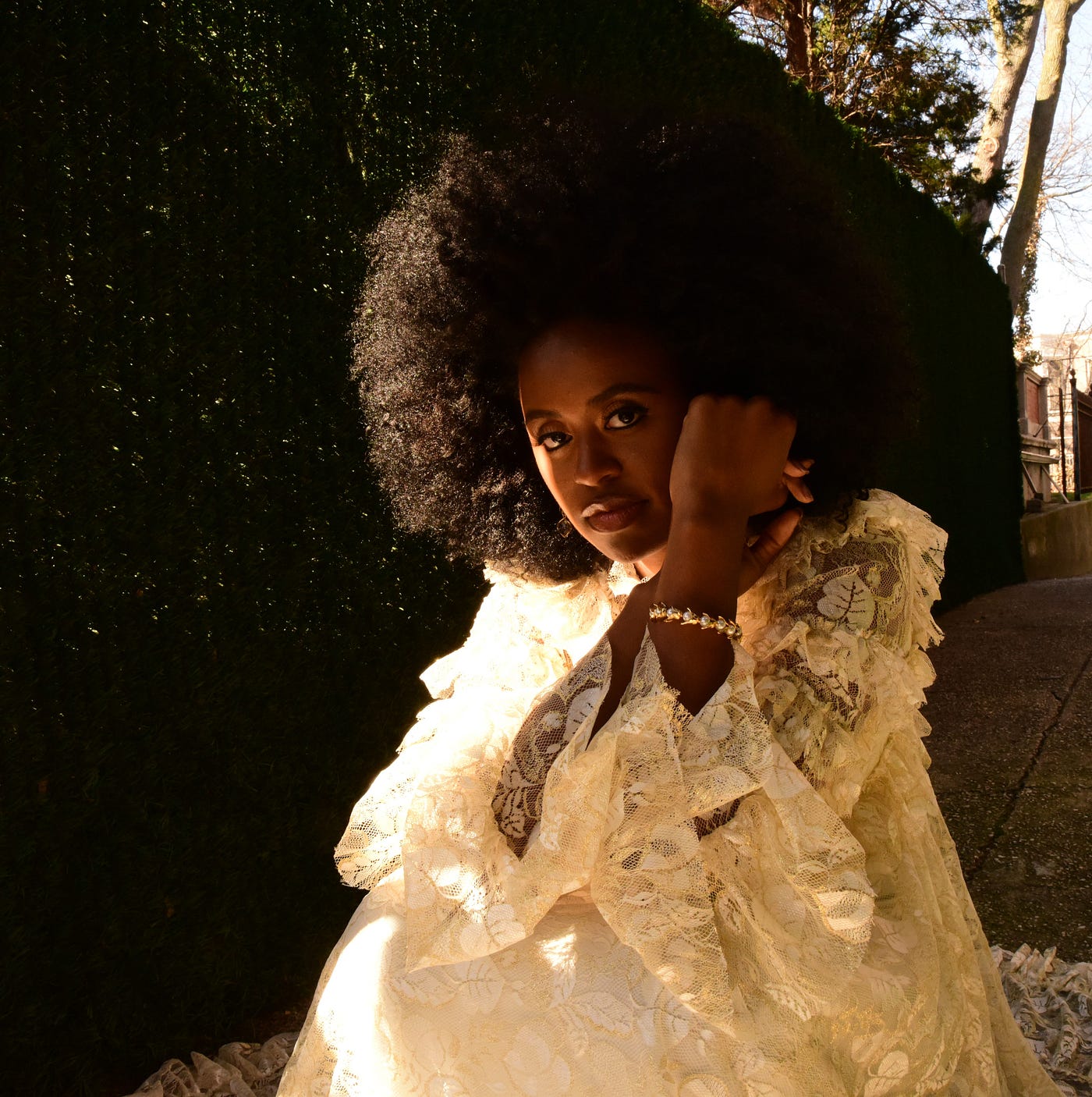
I had the distinct pleasure to talk to Victory. Victory is a Grammy® Award-winning Roc Nation artist known for her soulful vocals and unique blending of gospel, blues, folk, pop, and soul musical styles. Born into a family deeply committed to music, Victory was one of nine siblings who sang in the Boys & Girls Choir of Detroit, an organization founded by her father, John Boyd. She began her musical journey at the age of four and later studied jazz guitar.
After relocating to North Bergen, New Jersey, Victory and four of her siblings formed the group Infinity’s Song, which gained national prominence in 2015 when a video of them performing with Tori Kelly in Central Park went viral. In 2015, they released their self-titled debut album under the name Peace Industry Music Group.
Victory was personally signed by Jay-Z to Roc Nation and released her EP “It’s A New Dawn” in 2017, followed by her critically acclaimed debut album “The Broken Instrument” in 2018. As a primary lyricist and contributor to Kanye West’s songs “Closed On Sunday” and “God Is,” Victory won her first Grammy® for her work on the album “Jesus Is King” in 2019.
Her latest single, “Just Like In Heaven,” is a prayer inspired by the words of Jesus and a beat inspired by Kanye. Victory aims to make prayer more accessible and culturally appealing to the youth of her generation. The single is from her highly anticipated sophomore album, set to be released this spring. With over 1.2 million Facebook views on her breakout song “El Shaddai,” Victory is poised for continued success in the music industry.
Yitzi: It’s a delight to meet you, Victory. Before we dive in, our readers would like to learn about your origin story. Can you share with us the story of how you grew up and your childhood?
Victory: Well, at the time, I didn’t realize how unconventional it was because it was my normal. I was one of nine siblings from the city of Detroit, and we were homeschooled. It was pretty unique because many of the kids that were my peers weren’t homeschooled.
Another unique thing about our upbringing was that all eight of my siblings and our parents sang together, and my parents founded the Boys and Girls Choirs of Detroit. It wasn’t just the choir within our family; it was a citywide choir that evolved into a statewide choir. As a kid, we would travel to different parts of Michigan for rehearsals and fundraising in between, and this was all separate from school. At nine or ten years old, this was my normal, and as I grew up, I realized that it was not the normal course of action for most people. However, I value the extensive training I received in music, expression, and entrepreneurship. As a professional artist in the commercial music industry, you have to be all of the above; you have to be an entrepreneur, a singer-songwriter, a producer, and wear as many hats as possible at an excellent level. I was trained for this from a very young age.
Yitzi: That’s great. Can you share with our readers a bit about the evolution of your music career, like how you started when you were younger and what brought you to the success you enjoy now?
Victory: My family migrated from Michigan to the New York area. When we came to New York, we originally came to sing outside the Apollo Theater during the viewing of James Brown’s body. After he passed away, masses of people were going to the Apollo Theater to say goodbye. We went as well, except we went to sing outside the theater and busk, and that started our 10 years of performing. That was in December 2006, and it wasn’t until 2016 that we got signed and I was discovered by Jay Z. I was 12 years old at the time when we first came to New York. During those 10 years, New York validated me and my siblings by supporting us with tips, buying our CDs, applauding, and giving us their attention. All of that fueled my growth over a decade. By the time 10 years had passed, I was in Jay Z’s office singing a song that I had written in Central Park.
The cool thing is that I used to sing my songs for people in the subway or in the park, songs that I had just written to test and see if they were good or not, to see how people responded. I could always tell if I had done a great job if someone shed a tear from the song that I had just written after listening to it. So I collected songs, experiences, and training in my skills, and all of that happened during those 10 years. Then someone filmed me singing in Central Park, and this gentleman named James Samuel, a well-known film director and music producer who is the younger brother of the UK singer Seal, saw the video and believed that I was the next Tracy Chapman or Amy Winehouse. He introduced me to Jay Z, and Jay got excited and offered me and my family a deal. That was in 2016, after a long journey up to that point. But that was just one leg of the journey. There was still quite a bit of fighting and persevering to do.
Yitzi: It’s such an amazing story. It’s rare to get discovered these days, but when it happens to you, it’s truly unbelievable. Can you share one or two of the most interesting stories that have happened since then?
Victory: One of the most notable ones is being discovered by Kanye, which was completely unrelated to Jay Z. Kanye found my album, “The Broken Instrument,” because I walked up to him at one of his Sunday services and told him he needed to listen to it. He was busy at the time and said we could connect later. Coincidentally, he was in my audience two weeks later at a private concert I was doing for billionaire Robert Smith. Kanye was one of his guests as I performed my song, “Broken Instrument.” I had never met Kanye before, but now I met him twice in two weeks, and the second time, he was in my audience. He was blown away, and we exchanged numbers.
A month later, we were in the studio together. We initially collaborated on my music, and then he invited me to work on his music. I agreed because I resonated with the work he was doing at the time, which was the album “Jesus is King.” I supported him and contributed my penmanship to his project, ultimately writing the lyrics for two songs on that album. And then, we ended up winning a Grammy.
Yitzi: It’s been said that sometimes our mistakes can be our greatest teachers. Do you have a story about a small mistake you made when you were first starting and the lesson you learned from it?
Victory: The mistakes I made mostly revolved around not knowing how to view myself or esteem myself properly. Many great artists can be insecure, even when they’re super famous. They might wonder if they’re good enough or if people will like them. I struggled with that too. When you question yourself so much, you can end up living beneath your stature, negotiating your life below the standard you can demand or attract. If you don’t believe you’re up here, then you can only reap things from down there.
For 10 years I sang in the subway and in the park. You have to consider what that does to your mind, making you think that’s what you deserve when your talent is equivalent to someone performing at Madison Square Garden. You have to believe you’re worthy of having that kind of experience, not limited to hoping you’ll make $100 in tips at a train station. When that’s been your mindset for a decade, you have to grow out of it. Suddenly, I was up there with Jay Z and other superstars and billionaires. It was a process, and I made many mistakes by holding myself back.
People will take you at your word. They won’t tell you that you’re worth more than you think. If you say you’re worth just $50, they’ll agree. You have to learn and grow, realizing you’re actually worth $50,000. Most people, out of false humility, would say they could never be worth that much. But why not? If you’re the best in the world and you’ve trained hard, you should recognize your value. I made a lot of mistakes regarding my value and had to grow out of that mindset, understanding my worth and letting go of false humility while honoring my merits.
Yitzi: You’re incredibly profound and wise beyond your years. Can you share a story about a person who made a profound impact on your life?
Victory: There are many people, but I have to acknowledge my parents first. The foundation they gave me is extraordinary, considering where I came from and where my dad started. He was one of 11 siblings, and when their mom became mentally ill, they went into foster care. As a young child in Detroit, my dad had to fend for himself. He developed a relationship with God as a teenager, which set his life on an upward trajectory, and he became a strong leader.
Considering his circumstances, my dad should have been a statistic, and so should I and my siblings. But none of us became statistics; we’re all alive, well, educated, and have a unique outlook on life. We all walk in mental freedom, spiritual freedom, and have the chance to impact the world at a high level.
Each generation must break a cycle and elevate more, or else they get stuck in the same cycles. My dad broke a cycle, my mom broke a cycle, and now it’s my turn to elevate for my generation. We take all the good, acknowledge the things that weren’t the best, and aim to reach a higher level.
There’s a lot of pride in being African American and overcoming challenges, but there are also mindsets in every culture that need to be overcome for growth. You want to embrace everything that’s fruitful and beneficial for the future while giving yourself room to let go of things that aren’t productive. The profound impact from my parents is all-encompassing, and it’s my job to build upon that foundation and take everything to another level.
Yitzi: Can you share how you’re using your success to bring goodness into the world?
Victory: Absolutely. I have a big heart for empowering artists who share the same values I do. It doesn’t have to be the same genre, but values are important. It’s been a struggle for me to find a place in the industry, even with doors being opened. I think about the younger version of me out there, writing her songs with hope and all these prolific pieces. She can’t necessarily count on being signed by Jay Z, you know? Where will she go? I know it’s not my job to ensure everyone with a gift gets an opportunity, but if I could, I would. I like to leverage my access to make room for others, so this space can be wider.
The way this impacts the world is through the music we consume, which I believe creates the fabric of our society’s culture. Oftentimes, people try to change the world through campaigns or policy, but rarely do they get involved in music. I think if you engage with music, you can address many of the world’s problems at the root. Music has the power to inspire and provoke people, either for good or bad. A song can provoke jealousy among gangs, leading to violence, or it could promote a different spirit and message, bringing people together in brotherly love.
I don’t see the strategy or emphasis on empowering artists who can architect the future we want because we don’t value the power artists have. We often think it’s the policy makers who create change. But policies, like the “three strikes and you’re out” law, don’t always address the root issue. If you really wanted to stop people from doing drugs, you would invest in music that inspires them away from that lifestyle. Millions and billions of dollars have been pumped into music that promotes negative behavior, but if we start there, we can make a difference.
So, I want to leverage my access to raise awareness. People should be investing in artists within their communities, churches, and synagogues who already have these principles. If we do that, we could see 90% of the problems we argue about eradicated. It’s what people meditate on in their souls that impacts their decisions and choices, which in turn shapes our society.
I want to revolutionize the music industry by bringing people together around these concepts and empowering more artists. The quality of music and art is diminishing because people don’t see the point in investing time and effort without the guarantee of success. If we can figure out the answer to these issues, we’ll find ourselves in a higher renaissance than ever before. We just need to start valuing art and its creators.
The music industry isn’t designed for artists to be free. The equity structures often leave many artists struggling, even famous ones. People become desperate and do anything for survival, which can lead to music that’s poisonous for the soul. If we create an environment where artists can survive and make music that edifies the soul, more people would choose that path.
I feel like there’s a whole system overhaul that needs to happen, and I’d like to be a part of it. I want to leverage my voice, make the best music I can, and have the greatest impact possible to play a role in the changes I’d like to see in entertainment and the world.
Yitzi: This is our signature question that we ask in all of our interviews. What are the five things needed to shine in the music industry? You don’t have to answer if you don’t want to, but we’d love to hear your thoughts.
Victory:
- I want to preface my answer by saying that I want to answer this question in a universally understood way. My dad actually wrote a commentary on the term “holiness” and he broke down what it meant. He said that holiness is the word used to describe the distinct nature that is only God’s. It’s the nature that only belongs to Him, and He gives that nature to His children. We can either operate out of His distinct nature or we can operate out of a common nature that is shared by everyone. When I operate out of God’s distinct nature, it automatically shines because it’s so rare and scarce. It’s not of this world, it’s not common, and it’s valuable because of its scarcity. This is why I believe that if you can align yourself and make yourself a vessel for the holiness of God, you will automatically be set apart and shine. Of course, skills and other factors are also important, but there are many people who are skilled, talented and have great voices. Therefore, I wouldn’t reduce shining to just having the best voice or songs. It’s about being able to align yourself with the holiness of God, and you will automatically stand out. This principle is evident in the culture of the Children of Israel, who were set apart and shone throughout history. The Levites, who carried the presence of God, stood out even amongst all the 12 tribes. If you can steward the presence of God, you will shine, and I’ve seen this theory tested in many different environments. Even when I’m not at my best, I still see the impact on people’s lives. It’s not a given or a guarantee to have that kind of impact just because you sound good. So, without sounding too religious, I believe that the number one thing needed to shine in the music industry is holiness.
- I would say preserving your authenticity is crucial because there are so many forces out there trying to control how people live, think, and operate. However, each person was created with a completely unique identity and potential. If you can overcome those forces that are trying to make you assimilate and be “normal”, and embrace your uniqueness, then you will automatically shine. This is true even if you don’t have any particular talent; just being the unique person that you were born to be will make you shine.
- With relationships, you can ask somebody for help, ask one person to do this, and another to do that. Then, you work together. The quality of your relationships really determines a lot in how you stand out.
- Work ethic — you need to start building relationships and steward the seed of your talent, because I believe everyone has gold within them. However, not everyone’s gold is refined to the same measure. If you want to shine, you’ve got to refine your gold. You’d be surprised how many people find success even with rusty gold; their gems aren’t that bright, but they’re shining because they have all the other steps in place. For longevity, though, it’s important to reach the highest level of refinement, potential, and radiance of yourself that you can possibly achieve. That comes with a strong work ethic.
- I would say it’s authentically applied love. What I mean by that is there’s a superficial kind of love where people do good things just to be seen as good, but genuine love goes beyond that. You can have authentic love but not apply it effectively. So, I think authentically applying love towards yourself, your neighbor, your audience, and even towards God will make you shine. As much as we use the phrase “love,” it’s still probably the most scarce thing. It’s in high demand because everybody needs it, but it’s the least demonstrated. If you have that genuine, authentically applied and expressed love, you’ll automatically stand out as one of those rare individuals in the world that people can go to and have their love deficits filled. That’s quite rare; there aren’t many people you can count on to experience that with.
Yitzi: How can our readers best follow your work online?
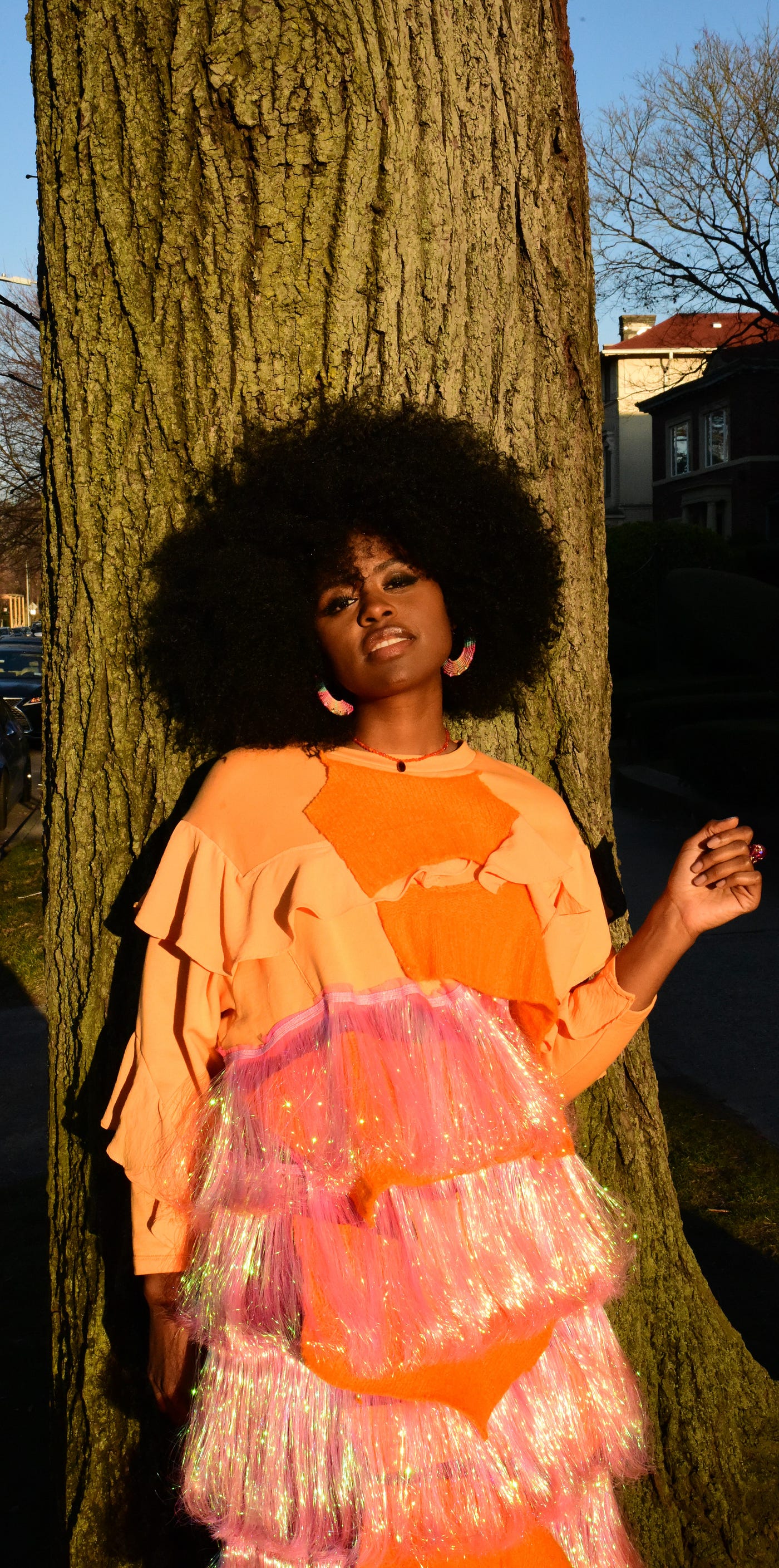
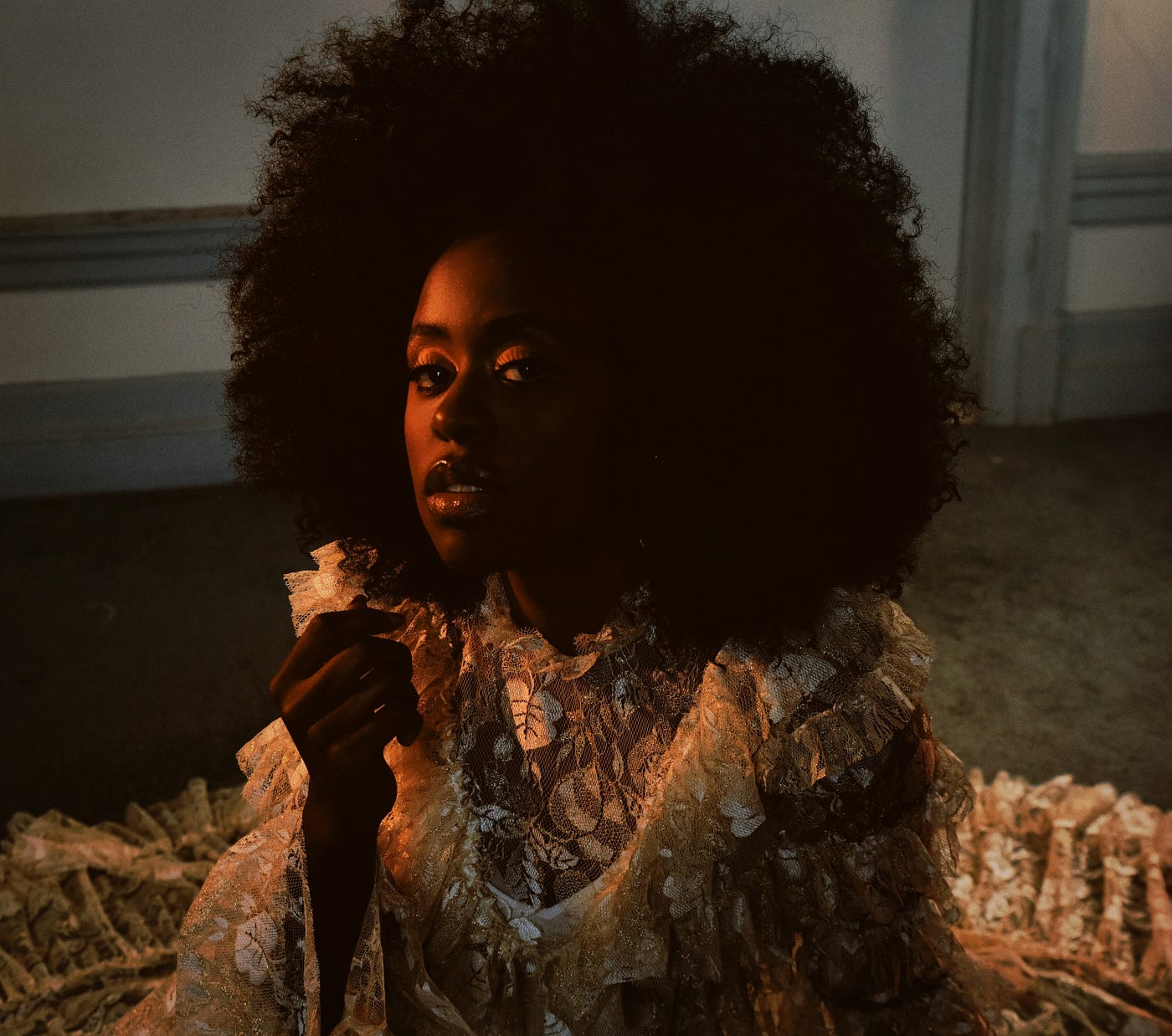
Victory: You can find me on social media as Victory Boyd, on platforms like Twitter, Instagram, and Facebook. To listen to my music, check out Spotify or any other digital music platform. Just search for Victory under the artist profiles, and you’ll see me there with my big Afro. You can listen to all my music there.
Yitzi: Victory, it’s been a blessing to talk to you. I’m so excited to publish this and share it with the world because I think it could be life-changing for people to read. I feel incredibly lucky to have met you and I wish you only the best and success in all your future work.
Victory: Wonderful! Thank you so much, Yitzi. This has been a pleasure.