Tony Cole: The Reformed Authoritarian Mindset That Transforms Cybersecurity Leadership

The veteran cybersecurity expert and Attivo Networks CTO shares crucial leadership lessons learned from the military and how to build high-performing teams.
Tony Cole: The Reformed Authoritarian Mindset That Transforms Cybersecurity Leadership
I’m a reformed authoritarian. I had some good mentors as I transitioned into the commercial world that politely explained to me that Silicon Valley companies don’t operate like the military.

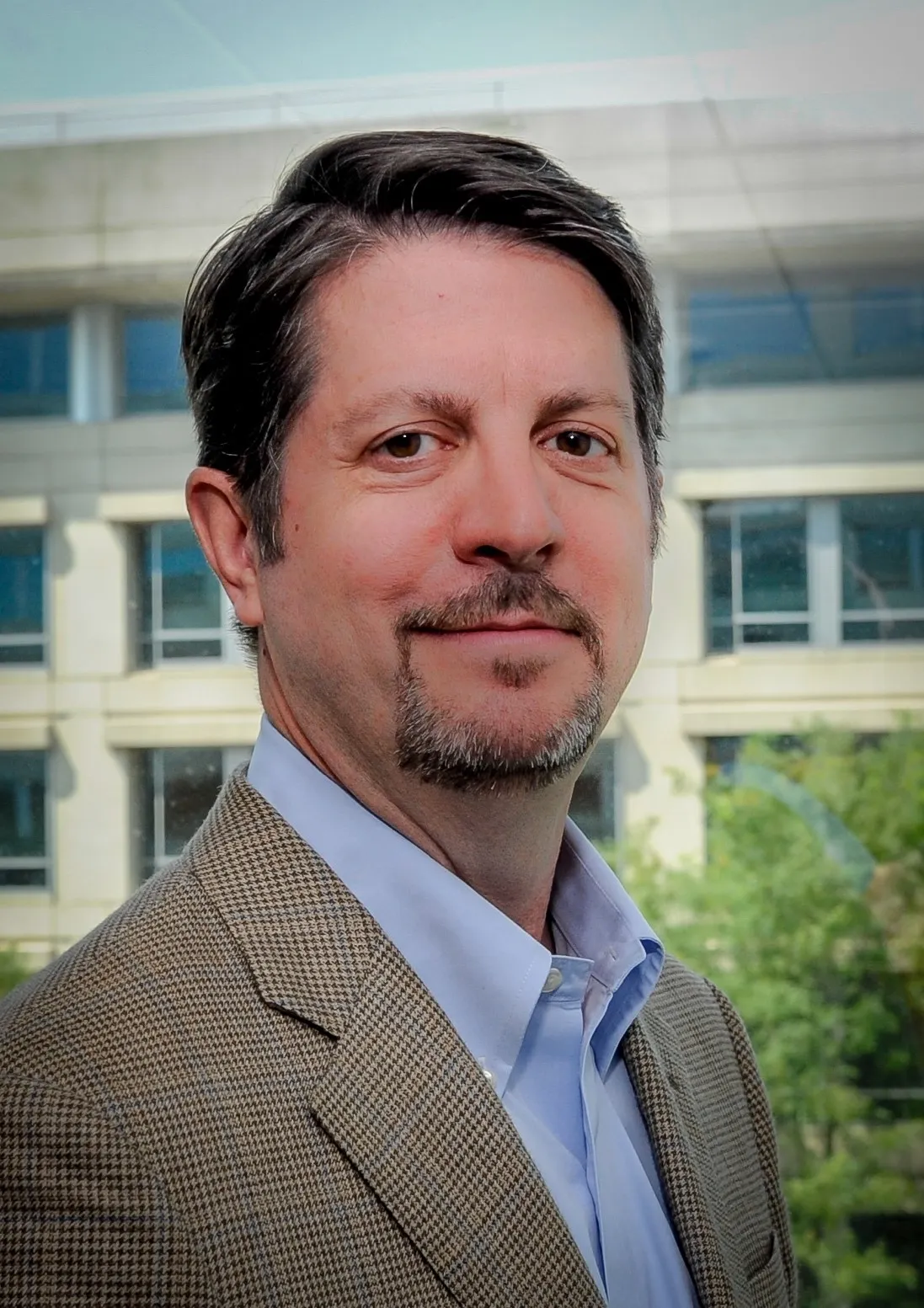
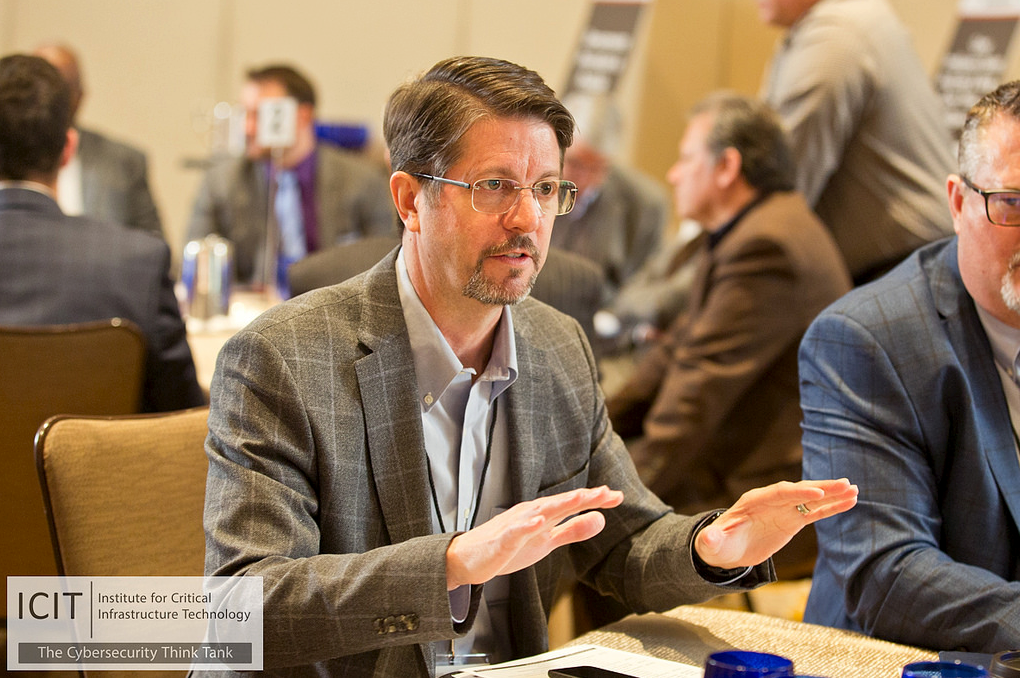
I had the pleasure of interviewing Tony Cole, a globally recognized cybersecurity expert advisor and strategist with over thirty years of experience in cyber security and related operations. Currently, Cole serves as Chief Technology Officer of Fremont, Calif.-based Attivo Networks. The company is an international leader in deception technology and just recently announced that it experienced 300 percent growth in 2017.


Chris: Thank you so much for doing this with us! What is your “backstory”? Can you tell us about your military background?

When I was a senior in high school, my family suffered a major tragedy. I tried college, couldn’t focus and dropped out at the end of my first year. I decided to get my head together by joining the military as a military police officer. Thankfully, I had a stepfather that was retired military and he convinced me if I was going to enlist in the military, to select the most comprehensive technical school they had which was cryptography.

In the past I had taken a lot of electronics apart and put them back together — always was a tinkerer. I spent several years maintaining and repairing large cryptography systems around the world. During one assignment, I ended up teaching radio wave theory and advanced computer electronics to foreign students for a couple of years. During one assignment, I ended up teaching radio wave theory and advanced computer electronics to foreign students for a couple of years which inciting the standing on a platform and speaking bug. Later on, when those massive cryptography systems miniaturized with significant upgrades, I ended up living on the road, and building new systems around the world for the military. That was a lot of fun.

In the mid-nineties, I was asked to help the Land Information Warfare Activity (LIWA) get the Army Computer Emergency Response Team (ACERT) into a full operational capability. That definitely got right into my bloodstream because you quickly realize that you’re literally dealing with an enemy inside your enterprise environment. I could see this as my future career and didn’t want to ever step out of it. As one of the first guys in it, I was lucky enough that the Army kept me focused on it. I did a short-tour (one year) in South Korea to build the Army Regional CERT and then was sent to the Pentagon to build the PENT-CIRT and help build out and run all the security operations on the Pentagon backbone. That was a lot of fun and one of my greatest learning experiences. It was all about the responsibility for a breach with no authority over the customers running on the backbone.

During those last three duty assignments I spent a tremendous amount of time also doing briefings on compromises, our Incident Response processes, planning, budgets, and asking for resources. On September 11th, we learned a lot of lessons about disaster recovery, unfortunately. I had already decided before 9/11 to retire and did so shortly after we rebuilt our systems in the Pentagon that had been destroyed.

Chris: What from your time in the military, do you think most prepared you for business?

Many things in my military life prepared me for the business world. My military time helped me significantly. I learned about budgets, program planning and the associated processes by asking lots of questions, reading everything I could find and sometimes, trial and error. I was given lots of leeway to build out my own requirements and then justify it through a number of assignments. This helped me learn a lot.

I also worked part time in a number of areas to prepare myself for a second career. I consulted on Wall Street about security technology, wrote about security for the SANS Institute, worked one day a weekend as a security analyst for a company, and taught computer science at a learning center. I also volunteered at the non-profit Information Systems Security Association (ISSA) Washington DC chapter and ended up on their board for seven years, and invariably became president for a few years. This helped me learn a lot about the business world as we managed the dues and events and also reported to the worldwide organization. If you can’t tell already, I like to stay busy.

Chris: How would you define your leadership style?

I’m a reformed authoritarian. I had some good mentors as I transitioned into the commercial world that politely explained to me that Silicon Valley companies don’t operate like the military. I’m definitely a lot softer in my style and work diligently to build a consensus and only get a bit firmer when that doesn’t happen. One thing that hasn’t changed is that I like to have the right team around me that fills any of my weaker skill areas so I can enable them and get out of their way. Understanding what you’re good at and where you can use some help is a critical skill in my opinion. Related to that, I’ve always had a good team around me that has been a significant contributor to our successes. Being successful in this industry is a team sport.
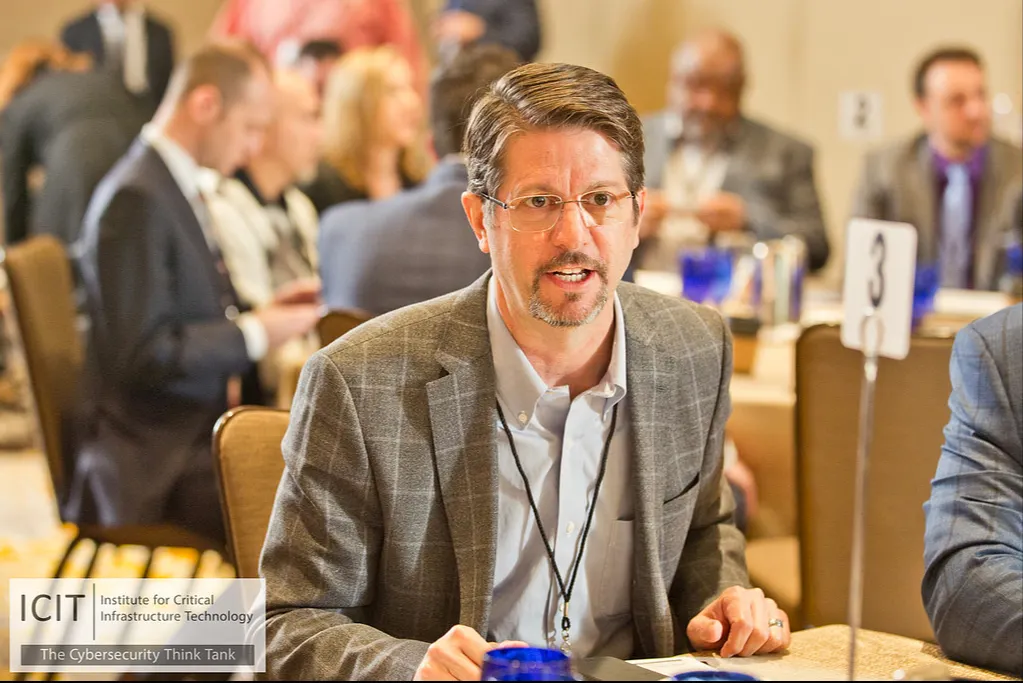
Chris: What are your “6 Leadership Lessons Businesses can learn from military experience? Please share a story or example for each.

  1. Everyone has value. I remember doing a review with this person that wasn’t up to par with the rest of the management team. When they came into my office I could see the desperation on their face thinking I was going to terminate their employment. Instead we walked through their accomplishments, where they fell down and how they can leverage their strengths to turn their career around. I opened on a positive note and closed on a positive note with milestones that they could measure to improve. That’s a leadership trait the military taught me and serves me well. Even if you do terminate someone, allow them as much dignity as possible throughout the process. We’re all human.
  2. Plan, plan, plan. Then, test your plans. In the cyber industry a lot of people build plans for crisis response and then park them on a shelf until needed. In many things in the business world, a plan is critical and should be tested. On 9/11 in my organization, we found that some of our plans weren’t tested thoroughly for all possible scenarios. This resulted in some major issues. If we had run through some serious testing, we would have discovered those issues and stopped them before they actually happened.
  3. Don’t ask anyone to do anything you wouldn’t do or haven’t already done. I learned a great example from a leader in the Army that was trying to get a soldier back on track that was always late to everything — a habit not acceptable in the military. Besides this bad habit, the soldier was outstanding. The punishment? Be out and in proper duty uniform during Reveille — the time in the morning when the flag is raised — for an entire month. The leader was there to make sure and they both stood, saluting the flag every morning. That young soldier really respected that his leader shared his punishment and truly turned it into a learning experience. He wasn’t late again and had a fine career in the Army. Connect with your people.
  4. Take care of your people and they will take care of you. Many years ago, I was leading a few teams that were building some large enterprise systems in a remote location for over five months. Our deadline for completion was coming up and we were working seven days a week for a couple of months to meet the deadline for operational capability. I would drive a couple of hours and bring beer or pizza in and other things to keep their motivation up. After we were done, sitting at a bar at our hotel, the guys told me that when I retire, if I started a company, they’d like to come work for me. The feeling they gave me with those comments was better than any military award ever presented to me. I worked them as hard as they could work and was in the mix with them at every turn. Take care of your team.
  5. Own your organization. When things go wrong, it’s your fault and no one else should ever take the blame. One of your jobs as a leader is to take any hits for your team. If you’re running your organization properly then it is your fault and no one inside your organization should be taken to task from your boss. That said, you can address a wrong decision internally, however you need to back your people publicly. There are very few exceptions to this rule in my book (see Lesson 5).
  6. Recognize and encourage initiative. The military has a great structure to teach young people how to operate in a very diverse number of environments. The longer they stay in the military, the more they end up with innovative thinking and lots of initiative to always get the job done. When you hire veterans, or anyone for that matter, encourage and recognize initiative and innovative thinking. The cybersecurity and IT industry has gotten quite good at it as well creating hackathons and other competitions to drive new solutions. Push people to think differently and create new things and new processes to solve problems.

Chris: The future of many industries rely heavily on millennials and gen-z in regards to consumers and talent. Can you tell us something you or your company is doing to stay ahead with attracting both?

Skills-based hiring is one of the most effective ways to find the right talent. Creating different exercises to challenge them is a great way to find and hire the right minds to build and maintain great technology. I’m not talking about interviewing someone and giving them homework — I don’t agree with that practice. Just create skills challenges related to your business and place them online. This has worked very well to identify brilliant and curious minds that want to solve the type of challenges you need solved on a daily basis. It’s not a ‘Field of Dreams’ because if done properly, it really works.

Chris: Can you tell us one person in the world, or in the US whom you would want to sit down and have a drink or cocktail with? He or she might see this. :-)

Probably Bill Gates. I really love how he’s taken his great successes in tech and moved on to use those successes to try and solve humanity’s biggest challenges. If more highly successful people did that, our world would be a much better place.


Chris Quiocho is a combat veteran and pilot in the US Army. Millennial leader and CEO of Offland Media, the premier content partner for business aviation. Chris is an insightful and motivational public speaker, and an emerging thought leader for the business aviation industry.

CQ
Written by

Chris Quiocho

Columnist & Contributor

Authority Magazine Columnist & Contributor

Authority Magazine
Published inAuthority MagazineTop Lessons, Top Authorities · 42K Followers

Exclusive, curated interviews with the leaders and changemakers shaping tomorrow. Leadership lessons, industry deep dives, and executive profiles.


More from Authority Magazine

See all stories →
Sleep: Healthline’s Erin Edge On Why You Should Make Getting A Good Night’s Sleep A Major Priority In Your Life, And How You Can Make That Happen
A
Authority Magazine Editorial Staff

Sleep: Healthline’s Erin Edge On Why You Should Make Getting A Good Night’s Sleep A Major Priority In Your Life, And How You Can Make That Happen

Tech19 min read
Sugandha Sahay of Amazon Web Services (AWS) On How To Listen Effectively To Succeed Personally And Professionally
D
Doug Noll

Sugandha Sahay of Amazon Web Services (AWS) On How To Listen Effectively To Succeed Personally And Professionally

Tech13 min read
Makers of The Metaverse: Adobe’s Chris Duffey On The Future Of The VR, AR & Mixed Reality Industries
A
Authority Magazine Editorial Staff

Makers of The Metaverse: Adobe’s Chris Duffey On The Future Of The VR, AR & Mixed Reality Industries

Tech15 min read
Forekan of Crocs Bazaar: Five Things I Wish Someone Told Me When I First Launched My Business or Startup
D
Doug Noll

Forekan of Crocs Bazaar: Five Things I Wish Someone Told Me When I First Launched My Business or Startup

Tech15 min read
Ralph Andretta Of Bread Financial: 5 Things You Need To Be A Highly Effective C-Level Leader Of A Bank
K
Kieran Powell

Ralph Andretta Of Bread Financial: 5 Things You Need To Be A Highly Effective C-Level Leader Of A Bank

Tech12 min read
Shakil Barkat: How Decades of Hardware Engineering and 5G Innovation Transformed Motorola's Global Product Strategy
F
Fotis Georgiadis

Shakil Barkat: How Decades of Hardware Engineering and 5G Innovation Transformed Motorola's Global Product Strategy

The veteran tech leader and global product head shares invaluable engineering insights, lessons on wireless breakthroughs, and how next-generation connectivity will reshape the future.

Tech8 min read
Yeva Hyusyan of Sololearn on Navigating Post-Soviet Economics, Securing Venture Capital, and Redefining Leadership in Tech
C
Candice Georgiadis

Yeva Hyusyan of Sololearn on Navigating Post-Soviet Economics, Securing Venture Capital, and Redefining Leadership in Tech

The Sololearn co-founder and CEO discusses her journey from post-Soviet Armenia to leading a global coding platform, and why female founders bring a vital perspective to tech.
Tech10 min read
Thriving As A Woman In a Male-Dominated Industry: Grainger’s Julie Myerholtz On The Five Things You Need To Thrive and Succeed as a Woman In a Male Dominated Industry
M
Ming S. Zhao

Thriving As A Woman In a Male-Dominated Industry: Grainger’s Julie Myerholtz On The Five Things You Need To Thrive and Succeed as a Woman In a Male Dominated Industry

Tech10 min read