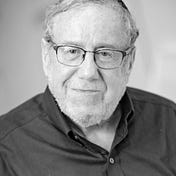
My grandfather was an Orthodox rabbi and one of the greatest spiritual influences in my life.
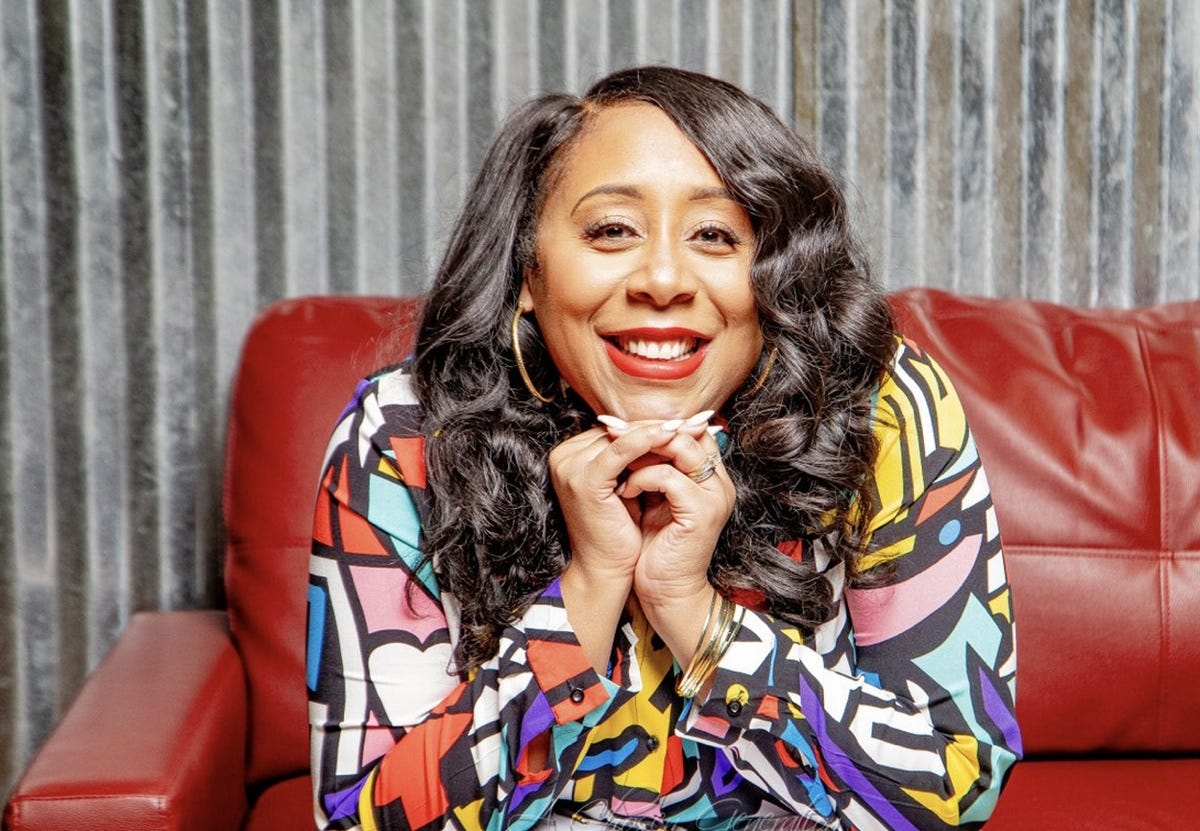
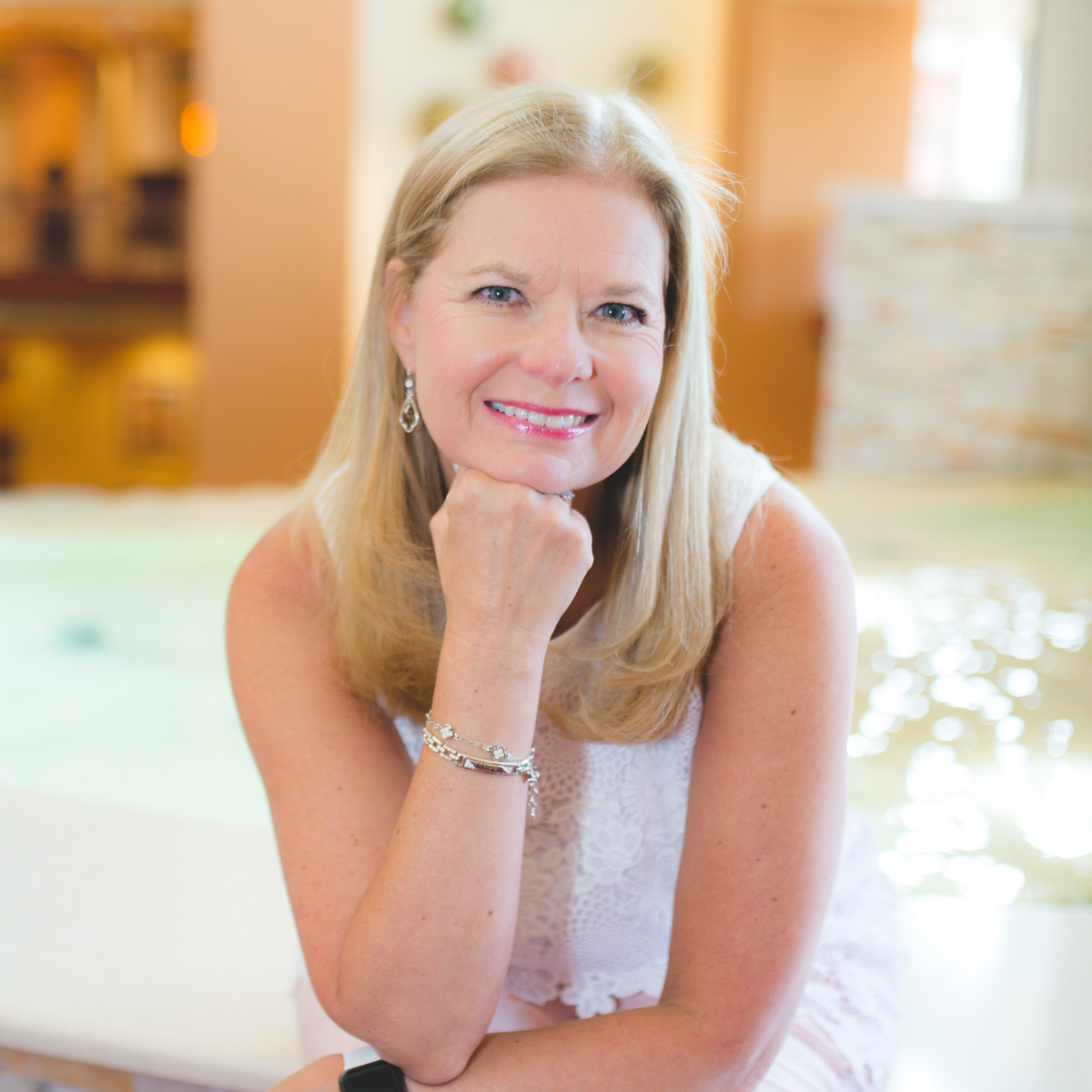
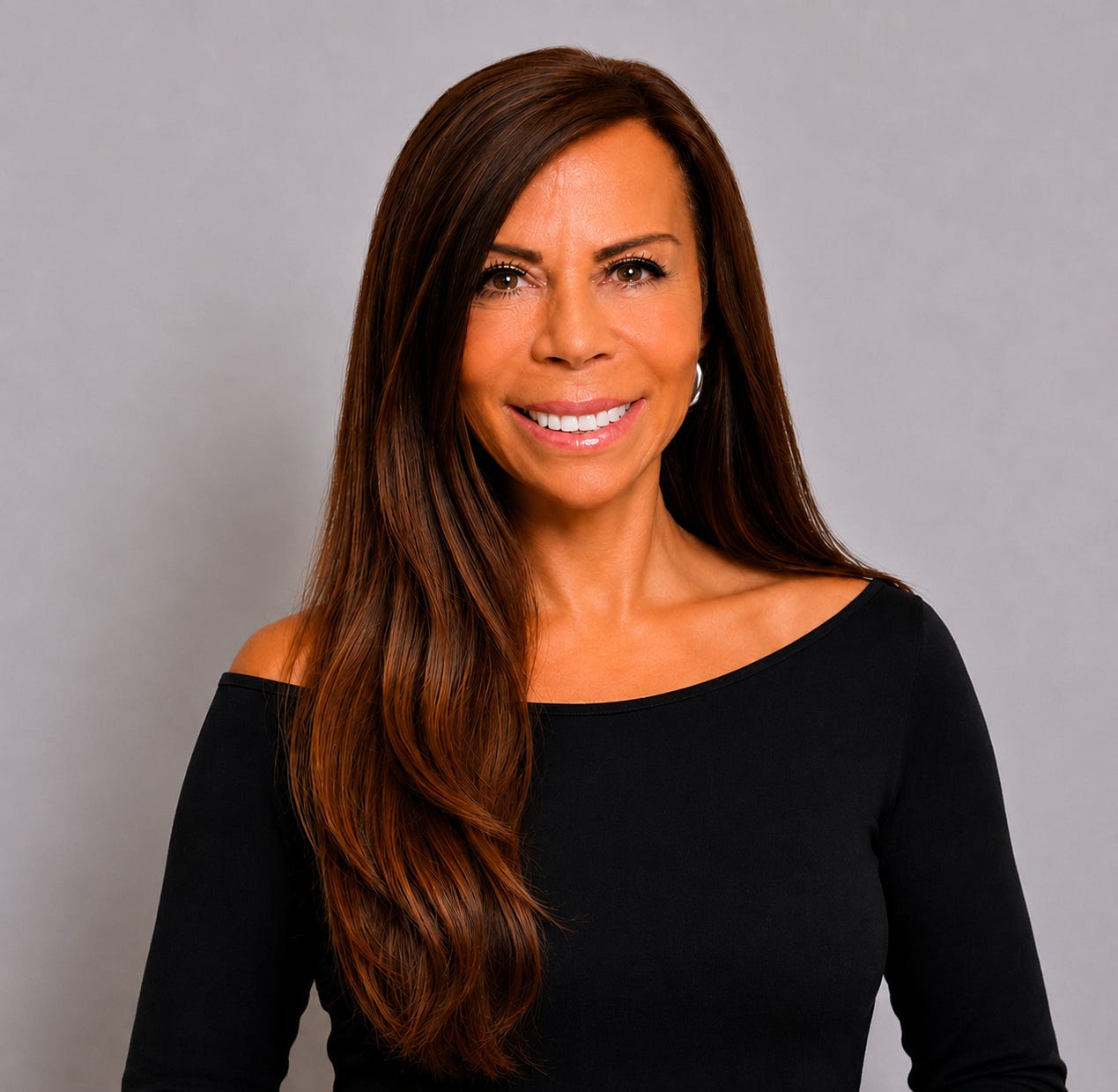
As a part of this series, we had the pleasure to interview Tina Weiss.
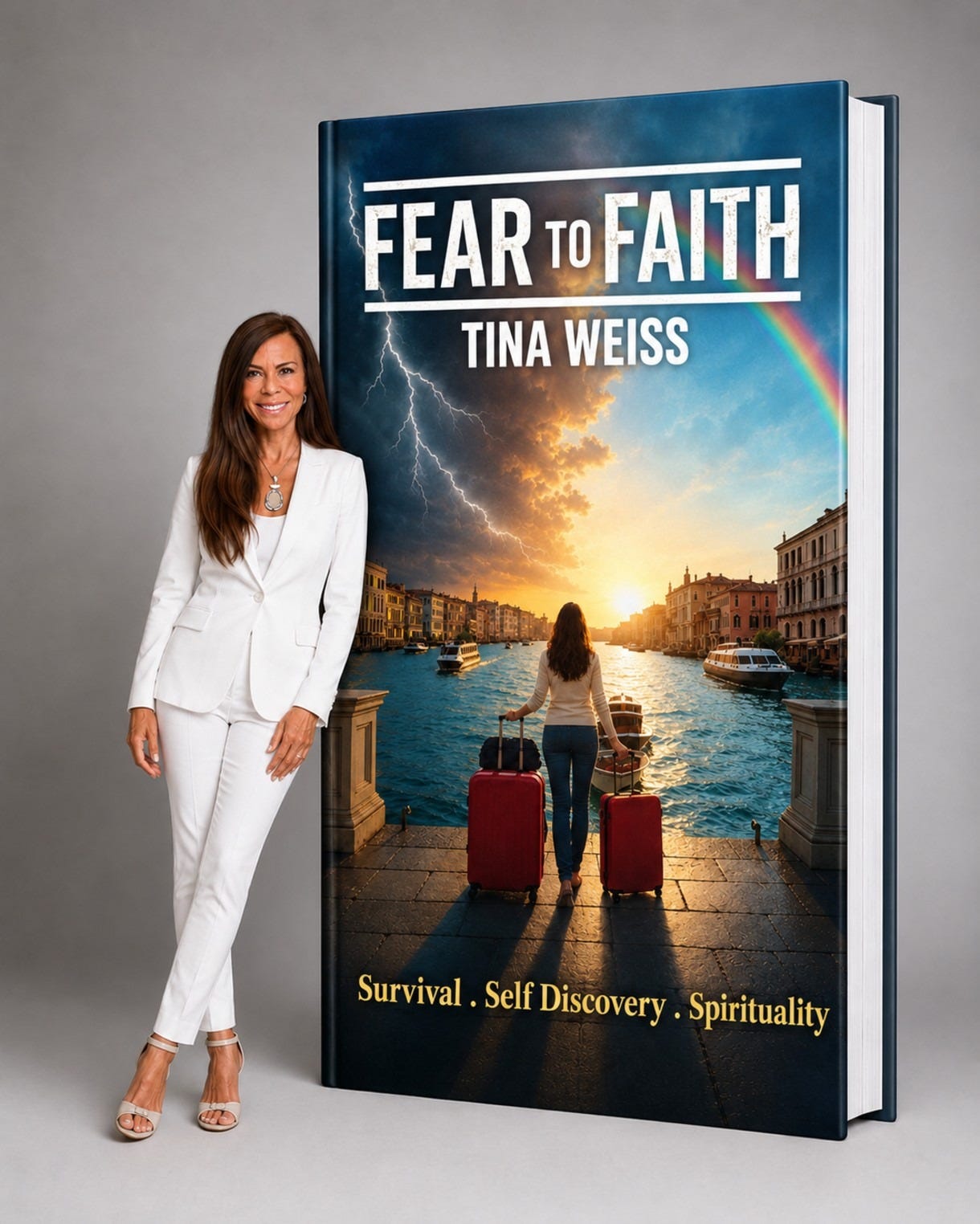
Tina Weiss is an entrepreneur, philanthropist, and author with more than 30 years of experience building businesses in fashion, textiles, skincare, and purpose-driven ventures while living and working in New York, California, and Florida. She is also the founder of Hugs and Smiles Children’s Foundation, a nonprofit dedicated to bringing hope, healing, and self-expression to underserved children through music, art, and dance. Raised in an Orthodox Jewish family, Tina’s life has been shaped by faith, empathy, compassion, resilience, and perseverance. After years of personal and professional challenges, a life-altering journey to Italy in 2024 became the catalyst for a profound spiritual awakening and a renewed sense of purpose. That experience inspired her book, Fear to Faith: A Journey of Survival, Self-Discovery & Spiritual Awakening, which is now being developed for the screen. Today, Tina shares her experiences through writing, speaking, and advocacy, encouraging others to transform trauma into triumph, pain into power, chaos into clarity, and fear into faith.
Thank you so much for joining us in this interview series! I know that you are a very busy person. Our readers would love to “get to know you” a bit better. Can you tell us a bit about your ‘backstory’ and how you got started?
First of all I want to thank you for this interview. My story begins in Brooklyn, New York, where I grew up in a close-knit Orthodox Jewish family. Faith, family traditions, and a strong sense of responsibility toward others were woven into my everyday life.
At the age of six, my family relocated from Brooklyn to Bay St. Louis, Mississippi, where my father had accepted a two-year construction assignment. Our stay, however, lasted only one year.
At the time, I was unaware of the racial and religious prejudices around us. I remember wanting to visit a friend, but my mother would always offer an explanation for why I couldn’t go — perhaps the family was busy or going away. I accepted those explanations without understanding what lay behind them.
I also remember our drive back to New York, when my brother and I repeatedly asked our mother to stop at a restaurant because we were hungry. She would simply tell us that we couldn’t stop there, without explaining why.
It wasn’t until years later that my mother revealed the painful truth. Some establishments displayed signs stating, “No dogs, no Jews allowed,” alongside a deeply offensive racial slur directed at Black Americans. She explained that the prejudice and antisemitism our family encountered were also the reasons we left Mississippi before my father’s two-year assignment was completed.
Only then did I fully understand the discrimination my mother had quietly shielded us from as children. That realization stayed with me, which strengthened my compassion for people facing prejudice, exclusion, and injustice, and my belief that everyone deserves dignity and respect.
We later moved to Long Island. Even as a teenager, I had an independent spirit and an adventurous nature. I was curious about the world, drawn to creativity, and willing to explore opportunities beyond what was familiar. I never believed there was only one path to success, and I wasn’t afraid to take an unconventional one.
My entrepreneurial journey grew out of that curiosity and determination. I enjoyed the challenge of turning an idea into something tangible, whether developing a product, building relationships, or finding a way around an obstacle. Every venture brought new experiences, valuable lessons, and opportunities to grow.
Looking back, I realize that I wasn’t simply building businesses. I was discovering different parts of myself along the way. And while I didn’t recognize it then, those experiences were preparing me for an entirely different chapter of my life.
None of us can achieve success without some help along the way. Is there a particular person that you are grateful for, who helped get you to where you are? Can you share a story?
I am grateful to three people who shaped different parts of who I am. My mother, Blossom, was a strong, independent woman with high standards and an unwavering belief in doing what was right. She taught me that compassion wasn’t simply something we felt; it was something we demonstrated through our actions.
One experience from my childhood has remained with me throughout my life. I was six years old, living in Mississippi, when my mother took my brother and me to a doctor’s office. We saw a man in a wheelchair being pushed by a woman with dwarfism. My brother and I began laughing, not understanding how hurtful our behavior was.
My mother immediately grabbed me, pushed me against the wall, and slapped me. She made it unmistakably clear that we must never ridicule someone because of a disability or because they look different. She reminded me how fortunate I was to have two arms, two legs, and so much to be thankful for. She taught me that not everyone has been as fortunate, and when we have the ability to help someone, we should.
To this day, I don’t know whether it was the sting of that slap or the sting in my heart that stayed with me. But the lesson was unforgettable: never judge someone by their appearance or circumstances, and never overlook an opportunity to help another human being.
My father, Arthur, was a loving, affectionate man who always put his family first. He was our provider, our protector, and someone we could always count on. No matter what challenges we faced, he somehow had a way of making things better. He had a beautiful singing voice and a deep love for music and the arts, which brought so much joy into our home. Some of my most treasured memories were of me sitting at the piano playing while my father sang. Those moments were more than just music; they were moments of love, connection, and happiness that I carry with me to this day. His influence nurtured my own passion for music and the arts, which eventually became an important part of my nonprofit work.
My grandfather, an Orthodox rabbi who immigrated from Poland before World War II, gave me a foundation in Jewish tradition and faith. His quiet wisdom and unwavering belief in God taught me the importance of staying true to my values, even when life becomes difficult.
Together, my mother, father, and grandfather instilled values that continue to influence my choices and the way I treat others.
You are a successful leader. Which three character traits do you think were most instrumental to your success? Can you please share a story or example for each?
If I had to identify the three qualities that have shaped my life, they would be empathy and compassion, resilience, and faith.
- Empathy and Compassion: I’ve always been deeply affected by the struggles of others, but I believe caring must extend beyond words. That belief inspired me to establish Hugs and Smiles Children’s Foundation, creating opportunities for underserved children to experience music, art, and dance. Seeing the confidence, joy, and sense of belonging these experiences could bring reinforced my belief that even small acts of kindness can make a meaningful difference.
- Resilience: For much of my life, fearless could have been my middle name. I embraced challenges, built businesses, and reinvented myself more than once. Not every venture succeeded, but setbacks taught me to adapt, persevere, and recognize when it was time to pursue a different direction.
- Faith: My spiritual foundation began in childhood, but its meaning deepened through life’s unexpected challenges. During my experience in Italy, when I felt most vulnerable, faith became the source of strength that helped me confront my fears and ultimately discover a renewed sense of purpose.
Ok, fantastic. Let’s now turn to the crux of our interview. Was there a defining moment or experience in your life when you felt a clear sense of your purpose? How did it influence the goals you set from that point forward?
My defining moment came during a trip to Italy in April 2024, although the journey toward discovering my purpose had begun several years earlier.
For most of my life, I had been fiercely independent, adventurous, and unafraid to take risks. I embraced challenges with confidence. Then came COVID-19, a period that brought uncertainty and challenges to so many of us. Amid those challenges, I was also dealing with dental problems. In 2021, I underwent surgery intended to correct the situation, but instead, the procedure made matters significantly worse, resulting in years of complications, chronic pain, and difficulty speaking. I found myself facing something I had never experienced before: a profound loss of independence, identity, confidence, and purpose.
After years of struggling to regain my voice, I traveled to Italy in 2024 hoping to reconnect with the woman I once was. What was meant to be a journey of healing became an unimaginable test of survival.
Within three days, I was robbed twice, first in Florence and then in Venice. I found myself alone in a foreign country without my passport, money, credit cards, or identification. Frightened and desperate, I struggled to find a way home.
The actual defining moment came in Venice, in the early morning hours, as I made my way to the train station to Milan, desperately hoping to secure an emergency passport. Two men began following me, and suddenly, one of them linked his arm through mine.
I was terrified. My heart was pounding, and my mind was racing. I feared I was about to be assaulted or even killed. I truly believed my life might be over.
I began pleading with God. “I’ve already escaped death twice in my life. After everything I’ve survived, after fighting so hard to reclaim my life, is this really how it ends? Please, God, not here. Not like this. There has to be something more for me. You must have a bigger plan. I cannot believe my journey is supposed to end here.”
And then, in the midst of that terror, something extraordinary happened. I heard my grandfather’s unmistakable voice, speaking in his broken English, just as I remembered him.
“Channie, you are strong. You will get through this. This is not your time. God has a bigger plan for you, and there is still so much more you are meant to do. Have faith, Channie. You are going to make it home. This is not your time.”
Channie is my Hebrew name, the name my grandfather always called me. Hearing him call me by that name, at that very moment, made the experience even more profound. It was a deeply personal and spiritual connection, as though he were right there beside me.
My grandfather was an Orthodox rabbi and one of the greatest spiritual influences in my life. Whenever he entered a room, you could feel the presence of God. When he spoke, you could hear a pin drop. His English was difficult to understand, yet his words and his presence carried such conviction, wisdom, and faith that everyone listened in complete silence. I always felt that God was speaking through him.
And there I was, thousands of miles from home, frightened beyond anything I could imagine, hearing that same familiar voice.
I cannot explain whether I heard him in my mind, my heart, or through something far greater than myself. But I know what I experienced. In one of the most terrifying moments of my life, I felt his presence, and I held on to his words with everything I had.
I was still terrified, but something inside me had shifted. I had to believe him. I had to believe that God had a greater purpose for my life and that my journey was not over.
That was the moment when fear and faith collided. And despite everything happening around me, I chose to hold on to faith and believe there was still more for me to do.
I eventually made it home, but I wasn’t the same woman who had left. Something within me had changed. I began to realize that perhaps everything I had endured wasn’t simply about survival. I knew there was a greater purpose behind my experiences, and sharing my journey could help others find hope, strength, and faith in the midst of their own struggles.
I began writing Fear to Faith, transforming years of pain, uncertainty, and fear into a message of hope, resilience, and self-discovery.
I thought about Oprah Winfrey at that moment , someone I have admired for many years. Her ability to connect with people through their personal stories and create meaningful conversations has always inspired me. She reinforced my belief that sharing our most difficult experiences can open the door to understanding, healing, and hope for others. I began to see that my own story, however personal, might resonate with someone struggling to find their way forward.
Today, my purpose is to help others recognize that even when life strips away everything familiar, it doesn’t have to strip away who we are. Sometimes, the experiences that nearly break us become the very ones that reveal why we’re here.
What practical steps can someone take to begin uncovering their life’s purpose if they feel lost or unsure about their direction?
I would begin with three practical steps. First, create space to listen to yourself. Journaling, prayer, meditation, or simply spending a few quiet moments without distractions can help you identify what matters most.
Second, reconnect with what makes you feel alive. Think about interests, dreams, or talents you may have set aside because life became busy or other priorities took over.
Third, take one meaningful step forward. Volunteer, explore a class, reconnect with someone who inspires you, or test an idea that has been on your mind. You don’t need to know the entire path before beginning.
Purpose rarely arrives as one perfect answer. It becomes clearer as we pay attention to what we value and how we want to contribute.
How do you differentiate between external pressures — like societal expectations — and the inner calling that aligns with your true self?
That is a very good question. External pressures, I realize, often come with a sense of obligation: what our family expects, what society considers successful, or what we think we should have achieved by a certain age. An inner calling feels different. It may challenge us, but it also carries a sense of meaning.
I ask myself, “Am I making this decision because it truly reflects who I am, or because I feel obligated to meet someone else’s expectations?” That question requires honesty. A goal can look impressive to the outside world and still leave us unfulfilled.
For me, the distinction comes down to whether my choices reflect my values, passions, and beliefs — not simply whether they earn recognition. Learning to trust that difference is part of becoming comfortable with who we really are.
Can you share an example of a time when you adjusted or abandoned a goal because it no longer aligned with your deeper sense of purpose? What did you learn from that experience?
One example was my skincare company, SkinOptions. After years of work, I secured a major contract with Kroger. It represented an exciting opportunity, but the manufacturer mishandled the order, creating mounting problems, financial losses, and enormous frustration. I had invested so much in building the business, yet I eventually recognized that continuing down that road was no longer right for me.
During that same year, my mother was diagnosed with stage 4 lung cancer. As I struggled to resolve the mounting challenges with SkinOptions, I was also confronted with a deeply personal reality that forced me to reconsider my priorities. No business opportunity, regardless of its potential, could outweigh the importance of family and the time we have together.
I learned that walking away doesn’t necessarily mean failure. Sometimes it takes more courage to release a goal than to keep pursuing it. We can honor the work we’ve done while recognizing that our priorities — and our purpose — have changed.
This is the main question of our interview. What are “5 Ways to Align Your Goals With Your True Self”? (please share stories or examples)
I believe aligning your goals with your true self begins with understanding that purpose isn’t necessarily something we find once and hold onto forever. It evolves as we grow, experience life, and discover what matters most.
Here are five principles that have guided my journey.
1. Know Who You Are Before Deciding Who You Want to Become. Too often, we define ourselves by our careers, accomplishments, relationships, or the expectations of others. But who are we when those labels are taken away? I’ve learned that our identity must be rooted in something deeper than what we do or what we possess. Take time to examine your values, your strengths, and what genuinely brings you fulfillment. Ask yourself: If I had nothing to prove to anyone, what kind of life would I choose?
2. Give Yourself Permission to Evolve. One of the greatest limitations we place on ourselves is believing we must remain committed to the person we used to be. I’ve reinvented myself professionally more than once, discovering that the skills and experiences gained in one chapter often become the foundation for another. Don’t allow your past decisions to dictate your future. Growth sometimes requires changing direction, embracing unfamiliar opportunities, and recognizing that what once fulfilled you may no longer serve the person you’re becoming.
3. Learn to Recognize the Difference Between Fear and Intuition. Fear can keep us from pursuing something meaningful, but intuition can also warn us when a path isn’t right. The challenge is learning to distinguish between the two. Fear often asks, “What if I fail?” Intuition invites us to consider, “Does this truly feel right for me?” Before making an important decision, give yourself space to reflect. Don’t let temporary discomfort automatically stop you, but don’t ignore persistent concerns simply because you’ve invested time or effort in a particular direction.
4. Turn Your Experiences Into Something Meaningful. Not every painful experience happens for a reason we can understand, and we don’t always get to choose what life brings us. But we can choose what we do with what we’ve learned. Sometimes that means mentoring someone, volunteering, sharing your knowledge, or simply being present for another person facing a difficult chapter. You don’t need a platform, a business, or a book to make a difference. Purpose can be found in everyday acts that create a positive impact beyond ourselves.
5. Define Success on Your Own Terms — and Have the Courage to Live It. Success isn’t a universal destination. What represents achievement to one person may hold little meaning for another. At different stages of life, our priorities change. A goal that once represented financial independence or professional recognition may eventually give way to a desire for peace, connection, creativity, or service. I encourage people to ask themselves regularly: Am I pursuing this because it matters to me, or because I’ve become attached to an outdated definition of success?
Ultimately, aligning your goals with your true self isn’t about creating a perfect life. It’s about creating an authentic one — a life in which your choices reflect your values, your actions support your beliefs, and your ambitions leave room for what makes you feel truly alive.
What advice would you give to people trying to pursue their purpose while managing the demands of day-to-day life, such as work, family, and other responsibilities?
I believe one of the biggest mistakes we make is putting ourselves at the bottom of our own priority list. Between careers, family, relationships, and everyday responsibilities, it’s easy to become so consumed with taking care of everything and everyone else that we lose sight of ourselves.
Through my own experiences, I’ve learned several lessons that I share in my 5 Do’s and Don’ts for Life guide.
Set boundaries and learn to say no. You cannot be everything to everyone. Protecting your time and energy isn’t selfish; it’s necessary. Sometimes saying no to others is the first step toward saying yes to yourself.
Schedule time for yourself — and honor that commitment. Whether it’s 20 minutes of quiet reflection, a walk, pursuing a creative interest, or simply doing something that brings you joy, put it on your calendar. Treat that time with the same importance as any other appointment.
Learn to forgive and let go. Holding on to resentment, disappointment, or past mistakes can consume energy that could be directed toward creating a more fulfilling future. Forgiveness doesn’t mean excusing what happened. It means choosing not to let it continue controlling your life.
Above all, don’t wait until life becomes less demanding to pursue what matters to you. Start with small, intentional choices. Over time, those choices can create meaningful change.
Your purpose doesn’t have to compete with your responsibilities. It deserves to become part of how you live your life.
Make time for yourself. You matter, too.
How can our readers further follow your work?
I’d love to invite readers to visit my website, www.tinaweiss.com, where they can learn more about my book, Fear to Faith: A Journey of Survival, Self-Discovery & Spiritual Awakening, explore my interviews, and follow the exciting journey of bringing my story to the screen as a feature film.
Readers can also explore my companion digital workbook, Journey Back to You, and my free 5 Do’s and Don’ts guide, which offers practical reminders about setting boundaries, forgiveness, self-care, and living with greater intention.
I also share reflections on resilience, faith, personal growth, and discovering purpose through life’s challenges on social media.
My hope is that something in my journey will inspire others to recognize the strength within themselves and embrace the possibilities that lie ahead.
Thank you so much for the time! This was very inspiring.