The only problem? He wasn’t quite as excited as I was!
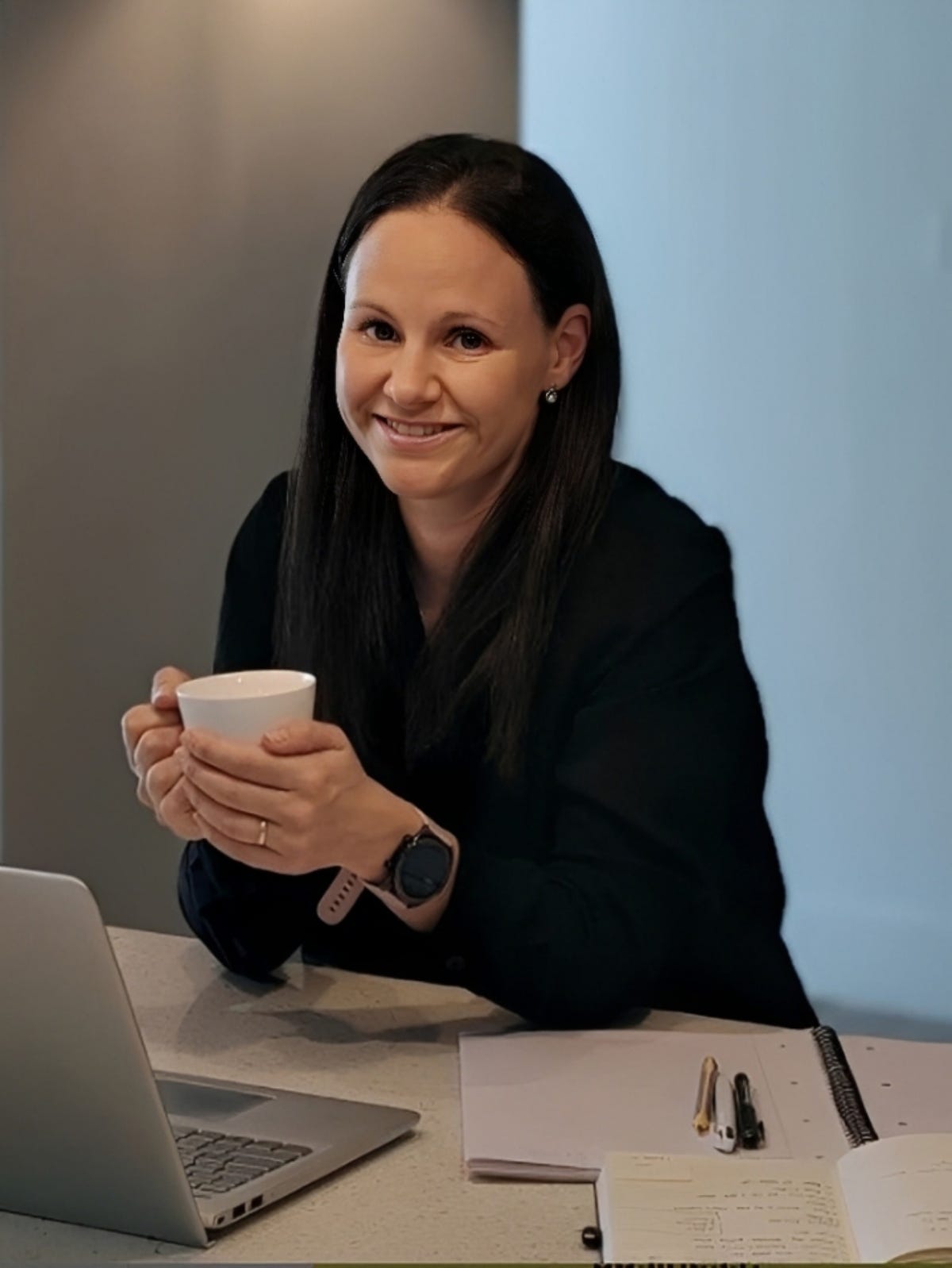
As a part of this series, we had the pleasure to interview Terri Brown.
Terri Brown is the founder of Terri Brown PR, a public relations company dedicated to helping authors, entrepreneurs and businesses gain the media coverage they deserve. With a passion for storytelling and building meaningful media connections, Terri specialises in raising profiles, increasing brand visibility and securing valuable publicity opportunities. Through a friendly, personal and results-driven approach, she helps clients share their stories, reach new audiences and get noticed.
Thank you so much for joining us in this interview series! I know that you are a very busy person. Can you tell us a story about what brought you to this specific career path?
I actually started my career as a teacher, but alongside teaching, I had a blog that I worked on in my spare time. What started as a creative outlet quickly grew into something I was really passionate about, and eventually I made the decision to leave teaching behind and focus on blogging full-time.
Through blogging, I had the opportunity to work with lots of different brands and PR professionals, which gave me a really interesting insight into the industry from the other side. I got to see first-hand what their roles involved and quickly realised how much I loved the creativity, strategy and storytelling behind it all.
Moving into PR felt like a really natural progression for me. I’d always loved creating content and telling stories, but I wanted to take that a step further and be part of shaping the stories brands were telling. I loved the idea of bringing brands, influencers and media together to create meaningful connections and make sure the right stories were being told, in the right places, to the right audiences.
Can you share the most interesting story that happened to you since you began at your company?
I think one of the most memorable moments for me actually came quite early on in my PR career. I’d only been working in PR for a couple of months and, although I was securing coverage for my clients, it was mainly in local publications. I started to have that little voice in the back of my head wondering whether I’d made a huge mistake changing careers and whether I was actually cut out for PR after all!
Then, within the space of just two weeks, everything changed. I secured coverage in Psychologies magazine for one client and a three-page exclusive feature in a really sought-after niche publication for another. Both were huge wins for the businesses involved, and I remember feeling an overwhelming sense of relief, excitement and pride.
It was one of those moments where something just clicked. I realised that I could do this, that I had good instincts for a story and that sometimes you just need to trust the process and give yourself a little time to find your feet.
Since then, I’ve never really looked back. Of course, PR still comes with its challenges, but that experience taught me a lot about backing myself, being persistent and remembering that the biggest wins often come just when you’re starting to doubt yourself!
Can you share a story about the funniest mistake you made when you were first starting? Can you tell us what lesson you learned from that?
This was also very early on in my PR career, when I naively thought that PR would work pretty much the same way for every business. And while the basic principles are the same, I quickly discovered there’s a lot more to it than that!
One of my very first clients was actually a storm chaser. Now, I’ll be the first to admit that I knew absolutely nothing about storm chasing or the industry, but I was enthusiastic and determined to get him some great coverage.
I managed to secure a feature about the impact of storms on mental health in one of my favourite wellbeing magazines. It was a really interesting article, it mentioned his business and even included a link back to his website. I was absolutely thrilled with myself and couldn’t wait to share the news with him.
The only problem? He wasn’t quite as excited as I was!
At first, I genuinely couldn’t understand why. In my mind, it was brilliant coverage in a very well known publication that I personally loved. But, of course, the people reading a wellbeing magazine weren’t necessarily the people looking for the services of a storm chaser!
It was a funny but really valuable lesson in the difference between securing coverage and securing the right coverage. Just because I think a publication is fantastic doesn’t mean it’s the right fit for a client’s business. The win needs to be for the client, not for me and my favourite magazines!
That experience really shaped the way I work today. I realised that rather than trying to be a PR for absolutely everyone, I would be much better focusing on industries I genuinely understand and enjoy. These days, I specialise in a few key areas: authors, health and wellbeing, and attractions and events. I’ve built strong media relationships in those spaces, which means I can be much more strategic about the opportunities I pursue.
I’m also much more selective about the clients I take on. I always do my research beforehand to make sure I understand their business, their ideal audience and what successful coverage actually looks like for them.
And perhaps most importantly, I’ve learned that a piece of coverage isn’t a success just because it looks impressive. It’s a success when it reaches the right people and makes a genuine difference to the client’s business.
Although I still think it was a pretty good article!
You are a successful leader. Which three character traits do you think were most instrumental to your success? Can you please share a story or example for each
1. Determination (or stubbornness, depending on who you ask!)
This is probably the trait that has played the biggest part in my success. When I left teaching to pursue a completely different career, I was determined to make it work. I think some people would probably describe me as strong-minded, or even stubborn, but once I’ve decided I’m going to do something, I don’t give up easily!
That determination has carried through into my PR. If one publication says no to a story, I’ll try another, and another. If a particular angle isn’t landing, I’ll go back to the drawing board and find a different way to tell it. I don’t see a rejection as the end of the road, just an opportunity to approach things differently.
2. Creativity and storytelling
I think creativity and storytelling have always been a big part of who I am, even long before I started working in PR.
When I was a teacher, I was constantly looking for new and creative ways to bring lessons to life, make subjects interesting and keep my students engaged. Then, as a blogger, I was doing something very similar, just for a completely different audience. I loved finding fresh ways to tell stories, promote brands and create content that would capture people’s attention and genuinely resonate with them.
Looking back, I think both of those experiences were actually the perfect preparation for a career in PR, even though I didn’t realise it at the time!
Those skills naturally carried over into my PR work, where so much of what I do is about finding the right story and telling it in a way that makes people want to listen. I love the challenge of taking a client’s business, product or expertise and finding a creative angle that will capture the attention of journalists and editors, and ultimately engage the readers when the piece goes live.
3. Independence and self-discipline
I’ve always been a very independent person, sometimes fiercely so! I’m more than happy working on my own, and I’m actually at my most productive when I’m sitting in my office in complete silence, getting on with everything I need to do.
I think there’s a bit of a misconception that working in PR is all glamorous events, exciting launches and nights out. And while those things can absolutely be part of the job, and they’re an amazing part of it, the reality is that they make up a very small percentage of what I actually do.
The majority of my time is spent working independently, researching stories, writing pitches, building media relationships, managing campaigns and making sure everything is delivered to a high standard and on time.
Being independent has meant learning to be incredibly self-disciplined. When you’re running your own business, there’s nobody standing over you making sure things get done. You have to be able to manage your own time, set boundaries, prioritise your workload and work to strict deadlines, often while juggling several different clients and campaigns at once.
What are some of the most interesting or exciting projects you are working on now?
One of the projects I’m most excited about at the moment is the launch of Torn Page, the debut novel from P.J. McCoy. It’s a book that’s been 40 years in the making, and I genuinely believe it’s going to be a huge success.
But as much as I’m excited about the book itself, it’s the incredible story behind it that really captures my imagination.
P.J. McCoy is making the transition from police officer to published author, finally bringing a story he’s carried with him for four decades to life. I think there’s something really special about that. It’s such a powerful reminder that it’s never too late to follow your dreams, reinvent yourself or finally do that thing you’ve always wanted to do.
For me, this is exactly why I love working in PR, particularly with authors. It’s not just about promoting a book or securing media coverage; it’s about finding the human story behind it and sharing that with the world.
Being part of P.J.’s journey, helping to introduce him and his novel to readers, and watching him achieve something.
Ok super. Thank you for all that. Let’s now shift to the main focus of our interview. For the benefit of our readers, can you help articulate what the different forms of PR are?
I think one of the biggest misconceptions about PR is that it’s simply about getting your name in newspapers and magazines. While media coverage is a big part of what I do, PR is actually much broader than that, with several different approaches to building a brand’s reputation and reaching the right audiences.
- Media Relations: This is traditional PR, building relationships with journalists and editors to secure coverage in newspapers, magazines, radio and other media outlets.
- Digital PR: This focuses on securing online coverage, building brand awareness and improving a business’s online visibility, often through valuable backlinks.
- Influencer PR: Working with bloggers, influencers and content creators to connect brands with their ideal audiences in an authentic and engaging way.
- Corporate PR: Managing a company’s reputation, communications and relationships with its stakeholders.
- Crisis PR: Helping businesses navigate difficult situations, manage negative publicity and protect their reputation.
- Event PR: Creating publicity and excitement around launches, events and experiences, often bringing together brands, journalists and influencers.
Of course, these areas often overlap, and a successful PR campaign might involve several different approaches.
For me, though, the most important thing to remember is that PR isn’t just about getting your name out there, it’s about getting your name in front of the right people.
A feature in a smaller, niche publication that reaches your ideal customers can be far more valuable than coverage in a huge national newspaper that doesn’t. Ultimately, good PR isn’t just about being seen; it’s about building credibility, telling the right stories and making a genuine difference to a business.
Where should a young person considering a career in PR start their education? Should they get a degree in communications? A degree in journalism? Can you explain what you mean?
I actually took a slightly unconventional route into PR. I studied psychology at university and then retrained as a teacher, so neither of my qualifications were directly related to the industry.
That said, both gave me so many transferable skills that I still use every day, from writing and creativity to communication, understanding people, managing deadlines and thinking on my feet. Everything else I’ve learned about PR has largely been self-taught, through research, experience, trial and error, and a lot of determination!
So, if someone is reading this and doesn’t have a degree in PR, journalism or communications, I really wouldn’t let that stop them. There are so many different routes into the industry, and I genuinely believe that passion, creativity and a willingness to learn can be just as valuable as formal qualifications.
However, for someone right at the beginning of their educational journey who already knows they want to work in PR, I’d definitely recommend considering a degree in public relations, communications, journalism or marketing. All of these can provide a great foundation in storytelling, media relations, writing and understanding audiences.
I’d also encourage them to get as much practical experience as possible, whether that’s through internships, work placements, blogging or creating content of their own.
You are known as a master networker. Can you share some tips on great networking?
My biggest piece of advice when it comes to networking is don’t try to sell, just focus on building genuine relationships. Take the time to get to know people, show an interest in what they do and, most importantly, keep in touch!
This is especially important in PR because things move so quickly. A journalist might not be interested in your story today, but in a few weeks or months they could be looking for exactly what you have to offer.
Having strong relationships with journalists and editors who trust you to bring them interesting, relevant stories can make all the difference.
For me, great networking isn’t about how many contacts you have, it’s about the quality of the relationships you build. Be genuine, be helpful and don’t only get in touch when you need something. You never know when a connection might turn into a fantastic opportunity!
Lead generation is one of the most important aspects of any business. Can you share some of the strategies you use to generate good, qualified leads?
Instagram has actually been one of my most valuable tools for generating leads, but probably not in the traditional way people might expect. I use it to build genuine relationships with people, businesses, journalists and editors, particularly within my local area and the industries I work in. I follow accounts that genuinely interest me and interact with content that entertains me, inspires me or aligns with my own values and interests.
I’m not constantly trying to sell my services or turn every interaction into a business opportunity. Instead, I focus on being visible, supportive and building authentic connections.
Over time, those relationships naturally lead to conversations, recommendations and enquiries from people who already have a sense of who I am and how I work.
Based on your opinion and experience, what are your “5 Things You Need To Create A Highly Successful Career As A Public Relations Pro” and why. (Please share a story or example for each.)
1. Creativity — Finding the story nobody else has spotted
I think creativity is one of the most important skills you can have in PR. It’s not just about being a good writer, it’s about being able to look at a business, product or person and find a story that will genuinely interest journalists and their readers.
My background in teaching and blogging has definitely helped with this. I’ve always loved finding different ways to tell stories and engage an audience. Sometimes the best PR opportunities come from something a client mentions in passing that they don’t even realise is newsworthy. Being able to spot those opportunities and turn them into compelling stories is what makes PR so exciting.
2. Thick Skin — Learning not to take rejection personally
If there’s one thing you need in PR, it’s a thick skin! You will get far more no’s than yeses, and quite often you won’t get a response at all. When I first started out, I found this quite difficult. I’d spend ages crafting what I thought was the perfect pitch, only to hear absolutely nothing back. But I quickly learned that rejection isn’t personal. Journalists receive hundreds of emails, and sometimes your story simply isn’t right for them at that moment. The important thing is not to give up. If one publication isn’t interested, try another. If an angle isn’t working, find a different one. Some of my biggest wins have come from simply refusing to give up on a good story.
3. Independence — Being able to motivate yourself
I think people sometimes imagine PR as a career full of glamorous events, launches and networking, and while those things are definitely part of it, the reality is that a huge amount of the work happens behind the scenes.
You need to be comfortable working independently, managing your own time and meeting strict deadlines without someone constantly checking up on you. Running my own PR business has taught me just how important self-discipline and organisation are. Nobody else is going to make sure everything gets done, so you have to be able to motivate yourself and take responsibility.
4. Being Reactive — Knowing when to jump on an opportunity
PR moves incredibly quickly, and sometimes the best opportunities are the ones you couldn’t possibly have planned for. You need to keep up with what’s happening in the news, spot relevant stories and be able to react quickly when something connects with your client’s business or expertise.
For example, if a major news story breaks around mental health or wellbeing, I might immediately think of a client who could offer an interesting expert perspective. Being able to recognise that opportunity, put together a relevant pitch and get it in front of the right journalist while the story is still topical can make all the difference.
Sometimes you have days where you’ve planned exactly what you’re going to do, and then one breaking news story changes your entire schedule. That’s just part of PR, and I actually love that unpredictability!
5. Building Genuine Relationships
I really believe that relationships are everything in PR. You can have the most amazing story in the world, but if you don’t understand the journalists you’re pitching to or the audiences they write for, you’re going to struggle.
I spend a lot of time building genuine connections with journalists, editors and people within the industries I work in. Not just contacting them when I need something, but taking an interest in their work, engaging with their content and understanding the types of stories they’re looking for.
I’ve found that sometimes a journalist won’t be able to use a story I’m pitching, but because we’ve built a good working relationship, they might come back to me weeks or months later looking for something completely different.
For me, that’s what good PR is all about. It’s not just about securing one piece of coverage, it’s about building relationships and a reputation that will continue to create opportunities for years to come.
Because of the role you play, you are a person of great influence. If you could inspire a movement that would bring the most amount of good to the most amount of people, what would that be? You never know what your idea can trigger. :-)
If I could inspire a movement, it would be one that encourages people to believe it’s never too late to follow their dreams or start a new chapter in life.
I know first-hand how daunting it can be to change direction. I left a secure career in teaching to pursue blogging and eventually found my way into PR. It wasn’t always easy, but I’m so glad I took that leap.
Now, through my work, I get to meet people with incredible stories, like one of my current clients, P.J. McCoy, who is publishing his debut novel after 40 years of dreaming about it.
I’d love to encourage more people to stop letting age, fear or self-doubt hold them back and give themselves permission to try something new.
Because I genuinely believe it’s never too late to rewrite your story, and you never know how wonderful the next chapter might be!
This was really meaningful! Thank you so much for your time.