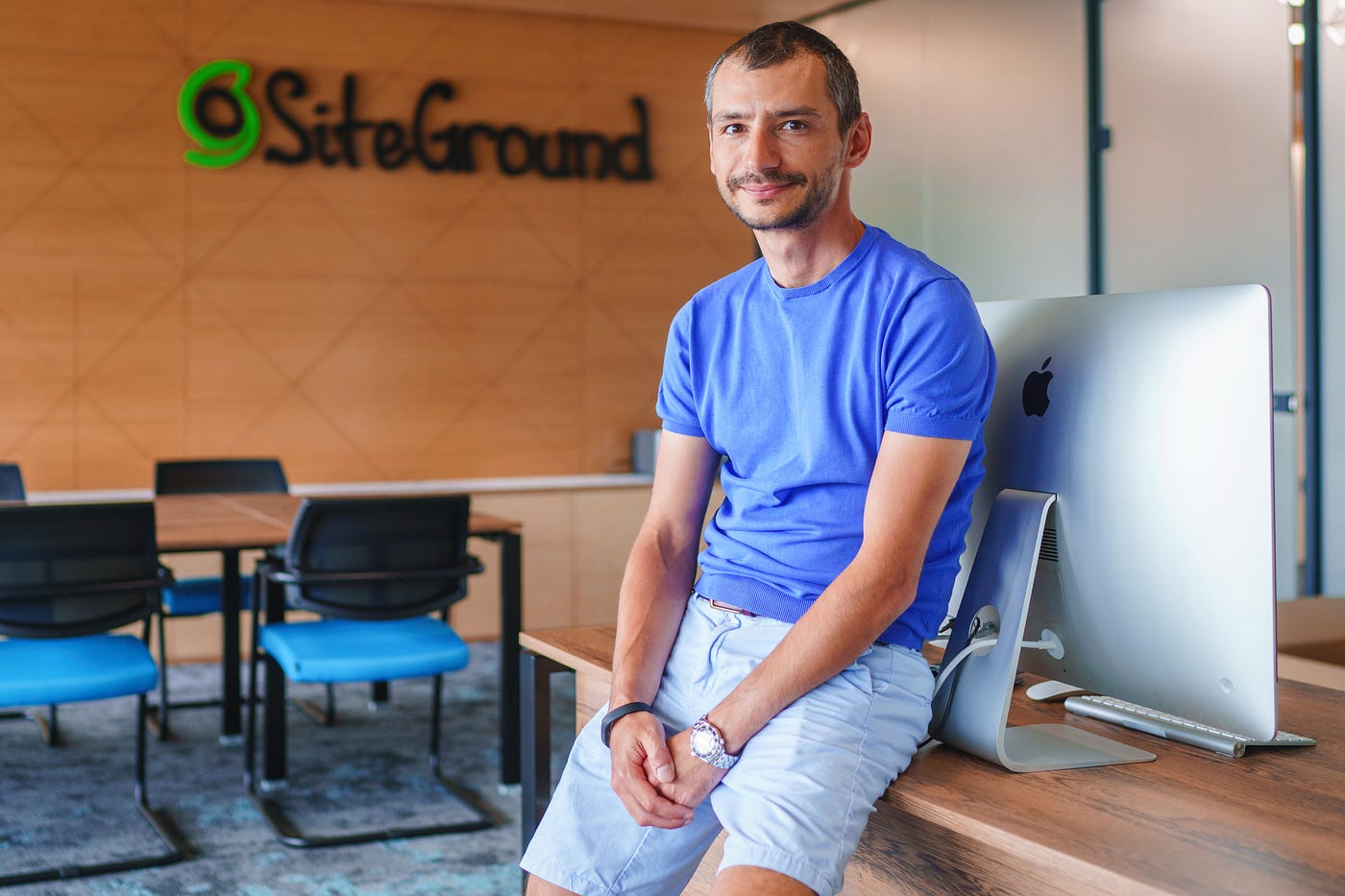
When you are passionate about your work and you are ready to work hard and do it well, it always shows.
5 Things I Wish Someone Told Me Before I Became the CEO of SiteGround
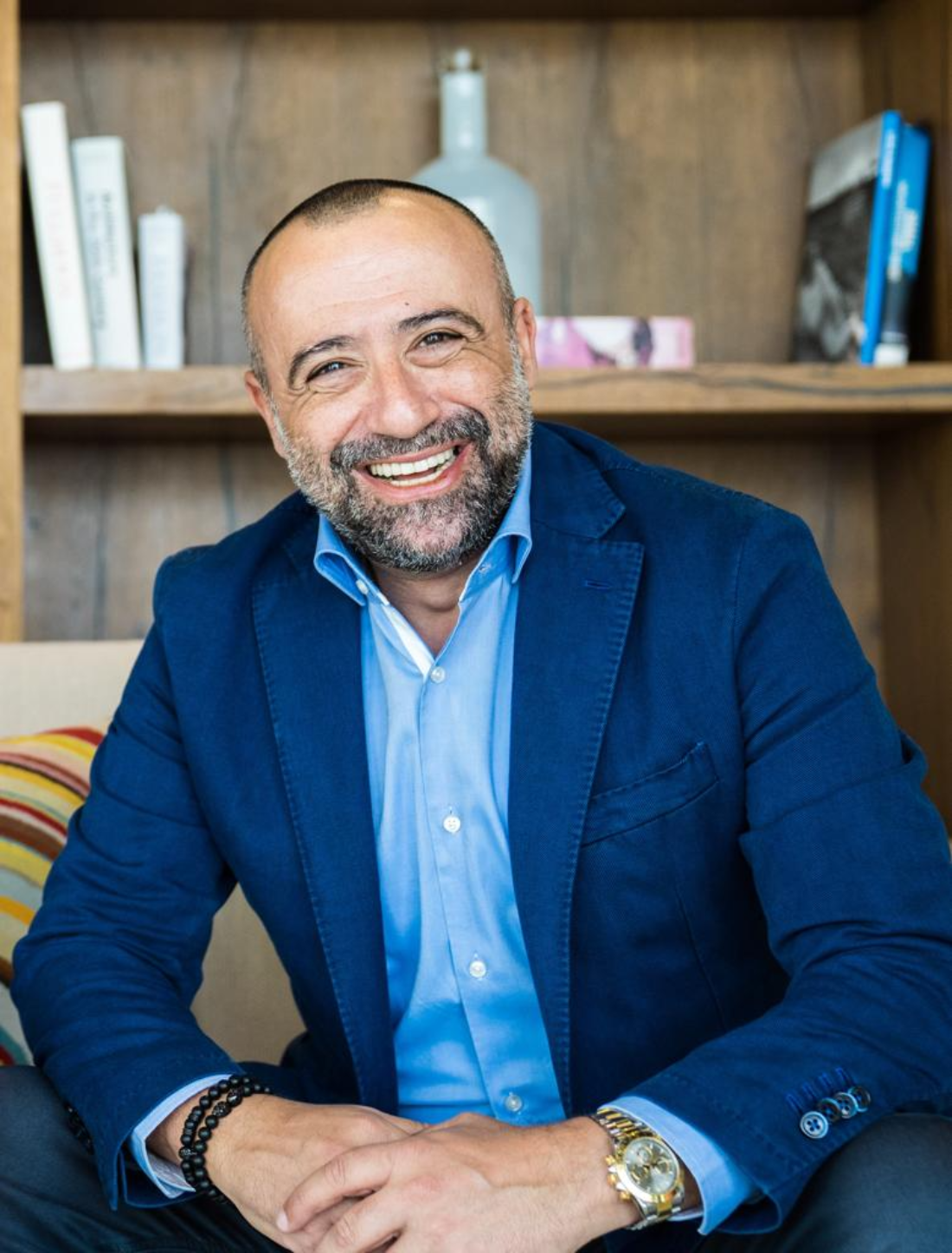
Tenko Nikolov is the CEO of SiteGround, one of the leading independent website hosting companies worldwide. Founded in 2004, it now hosts more than two million domain names in multiple datacenters around the world. With over 16 years of experience in the hosting industry, Tenko has been successfully managing and overseeing SiteGround’s development to date. Joining the company at its very beginning, he started as a Support Team member, then became VP of Technology and soon after that was appointed as CEO. His vision and leadership skills helped establish SiteGround as one of the most technologically-advanced and reliable privately-owned hosting companies in the world. SiteGround is one of the only three hosting providers, and the only European-based one, to be officially recommended by WordPress.org, the software that powers 37 percent of all websites on the Internet. As CEO of SiteGround, Tenko is not only actively involved in the business success of the company, but was also a key factor in establishing it as a people-centric and happy place to work at.
Thank you so much for joining us! Can you tell us the story about what brought you to this specific career path?
My interest in technology started well before I was even thinking about a career. When I was around seven years old, my grandfather bought me my first computer and I was fascinated by it. I started spending literally all my time exploring it. Technology turned into my passion and I started developing my tech skills through the years, parallel to my studies. I come from a family of lawyers, so even though I naturally followed their path in my education, I was always drawn to IT and computers.
As soon as I got accepted into law school, I started looking for a job because I wanted to combine both studying and working. I started as a technical support agent at an internet service provider, which was right what I needed at that time because I worked night shifts, and that allowed me to attend classes regularly during the day. I joined SiteGround in my second year at university, a few months after the company itself started. At the time we were just a handful of people, all young and enthusiastic to build the products and services that we would like to use, but at the time were either non-existent, or too expensive for anyone outside of a large corporation with a huge budget. So we wanted to change that, make high-end web hosting technology accessible to everyone - in an environment where you feel like working with friends.
Even though I wasn’t part of the founding team of SiteGround, and joined shortly after, I really liked their enthusiasm, and was certain I wanted to be part of that team, however small at the time. Today, 16 years later, we have over 600 people in four offices, and it’s absolutely amazing watching a company and a business unfold like that before your eyes.
Can you share one of the major challenges you encountered when first leading the company? What lesson did you learn from that?
Within the first year, we were focused on building the product itself. It was still the early days of the web, and the hosting industry was a highly-dynamic field, we had tens of thousands of competitors. Apparently, starting a web hosting company seemed easy enough to most people. But starting is one thing, doing it well is another, and developing it through the years a totally different matter.
We were a team of no more than 10 people, located in Europe, when most of our competitors were in the U.S., and were part of big companies with huge budgets. In order to stand out, we had to find our unique differentiator, and work twice as hard. There were three things we truly believed from the beginning and they ended up incorporated in our company DNA; building everything in-house, using technology to innovate where others give up, and doing it all with care and attention. These became, and still are, our core values. Web hosting was our craft, and we approached it like true craftsmen. When you are passionate about your work and you are ready to work hard and do it well, it always shows. Two years after we started, SiteGround became a recognized name in the hosting sector. Of course, this meant the challenges were just getting started.
What are some of the factors that you believe led to your eventual success?
To make themselves distinguishable, hosting providers usually spend a lot of money on marketing. That wasn’t an option for us - we just didn’t have that kind of budget. And marketing without a solid product to back it up is just not something that we believe in. So we focused our efforts on what we do best - building really good services. We raised the bar of what was possible in our industry, by innovating through very hard work. And suddenly, people were talking about SiteGround. Our customers started sharing their feedback with others. In the first couple years, around 90 percent of our sales came from word-of-mouth marketing.
In short, we try to take the unbeaten path in everything we do. We were one of the first in our field to start leveraging SEO and content marketing tactics before that was even a thing. We started writing helpful content for all things hosting-related and publishing it for free. Then we started designing our own free website templates, publishing guides, tutorials, and webinars featuring industry leaders. These are common practices now, but they weren’t at the time over 10 years ago. Almost no other company was paying attention to content and it helped us gain a loyal following and a solid client base.
We also started supporting open source software and communities. At first we offered free hosting to one of the most popular website-building softwares at the time, Mambo. We tapped into other CMS, and WordPress, especially, and started optimizing and building services especially for them - long before the term Managed WordPress Hosting came around. For years we attended, sponsored and spoke at hundreds of events worldwide. Meeting people face to face was an excellent way to connect and engage with communities and like-minded professionals and build a long-lasting relationship with clients and partners. We might work in IT, but still, nothing beats human connection. Even though with the current situation event organization is harder than ever - getting online and taking the time to chat with clients and partners or the people you work with, is priceless.
What are your “5 Things I Wish Someone Told Me Before I Became CEO”? Please share a story or example for each.
Even if they did tell me, I would probably not have listened. I usually do the opposite of what anyone says. It’s one of the traits I also share with my managing partners at SiteGround, so we’re a great bunch of underdogs. For example, no other company in our field sets out to build their own control panel, when they can simply use a third-party one. But we don’t like being dependent on third-party software and having to think about work-arounds to make it work the way we’d like it to. So we invested three years of our best dev people into this project. We believed it was the right thing, so we did it, regardless of how crazy everyone thought it was. Now that our Site Tools web hosting control panel is live, and works according to the needs of our clients much better than the standard setup, we have other companies asking us if they could buy and use it.
We built our own office building, when we could have easily rented one - it’s just that we like to do things our own way. And it’s usually the best way for us.
To answer your question, I don’t think there’s a way to prepare yourself for how hard it can be to be a CEO - the responsibility, the constant decision-making - it’s all on you, and there’s really no break. When there’s a problem, there’s a problem, and you need to take action, sometimes very quickly. But another thing I’ve learned is that nothing is impossible, only very hard.
What advice would you give to your colleagues to help them to thrive and not “burn out”?
Surround yourself with people smarter than you. When you have allies and you’re headed in the same direction, progress is always easier, even if people think your goals seem impossible.
None of us are able to achieve success without some help along the way. Is there a particular person who you are grateful towards who helped get you to where you are? Can you share a story?
Overall, I’m a very optimistic person and I enjoy solving problems, so a good challenge motivates me, rather than discourages me. But, when faced with adversity, the one thing that keeps me going is my family and the people I surround myself with, the SiteGround team included. They support me in all I do and are my biggest inspiration - we’ve been friends working together for over 16 years now, most of the core team that started out in 2004 are still at the company and we work head to head every day. We were still kids ourselves when we started, and our kids play together now in the SiteGround Kids corners in our offices - nothing beats that.
What are some of the goals you still have and are working to accomplish, both personally and professionally?
We’ve always believed in taking care of people - be it the people we work with, the people in our community, or the people using our services. But the world today is so dynamic, that it’s a never-ending process.
For example, just when we accomplished another big goal - moving into our own office building, opening our own company-operated restaurant with our own teams of chefs to prepare fresh and healthy food for everyone in the office for free every day, our own kids corner for colleagues to bring their children, etc. - the pandemic happened, and we were forced to go back to square one and adapt super quickly. Fortunately, we switched into an entirely remote mode in a little less than two weeks. And while most companies would think about reducing team costs - we decided to use this time to improve and add new office facilities, like our own fitness floor and event spaces. A month into the pandemic, we re-opened our restaurant and started food deliveries to help our employees handle working from home better. Now we cook for free, not just for our team, but their families as well. If you’re two working parents with kids at home, it could be a great relief knowing that you don’t have to also plan to do the cooking.
So yeah, this will always be a work in progress, there is always something new that we can do to make people feel happier and better at work, be it in the office or at home. Same goes for our clients - we’re always thinking about the next thing, always raising the bar of our services.
What do you hope to leave as your lasting legacy?
Our goal, ever since we started out, was to empower small businesses and individuals to build and manage their online presence and business more easily, regardless of their skill level. We’ve definitely made a lot of progress, and made website launch, collaboration, and management much easier than it was, say 10 years ago. But I’m excited to see where we can take it in the next 10 years, and the next 10 after that. I’d be happy to see everyone doing business or using the web to help them not just make a living, but thrive without having to worry that it’s too complicated, or not for them - because there’s no such thing.
You are a person of great influence. If you could start a movement that would enhance people’s lives in some way, what would it be? You never know what your idea can trigger!
I myself, and the SiteGround team as a whole, are firm believers in the green idea and that we need to take care of our environment just as well, if not even better, than we do for ourselves. It starts with the little changes each and every one of us makes in our daily lives. So we tried to make that easier for SiteGround employees to do - we set up free electronic car charging stations in the office and bought company electric cars and bikes for the team to use when they need to run errands around the office or before/after work. Overall, I truly believe in using technology as a force for good, and we’re just getting started in areas that it can help us make tremendous progress - like medicine, food production and supply, etc. Using technology to power positive change in our everyday lives , and ultimately, the world, is something that I strongly believe in and advocate for.