My parents always supported each other’s careers and aspirations and that support system between my parents was directly passed down to my brothers and me.
Business
Kathryn Kaminsky of PwC: How Embracing Unfamiliar Challenges and Unconventional Career Paths Builds Executive Leadership
The Vice Chair of US Trust Solutions shares how her history background led her to accounting and how embracing discomfort fuels career longevity.
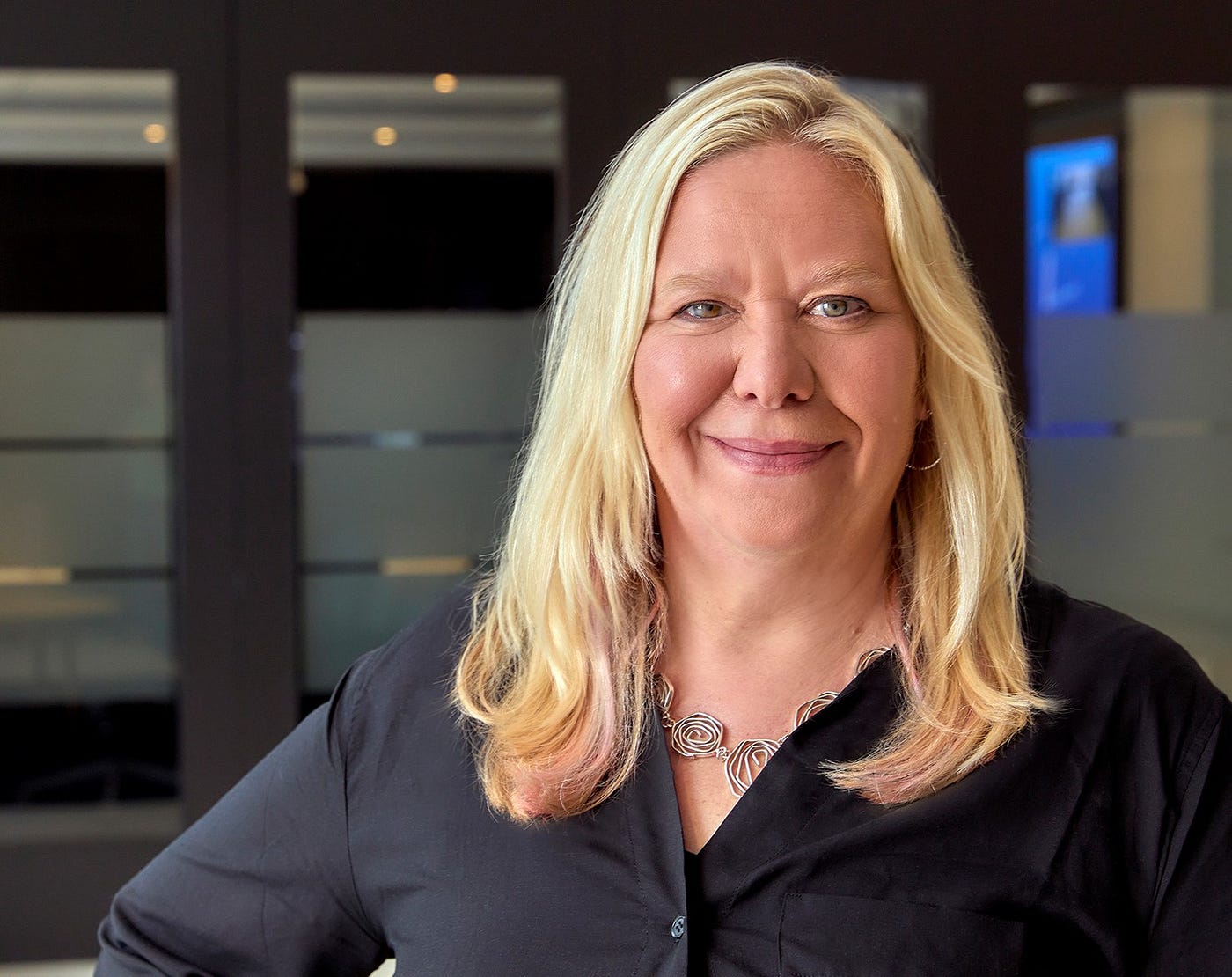
In the United States in 2022, fields such as Aircraft piloting, Agriculture, Architecture, Construction, Finance, and Information technology, are still male-dominated industries. For a woman who is working in a male-dominated environment, what exactly does it take to thrive and succeed? In this interview series, we are talking to successful women who work in a Male-Dominated Industry who can share their stories and experiences about navigating work and life as strong women in a male-dominated industry. As a part of this series, we had the distinct pleasure of interviewing Kathryn Kaminsky.
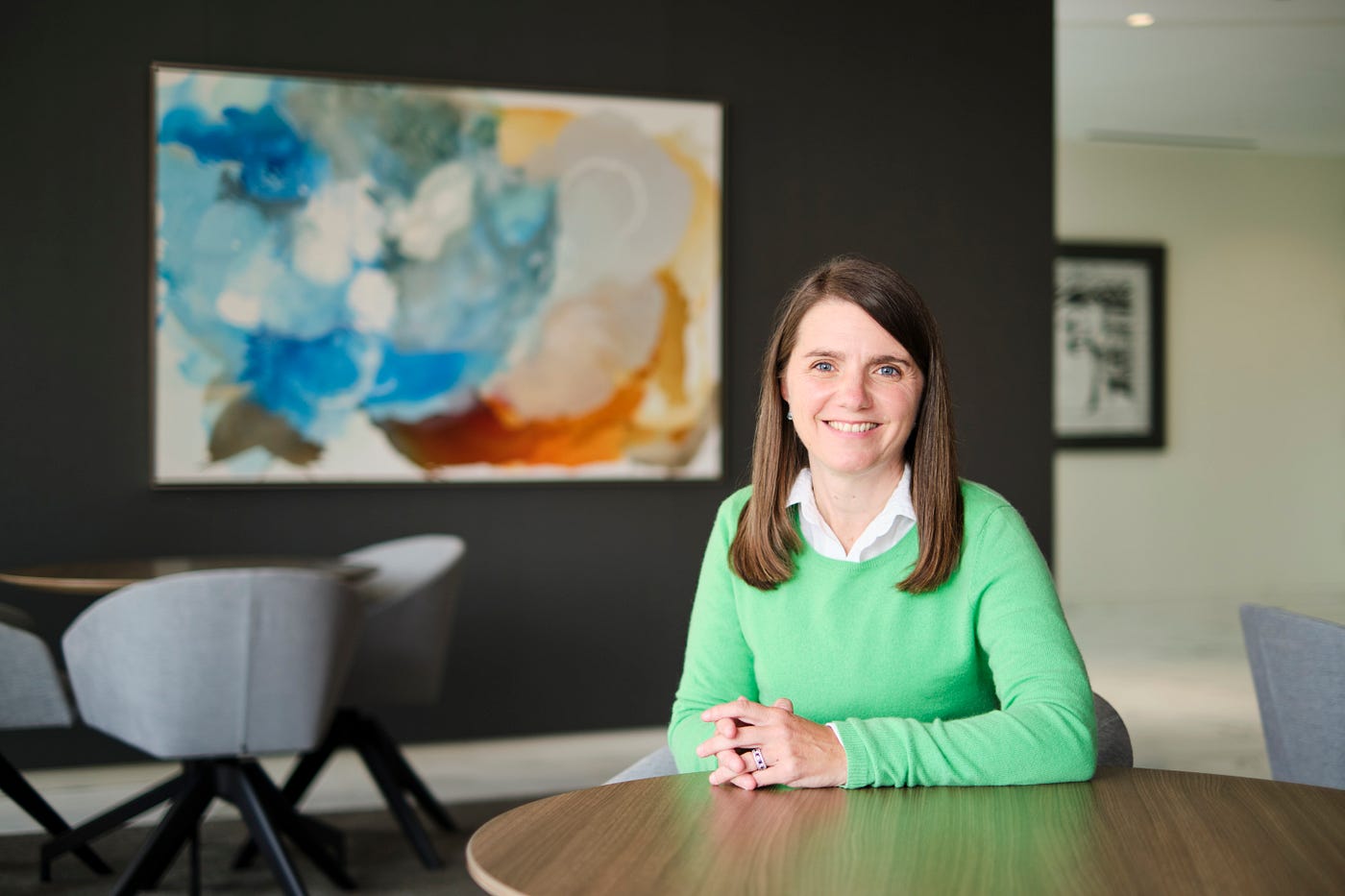
Kathryn Kaminsky is the Vice Chair — US Trust Solutions Co-Leader at PwC, where she oversees the firm’s Trust platform that helps clients tackle their biggest challenges while also working to grow their business. Kathryn loves to work with clients to shape and deliver on their strategic vision and meet the needs of their stakeholders and customers. She is also a fiercely dedicated mentor to female and diverse professionals both within the firm and beyond.
Thank you so much for doing this with us! Before we dig in, our readers would like to get to know you a bit more. Can you tell us a bit about your childhood “backstory”?
The Kaminsky family doesn’t quit. That’s our family motto and it’s something my parents worked to instill in my older brothers and me. I’m lucky to have grown up with a very supportive family. As early as I can remember, both of my parents worked full-time, my father was a doctor and my mother was an entrepreneur who started her own business focused on leadership consulting, strategy and training. My parents always supported each other’s careers and aspirations and that support system between my parents was directly passed down to my brothers and me.
Throughout my childhood, I always had some sort of summer job — from being in an office, to a grocery clerk to a camp counselor. I managed to stay busy. And even outside of the summer months, I spent time typing up invoices while I helped my mother with my father’s medical practice. I still remember the typewriter dinging each time I misspelled something! But this childhood pastime ended up fueling my passion for business.
Can you tell us the story about what led you to this particular career path?
One summer, I spent two months working at Corel. That experience got me interested in accounting because during my time there I saw directly how much the numbers of the business mattered to the day-to day-operations, and ultimately helping customers. I think this is also where my passion for client service began!
Eventually, summer ended and I returned to my classes at the University of Western Ontario, the college I attended in Canada. Coopers and Lybrand (which eventually merged with Price Waterhouse in 1998) was recruiting at my school. It was my last year in college, I had never taken a single accounting course. In fact, I was a history major. But one day I went into the career counseling office, saw the recruiting sign for Coopers and Lybrand specifically for arts and sciences students, and I took my chance and applied.
Somehow, despite not having any accounting credits, I got the job and started my work at Coopers and Lybrand while also continuing to juggle my schoolwork. As I like to say, in many ways, I didn’t really choose accounting — accounting chose me. But I believe my unique and rather unconventional education background has allowed me to bring a different perspective and critical thinking to the profession — like many others who join the profession with non-conventional backgrounds.
Working was tough at first because I was both a student and an employee at the same time. There were hard moments but I truly did like the job and I continued digging in and staying committed to both work and my coursework.
After I graduated, I eventually moved to New York City from Toronto. I’ll be honest…I moved to be closer to my boyfriend, an inspiring investment banker. The relationship didn’t work out, but I was still pursuing my own career dreams at what is now PwC. Beyond my wildest expectations, New York City has remained at the center of my career. I’ve gone on to serve as the managing partner of PwC’s New York office during the height of the pandemic and also as the global relationship partner for one of our largest, global banking clients headquartered in New York. Both of these experiences have shaped the person and professional I am today. I never could have imagined it, but coming to New York City for personal reasons created a pretty good professional outcome for me!
A pivotal moment in my early career at PwC was when I was brought in to assist on a big project understanding the intricacies of several objectivity issues after a client completed a merger. It was a difficult, time-consuming project and also intimidating because I was the most junior employee alongside several senior partners. However, it was an incredible learning experience and again my understanding of the implications of accounting to business was stretched! But the challenge made me really fall in love with the profession and convinced me to cement my career path in the accounting field.
Can you share the most interesting story that happened to you since you began your career?
I had a north star pretty early on and it was to sign the financial audit for one of PwC’s largest clients.
Way before the opportunity was imminent, I made it my goal to lead this account and be the lead relationship partner for the client. I approached getting the role by working backward and thinking through the characteristics needed to lead a large client project like that. I knew building relationships would be fundamental, but it was also important to have the business expertise needed. At the time, I was working mostly with clients in asset and wealth management, so I decided to take a step back to learn everything I could about banking, which would be critical when working with the client I wanted to sign.
The hard work paid off, and the experience taught me one of the most valuable lessons of my career — learn how to be comfortable with being uncomfortable. It was a nerve-racking experience, but through it all I made sure to never let my guard down and always acted with confidence. The ability to get used to being uncomfortable is critical. No one knows all the answers. Forcing myself to get used to that level of discomfort and learning to embrace it has been key to not just winning new projects but instilling confidence in myself and my team. It’s also okay to not have all of the answers and to say so, but it’s always important to take accountability for finding the answer.
You are a successful business leader. Which three character traits do you think were most instrumental to your success? Can you please share a story or example for each?
When I think about what it takes to be a successful business leader a few traits come to mind quickly:
1) Technical and business acumen is vital to developing business and creating value as a leader. You MUST have the right expertise to do what you do, and you must remain intellectually curious to stay on top of, or ahead of trends not only in your field but broader to the issues most relevant to those you serve. Being ahead of my game technically is one of the attributes I knew I needed to be given a seat at the table. Afterall, being an expert within your field of work is important.
2) Relationship management is critical for both employees and clients. I learned many things during the COVID-19 pandemic, but perhaps one of the most important realizations I had was the importance of our relationships. I leaned on these relationships and connections I had with colleagues to face the challenges the pandemic brought to the business and my personal life. If I had not invested in these relationships throughout my career, this life-changing experience would have been even more challenging!
3) Authenticity and empathy are important when leading a team. I strive to ensure my colleagues know that I try to understand what it’s like to walk in their shoes. I want them to know I will be with them in the trenches to help them figure out and solve problems. This is even more important today as a recent PwC survey on trust showed that consumers and employees rank ‘treating employees well’ as one of their top priorities to earn trust with a business. Ultimately, being authentic to who I am and leading with empathy is not just a good leadership tactic, it’s a critical life skill that helps build trust with people. This is sometimes as simple as asking someone how they are doing and then really listening to the answer.
Ok, thank you for that. Let’s now jump to the primary focus of our interview. Can you help articulate a few of the biggest obstacles or challenges you’ve had to overcome while working in a male-dominated industry?
One question I always wondered was if I was getting the same feedback or advice that my male colleagues would give their male team members, and so I made sure to ask for feedback throughout my career. What comes with this is having the fortitude to take the feedback and act on it, not dwell on it and let it diminish your spirits. It’s not about being treated the same as men, it’s about clawing away at those unconscious biases that exist.
Direct, honest feedback can be intimidating to receive. Especially in a male-dominated industry, receiving that feedback in real-time alongside your coworkers can make you feel singled out. But I have always tried to embrace feedback and make myself a better employee because of it. Feedback is a gift.
Can you share a few of the things you have done to gain acceptance among your male peers and the general work community? What did your female co-workers do? Can you share some stories or examples?
Oftentimes, women have to work harder to prove themselves, and what I’ve learned from my career is that acceptance comes when you prove you have the technical skills needed to do the job. In the accounting industry, there is a very particular skill set needed to thrive. A woman’s seat at the table is just as important as anyone else’s, and we can demonstrate this to our peers by bringing technical expertise, relationship management and having the ability to speak up and challenge things when needed — which isn’t always easy to do. If you demonstrate that you know your stuff, that you really can navigate the ins and outs, then you’ve earned your position regardless of your gender.
There was a point in my career when I had to make a decision that would impact not only my life at PwC, but my personal life as well. We were living in New York and I was on track to meet many career goals. My husband was offered his dream job, which happened to be in California. It was clear to me that the location I worked in would make a difference to getting my dream client, a major bank. It took a lot of soul searching and deep conversations with my husband and mentors. We considered the needs of our children, my husband’s professional career and my aspiration to continue pursuing my career, and ultimately, we made the decision to move to California, which meant I would commute every week between California and New York.
It was a commitment I made for over seven years, but the sacrifice to fly across the country every week let me achieve my professional goals, while ensuring that it was in fact possible to spend time with my family. It wasn’t easy, it was messy and complicated at times, but I made it work.
What do you think male-oriented organizations can do to enhance their recruiting efforts to attract more women?
Male-oriented organizations are only male-dominated if we continue to let them be. I believe that being deliberate and shining a light on the demographics of an organization, while also making firm, hard and achievable commitments to diversify are key ways to change the stereotypes of certain industries being male-oriented. This will take determination from both the men AND the women.
Once the first female cracks the glass ceiling at an organization and takes a position of leadership, her visibility might be enough to inspire and pave the way for many more females to assume similar positions.
Here at PwC, I was proud to help roll out the firm’s first-ever Purpose & Inclusion report, which outlines the firm’s public goals around diversity, equity and inclusion to create a more equitable workplace. The report is now an annual fixture showing PwC’s efforts to diversify the workforce and hold ourselves accountable to not only our people, but to the public. It shows what we are doing to both recruit more females across the firm and also put more females in positions of leadership. I often say “look at the numbers” or “find me the latest stats” because the transparency and honesty in these reports are what hold PwC’s feet to the fire to create measurable change. Each one of us needs to take personal responsibility to always ask questions and think differently.
This year, I was also thrilled to help lead the launch of PwC’s reimagined people experience, called My+, which is centered around choice and flexibility, and tailored to support development, well-being, purpose and personal ambitions.
This new strategy gives PwC’s people the power to build personalized careers, from choosing the types of assignments they work on, to the hours they work, to where they work and the benefits they need. These types of changes enhance the employee experience — not just for women but for all employees. It’s expected it will help with our recruiting efforts, while also boosting our work to retain the people we have.
Organizations can’t adopt a one-size-fits-all approach with their employees. Providing work arrangements that are flexible and offer choice, which PwC’s strategy strives to do, ultimately helps to create a more inclusive workplace. A more inclusive workplace helps build a more diverse workforce by meeting the unique needs of each individual. And, it’s good for business results, the positive impact goes beyond being altruistic.
Ok thank you for all of that. Here is the main question of our interview. Based on your opinion and experience, what are the “Five Things You Need To Thrive and Succeed as a Woman In a Male-Dominated Industry?” (Please share a story or example for each.)
- Expertise. Being the biggest expert in the room in your area of work builds trust and helps gain the respect of colleagues. But you have to flaunt that expertise, be vocal and share what you know. For instance, I started my career in asset and wealth management and then moved over to banking to train and become a top-notch banking technician. Even being considered potentially regressive, I knew it was important to help ensure I had the well-rounded skill set I needed to succeed in my career.
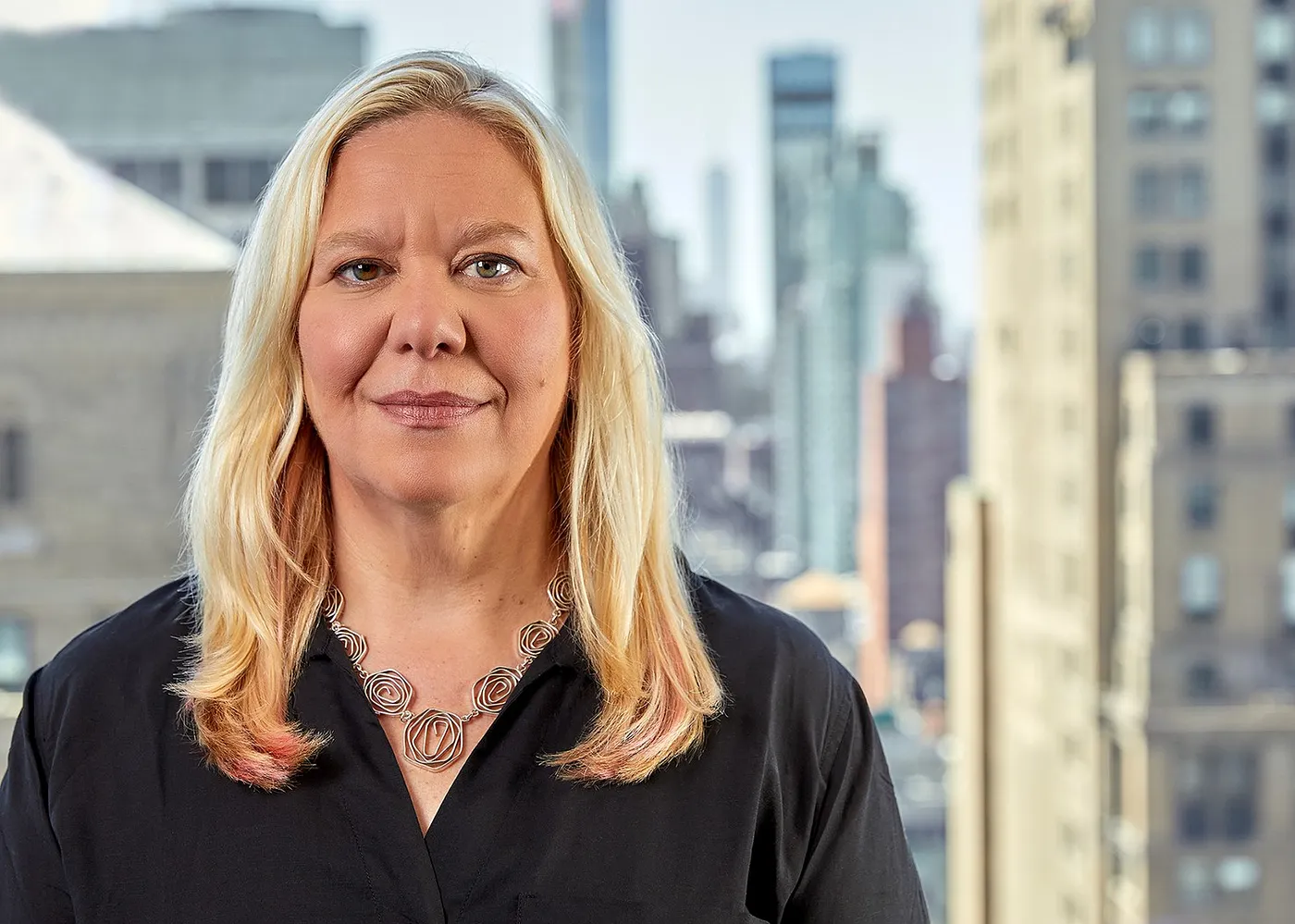
- Having authenticity and staying true to yourself. This one is simple to me — you need to show up as your whole self every day and give people the respect to do the same. I went through a period of my career where I had three boys under the age of two — it was a lot to juggle and I needed to be honest with what was going on at home to be my best at work. And this is important beyond big things like parenting. Every so often I will show up with some pink or purple in my hair, while this might be a bit unexpected, it is me!!!
- Using your unique skills to your advantage. Everyone has strengths in certain areas that you can capitalize on in your career. One of my skills is the ability to talk to anyone about almost anything. My parents always encouraged my brothers and I to be curious about people, to ask questions, to listen and to also formulate and express our own opinions. This skill, developed around the dinner table in childhood, has really helped me build relationships with colleagues and clients throughout my career.
- Confidence. Even if it’s simply a portrayal of confidence, it’s important to be able to speak up when you need to and show you aren’t intimidated even when you don’t have all the answers. A time when confidence was key in my career was when I worked to sign one of PwC’s biggest clients. It was a complex and difficult engagement, and I had to constantly work to prove I was well equipped enough not only to handle the workload but to also deliver impactful results. Many times I didn’t have all the answers, but persevering and never wavering in my commitment mattered. My confidence (and the ultimate delivery) won the client’s trust and as well as the trust of my colleagues.
- Having thick skin. It’s important to be able to meet challenges and criticism. I was put in an out-of-the-box key leadership position not that long ago to lead a big part of our business that I personally had not spent direct time in. I had to get over a lot of perceptions and likely objections before even taking my first step. I know what people were thinking (and saying) and I needed to be able to push through that emotional aspect in order to prove I was not only capable, I was in fact qualified!
If you had a close woman friend who came to you with a choice of entering a field that is male-dominated or female-dominated, what would you advise her? Would you advise a woman friend to start a career in a field or industry that’s traditionally been mostly men? Can you explain what you mean?
First of all, I would tell my friend to be herself. Pursue your career aspirations and go into the field of your choice no matter if it’s male or female-dominated. What’s key is working to bring others along with you to make the industry less dominated by a certain gender or demographic. I refuse to believe that just because an industry is known to be male or female-dominated means that it has to stay that way forever. No way!
As leaders, we also need to help the next generation — we’re still not where we need to be and a part of getting there is speaking up and pointing out glaring flaws and disparities. Leaders have to take action and remain transparent and accountable for any discrepancies. This is something I work towards at PwC as a partner sponsor, sponsoring and mentoring diverse individuals and coaching them through the journey to become partners. We need more leaders within our organizations to lift up and help those from diverse backgrounds achieve positions of power. It’s ultimately today’s current leaders that have the power to drive change. And, it’s not just about speaking up, it’s also about following through. It’s important to remember this is an everyday thing, and not just for the big moments — it’s the small moments that will really add up to make a difference.
Have you seen things change for women working in male-dominated industries, over the past ten years? How do you anticipate that it might improve in the future? Can you please explain what you mean?
I do think things have changed, and part of that is because we as a society have changed our expectations to not only view men as just spouses and employees but also as fathers. Additionally, parental leave, specifically paternity leave, encourages gender equality — there’s now an expectation beyond just women taking time off work to have and care for their children. More and more organizations are encouraging men to also take time to bond with their children while also expanding the benefits provided to mothers who are expecting. Trust me — there’s still plenty of work to be done, but the barriers are slowly breaking down. This is just one example, but one that I think makes a big difference.
I’m proud that PwC has changed with the world around us, too. I mentioned it earlier, and because I believe so strongly in it, I’ll mention it again — My+ is a great example of how we can listen to our people’s needs and commit to investing in them and giving them the power to build personalized careers. We all have families and lives with different needs and being able to choose the types of assignments worked on, hours worked, the place where you work and the benefits needed helps attract diverse talent while fostering the ability to have work-life flexibility.
We are very blessed that some very prominent names in Business, VC funding, Sports, and Entertainment read this column. Is there a person in the world, or in the US with whom you would love to have a private breakfast or lunch with, and why? He or she might just see this if we tag them.
Aside from my mom (who is my role model), I deeply admire Lady Gaga; she is my personal superstar!! She’s completely agile, authentic to herself and one of the best feminists out there! Her songs help others be confident in themselves, to speak up, or in my case, to have pink or purple hair. So, Lady Gaga, if you’re reading this, I’d love to grab breakfast or lunch — your choice!
Thank you for these fantastic insights. We greatly appreciate the time you spent on this.
MS
Written by
Ming S. Zhao
Editor & Journalist · Authority MagazineMing S. Zhao is a senior columnist at Authority Magazine covering Pop Culture and Business, conducting primary-source Q&A interviews with founders, executives, and industry leaders.

Published inAuthority MagazineTop Lessons, Top Authorities · 42K Followers
Exclusive, curated interviews with the leaders and changemakers shaping tomorrow. Leadership lessons, industry deep dives, and executive profiles.