Keep my head down, focus on the craft, understand it’s not a lifestyle or about being a ‘cool’ filmmaker. It’s a passion and it’s an honour to have this as my career, and I treat it as so.
Pop Culture
Tallis Clarke of Humans: Inside the Architectural Approach to Cinematic Brand Storytelling
The founder of Humans explains how his background in landscape architecture and a relentless commitment to the grind helped him transition from struggling musician to director for global luxury brands.
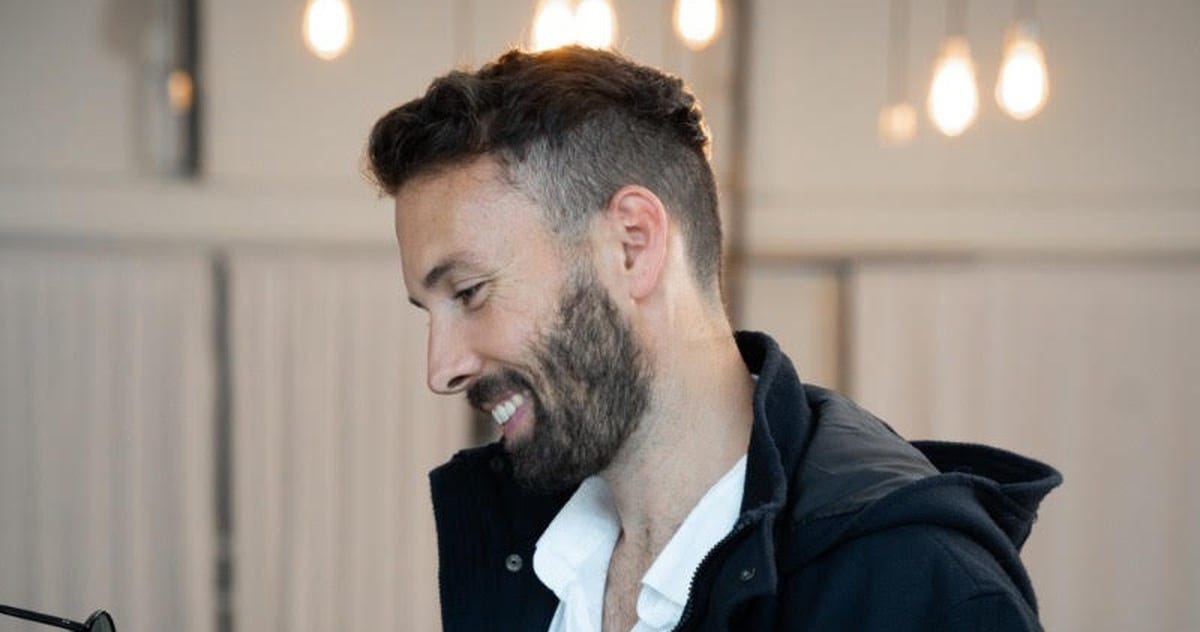
As a part of this series, we had the pleasure to interview Tallis Clarke.
Tallis Clarke is the founder and creative director of Humans, a film studio specialising in cinematic brand films for luxury new development and hospitality. Over a decade and more than 1,000 productions, he has directed work for global brands including BMW, MINI, Lexus, Chevrolet, Warner Bros, Discovery Channel, Publicis Groupe, and McCann, as well as for some of South Florida’s most prominent developments, among them AVARA Residences and the Ritz-Carlton Residences. Australian-born and trained as a landscape architect in Sydney, Tallis brings an unusual lens to the built environment — an understanding of how people move through and experience space that informs every frame he shoots. Before relocating to Miami, he worked as a commercial director in Tel Aviv, honing a craft rooted in brand storytelling at the highest level. It’s that commercial pedigree that sets his work apart. Tallis approaches real estate the way he approaches a global brand campaign — shooting developments like commercials, with narrative, casting, and cinematic craft that simply doesn’t exist elsewhere in the space. Through Humans, Tallis partners with developers and the marketing agencies behind them to tell the story of a place from the ground up — capturing not just how a development looks, but how it feels to live there. The result is content defined by a warm, unhurried, deeply human sensibility, and a level of production usually reserved for the world’s biggest brands.
Thank you so much for joining us in this interview series! Our readers would love to get to know you a bit better. Can you tell us a bit of the ‘backstory’ of how you grew up?
So my story doesn’t start with a camera at age 8. I grew up in Sydney, Australia, and always had a passion for creative endeavors: playing guitar, being in bands, loved art — fun fact, my teacher was called Mr. Love… but he hated me. Leaving school, there was pressure, as there normally is from parents, to go to university. So after working in construction and developing a love for landscaping, I went to study landscape architecture at UNSW. After that I opened my own landscape architecture and design company. I ran that until I met my wife, who kinda changed everything up. We started travelling and I started making film for fun.
Can you share a story with us about what brought you to this specific career path?
I moved to the Middle East to be with my wife — she was from there. I didn’t speak the language and had gone from living the life in Australia to a humbling experience. My degree didn’t transfer, so I decided it was time to chase my dreams as a musician. I hit the streets, which wasn’t very common at the time, and that lasted for about 3 months, where making $15 a day just wasn’t cutting it. My mate asked me if I could make a film like I did in Australia… I did and made my first $300. That was the beginning.
Can you share the funniest or most interesting story that occurred to you in the course of your filmmaking career?
Wow, there are endless… I remember when I was starting out, I would make a lot of spec commercials for car companies. I would ask for a car, shoot a commercial, and then use it to advertise my work. My mum had passed away a few years earlier, so I became very close with my wife’s mum. It would upset her tremendously that at the time I didn’t have much money and that I was making all these ‘free’ commercials for these billion-dollar companies and they were using them without paying me a cent. And for 2 years she was right — nothing happened. Until one day I got an email from one of the biggest production companies in the world, seeing my commercial, LOVING it, and wanting to offer me a 6-figure deal to direct their next documentary… Wow, you should have seen her face when I told her. She cried — tears of joy!
Who are some of the most interesting people you have interacted with? What was that like? Do you have any stories?
As I mentioned, I love music, so some of the coolest experiences in my line of work have been having the opportunity to film for some of my favourite bands — being on stage with them while they play, looking out at the crowd and envisioning that I was the 5th member.
None of us are able to achieve success without some help along the way. Is there a particular person who you are grateful towards who helped get you to where you are? Can you share a story about that?
There definitely is. As you go through this journey as a filmmaker and creative you come up against the question: what is good work, a great film?
As you start to take on clients, they want good work, but they also want good pricing and try to negotiate you down. For those who are extremely passionate about the work, it can feel sometimes like they are negotiating you… or your capabilities, especially in the early days. One of my first clients to always appreciate the work, thank me, and recommend me to other clients had a big impact on me and my work. It gave me confidence to push the boundaries of what was possible and really allowed me to grow as a filmmaker and learn a lot about commercial filmmaking through conversations around what his needs were, in a calm and insightful way. His name was Asaf. I wouldn’t be where I am today without him.
Can you please give us your favourite “Life Lesson Quote”? Can you share how that was relevant to you in your life?
I love the 10,000-hour rule. I remember working in a studio with other filmmakers and they would comment on how fast I was able to learn and progress with my career, as if I had some magic wand. One day I pulled out my calculator and was like, “If I get here at 7 and leave at 7 every day, that’s 12 hours a day, and I’m here 6 days a week. That’s 3,456 hours a year I work on my craft. You guys get here at 11:00 and do yoga for an hour, work 4 hours and go home, Monday to Friday. That’s 960 hours a year. So I’m literally working three times the amount — why wouldn’t I advance 3 times faster?”
That was a big lesson for me. Keep my head down, focus on the craft, understand it’s not a lifestyle or about being a ‘cool’ filmmaker. It’s a passion and it’s an honour to have this as my career, and I treat it as so.
What are some of the most interesting or exciting projects you are working on now?
Shooting the Ritz-Carlton last month was an awesome project. It’s a brand you work towards working with for many years — the pinnacle of brands in my space — so to direct the latest new development film for them was really rewarding for me.
Which aspect of your work makes you most proud? Can you explain or give a story?
Funnily enough, it’s when I send a film to my producer and she goes “wow.” Not getting caught up in the industry or too many perspectives, but I think being with my producer for such a long amount of time and having her see my growth and career alongside hers — when I release a film that impresses her, that makes me proud. Also when my wife likes my work, it gives me a little buzz.
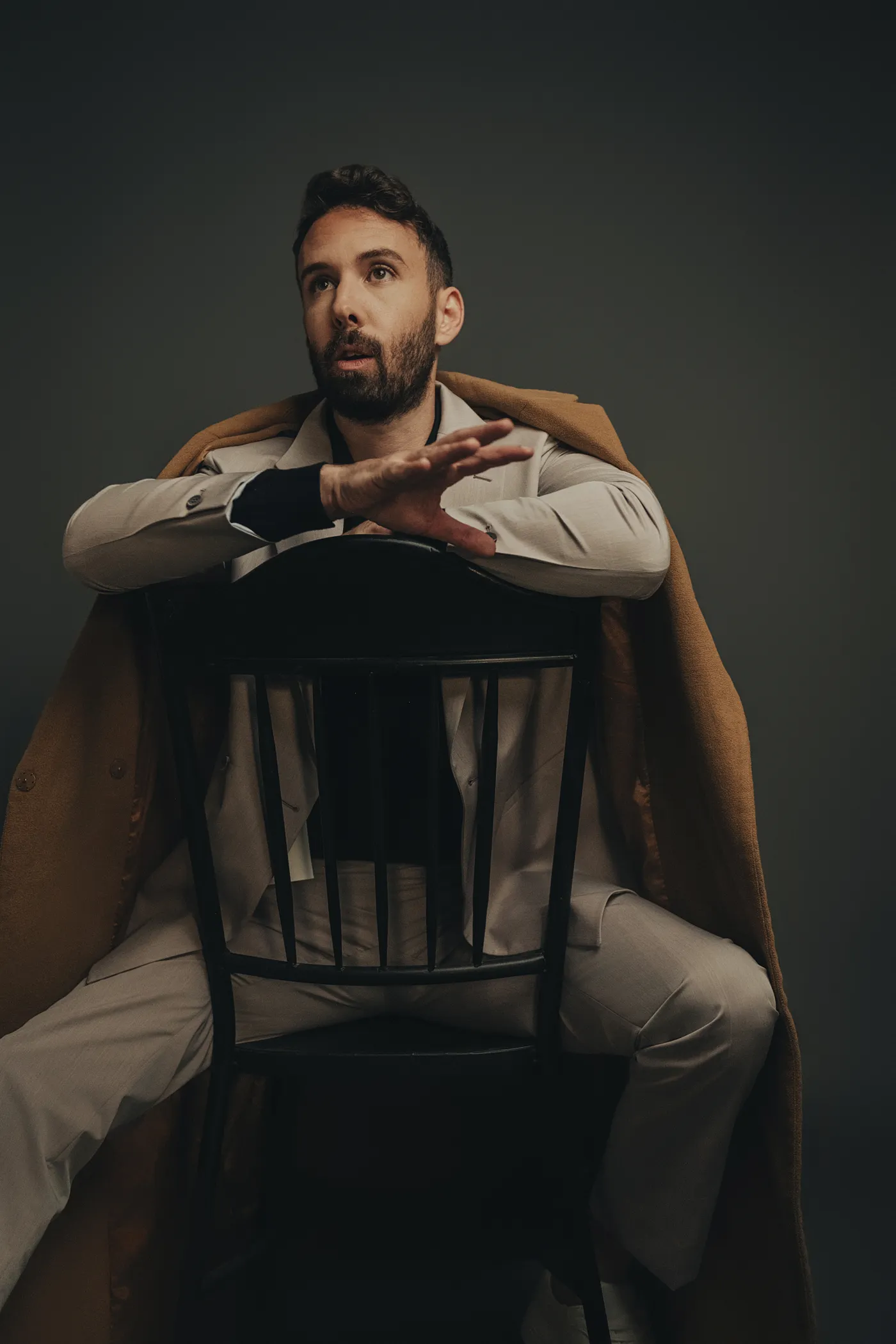
Ok super. Here is the main question of our interview. What are your “5 things I wish someone told me when I first started” and why. Please share a story or example for each.
1. Filmmaking is 50% filmmaking and 50% everything else related to the business. Systems, communications, proposals — it’s so much more than holding a camera.
2. Don’t take things so personally. I think because artists are emotional and we really care, it’s easy to let things get to you. A client hating an edit, or asking for extra revisions, or flat out telling you it’s shit — those things can break your heart. Being able to communicate around it and understand it’s not personal is something that took me many years. (To be honest, if someone told me it sucked today, I’d probably still burn a bit inside.)
3. All you need to do is out survive them. When I was younger there were so many aspiring filmmakers. After many years of not making money and really grinding at it, most people quit, and those that do are usually the competition. If you can out survive them by making enough money to keep going, being resilient and always striving for excellence long term, all the clients that lose their filmmakers now need a new place to go… hi :)
4. To make really good money in this field you need to be in the top 1%. It sounds kind of obvious, because that’s the same in most industries, but it’s true. If you’re not really seen as one of the best in your niche, it’s more about paying the bills than actually making a serious living.
5. There is a lot of politics in filmmaking. It’s very sensitive in the commercial filmmaking world — what can and can’t be shown. Rights, usage… there is a lot of legal that goes on behind it. A lot of the time I can’t share my work on campaigns until months after, and even still some companies don’t want their clients to know their work was done externally, so I can get essentially white labelled for big campaigns, and no one will ever know I made that commercial. Would have been nice to know, haha.
When you create a film, which stakeholders have the greatest impact on the artistic and cinematic choices you make? Is it the viewers, the critics, the financiers, or your own personal artistic vision?
It heavily depends on who and what I am creating the film for. Generally, films are like weddings — whoever is paying the bill decides who comes.
For my commercial work I am typically hired for my creativity and input. I am given a brief or a desired outcome, be it engagement or a brand film, and my goal is to achieve that through my creative means. That being said, the person paying always has final say. But that’s not to say I don’t push back sometimes.
You are a person of great influence. If you could start a movement that would bring the most amount of good to the most amount of people, what would that be?
It’s a good question, and being a filmmaker is a powerful tool. I’ve seen my work used to sell millions of dollars of real estate and automotive — the power of film is really underestimated. That being said, if it was up to me to create something to benefit the world through my skill set, it wouldn’t be for commercial purposes but rather to give an opportunity to young filmmakers to achieve their dreams of making a living from their craft. As I mentioned before, it’s an absolute dream career and an honour, with a lot of misconceptions about what that looks like day in day out and how to get there. So, it would be an education platform on how to go from a dream to a career.
Is there a person in the world, or in the US, whom you would love to have a private breakfast or lunch with, and why?
Honestly, rather than name one person, I’d describe the kind of person — because that’s who I’d actually want to sit across from.
Someone genuinely passionate about storytelling. I work almost entirely in real estate now, everything from filling office buildings with tenants to top-end luxury development, and it’s a far more interesting space than people give it credit for. The problem is that most of the industry doesn’t think in stories. They shoot walls and floors and finishes and then wonder why nobody feels anything. But a building is just a container for people’s lives — that’s the story, and almost nobody is telling it.
So, the person I’d want to have breakfast with is someone who already senses that. Someone sitting on a portfolio or a brand they know could mean something more than it currently does, and who wants to transform it rather than just market it. That conversation would be a good one.
Or Sacha Baron Cohen. I love that guy.
How can our readers further follow you online?
Instagram and LinkedIn — https://www.instagram.com/tallisclarkefilms/.
Thank you for sharing these insights!
About The Interviewer: Tavares Beverly ( www.tavaresbeverly.com ) is the Founder and CEO of Beverly Boy Productions, a national video production company that has helped organizations tell their stories through video for more than two decades. Over the course of his career, he has worked with everyone from Fortune 500 executives and healthcare professionals to politicians, nonprofit leaders, educators, and artists, gaining a unique perspective on the role communication plays in leadership, business, and human connection. A frequent contributor on topics including communication, entrepreneurship, leadership, and personal development, Tavares believes that the ability to communicate effectively is one of the most valuable skills a person can develop. His work is driven by a passion for helping organizations connect with their audiences and helping individuals unlock their potential through mentorship, perseverance, and meaningful relationships. To learn more, connect with Tavares on LinkedIn or visit www.BeverlyBoy.com . If you’re interested in using the power of storytelling and communication to grow your organization, strengthen your brand, or inspire your audience, he welcomes the opportunity to connect.
TB
Written by
Tavares Beverly
Executive Contributor · Authority MagazineTavares Beverly is an executive interviewer and contributor covering leadership, culture, and business for Authority Magazine.

Published inAuthority MagazineTop Lessons, Top Authorities · 42K Followers
Exclusive, curated interviews with the leaders and changemakers shaping tomorrow. Leadership lessons, industry deep dives, and executive profiles.
More from Authority Magazine
See all stories →
A
Authority Magazine Editorial StaffJasmine Badie: Professional Success Requires Mastering The Discipline Of Being Unneeded
Pop Culture25 min read
Y
Yitzi WeinerGavin Goudey: Internal Vulnerability Is the Primary Engine of Authentic Performance
Pop Culture22 min read
Y
Yitzi WeinerNate Bynum: The Paradox of Authenticity That Unlocks Peak Performance
Pop Culture20 min read
T
Tavares BeverlyMalek Hanna of RXM Entertainment: Creative Collaboration Requires Shared Intention Over Uniform Perspective
Pop Culture11 min read