Lots of e-commerce leaders focus on improving service to customers local to their own country, but very few have focused on cross-border delivery. This is where iHerb has been able to unlock our competitive edge at a global scale.
Business
Steve Cho on Global Cross-Border E-Commerce, Mobile-First Scaling, and the Future of Health and Beauty Retail
The global CMO of iHerb reflects on mastering international supply chains, simplifying complex leadership structures, and scaling digital wellness platforms across 150 markets.
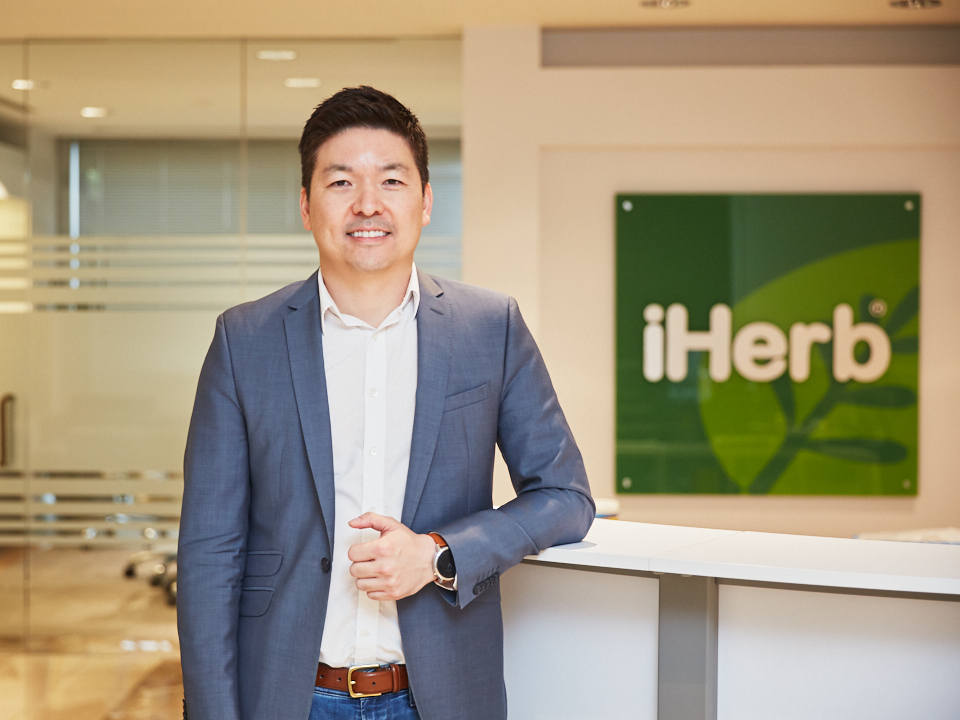
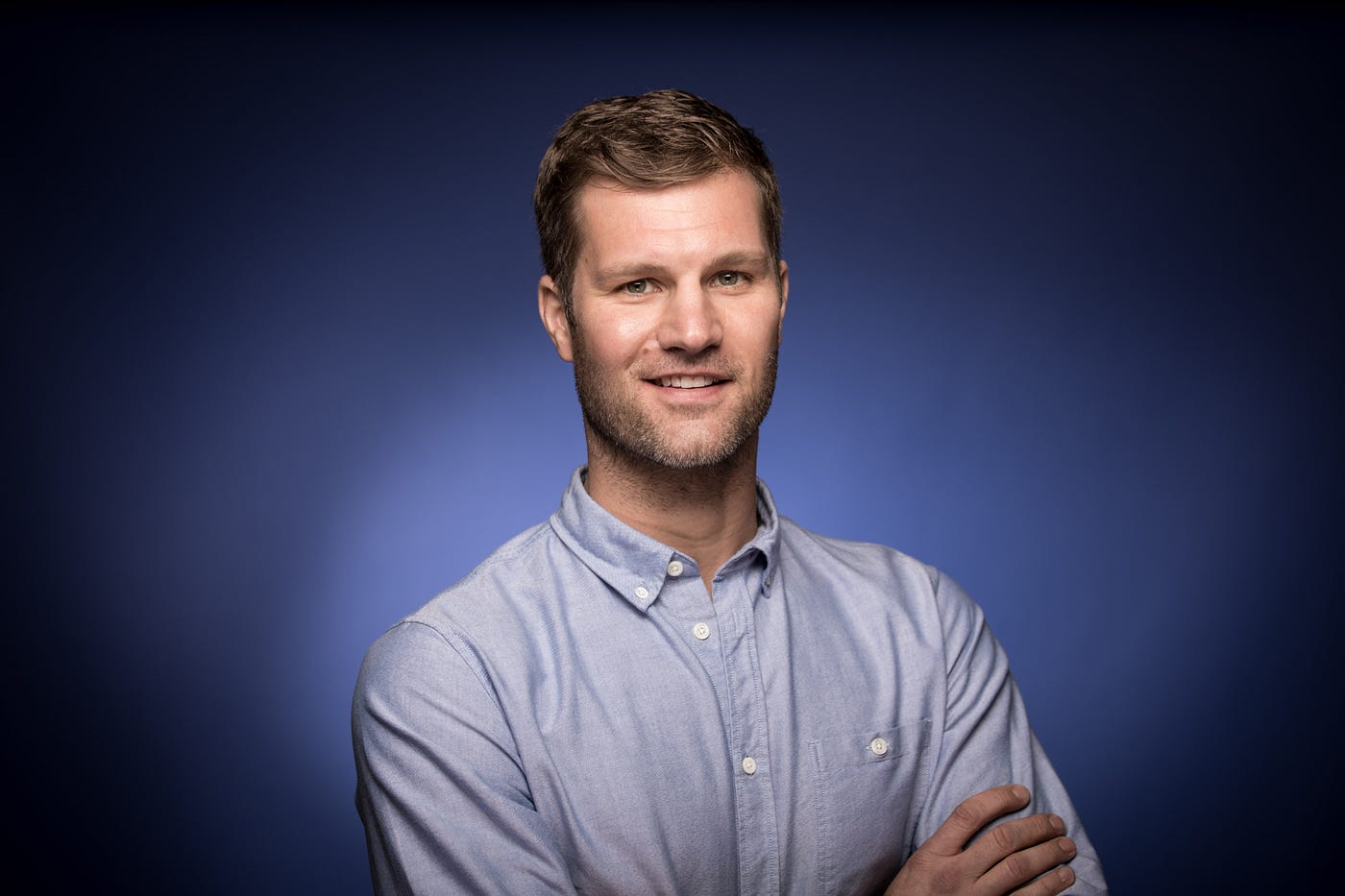
Steve Cho is a technology and business executive with leadership roles at global consumer brands including IAC, Yahoo!, Samsung, and Coupang. He has experience in leading organizations in fast-growing industries such as web search, smartphones, and e-commerce. Most recently, Steve joined iHerb as global CMO in 2018 to lead the mission to meet the needs of health and wellness for consumers all over the world.
Thank you so much for joining us! Can you tell us a story about what brought you to this specific career path?
I joined iHerb in 2018. It was an extremely exciting time in the e-commerce industry to meet one of the most fundamental customer needs: health & wellness. All of the key critical pieces are converging towards a “killer app” in the natural health & wellness industry; the global penetration of smartphone, adoption mobile payments, innovation in mobile app experience, advancements in quality of organic natural ingredients, consumer education about their health, low-cost and fast global logistics, policies in cross-border commerce, and automation in warehouse operations. iHerb is uniquely positioned to succeed in meeting this need at a global scale — and I really wanted to help realize that potential.
Can you share the most interesting story that happened to you since you started your career?
I was born in Seoul, S. Korea, and moved to the U.S. when I was 9. While Korean is my first and native language, I’ve always been more proficient in English. With work, I have been involved in many businesses that took me to Asia and particularly Korea. Asian cultures value respect for elders, in fact, it is built-in to the language. I received great advice from the head of Overture and Yahoo! Korea, to simply speak in English to the Korean team. It saved me the embarrassment in trying to speak (poor) Korean, and also avoided the awkward situation with professional seniority and age. It taught me a lesson in finding a win-win situation in life; the Korean team spoke to me comfortably in their language and I spoke to them in English — and we all used the opportunity to learn the other language. This worked well throughout my career at Samsung, and also at Coupang.
What do you think makes your company stand out? Can you share a story?
Lots of e-commerce leaders focus on improving service to customers local to their own country, but very few have focused on cross-border delivery. This is where iHerb has been able to unlock our competitive edge at a global scale. In today’s environment, consumers’ options are becoming limited by trade policies, but that desire for the best quality products and more choices at a high value just keeps growing. iHerb has been able to solve for all of these: quality, value, and cross-border delivery to 150 markets. We’re able to deliver packages to our customers in Japan and Korea in just 2–3 days.
Which tips would you recommend to your colleagues in your industry to help them to thrive and not “burn out”?
I’ve found tremendous value in my career in having a disciplined focus on a few top priorities and then simplifying complexity. This requires being able to firmly say “no” to everything else. Simplifying complexity doesn’t just mean that you take a simple approach, but also removing unnecessary excess. This helps to navigate through stressful items that can often lead to burn out.
None of us are able to achieve success without some help along the way. Is there a particular person who you are grateful towards who helped get you to where you are? Can you share a story?
I was inspired by my leadership at Yahoo! and Samsung. I still recall the inspirational speech that Jeff Weiner gave at an all-hands meeting to “rise up” against the great challenges to compete with Google in the US. I refer back to this moment in my professional life and it remains a source of inspiration to step-up an organization to face greater challenges.
At Samsung, G.S. Choi was able to move an organization of over 300,000 to execute with speed and urgency that I had never seen before in my career. There are many things that he and the executive team did right to achieve success at Samsung’s scale, but I remain most impressed by our ability to “move mountains” at such speed required to launch Galaxy line of devices, simultaneously to over 130 markets across such a large and complex organization.
Are you working on any exciting projects now?
Yes! In November, we will be launching Love Letter, our dedicated global e-commerce store for beauty and self-care. It’s our natural next step, building on our success in scaling iHerb’s health and wellness business to well over $1B. We are seeing fast-growing demand for beauty products, and we see the beauty category as a great complement to our brand in health supplements. We will be offering the same great quality, authenticity, value, and fast delivery that our customers have come to love. Literally, we see this as our “love letter” to our customers.
How have you used your success to bring goodness to the world?
Joining iHerb in its long-running mission to enable customers to lead a healthier life is tremendously rewarding at this stage in my career. I’ve been in the technology industry my whole life, and the innovations that I have taken to market in the search and smartphone industry have brought great convenience to consumers, but never have I felt this level of direct connection in affecting good for the health of consumers and the world.
Can you share 5 examples of how retail companies will be adjusting over the next five years to the new ways that consumers like to shop?
Mobile & e-commerce: E-commerce has been growing faster (~20% annually) than overall retail (~5% annually), and this trend will continue with consumer behavior going mobile. Over 70% of e-commerce is on mobile in highly connected markets like Korea, Japan, and China, and other markets will quickly see this trend in the near future. Retailers need to continue to simplify their experience for mobile (rather than PC) to connect more with their customers.
Quality & authenticity: Large-scale e-commerce platforms such as Amazon, Alibaba, and eBay face ongoing challenges in managing the open market and their 3rd party seller businesses in maintaining high standards in quality and authenticity. This is an unavoidable problem of scale that comes with the reality of offering such a broad selection to customers. I believe this presents a greater opportunity for highly focused and curated marketplaces like iHerb, and I also see this as an opportunity for brands to go direct to consumers to ensure high levels of quality and authenticity for their products.
Delivery: We are seeing faster innovation and potential for greater disruptive forces in the logistics industry across major markets. Logistics remains a very fundamental, yet very physical piece, of the value chain in the otherwise digital e-commerce industry. My experience in web search and smartphone industry has taught me that customers are never happy, they demand greater access, faster speed, and better convenience. Retailers need to better understand the consumer expectations in the speed of delivery and be able to meet or exceed those expectations to stay relevant and find success.
Trials: We have seen that the beauty industry has traditionally lagged overall retail in e-commerce adoptions by customers. Industry estimates beauty ecommerce to make up only 5% of the roughly $25B beauty & personal care market, this is ½ of the e-commerce adoption compared to the overall retail industry. This metric is representative of the deeply personal, very tactile, and trial-driven purchase behavior of the beauty consumers. However, we some key changes in the beauty category; as customers find their favorite beauty brand and products, they are extremely loyal. We see this as an opportunity for the follow-on recurring purchases to be online, where customers can often find it a better value. We are also observing rapid growth in recommendations from family and friends, and trusted experts in social communities drive high influence in purchase behavior in beauty. Retailers in this space need to understand how to manage this referral and recommendation activity in platforms like Instagram, wechat, and YouTube to generate their marketing success.

You are a person of great influence. If you could start a movement that would bring the most amount of good to the most amount of people, what would that be? You never know what your idea can trigger.
I would like to see greater innovation in more sustainable product packaging and boxes used in delivering packages to customers. This is more than cost savings and customer convenience — this requires a consumer, cultural, and societal movement to influence change.
How can our readers follow you on social media?
They can follow me at https://www.linkedin.com/in/steveseokwoncho/
This was very inspiring. Thank you so much for joining us!
FG
Written by
Fotis Georgiadis
Editor & Journalist · Authority MagazineFotis Georgiadis is a senior columnist at Authority Magazine covering Tech and Business, conducting primary-source Q&A interviews with founders, executives, and industry leaders.

Published inAuthority MagazineTop Lessons, Top Authorities · 42K Followers
Exclusive, curated interviews with the leaders and changemakers shaping tomorrow. Leadership lessons, industry deep dives, and executive profiles.