I emigrated to the United States because I knew that opportunities in Belgium were limited, especially for an Arab immigrant family. I knew that if I could make it in New York City, nothing else would be a real challenge in my life, and I was right.
Is the American Dream still alive? If you speak to many of the immigrants we spoke to, who came to this country with nothing but grit, resilience, and a dream, they will tell you that it certainly is still alive.
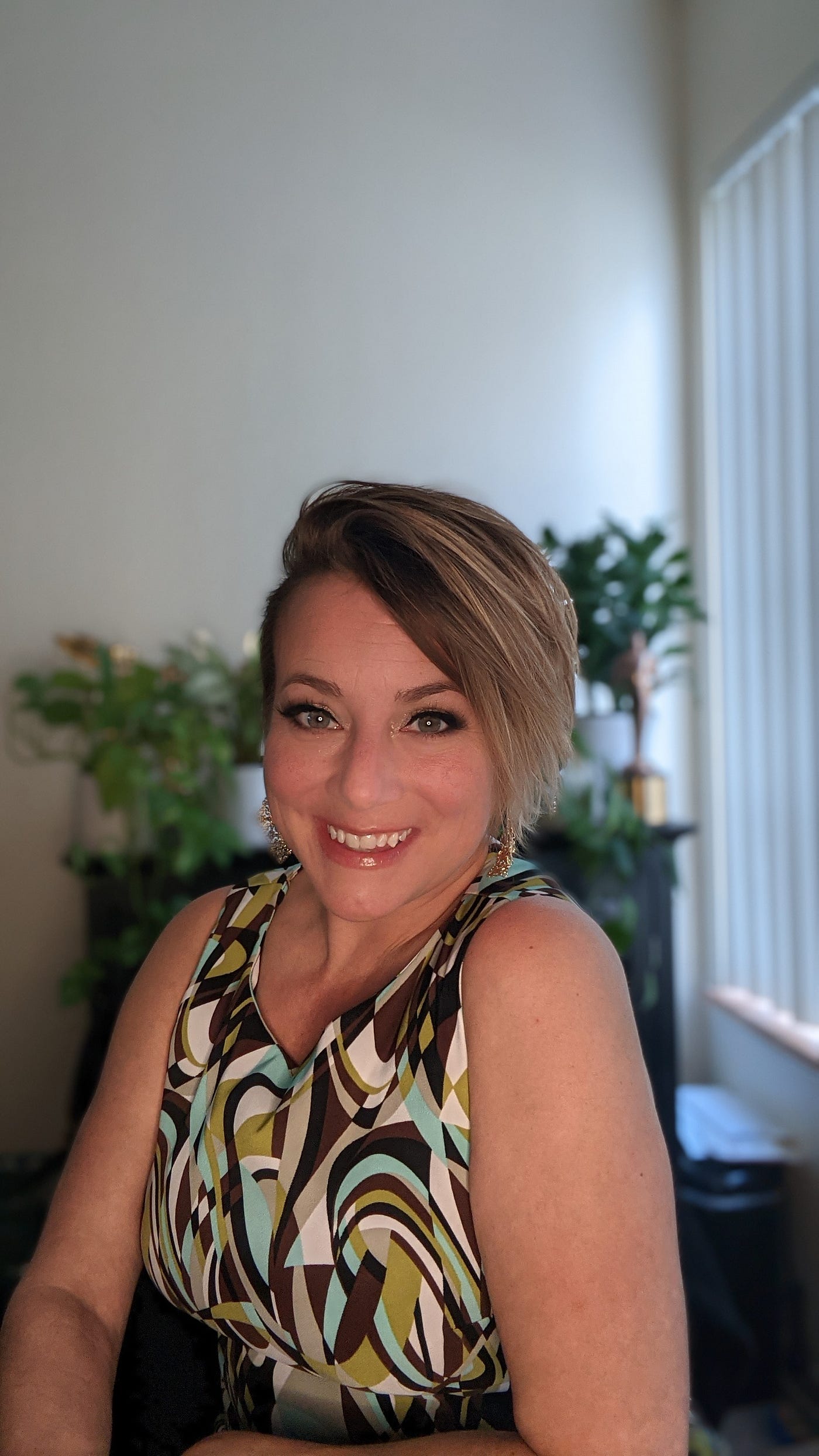
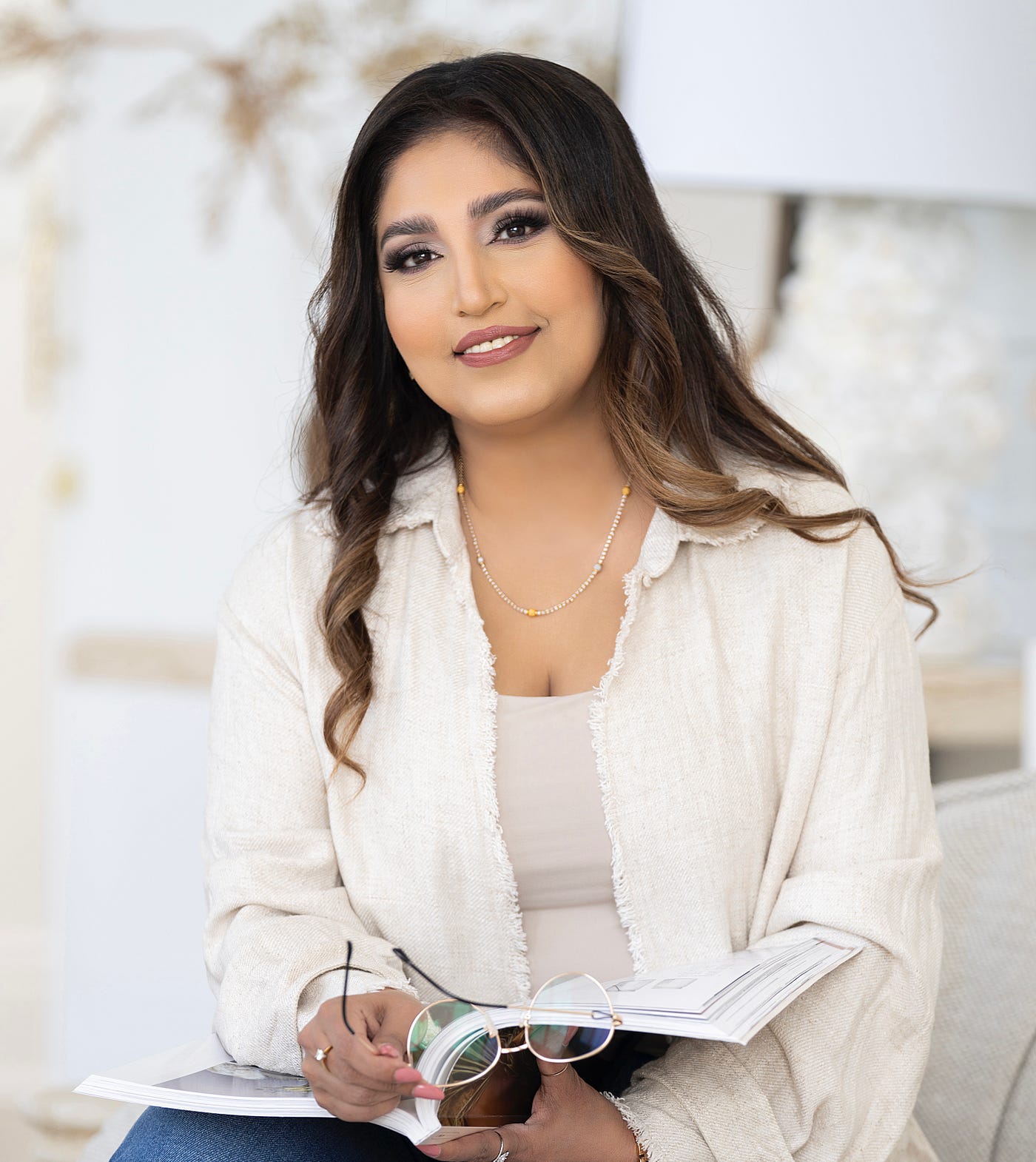
As a part of our series about immigrant success stories, I had the pleasure of interviewing Saloua Ibaline
Saloua Ibaline was born in Morocco and emigrated to Belgium with her mother as a toddler. At 20 years old, she emigrated again to the United States, this time on her own. Alone in New York City, with neither money nor connections, she worked her way up from nothing, eventually creating her own successful business.
Fifteen years later, Saloua is an entrepreneurship coach, author and runs multiple small businesses. Saloua has helped hundreds of aspiring entrepreneurs launch their own companies through her coaching program. Her mission is to help aspiring entrepreneurs use their inner gifts and start their own businesses.
She is currently launching her first book about immigrant women entrepreneurs in the United States. Saloua’ understands the difficulties of starting a business as an immigrant woman and decided to share stories behind successful women entrepreneurs in the United States.
Saloua is a digital nomad and has lived in 20+ countries running her business.
You can read more about Saloua at www.salouaibaline.com
and www.immigrantwomenentrepreneurs.com
Thank you so much for joining us in this interview series! Can you tell us the story of how you grew up?
I was born in a small village in Morocco called Imintanout. My parents had an arranged marriage at a young age, and it was not a happy or healthy relationship. A few months after my birth, my father divorced my mother and remarried right away. My mother and my three siblings were left living in poverty with no way out. My mother was illiterate, with no opportunity to create a better life for herself and her children, so shortly after the divorce, she took me to France to stay with her sister as my father took my brother and sister away.
While my mom was in France, she met a Moroccan man who quickly became my stepfather and moved us to a small town in Belgium. My younger sister was born from their union three years later. Unfortunately, my new stepfather turned out to be a violent and abusive alcoholic. Eventually, my mother found the courage to leave him, and we found refuge in a women’s shelter. I ended up growing up in a small town in southern Belgium Namur.
While my mother struggled to provide for her family. She worked tirelessly to reunite us with my brother and sister. She was alone in a country she did not understand, with no financial support to care for us. My sister and I were placed with a caucasian foster family part-time for six years.
Growing up in Belgium gave me a fair chance at making the most of myself. In Namur, I had access to an excellent educational system that prioritized multilingualism, so I was able to get a well-rounded education and spoke four languages by the time I was a teenager.
At seventeen, that brave, determined spirit I’d seen in my mother was surging through me, and I was craving change and independence, which led me to take a leap of faith. I subsequently moved to New York City at 20 years old, with nothing but a dream and a backpack.
The rest is history.
Was there a particular trigger point that made you emigrate to the US? Can you tell us the story?
I emigrated to the United States because I knew that opportunities in Belgium were limited, especially for an Arab immigrant family. I knew that if I could make it in New York City, nothing else would be a real challenge in my life, and I was right.
I also wanted to prove to myself and my family that a young Arabic woman coming from poverty could create a better life for herself. I knew it was my responsibility to change the generational cycle because I was given such a fantastic opportunity, and I had to make the best of it.
My mother has suffered a lot, and she has done everything to give us a better life in Europe. I wanted to make her proud and do everything I could in my power to change the poverty, survival, and scarcity mindset we had ensured. So I chose New York City, and despite all the challenges I encountered, I’m here fifteen years later.
Can you tell us the story of how you came to the USA? What was that experience like?
I remember vividly trying to figure out a way to come to New York without any money. At that time, I was a teenager in Brussels, and I had vigorously researched every way to travel to America, but everything was too expensive, and I started to lose hope. Then one day, I saw an ad in the local newspaper for an AuPair program. I applied for it, the application process was lengthy and rigorous, but after 6 months, I finally got matched with a family in Connecticut.
I flew to JFK on March 27th, 2005. When I landed, I remember the culture shock. I had never traveled that far, I had never seen such a big airport and diverse crowd, but I was fascinated. I spoke very little English and had to find my way to New York City, where I was scheduled for an Au Pair Training at the New Yorker Hotel.
As soon as I arrived at the hotel, I remember being extremely tired due to jet lag, but I was excited to see Times Square. I was fascinated and mesmerized by the city, and I immediately fell in love with New York City. An overwhelming feeling came through me, and I instantly knew that this city was home.
Is there a particular person who you are grateful towards who helped make the move more manageable? Can you share a story?
My experiences with the au pair family were not great. I was fired for no reason after three months. I returned to New York from Connecticut and landed a job in a French restaurant in New Jersey.
I was struggling in every way, but I kept going. I randomly met an incredibly kind Cuban girl called Aida, who spotted me crying in the street one afternoon. I was living in a basement apartment with four roommates, and she saw my living conditions. She insisted that I move in with her that day.
She offered to put me up in her twelve-year-old daughter's room and wouldn't allow me to pay rent for almost a year. Because of her generosity, I could save most of the money and eventually go to college.
Without Aida's help, I don't think I could have made it.
So how are things going today?
Today my life is amazing. After college, I started my coaching business and have helped hundreds of people launch and grow their businesses with my signature coaching program. I also wrote my first book featuring the stories of immigrant women entrepreneurs in the United States.
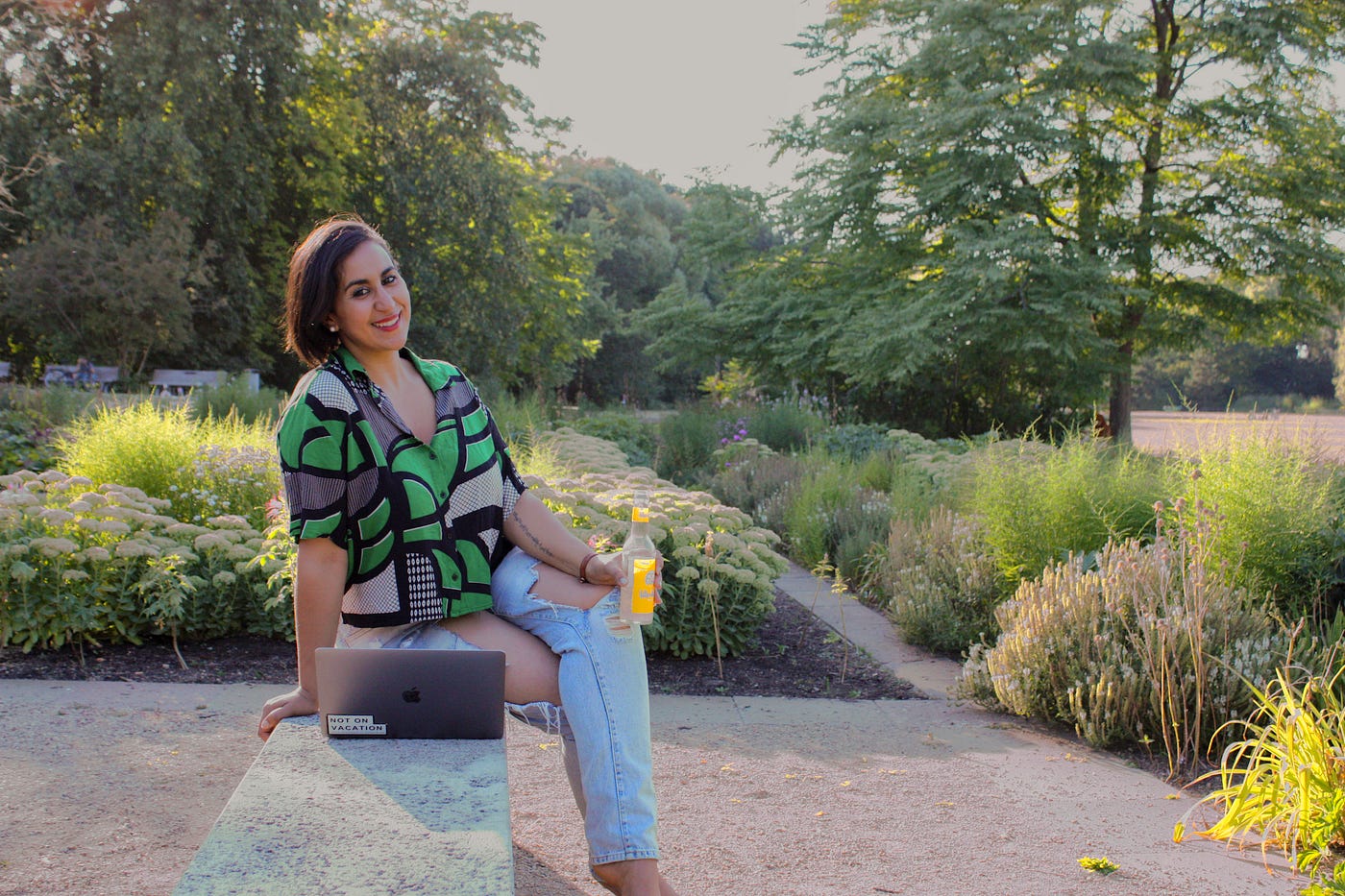
I'm healthy and happy. I traveled around the world working from my laptop as a digital nomad. I have a fantastic life, and despite the earlier struggles, I wouldn't change a thing about coming to the United States.
How have you used your success to bring goodness to the world?
I believe I’m supporting goodness by showcasing stories of female immigrant entrepreneurs. I wrote a book where I share the stories of intrepid women who dared to follow their entrepreneurial dreams in the United States.
I hope to entertain, educate, and inspire both new and native-born Americans by highlighting the struggles and success of women who moved to this country to improve themselves, their community, and their new nation.
You have first hand experience with the US immigration system. If you had the power, which three things would you suggest to improve the system?
My suggestions to improve the immigrant system in the United States are:
Welcoming the skilled people who have much to offer to this country by making their documentation process easier and faster.
Making the work permit process faster for qualified people who already reside in the United States legally.
Creating a program that allows qualified people who have graduated abroad to exchange their college credits so that immigrants wouldn’t have to repeat their studies at a higher cost and become contributing members of society sooner.
Can you share “5 keys to achieving the American dream” that others can learn from you? Please share a story or example for each.
Based on my experience I would say
Don't be afraid to put in the hard work that it takes to succeed. Immigrants are willing to leave home to start over somewhere foreign, so they're more willing to do what's necessary to achieve success.
Be determined and don't take no for an answer. I found many roadblocks in my American journey, but every time I heard no. I looked for an alternative and found one. Because no is not an option.
Take risks. Immigrants are accustomed to taking risks. We are driven by a vision, and to make it happen we have to take chances. Like when I arrived in New York City with no money, or connections, I was driven by my vision that motivates me to this day.
Have courage. At times it's hard to keep going, especially when you're alone in a new country but having courage to keep going no matter what is what will lead you to success.
Have patience. That's the most important key to all. Having patience and trust that you will achieve your goals is crucial. Not to get confused with laziness, you still have to put in the work and make small steps everyday, until you reach your definition of success. It’s the journey that matters.
We know that the US needs improvement. But are there 3 things that make you optimistic about the US’s future?
I think we live in an exciting time where things are changing fast. New movements are taking place and challenging old ways of thinking. People are finally listening. What comes to my mind are the #Metoo and the Black Lives Matter movement.
I love seeing more women, and women of color, in leadership positions. It’s time to have more women at the table and break the glass ceiling. We do not have equality yet, but we have made tremendous progress in the past few decades.
The United States has always been the leader in many industries including, technology, sciences, the digital age, and more. I’m happy to see more people being able to create a business that matters. This gives us a fair advantage and room for advancement. I hope that we will continue to progress and work together to make America and the world a better place. We’re all in this together.
We are very blessed that some of the biggest names in Business, VC funding, Sports, and Entertainment read this column. Is there a person in the world, or in the US whom you would love to have a private breakfast or lunch with, and why? He or she might see this, especially if we tag them. :-)
Definitely Oprah Winfrey
She’s an inspiration to many, a true definition of the American dream. She’s relatable, extremely intelligent, and self-made. It would be my dream to meet her one day.
What is the best way our readers can further follow your work online?
Website: www.salouaiballine.com
YouTube: www.YouTube.com/salouaibalineTV
Instagram: Instagram.com/salouaibaline
This was very inspiring. Thank you so much for joining us!
About The Interviewer: Vicky Colas, Chef Vicky, is an award-winning chef in the Caribbean food arena. In 2012, Chef Vicky was awarded a silver medal for Caribbean Chef of The Year at the Taste of the Islands completion hosted by the Caribbean Hotel and Tourism Association. She was called to represent her country and be a part of the Culinary Team Haiti as a Culinary Chef Ambassador competing with 10 other Caribbean nations. The team was also awarded a silver medal for the Caribbean Team of the Year and received an Award for “Best Team for Taste of the Islands”. A published nutrition researcher, her study was selected in 2013 in the International Journal of Child Nutrition. Her recipe and interview have been featured in Essence Magazine online, Island Origin, and most recently the cookbook Toques in Black: A Celebration of 101 Black Chefs in America. In 2019, she was nominated in the “40 under 40” class of Legacy Magazine as one of South Florida’s “Black Leaders of Today and Tomorrow”.
Most recently, Chef Vicky was selected as one of twenty women candidates awarded for the 2019 James Beard Foundation Women Entrepreneurial Leadership (WEL) fellowship and is also part of a selective group of talented Chefs in the James Beard Foundation local food advocacy training programs. She is a wife, a proud mother of 3 boys, a business, and a food influencer in her community. Chef Vicky has been featured in her local news stations such as WSVN CH 7, Deco Drive, WPLG Local 10 News, 6 on the mix CH 6 and Good Morning Miramar.
Vicky is also a subject matter expert in the Hospitality, Culinary Arts, Restaurant Management, and Public Health (Dietetics and Nutrition) arena. She is a graduate of Florida International University (FIU) and Le Cordon Bleu College of Culinary Arts.