Looking back on my career, it’s been a story of continuous evolution as opposed to one or two seminal moments of transformation that stand out.
Tech
Sajay Chikarmane: Domain Expertise Combined With Cutting-Edge Cloud and AI Drives Critical Advances in Healthcare Technology
The Chief Product Officer at IQVIA discusses how advanced technology and three decades of engineering experience optimize clinical trials and ensure patient safety globally.
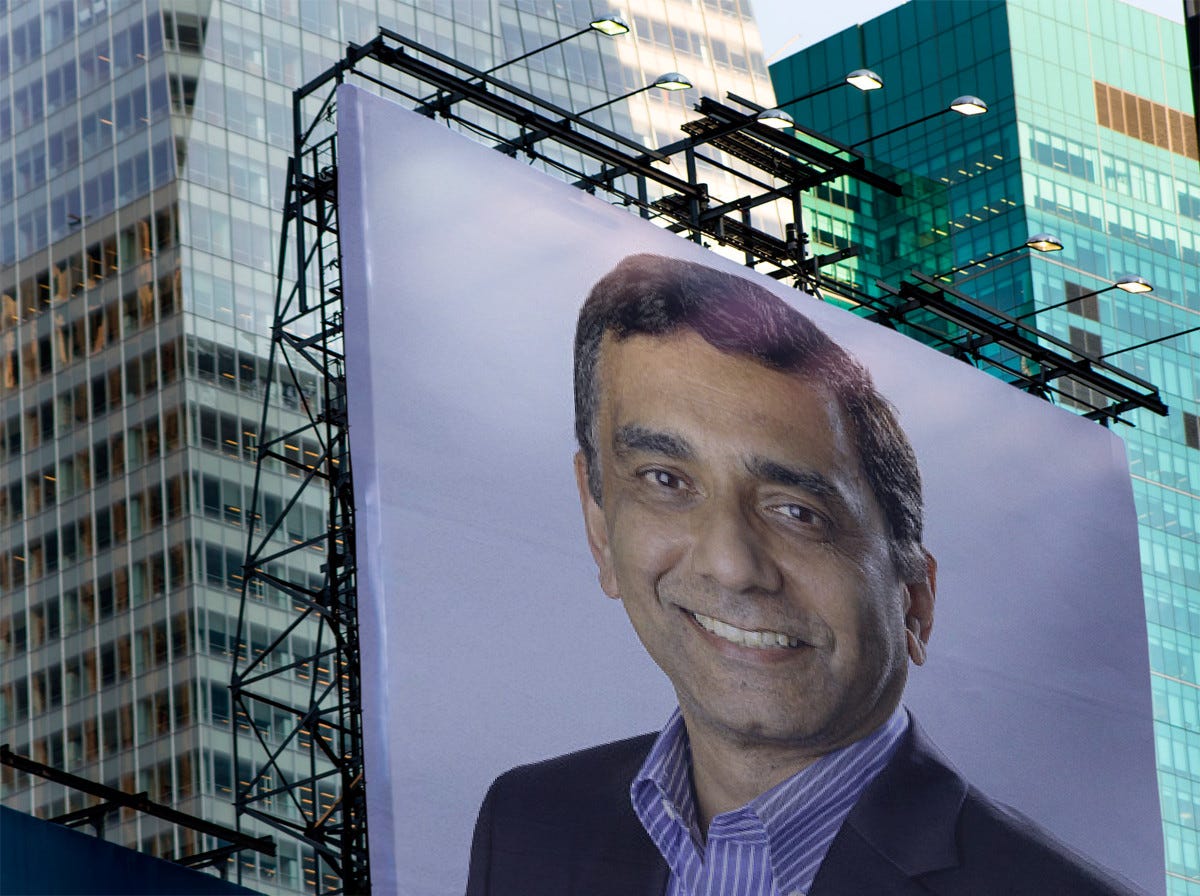
In recent years, Big Tech has gotten a bad rep. But of course many tech companies are doing important work making monumental positive changes to society, health, and the environment. To highlight these, we started a new interview series about “Technology Making An Important Positive Social Impact”. We are interviewing leaders of tech companies who are creating or have created a tech product that is helping to make a positive change in people’s lives or the environment. As a part of this series, I had the pleasure of interviewing Sajay Chikarmane.
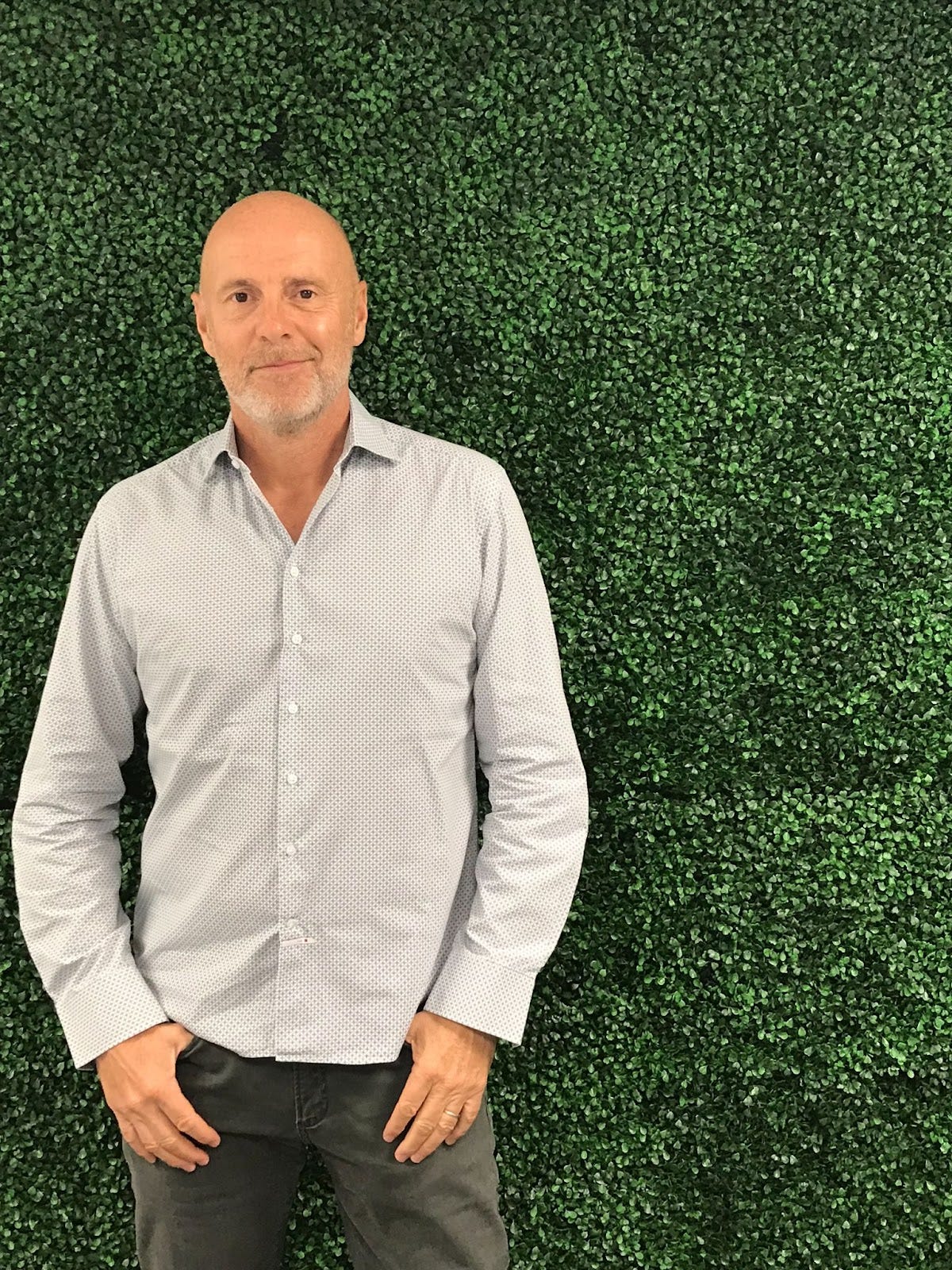
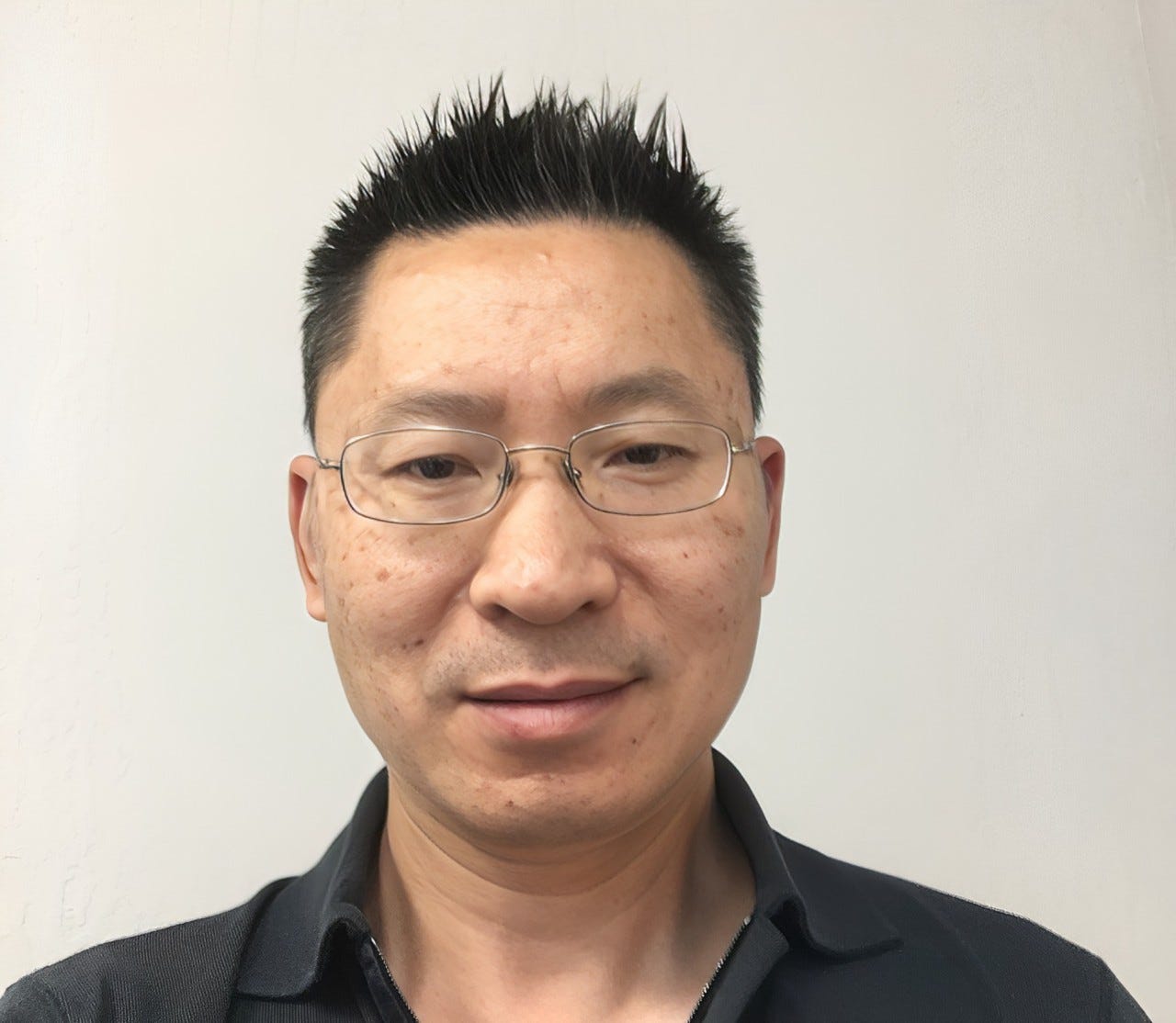
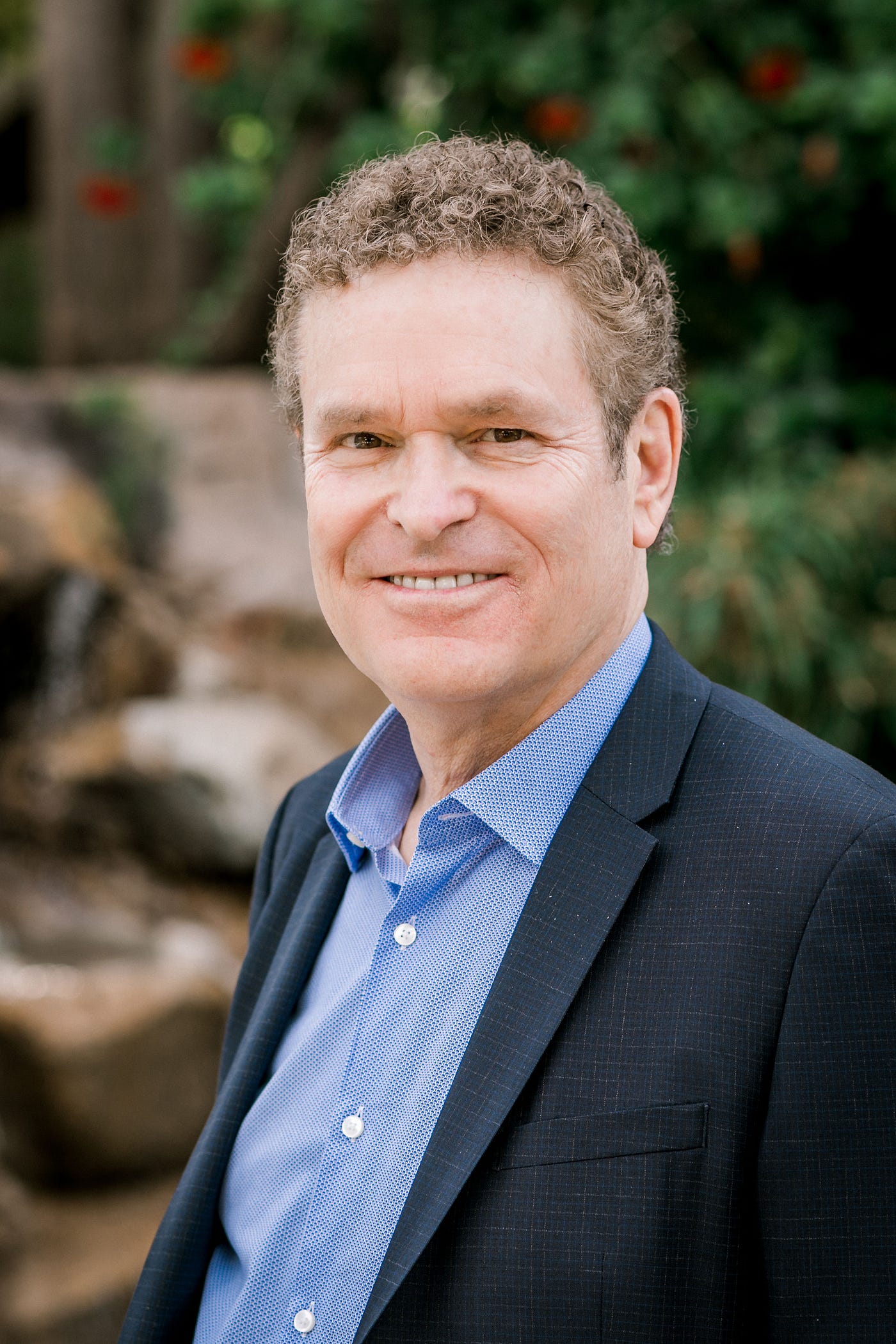
Sanjay Chikarmane is Chief Product Officer at IQVIA, Inc., where he is responsible for the company’s technology product portfolio. Sanjay has spent his entire career, more than 30 years, in various roles within the technology industry. Among these include an engineering position that evolved into product and general management. He lives with his wife in Cupertino, California.
Thank you so much for joining us in this interview series. Before we dive in, our readers would love to learn a bit more about you. Can you tell us a bit about your childhood backstory and how you grew up?
I was born and grew up in India, where I lived until I graduated from college. My father worked for the Central Bank and was posted in several cities throughout the country. India is a very diverse country culturally and linguistically, which resulted in my exposure to many cultures and being multilingual. Growing up, I was interested in science and engineering. After earning my bachelor’s degree in electrical engineering, I traveled to Syracuse, NY to earn a Master’s degree. After graduation, I secured employment in California’s San Francisco Bay Area and have lived there ever since.
Can you share the most interesting story that happened to you since you began your career?
Looking back on my career, it’s been a story of continuous evolution as opposed to one or two seminal moments of transformation that stand out. So, it’s more relevant for me to look back at transition points along the journey. Key transition points have been from an individual contributor early in my career into leadership, from a technical focus inside an organization to one focused externally on customers, and from there into general business management and eventually leading large, globally dispersed organizations with multiple P&Ls. Each transition was the result of inspirational advice from mentors, taking some risks out of my comfort zone, gaining confidence with early successes and then aiming higher.
None of us are able to achieve success without some help along the way. Is there a particular person who you are grateful towards who helped get you to where you are? Can you share a story about that?
I actually owe my success to a few different people who were quite instrumental in my journey. My mother got me interested early in science and engineering, which motivated me through my years in school and college. My first manager’s mentorship inspired me not just in that role but motivated me to acquire technical expertise that directly enabled the first 10 or so years of my career. It was a bit later that another of my managers inspired me to change direction and move beyond a technical focus to acquire product and business skills, as well as to develop more on a general management path that led to where I am today.
Can you please give us your favorite “Life Lesson Quote”? Can you share how that was relevant to you in your life?
Albert Einstein once said “I have no special talents. I am only passionately curious.” Of course, very few people are as brilliant as Einstein, but that misses the point. I believe his approach can be followed by all people that want to reach their highest potential, with a meaningful and fulfilling life. I have certainly lived by this.
You are a successful business leader. Which three character traits do you think were most instrumental to your success? Can you please share a story or example for each?
First, it would be having a genuine passion for some aspect of your work. This will likely change as one’s career evolves, but at any given point, having a passion for what you do is critical. In my early career, I was focused on technical subjects. Later it evolved to be engaging with customers to understand market needs and define products and later into running a business. Second, would be curiosity. Understanding how and why things work (whether the things are markets, technologies, business, etc.) is another, which promotes continuous learning and development of expertise. A third is seeking out key people and building networks, internal and external to the organization. This is the best way to understand the dynamics of what’s happening around you, to advance your ideas and make things happen both for the organization and for yourself.
Let’s now shift to the main part of our discussion about the tech tools that you are helping to create that can make a positive impact on our wellness. To begin, which particular problems are you aiming to solve?
Our technology solutions are used by Life Sciences companies that manufacture therapeutics, consumer health products and medical devices that span across the entire industry. We address several problems for them. First, these therapeutics and devices need to undergo clinical trials to prove that they are safe and effective for patients. Out technology ensures that these clinical trials are performed efficiently and accurately, and that we gather and analyze the data to prove they are safe and effective. Once past the clinical trial phase, these companies need to communicate effectively with the physicians that prescribe them as part of the commercialization process, communicating everything from dosage, benefits, scientific literature, obtaining samples, and other things a prescribing physician may need to treat patients. Our technology enables this communication through a variety of different digital and personal channels as well as fulfilling sample delivery. Third, once these products are in the market and are being consumed, we need to ensure that they remain safe and any adverse events like side-effects and drug interactions are monitored and remediated. Our technology monitors a wide range of sources, both digital and physical where such adverse effects are reported. We track and process these adverse events, so that the manufacturers can take remedial action as well as report them to relevant health authorities. Which brings us to the last area, which is regulatory reporting, where our technology keeps track of regulations in countries across the globe and then automates the process of filing with the authorities on safety and quality issues covered by these regulations. All of this contributes to the health and wellness of patients and consumers.
How do you think your technology can address this?
Our technology addresses specific problems for our customers as I have detailed earlier. To add, we operate in a very specialized domain and our technology embodies domain expertise acquired over years by our product managers, engineers and data scientists. We also are a cutting-edge technology organization and utilize the latest advances in software, cloud, data, AI/ML, consumer wearables and medical device technologies.
Can you tell us the backstory about what inspired you to originally feel passionate about this cause?
I have worked in a number of industries — High Tech, Financial Services, Manufacturing and a few others. Each has been at the intersection of technology and a specific industry domain. However, in my opinion there isn’t a greater cause than contributing to advancing human health in some way. At IQVIA, I found the perfect combination of both my passion for technology and using it to advance human health. So, when the opportunity came along, it was an easy decision.
How do you think this might change the world?
People are living longer and the world is getting more populous. With this comes a host of health and wellness issues that need to be solved. The challenge with new treatments has always been the friction of getting it past the clinical trials, into the hands of physicians and patients. The process often takes a company years to complete and typically costs billions more than any other mass manufactured product. Technology that can help speed up that whole process, in ways I have described earlier, helps all of humanity and hopefully changes the world for the better.
Keeping “Black Mirror” and the “Law of Unintended Consequences” in mind, can you see any potential drawbacks about this technology that people should think more deeply about?
If you think about it, IQVIA is in the business of preventing unintended consequences. As described earlier, the clinical trials process and safety of therapeutics in the market are meant to preempt such consequences for our customers. We try to apply the same mindset to our own products and services. While nobody is perfect, we have rigorous internal quality processes that we continuously improve, which our customers have come to rely on.
Here is the main question for our discussion. Based on your experience and success, can you please share “Five things you need to know to successfully create technology that can make a positive social impact”? (Please share a story or an example, for each.)
Define who you seek to benefit — this is the constituency that may or may not use your technology. In our case, for example, we have some technologies in our portfolio that benefits patients, but the user is different.
Identify who the users of your technology are going to be — as indicated, the user of your technology isn’t necessarily the same as those that ultimately benefit. For example, some of our technologies are used by hospital staff, but the ultimate beneficiary is the patient.
Understand their challenges — a clear understanding of user needs is critical. Spend time with them and understand their “day in the life”, what is working for them or not, so that you can focus your technology on the right problem areas.
Clearly define your technology solution — once you know which problem areas to address for your user, clearly specify what your product will do. Note that this is not the same as how it will be built. Basically, you are defining the features and capabilities that your user will experience, not the innards of your product. Once done, leave it to your engineering team to define how it will be built.
Find an effective way to distribute your technology — you need to define how to get your technology to market. Will you put it in the public domain such as open source where people can freely download and use it, or will you have a direct sales force, will you use an indirect channel, and so on.
If you could tell other young people one thing about why they should consider making a positive impact on our environment or society, like you, what would you tell them?
Making a positive impact on the environment, and society provides meaning to your life and career. It is what makes life about something much larger than oneself. It fulfills our deep-rooted need to feel significant and to contribute.
Is there a person in the world, or in the US with whom you would like to have a private breakfast or lunch, and why? He or she might just see this, especially if we tag them. :-)
One of the essential skills in life is to take complex issues and boil them down to their essence, so that you can identify solutions. With so many things happening in geopolitics around the world, the one person I have enjoyed watching on TV is Fareed Zakaria, who runs an insightful Sunday morning show on CNN called GPS. He has exactly the skill I am talking about and in my opinion is among the smartest hosts on TV anywhere in the world. Having a conversation with him would surely be very enlightening.
How can our readers further follow your work online?
Look for upcoming blogs on IQVIA.com and LinkedIn.
Thank you so much for joining us. This was very inspirational, and we wish you continued success in your important work.
AM
Written by
Authority Magazine Editorial Staff
Editorial Desk · Authority MagazineThe Authority Magazine Editorial Desk produces, verifies, and edits long-form primary-source interviews with executives, innovators, clinicians, creators, and social impact leaders across Business, Tech, Pop Culture, Wellness, and Social Impact.

Published inAuthority MagazineTop Lessons, Top Authorities · 42K Followers
Exclusive, curated interviews with the leaders and changemakers shaping tomorrow. Leadership lessons, industry deep dives, and executive profiles.