Independent filmmaking requires an enormous amount of belief, often before there is any tangible evidence that something will work.
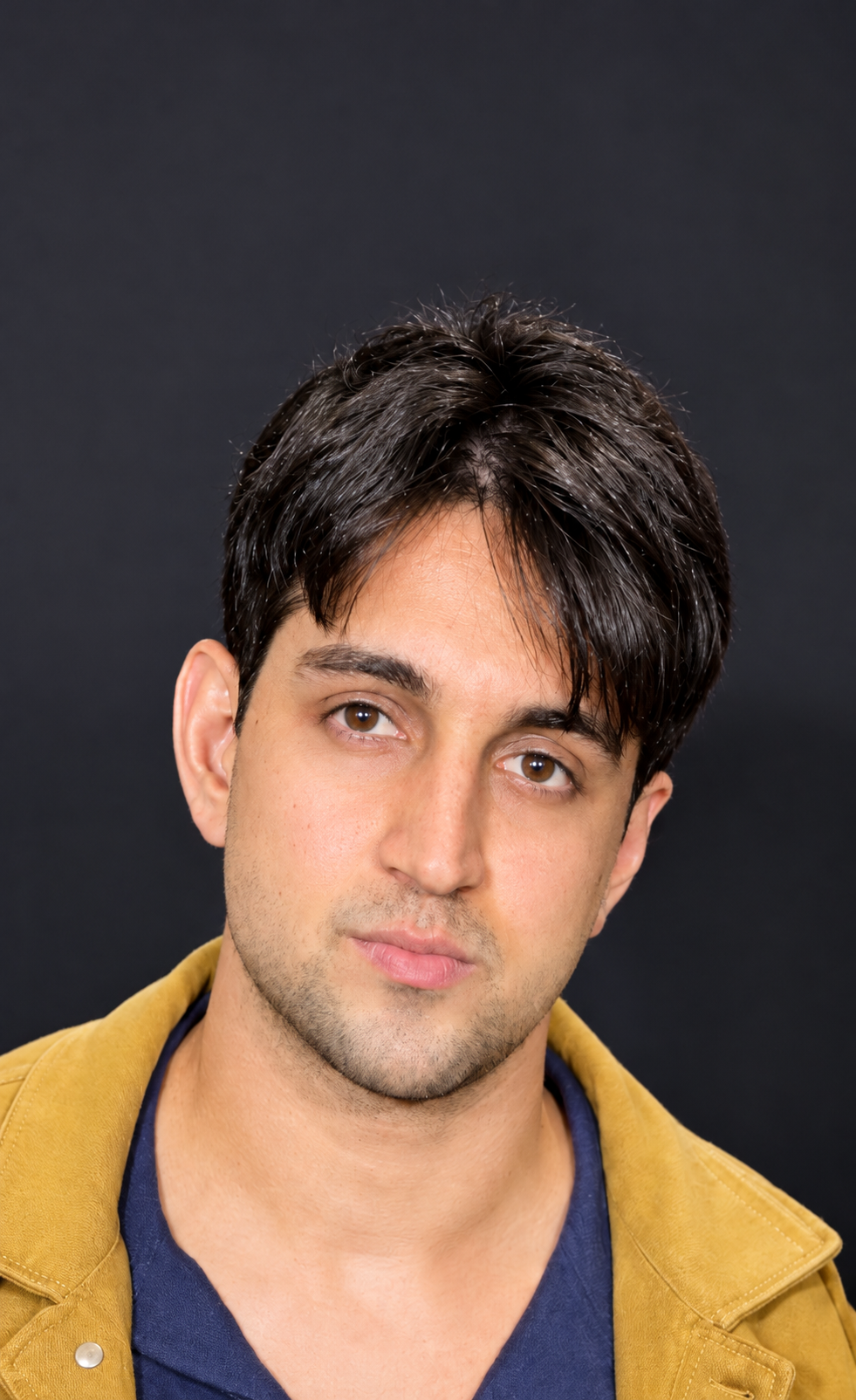
As a part of our series called “5 Things I Wish Someone Told Me When I First Became A Filmmaker”, I had the distinct pleasure of interviewing Sai Karan Talwar.
Sai Karan Talwar is an OSCAR Longlisted and YDA winning writer-director. His upcoming short film ‘I AM THE PRIZE’ stars Russell Tovey, it is based on the spec script he wrote with the BBC during the BBC Writers Room Programme. The film is set to be OSCAR Longlisted for 2027, BAFTA & BIFA qualified. ‘ I AM THE PRIZE’ premiered at Raindance nominated for Best UK Short, and Frameline nominated for Best Narrative Short. Followed by Hollyshorts and Out On Film. The film has won the Gold Screen Award at the Young Directors Award during Cannes Lions and the Inaugural Best Performance award for Russell Tovey at Hollyshorts, in addition to nominations for Best Live Action Short, Grand Prix, and Best Director. Sai is currently a BAFTA Connect Member, a recent BBC Writers’ Access Group Alumnus, and a 2023 Alumnus of the Disability Belongs Entertainment Lab. His Short Film debut ‘GHANIMAH’ is a BAFTA & BIFA Qualified Short Film that has been selected at just over 60 film festivals, including OSCAR-accredited festivals, with over a dozen wins and nominations; the film is about Islamic enrolment into the British Military. His second short film ‘WHAT MEN DO FOR LOVE’ is a 15-minute single-take film; the film was OSCAR Longlisted for 2026.
Thank you so much for joining us in this interview series! Our readers would love to get to know you a bit better. Can you tell us a bit of the ‘backstory’ of how you grew up?
I grew up in Southall, West London, in a British Indian immigrant household. My grandfather owned a video shop called Film City, so I grew up surrounded by films from all over the world. It exposed me to different cultures, perspectives and ways of storytelling from a very young age. Growing up between cultures has had a huge influence on my work, particularly my interest in identity, belonging and people who exist on the margins.
Can you share a story with us about what brought you to this specific career path?
I think it started in my grandfather’s video shop. I was exposed to everything from Bollywood to European art-house cinema. I didn’t necessarily see filmmaking as a career initially, but in my late teens I started writing. Eventually, I realised that film was the medium through which I could explore the questions and contradictions I was interested in. I made my first short film in 2022, and I’ve been fortunate enough to continue making films since.
Can you share the funniest or most interesting story that occurred to you in the course of your filmmaking career?
Probably discovering just how seriously people take character’s such as Anthony Selvon in our film. While making I AM THE PRIZE, we were exploring a character who believes he has all the answers to life. It was fascinating watching how confidently people can perform authority, even when they’re deeply insecure themselves.
Who are some of the most interesting people you have interacted with? What was that like? Do you have any stories?
I’ve been fortunate to work with some extraordinary people, particularly Russell Tovey, who stars in I AM THE PRIZE. Working with someone of his experience and generosity was incredibly rewarding. What struck me most was his willingness to be vulnerable and explore the contradictions within his character. I’ve also met some fascinating filmmakers through festivals, many of whom have completely different approaches to storytelling but share the same passion for cinema.
None of us are able to achieve success without some help along the way. Is there a particular person who you are grateful towards who helped get you to where you are? Can you share a story about that?
My family, particularly my father, Shamender, have been instrumental in helping me pursue filmmaking. Independent filmmaking requires an enormous amount of belief, often before there is any tangible evidence that something will work. I’m also incredibly grateful to TUFF.EARTH for supporting I AM THE PRIZE and believing in the film’s vision. Their support helped bring the project to life and championed the importance of telling stories that challenge perspectives and create meaningful conversations. Ultimately, I’m grateful to everyone who has trusted me with my ideas and helped bring them to life.
Can you please give us your favorite “Life Lesson Quote”? Can you share how that was relevant to you in your life?
“Be the change you wish to see in the world.” It’s a reminder that if you want to see different stories, perspectives and voices represented, you have to take the initiative yourself. Rather than waiting for permission or opportunities, I’ve tried to create them through my filmmaking.
What are some of the most interesting or exciting projects you are working on now?
I’m developing several projects across film and television. One particularly personal project is Meadow Road, an archival documentary built around a decade of home videos documenting my parents’ lives and their journey as immigrants in Britain. I’m also developing The Incumbents, a feature film expanded from a pilot I originally developed through BBC Writersroom, which I AM THE PRIZE is based on.
Which aspect of your work makes you most proud? Can you explain or give a story?
I’m most proud when a film creates a conversation that extends beyond the screen. I’m particularly proud that we’ve approached inclusion as something that informs the filmmaking process itself, not simply what appears on screen. Seeing the film connect with audiences internationally has been incredibly rewarding.
Ok super. Here is the main question of our interview. What are your “5 things I wish someone told me when I first started” and why. Please share a story or example for each.
1. Don’t wait for permission. Nobody is going to hand you the perfect opportunity. I made my first short film in 2022, and that experience taught me that sometimes you just have to make something.
2. Your perspective is your greatest asset. Don’t spend your time trying to imitate somebody else’s voice. My upbringing in Southall and experiences growing up between cultures have shaped the stories I want to tell.
3. Learn to embrace rejection. Filmmaking is full of setbacks. A rejection doesn’t necessarily mean your work isn’t good; sometimes it simply isn’t right for that particular person or opportunity.
4. The people you work with matter enormously. A film is a collaborative medium. Surround yourself with people who challenge you, believe in the work and bring something different to the table.
5. Stay curious and never stop learning. Watch films outside your comfort zone, read, travel and engage with people whose experiences differ from yours. The more you understand the world, the more interesting your stories become.
When you create a film, which stakeholders have the greatest impact on the artistic and cinematic choices you make? Is it the viewers, the critics, the financiers, or your own personal artistic vision? Can you share a story with us or give an example about what you mean?
Ultimately, my personal vision comes first. I think filmmaking becomes less interesting when you’re trying to anticipate what critics, financiers or audiences might want. That doesn’t mean ignoring your audience; quite the opposite. I want people to engage with my films, challenge them and perhaps disagree with them. With I AM THE PRIZE, we deliberately explored uncomfortable contradictions around masculinity and identity rather than offering audiences easy answers.
You are a person of great influence. If you could start a movement that would bring the most amount of good to the most amount of people, what would that be? You never know what your idea can trigger. :-)
I’d start a movement centred on empathy and critical thinking. We live in a world where people are increasingly encouraged to choose sides, follow personalities and accept information without questioning it. I’d love to see a greater emphasis on understanding different perspectives, challenging our own beliefs and treating people with compassion. I think a lot of the world’s problems begin when we stop trying to understand one another.
We are very blessed that some of the biggest names in Business, VC funding, Sports, and Entertainment read this column. Is there a person in the world, or in the US whom you would love to have a private breakfast or lunch with, and why? He or she might see this. :-)
I’d love to have lunch with Martin Scorsese. His understanding of cinema, morality, religion and human nature has had a profound influence on me. I’d be fascinated to hear how he approaches storytelling after decades of filmmaking, and how he continues to find new questions to explore through cinema.
How can our readers further follow you online?
Readers can follow my filmmaking journey and updates on my projects, including I AM THE PRIZE, on Instagram at @saikarantalwar. I’m also on IMDb, where they can find my filmography and latest work.
This was very meaningful, thank you so much! We wish you continued success!
About The Interviewer: Tavares Beverly ( www.tavaresbeverly.com ) is the Founder and CEO of Beverly Boy Productions, a national video production company that has helped organizations tell their stories through video for more than two decades. Over the course of his career, he has worked with everyone from Fortune 500 executives and healthcare professionals to politicians, nonprofit leaders, educators, and artists, gaining a unique perspective on the role communication plays in leadership, business, and human connection. A frequent contributor on topics including communication, entrepreneurship, leadership, and personal development, Tavares believes that the ability to communicate effectively is one of the most valuable skills a person can develop. His work is driven by a passion for helping organizations connect with their audiences and helping individuals unlock their potential through mentorship, perseverance, and meaningful relationships. To learn more, connect with Tavares on LinkedIn or visit www.BeverlyBoy.com . If you’re interested in using the power of storytelling and communication to grow your organization, strengthen your brand, or inspire your audience, he welcomes the opportunity to connect.