When I started my company, I needed to ensure the quality of the product was among the best in the business. When I had my first few demo knives, I went to my father and had him try them out in his kitchen but didn’t tell him they were MY knives.
Business
Ryder DelSignore on Scaling a Self-Funded Cutlery Brand, Overcoming Age-Related Skepticism, and the Power of Positive Thinking
The founder of Ken Knife Co. shares how he launched his self-funded culinary brand during the pandemic and learned to navigate the realities of being a young entrepreneur.
As a part of our series called “My Life as a TwentySomething Founder”, I had the pleasure of interviewing Lauren Kennedy.
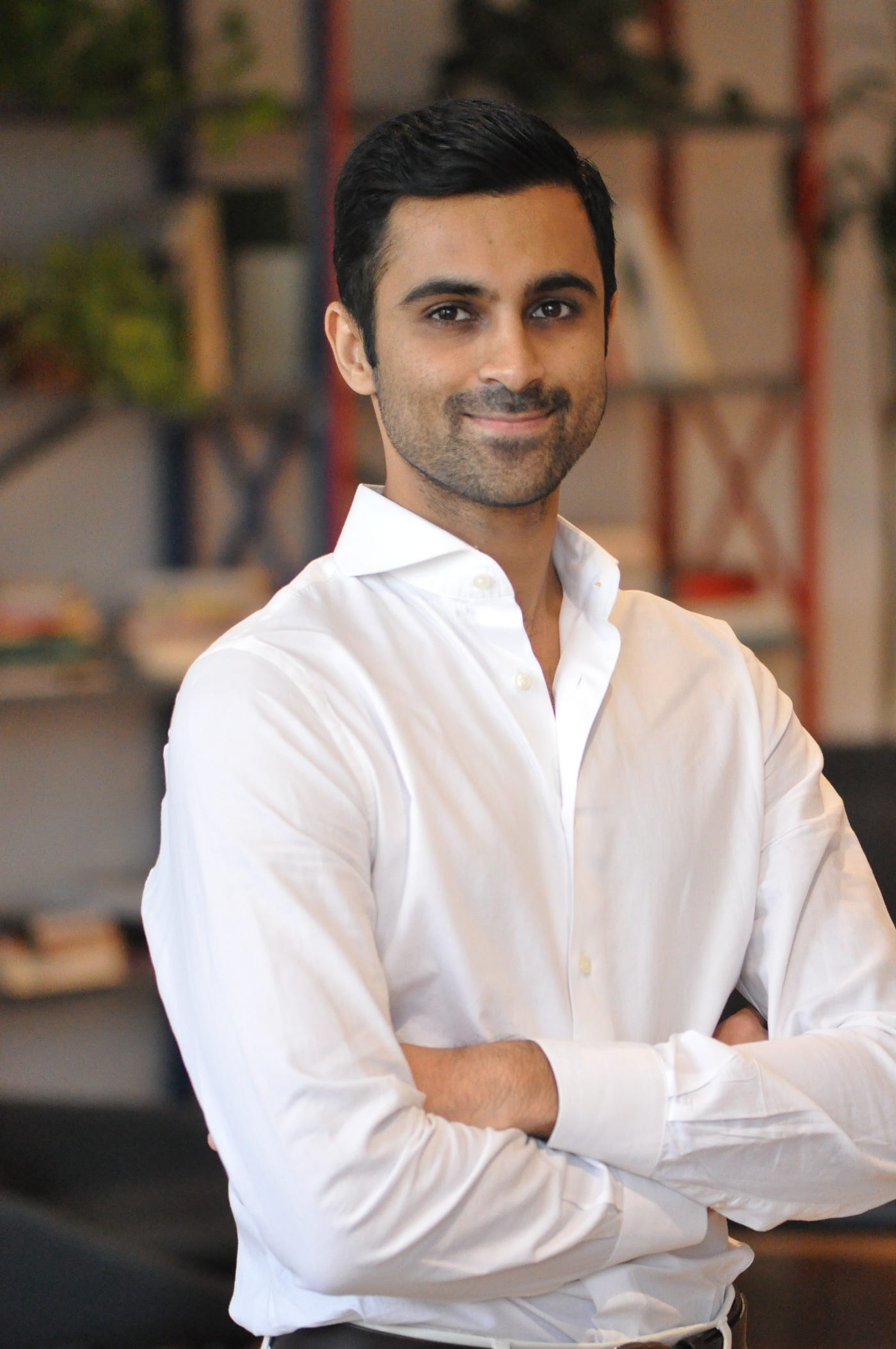
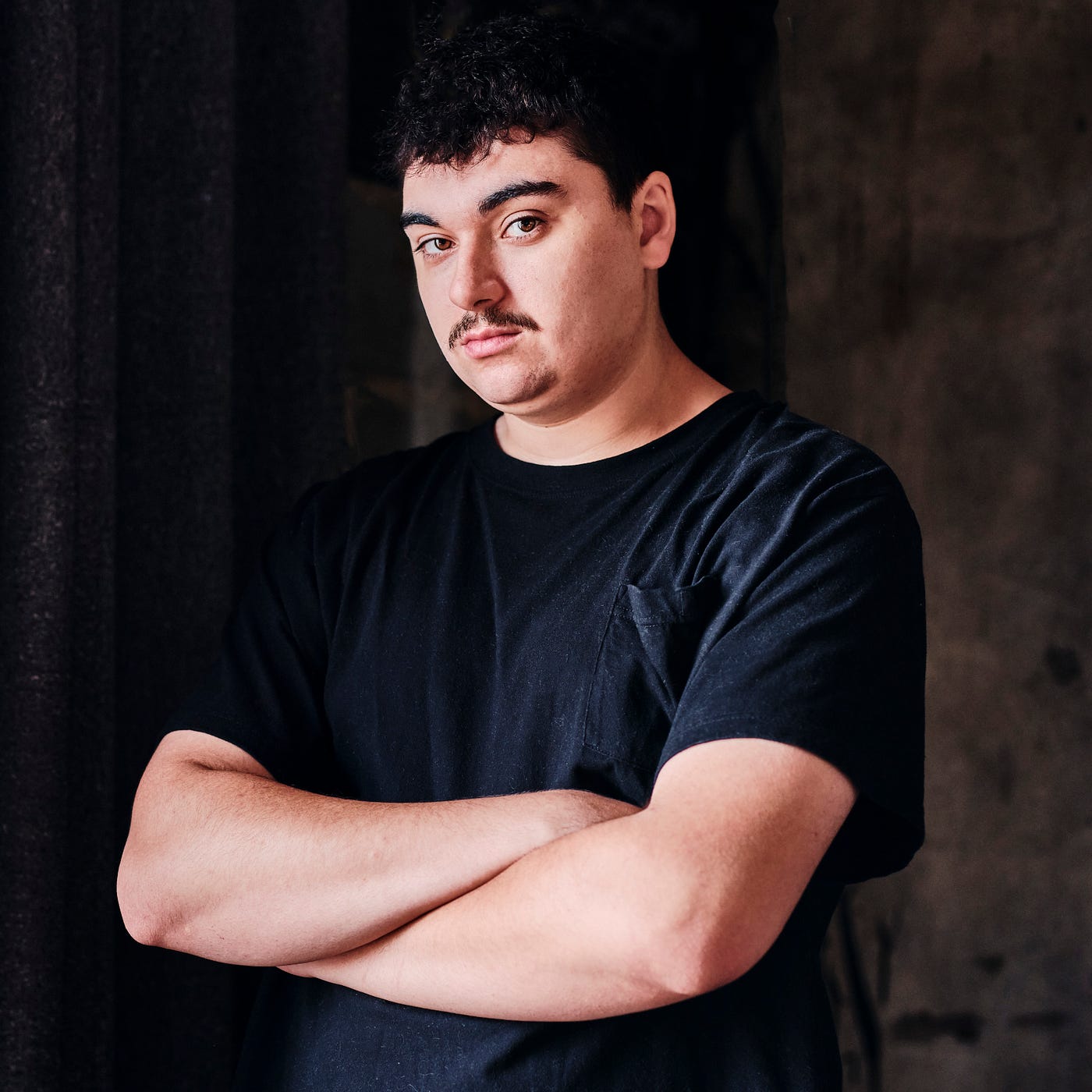
Ken Knife Co. was founded during the pandemic by 27-year-old Ryder DelSignore (son of chef Luciano DelSignore). He only shared with Luciano that he had created the knives once he had one to demo for his dad, who was blown away and is now using them himself.
The company was self-funded by Ryder, and he’s had well over six figures in sales in 10–12 months. The company is on trend to continue growing exponentially in 2022. The knives are sold exclusively online at https://kenknifeco.com, and he has a significant and growing following with the BBQ crowd in California.
Thank you so much for joining us in this interview series! What is your “backstory”?
My name is Ryder DelSignore, and I am the founder of Ken Knife Co. and son of chef Luciano DelSignore. I grew up in my father’s fine-dining restaurants and fell in love with the art of cooking, and particularly working with great chefs’ knives, which I believe are the most important tools in the kitchen. I founded my company in 2020 during the pandemic and have grown my sales 4x year-over-year. My company is 100% self-funded, and I’ve seen a substantial following develop within the BBQ enthusiast community in California.
Can you share the funniest or most interesting story that happened to you since you started your company? What lessons or takeaways did you take out of that story?
When I started my company, I needed to ensure the quality of the product was among the best in the business. When I had my first few demo knives, I went to my father and had him try them out in his kitchen but didn’t tell him they were MY knives. He was impressed by the quality and cutting ability, and it was only then I told my dad I had created these knives and planned to sell them to chefs and cooking enthusiasts across the world. He was fully supportive and now uses Ken Knife Co. knives in all of his restaurants and as well as at home.
Something I find humorous — the knives themselves are made in Japan, and then shipped to the United States, and now I’m seeing an increasing interest in my knives by people in Japan, and many orders are ending up back near where they were manufactured.
What do you think makes your company stand out? Can you share a story?
It was important to me to create something that was unique and not mass produced. I wanted my customers to have a product they can be proud of owning, and have the ability to purchase knives of a quality not many others have experienced. This inspired me to create what have proven to be some of our most popular knives — the one-of-a-kind tie-dye handles. Each handle has a unique color and design, making each knife a one-of-one. The owner of each respective knife can say they have something no one else in the world has.
None of us are able to achieve success without some help along the way. Is there a particular person who you are grateful towards who helped get you to where you are? Can you share a story?
I wouldn’t be where I am today without the support of my girlfriend, Robin. She has encouraged me from the start, and has been a steady voice as I navigate being an entrepreneur.
There were times in the beginning of launching the business that I would grow frustrated with the process. Robin would push me to keep my goals and ambitions in mind, and also had the foresight to tell me when I just needed an evening away from the business to clear my head. She was actually the first person to encourage me to go into business for myself.
Are you working on any exciting projects now?
I’m currently partnering with a fine meat distributor in Michigan, Fairway Meat Packing, and designing knives that will help them produce the best and cleanest cuts possible. It is my goal to build this side of the business and partner with other like-minded companies who may be seeking specialty knives and cutlery.
How have you used your success to bring goodness to the world?
I’m actively seeking ways to give back to the community. I have plans to donate some of my knives to soup kitchens and similar nonprofits across the southeast Michigan region so they may have a product that will last and be adequate to help them manage the sheer volume of food they work with each year.
As I continue to grow, I’ve become a vocal advocate for friends who have dreams of launching their own companies, and lend my learnings and experiences to them whenever possible.
Do you have a favorite book that made a deep impact on your life? Can you share a story?
The Power of Positive Thinking by Norman Vincent Peale. Whenever I find myself getting caught up in something or my frustration boils over, I am reminded to keep things in perspective and of how powerful positive thinking can be both in business and life.
Can you share 5 of the most difficult and most rewarding parts of being a “Twentysomething founder”. Please share an example or story for each.
1. People will underestimate you because of your age.
As someone in their 20s, I constantly deal with people who assume I am not the owner of my business, or that I work under someone else. They are always surprised when they learn of my story, and once I share my goals and visions, they are impressed with what I’ve accomplished at such a young age, and often want to learn more.
2. People may assume you may have built more success than you actually have.
Conversely to what I mentioned previously, some people will learn you own a business at a young age and expect you to have all of the answers. This can be discouraging when people act surprised when you may not have achieved the success they perceive you should, namely in sales figures. My advice to young entrepreneurs is to block out the noise and never compare yourself to others.
3. Social media and online marketing continues to be a growing part of a successful business plan.
Staying on top of my social media accounts can be daunting amid running other parts of the business. One advantage I have is being a “digital native”, or someone who has grown up in the digital age. The nuances of social media come second nature to me, and I feel I have a leg-up compared to those who may have to learn how to navigate the platforms for the first time.
4. You have to be your own biggest advocate.
One of the most important lessons I’ve learned is that no one is going to be there to give you all the answers. You may have mentors in your life who can share their own experiences, but every business is different and there are certain things you just have to learn on your own. I’ve found that keeping my confidence up and finding the positives or silver linings in every situation makes all the difference in how I deal with adversity.
5. At this age, there is only room for growth.
Being a young founder and business owner is difficult. You’re constantly learning along the way. But this is also one of the most rewarding parts of learning as you go, as I can tangibly see how much I’ve already grown, and all of the opportunities I still have in front of me. I couldn’t be more excited about the future of Ken Knife Co.
What are the main takeaways that you would advise a twenty-year-old who is looking to found a business?
If you’re passionate about something, follow that feeling. Don’t let the fear of failure stop you from doing something that could be the best thing you ever do. You WILL have failures and missteps along the way, but you will also find those are some of the most important lessons you’ll learn. As long as you have a plan and believe in yourself, it’s always worth taking a shot.
We are very blessed that some of the biggest names in Business, VC funding, Sports, and Entertainment read this column. Is there a person in the world, or in the US whom you would love to have a private breakfast or lunch with, and why? He or she might see this. :-)
I would love to sit down with Bobby Flay and get his honest feedback on my knives.
What is the best way our readers can follow you on social media?
This was very inspiring. Thank you so much for joining us!
AM
Written by
Authority Magazine Editorial Staff
Editorial Desk · Authority MagazineThe Authority Magazine Editorial Desk produces, verifies, and edits long-form primary-source interviews with executives, innovators, clinicians, creators, and social impact leaders across Business, Tech, Pop Culture, Wellness, and Social Impact.

Published inAuthority MagazineTop Lessons, Top Authorities · 42K Followers
Exclusive, curated interviews with the leaders and changemakers shaping tomorrow. Leadership lessons, industry deep dives, and executive profiles.