Transitions teach us something new about ourselves; they expose our strengths and weaknesses, take us out of our comfort zones, and push us in ways we never expected.
Bio:
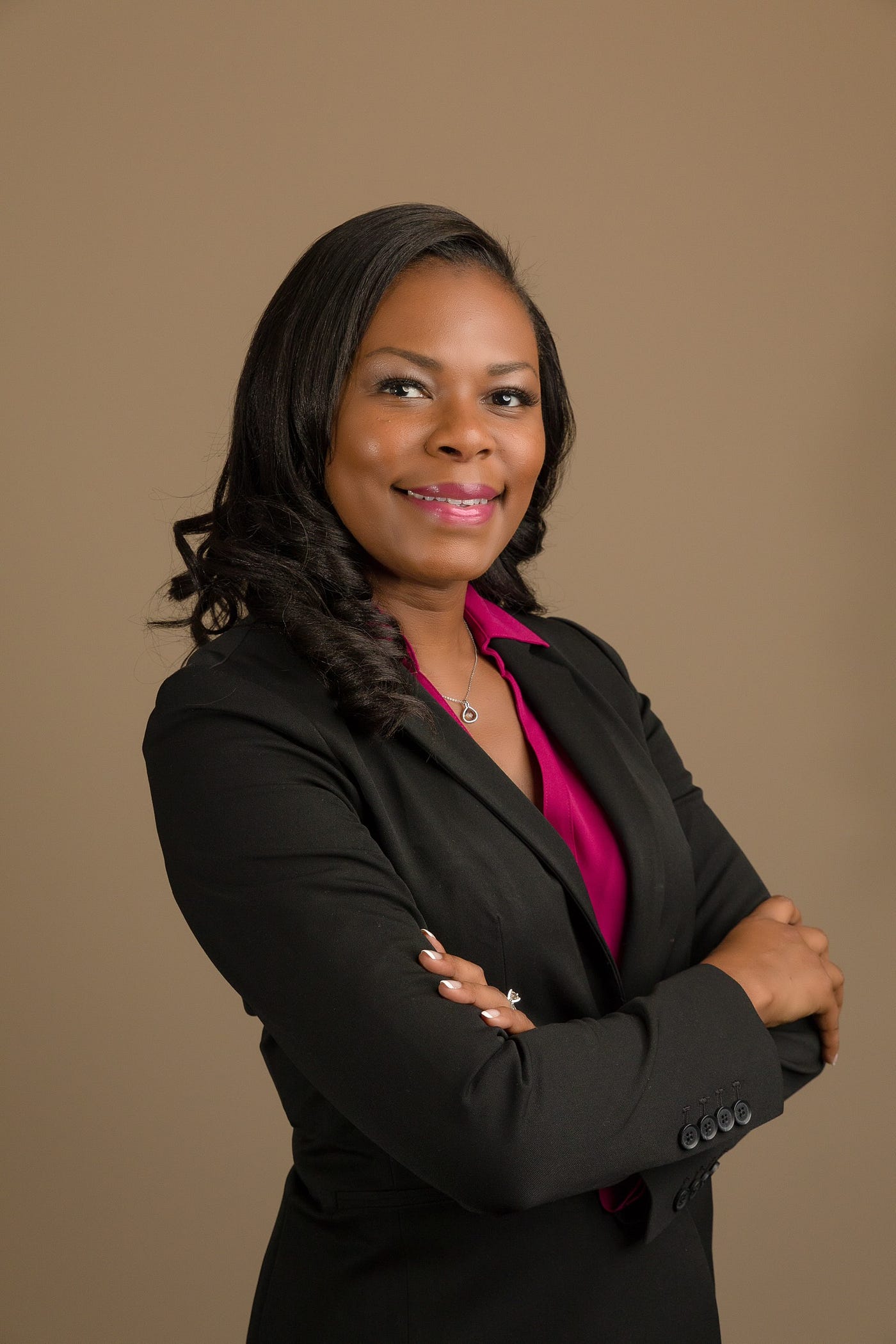
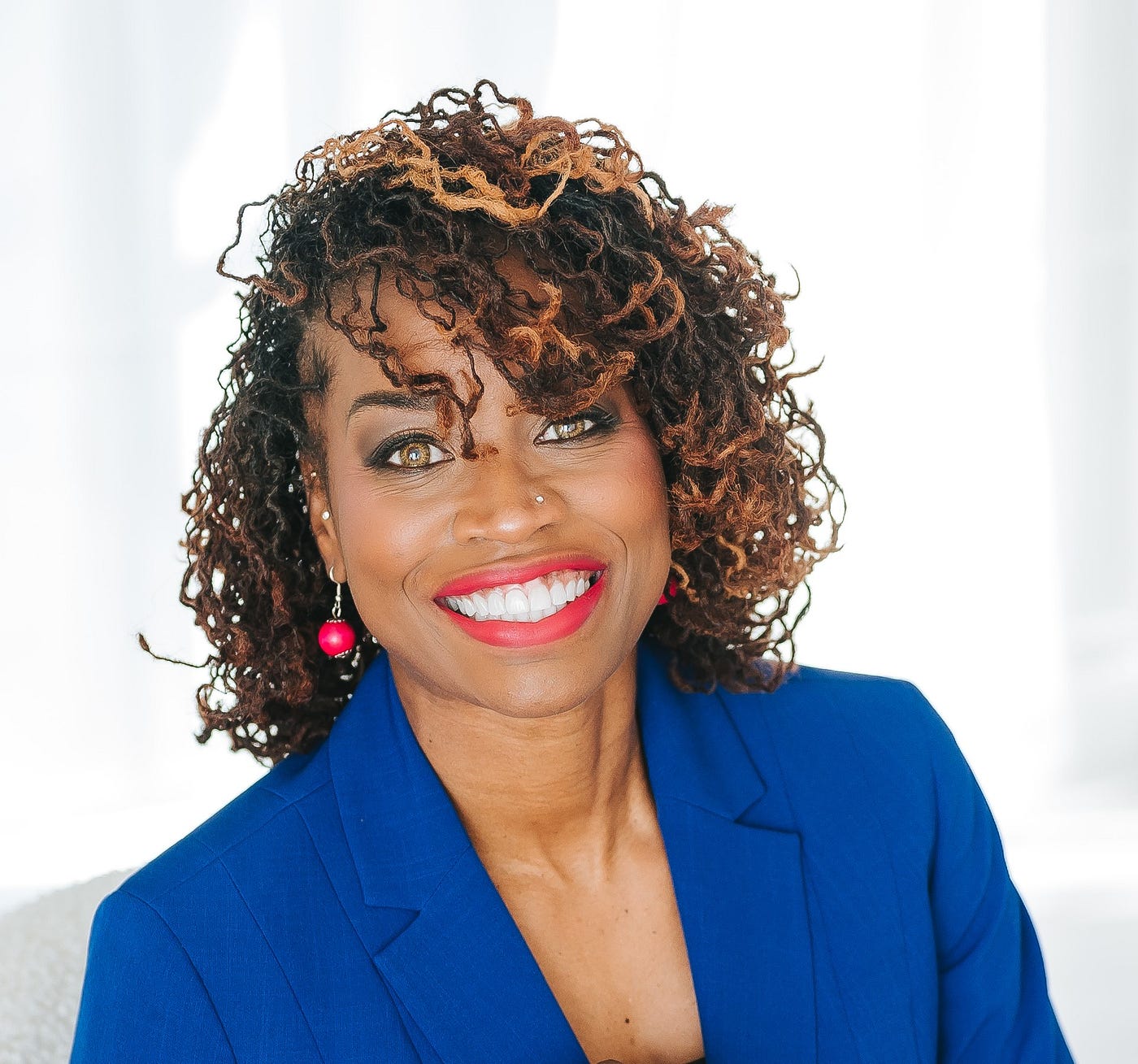
Renea Jones-Hudson was born in Kingston, Jamaica, and migrated to the United States at age 14. At age 18, she enlisted in the U.S. Army and served for 21.5 years. She is an Empowerment Coach for Military and Veteran Women, serves as the Vice President for Discovering Soldiers Potential (DSPII Waypoint) Veterans Service Center, Mentors 7 & 8th Grade Girls, and is a Veteran-Focused Life Insurance Agent, Podcast Host, International Best Selling Author and Speaker. Drawing upon her own challenges when she retired from service, she dedicated herself to connecting and supporting other female veterans with the resources they need to help make their transition from military to civilian life as stressless as possible. As an enthusiastic advocate for leadership, resilience, and community impact, Renea is committed to empowering others to rediscover, redefine, and reaffirm their purpose and live unapologetically beyond the uniform.
Thank you so much for doing this with us! Can you tell us a bit about your childhood “backstory”?
I lived in Jamaica for most of my childhood. Growing up, one of my biggest desires was college experience. As a child, I was hardly encouraged to dream, nor was there much talk about what we would become; it was the norm to take each day as it came. When we left Jamaica, we first migrated to the United States and later to Canada. I was an athlete (swimmer, sprinter, and soccer player), and in Canada, I discovered my potential and embraced other opportunities, especially athletic ones. Sprinting was natural for me, but I thrived on being faster and better. At one of my high schools, I was the second fastest female sprinter, increasing my drive to push harder and improve. Then there was soccer, which we call football in Jamaica. I remember being at a tryout for a traveling team; I knew how to play the game, but the only position I knew by name was the goalkeeper. I did not know the official titles for the other positions on the field, nor did I know the official rules of the game. But I wanted to play so badly that I volunteered to be the goalkeeper because no one else wanted that position. Looking back at that moment, I realize that event represents so much of my journey through life: doing things scared, seizing opportunities, learning on the go, and growing through the process.
And what are you doing today? Can you share a story that exemplifies the unique work that you are doing?
Today, I’m an empowerment coach, the Vice President of a Nonprofit (DSPII Waypoint), a Mentor to 7th & 8th-grade girls, an international best-selling Author, a podcast host, and a speaker. When I was a company commander, my Battalion Commander would have brown bag lunches where we would discuss a book he assigned. One of the books we had to read was John Maxwell’s 21 Irrefutable Laws of Leadership, an excellent book for any leader. However, the highlight for me was meeting and hearing John Maxwell speak in person, which was life-changing. I live by one of his phrases, “Be a value add in people’s life.” This drives what I strive to do daily for veterans, especially women veterans. Transitioning from the military is a unique experience for every veteran, and it’s a process that has the potential to leave many of us feeling hopeless, homeless, and worthless. However, with the right mindset, partnerships, and support, veterans can transition with less stress and more confidence and purpose in this next chapter of their lives.
Can you tell us a bit about your military background?
I enlisted in the Army at age 18 and served until I retired as a Captain 21.5 years later. I was an enlisted soldier for the first 13 years of my career (Private to Sergeant First Class), where I served as a Preventive Medicine Specialist (68S), the equivalent of a Public or Environment Health Specialist. For the last 8 ½ years of my career, I served as a Quartermaster /Logistics officer (90A). I transitioned to the officer corps at the height of my enlisted career. I was a Sergeant First Class when I went to Officer Candidate School. Personally, going from the rank of a senior enlisted to the rank of a second lieutenant was like being demoted back to the rank of a private. That shift for me as a prior service soldier was very humbling, and it didn’t help that although I was in my thirties, I looked just as young as the 2LTs coming out of college; respect did not come quickly for me at this rank, even with 13 years of military experience, I found myself having to prove that I was a seasoned soldier and not just a newly promoted college kid. I learned a lot from being an enlisted soldier to being an officer. That experience helped me understand the value and respect of people first, not just rank or title. It’s much like life: growing, learning, adapting, rediscovering, redefining, and balancing all those aspects to be a better version of yourself and to be responsible and accountable in each role. Transitions teach us something new about ourselves; they expose our strengths and weaknesses, take us out of our comfort zones, and push us in ways we never expected.
Can you share the most interesting story you experienced during your military career? What “take away” did you learn from that story?
One of the most memorable experiences was deploying as a Mortuary Affairs Officer during Operation Enduring Freedom. This experience validated how fragile and unpredictable life can be. It was an intense reminder (at least for me) that we are indeed our brother's keeper in the grand scheme of things, regardless of our differences. It’s a testament to why each of our life experiences is not just about us going through something at any given time, but that no matter how good or bad, especially when we overcome them, they are for our growth and development, for our learning, and for us to encourage, empower, and inspire others on their journeys.
We are interested in fleshing out what a hero is. Did you experience or hear about a story of heroism during your military experience? Can you share that story with us?
My greatest story of heroism so far is the story I recently read about women in history, especially women in the Vietnam War. The book “The Women” was written by Kristin Hannah. The story she told, while fiction, was based on actual accounts from the women who served in the Vietnam hospitals, and while I did not have some of the same experiences, I can identify with some of what the women went through because, to some degree, women’s roles, capabilities and contributions in the service at one point were greatly minimized. Invalidating their service in combat because they were “just nurses,” hearing the dismissive claim that “there were no women in Vietnam,” enduring the pain of suffering in silence with PTSD while being forced to remain invisible—these women bore the additional burden of being spat on, called names, and disowned, not just by their families but by the very nation that sent them to war. Those women were heroes. They returned home to a different battlefield, fighting for acknowledgment, recognition, and respect for their contributions and sacrifices. They fought for their place in history for a very long time, paving the way for women like me to serve and for future generations of women to continue serving with pride and purpose.
Based on that story, how would you define a “hero”? Can you explain?
Knowing what I know now and drawing on my experience, my definition of a hero is a person who risks and sacrifices their life for people they don’t know and, in some cases, will never know; a hero is coming home a different person than the way you left, forever changed, mentally, physically, and emotionally and choosing to live each day, even the hard ones; a hero is a person who overcomes challenges and redefine themselves post-military by finding purpose and strength; a hero is the one who continues to serve in and out of the uniform, using their experiences to add value to others; a hero is resilient, steadfast and committed, courageous and dedicated to leading others while navigating their struggles. They act courageously and are selfless in the face of fear and adversity. A hero cares less about recognition and more about doing what’s right for others.
Does a person need to be facing a life-and-death situation to do something heroic or to be called a hero?
I believe that at any given moment, we all have been a hero in some way, to someone, and even ourselves. The Bible says that “we entertain angels unaware,” and why I believe that to be important because sometimes, a simple act of kindness can make you a hero. A smile can change someone’s life at just the right time, making you a hero. Giving in any way (time, money, energy, effort, and space) could mean the difference in life or death for that person on the receiving end. Heroism can happen in everyday life, and it does not have to be a grand gesture like Superman or Wonder Woman, although that would be so cool.
Based on your military experience, can you share with our readers 5 Leadership or Life Lessons that you learned from your experience?
Be the example: People are more likely to follow your lead when you walk the same way you talk. As a leader in the military, I always strived to lead by example; one way was to get down and dirty with them when it mattered most.
Adaptability is Key: This is one of the most important lessons you can learn in the military: that every situation is different, plans change, and mission changes, but you must have the ability to pivot during unexpected circumstances.
Teamwork Makes the Dream Work: I learned more about the value of collaboration as a civilian; in the military, we collaborated well, but it was effortless. Outside of the uniform, collaborating was more challenging; I was uncomfortable because I had to go out and connect with people, and I felt I had very little in common. However, I realized the value of networking and collaborating to multiply individual efforts. The best successes came from learning about each other’s strengths.
Resilience Through Adversity: Hard times teach you to persevere. Navigating the entrepreneur rollercoaster is a great example of this. The highs and lows can make and break you; this is where the people in your network can be that source of strength and encouragement.
Always Keep Learning: Life is an ongoing lesson; it teaches us something new daily. Sometimes, we may have to revisit some lessons to get them right, but as long as you live, keep learning and growing. You don’t always know what you think you know.
Do you think your experience in the military helped prepare you for business? Can you explain?
Absolutely. When I first retired from the military, I opened a fitness studio based on the leadership skills I had mastered in the military. I had discipline; I knew how to problem-solve, think critically, and follow through with my promises to my clients; however, what I learned on the job was what I needed to run a successful business and how to operate as the CEO of my business. Being in the military also taught me how to lead and make decisions under pressure, which are skills that translate directly into entrepreneurship and leadership.
As you know, some people are scarred for life by their experience in the military. Did you struggle after your deployment was over? What have you done to adjust and thrive in civilian life that others may want to emulate?
Transitioning was challenging; there were periods of unbelievable highs and intense lows. I faced insecurity and doubt, and I struggled to understand my purpose and find my identity. However, I leaned on support networks, like getting counseling from the Veterans Affairs, coaching, pursuing personal development, and staying open to possibilities and opportunities. I would encourage others to seek mentorship or become a mentor, focus on their strengths, start by volunteering, and embrace their next chapter with an open mind; you never know what doors will open when you are willing to say “yes” to life.
Are you working on any exciting new projects now? How do you think that will help people?
I am working on several things now. I have developed a coaching program tailored to transitioning service members called Path to Purpose, with resources for career planning, personal growth, and community building. I also have a Podcast on the Bold Brave TV Network called Living Unapologetically Beyond the Uniform. I am working on my second book (another Anthology), "Our Journey from Girls to Women,” and have several speaking engagements in the new year. My platform is designed to empower female veterans to rediscover, redefine, and reaffirm themselves in this next chapter, despite our past experiences and life's obstacles, and to do so “Unapologetically.” My platform is a way for me to serve outside the uniform and to provide the structure and encouragement many need to thrive post-service.
What advice would you give to other leaders to help their team to thrive?
Create an environment of understanding, trust, and mutual respect, especially when working with veterans; veterans are unique in what they can bring to an organization. One of the most important lessons I have learned is communicating in a language your team understands and getting to know them. Celebrate with them, support them through challenges, and always be willing to empower and educate. When people feel valued, they’re more likely to excel. Lastly, be humble enough to listen and to learn. We don’t always know what we think we know.
What advice would you give to other leaders about the best way to manage a large team?
Communicate, delegate, set them up for success, and empower them with more responsibilities. Understanding their strengths and giving them ownership of tasks creates a sense of ownership, encourages accountability, and boosts morale.
None of us are able to achieve success without some help along the way. Is there a particular person who you are grateful towards who helped get you to where you are? Can you share a story about that?
I have had some good leaders, many of whom were females. One of my most memorable was SGT Kineta Lyde; she was an old soldier (not in age, but in wisdom) and my team leader when I first deployed to Bosnia. I didn’t know how much I needed her in my life in those moments until years later. She always encouraged me, telling me I needed to be better than her, that I could do better than her; in my eyes, she was beast mode. She never let me settle; even when I knew I did amazing, she always reminded me that I could do more. On the flip side, she had this quiet confidence and humbling way about herself; with her cool and calming smile, she always had an encouraging word, even in the most discouraging situations.
Today, I cannot take all the credit for my success; I have the right support from my coaches, the right friends, a spiritual guide, the right business partners, support from my husband and children, and all the help that God places along the way. I am always grateful for any help, great and small, that gets me closer to my goal of serving in this chapter of my life.
How have you used your success to bring goodness to the world?
I am dedicated to inspiring, empowering, and transforming others through all my mediums: Coaching, Speaking, Podcasting, Mentoring, or Volunteering. I aim to help other female veterans find their purpose and succeed in their unique journeys confidently and unapologetically.
You are a person of great influence. If you could inspire a movement that would bring the most amount of good to the most amount of people, what would that be?
I would inspire a movement empowering women veterans to fill gaps that will serve their communities with every available opportunity and thrive post-military. When we create communities of support and platforms for mentorship and shared experiences, we can build a stronger support network for all.
Can you please give us your favorite "Life Lesson Quote"? Can you share how that was relevant to you in your life?
“You must do the things you think you cannot do” by Eleanor Roosevelt. This quote is the epitome of my journey, and it reminds me that growth extends beyond my comfort zone and that we have it in us to do the things that scare us and to do hard things. When I first transitioned from the military, I was ready for something different, but I was not prepared for the journey through it. Stepping into an unfamiliar world, figuring out who I was outside of the uniform, redefining my life, and finding purpose became overwhelming. There were moments when I wanted to do nothing, feel nothing, and I often felt lost and alone. But every time I did something that scared me, I grew stronger, more confident, and more resilient. When I overcome negative thoughts of doubt, insecurity, imposter syndrome, and the like, I am reminded of this quote and its power.
Thank you so much for these amazing insights. This was truly uplifting.
Thank you! I appreciate and I am grateful for this opportunity to share my story.