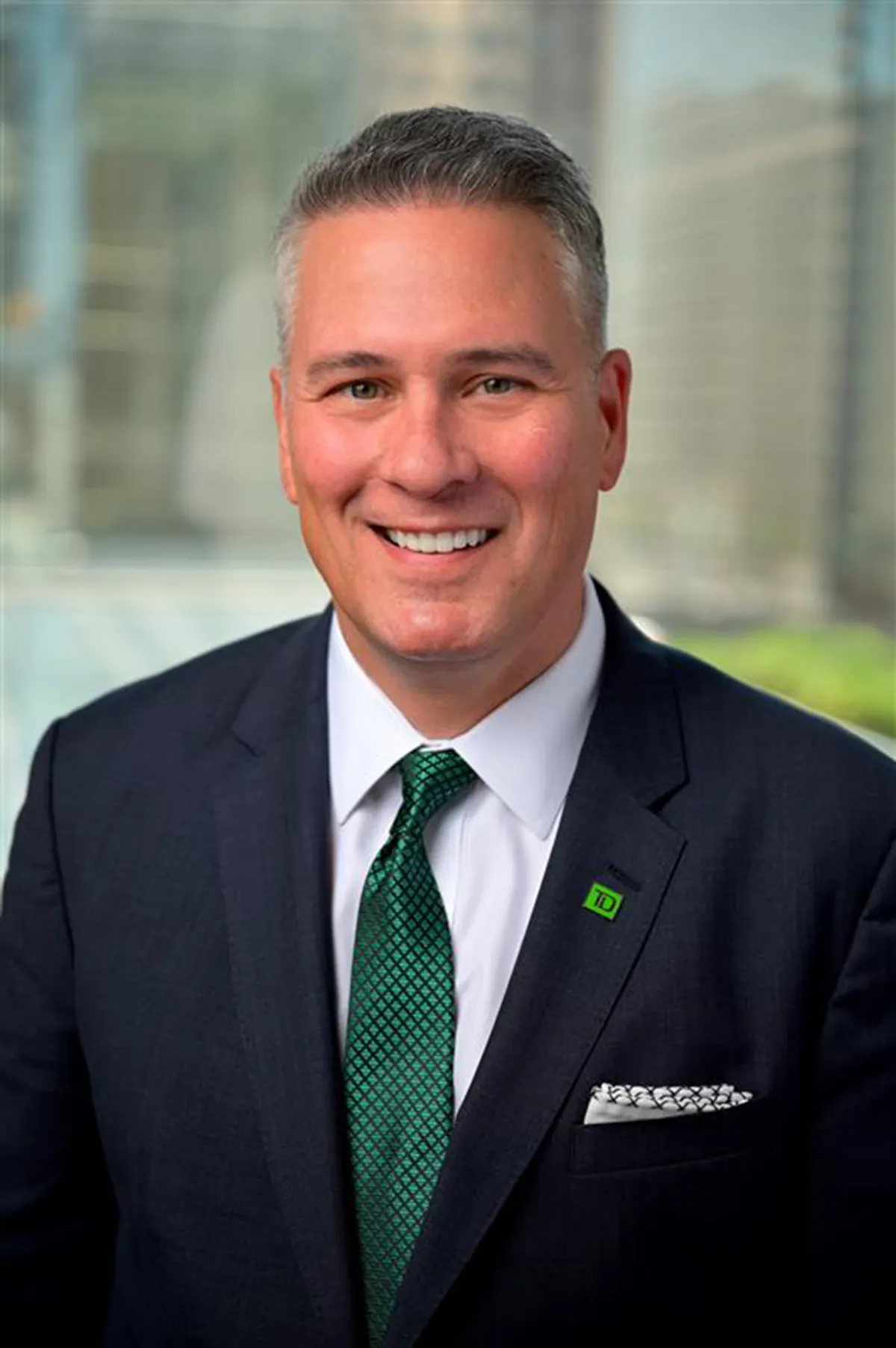
Throughout my career, I’ve found that the most interesting stories are the ones where you’ve had an impact.
TD Bank's Paul Bajus shares how his military background and dedication to purpose-driven leadership shaped a successful career in financial services.
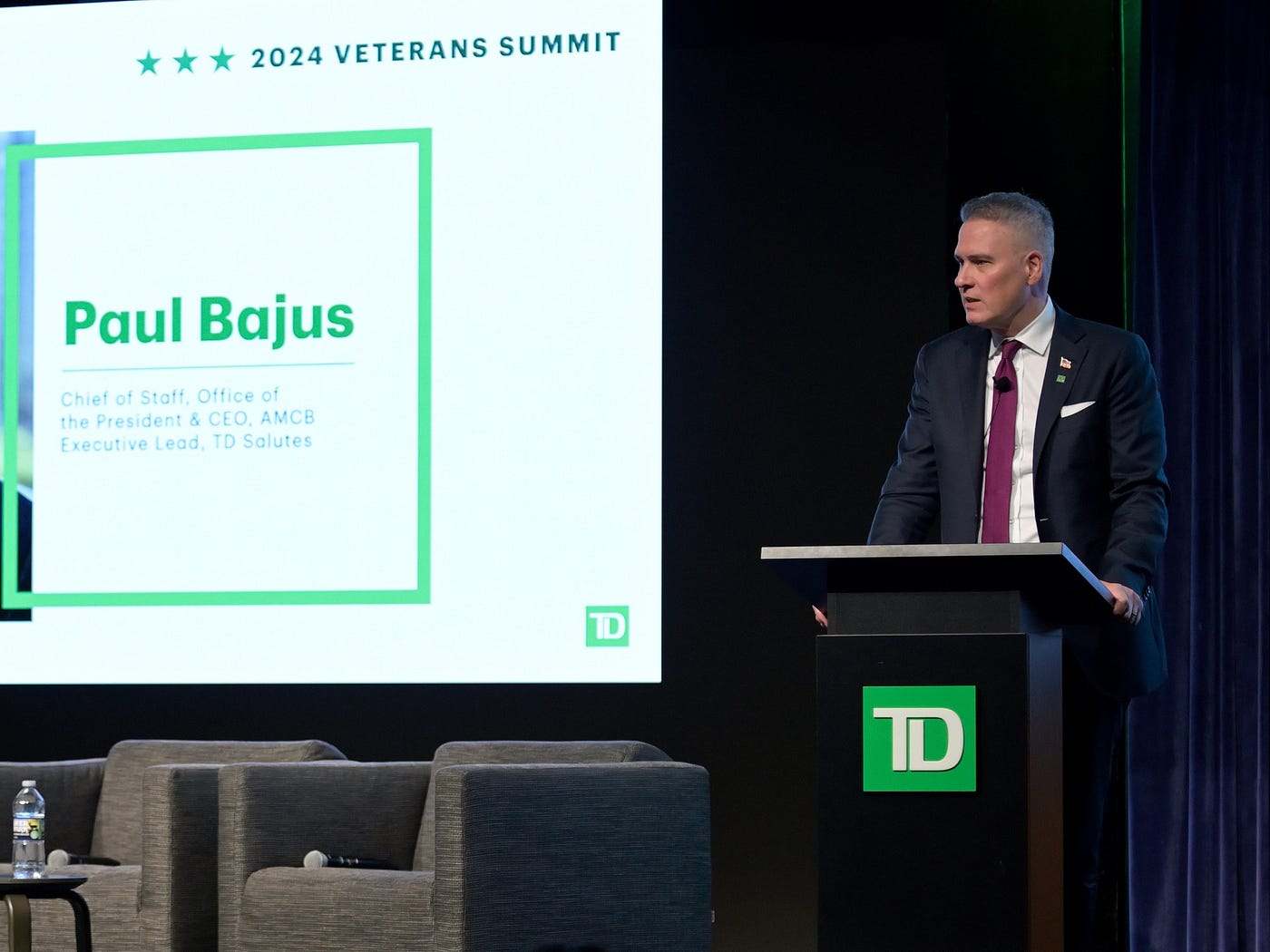
Throughout my career, I’ve found that the most interesting stories are the ones where you’ve had an impact.
Every leader’s journey is shaped by pivotal moments, but sometimes a single decision can alter the entire trajectory. What is that one choice that redefined your path and changed everything for your leadership journey? How did it impact your approach, vision, and success? As part of this series, we are interviewing Paul Bajus.
Paul Bajus is a Senior Vice President and the Chief of Staff to Leo Salom, President and CEO of TD Bank, America’s Most Convenient Bank®. Paul joined the Office of the CEO in March 2024. As Leo Salom’s Chief of Staff, Paul’s wide-ranging responsibilities include serving as an adviser to and representative of the CEO in areas including strategic planning, strategy management, and process and operational improvement.
Paul joined TD in June 2020 as the Head of U.S. Contact Centers, leading TD’s Contact Center strategy and managing operations for 12 differentiated lines of business. His team included more than 2,800 colleagues, serving 10 million customers across TD’s U.S. footprint. Paul significantly improved operational efficiency during his tenure, creating a staffing and hiring model to ensure consistent performance against service level objectives, rebuilding the leadership team, and reducing negative colleague attrition to record-low levels. Paul also led the team to achieve dramatic, consistently record-setting LEI performance improvements. Prior to joining TD, Paul led Wells Fargo’s Specialized Contact Centers, with oversight of more than 5,500 team members.
Paul served 15 years in the U.S. Army in active duty and reserve service, both as an enlisted soldier as well as a commissioned officer. As a past board member of the United Way, SEDCOR and Chemeketa Community College, Paul is passionate about the education and financial wellbeing of our colleagues and customers. Paul proudly serves as TD’s Executive Lead for TD Salutes, TD’s veterans and allies community, championing efforts to celebrate and support veterans across the bank.
Thank you so much for joining us in this interview series. Before we dive into our discussion, our readers would love to “get to know you” a bit better. Can you share with us the backstory about what brought you to your specific career path?
My career path was influenced by a combination of circumstances, curiosity, and commitment. Growing up as a second-generation American in Pittsburgh, PA, my family’s roots were in labor and construction. We lived in a modest neighborhood, right on the border of the two main school districts. I found myself attending the public school at the more affluent neighborhood and that environment — where for example college was an expected next step in one’s education — exposed me to many different possibilities for my career journey.
Immediately after high school, I joined the Army Reserves, which taught me discipline and resilience. While serving, I put myself through college — becoming a first-generation college graduate in my family. Along the way, I explored various jobs to pay for school, including one as a bank teller. It was there that I first discovered a passion for finance and business. I became fascinated by the blend of personal connection and financial expertise in banking, and from there, I knew I wanted to grow my career in this field.
I served a total of fourteen years in the US Army. During many of those years, I also established my career in banking at Wells Fargo, among other organizations, before finding my place at TD Bank. Over the years, my journey has been driven by a commitment to embracing new opportunities, learning from each step in the process, and finding fulfillment by helping others achieve their goals as well.
Can you share the most interesting story that happened to you since you started your career?
Throughout my career, I’ve found that the most interesting stories are the ones where you’ve had an impact. One that quickly comes to mind is from when I worked at Wells Fargo. The company was expanding its footprint, and, in my role, I was responsible for overseeing the development of our new division, which included hiring approximately 700 people. This project was one of the most rewarding opportunities, because I was in a position where I had to build the foundation for this brand new line of business, including its entire leadership team. I was in a critical role where my decisions would ultimately help transform hundreds of colleagues into one bonded community.
Another story that I think about often — a few years ago, a colleague from a previous team reached out to me on LinkedIn. In her message, she reflected on her first day on the job. She shared how much she valued our meeting on that first day, when I sat down with her to explain the ins and outs of a 401K after she mentioned not knowing much about retirement plans. Many years later, in the LinkedIn message, this colleague shared with me, “I’m retiring with dignity, because you took the time to invest in me and made sure I understood that.”
I think leadership is one of the greatest responsibilities, because in this role, we have an opportunity to connect with people and make lasting impact. That’s incredibly powerful and the reason why stories like these stick with me throughout my career.
What do you think makes your company stand out? Can you share a story?
I truly believe that TD Bank lives its ethos to be unexpectedly human. Of the many different organizations that I’ve encountered throughout my career, TD’s unwavering commitment to its people has made all the difference. This has allowed us to, not only deliver trusted financial services, but also create meaningful and lasting connections with our colleagues, customers, and communities. Whenever I ask people why they joined TD or what has made them stay so many years, they almost always respond, “it’s the people.”
This culture is exemplified in many ways, including TD’s mission to honor and support our veteran community. As a veteran myself, I’m proud to lead TD’s Veterans area of focus, driven by a passionate community of veterans, active service members, military family members, and allies. Through year-long initiatives organized by this group, TD strives to create pathways for veteran talent to gain visibility and recognition for their valuable contributions. This includes providing inclusive opportunities for our colleagues to demonstrate their skills and advance in their careers, including talent programs focused on the veteran and military families experience.
I’m also proud of how our organization prioritizes moments to give back to our communities through meaningful sponsorships and volunteerism. Earlier this year, I had the honor of volunteering with my colleagues at Arlington National Cemetery on Memorial Day weekend. I stood side by side fellow veterans and allies, as we dedicated our weekend to handing out flowers in honor of those who served. In this moment, I was reminded how powerful our actions, as a company and as individuals, can be. Our colleagues shared how meaningful it is to work at a company that prioritizes opportunities to give back to the community and allows them to bring their values to work. TD has supported the Memorial Day Flowers Foundation for over a decade, and this initiative is just one example of the culture we strive to foster.
You are a successful business leader. Which three character traits do you think were most instrumental to your success? Can you please share a story or example for each?
Service:
Volunteerism has always been a cornerstone of my career success. From early in my career, I would always volunteer for extra responsibilities, whether it was leading a team meeting, mentoring a new colleague, or stepping outside of work to get involved. I was constantly raising my hand to help. The act of serving others, whether through volunteerism or leading a team, has taught me to solve problems creatively, challenged me to step outside of my comfort zone, and strengthened my expertise in different areas — skills that deeply contribute to my leadership abilities. By being open to new opportunities and looking at the world from this perspective, you not only help others but also grow as a leader.
Curiosity:
I consider myself a lifelong learner and a ravenous reader. I believe that to advance in your career and guide others, you must have a desire to grow as a human being. Curiosity is the root of any great learning journey, and I try to embody that value throughout my career. So, I encourage aspiring leaders to be curious, well-read, listen, and ready to learn something new each day.
Empathy:
At its core, leadership is about your people. When I think about being a good leader, I ask myself, “what does my team need from me?” At the end of the day, we’re all working together to accomplish the same goals. As the leader of my team, I want to ensure that I understand their challenges, that I’m there to celebrate their successes, and ultimately that I’m providing them with what they need to get through good times and bad. I’m guided by the principals of servant leadership, to lead by prioritizing the needs of my team. I believe this form of leadership helps us develop strong bonds with our teams built on loyalty and trust, which sets us all up to succeed.
Ok, thank you for that. Let’s now jump to the primary focus of our interview. What was the pivotal decision that transformed your approach to leadership, and what prompted you to make it?
My decision to enlist in the Army transformed my career trajectory. Leadership presents itself in many ways: through one’s resiliency, integrity, and adaptability, to name a few. These are all values I gained during my time in the military. Serving our country taught me critical skills, showed me the value of teamwork, and has been an experience that continues to guide me throughout my leadership journey.
Service was woven into the fabric of my family long before I joined the military — my grandfather, my father, and my sister served — but my own journey began thanks to a friend from high school who had joined the Army. He visited our high school on a hometown recruiting tour, and I was amazed by how much he had changed — his maturity, his determination, sense of duty, and perspective on life. Seeing this transformation empowered me to enlist as well, and what began as a sense of duty became my way of life. The years I spent in service shaped who I am today and continue to influence the kind of leader I aspire to be.
How did this single choice impact your personal growth and your view on what it means to lead?
My time in the military instilled in me a strong sense of leadership. It taught me to never back down in the face of adversity, to adapt quickly to change, and to always keep the mission in sight. I also gained a deep understanding about the value of teamwork, compassion, and genuine connections.
During my service, I stepped into leadership roles at a young age. By twenty-five, I was a platoon leader for an entire unit. This meant supporting my team, guiding them through moments of change, empowering them to succeed, and bringing us together as a community. Experiences like those were powerful lessons on the meaning of camaraderie and the role of a leader.
Later, when I began my career in banking, my mentor at the time introduced me to the principals of servant-based leadership. The approach was such a natural fit with the lessons I learned from the military and taught me how to bring those skills to life in the civilian and corporate world — to lead by prioritizing the needs of my team. Making that connection allowed me to approach my leadership journey with authenticity. Now, in the business world, we still lead our teams through changes, lead with compassion, and cultivate a culture where our people can do their best.
What were some of the immediate and long-term effects of this decision on your team or organization?
My decision to enlist came long before my career in finance began. In the long term, I’ve gained skills that I believe have helped me cultivate a culture of resiliency within my teams. One example of this is how I try to approach problem-solving. In the military, you are constantly faced with unexpected challenges and changing circumstances. When you’re working in that type of environment, it’s essential that you learn how to remain calm, think on your feet, and find solutions under duress. Working in the corporate landscape can be equally fast paced in a different way. We’re constantly navigating change and being challenged to find new solutions for our customers and stakeholders. The notion of being resilient and remaining grounded has guided me throughout my military and civilian career and influences how I approach any scenario. I try to put things in perspective and empower my team to take a steady approach as well. Once we can approach a situation with that clarity and understanding, we can determine the necessary next best step to carry out our mission.
How did you handle any uncertainty or doubt while making this critical choice?
When I first decided to enlist in the army, it felt like a straightforward path — a way to put myself through school, gain new skills, and serve my country. However, when the time came to say goodbye to my family, the gravity of my decision really hit home. I questioned if I was strong enough to handle the mental and physical challenges ahead. During those first few months (and years), every new situation came with its challenges, but time after time, I found myself getting more comfortable and confidant in how I approached them and learned to trust my instincts. One of the biggest takeaways of those formative years is that uncertainty can be a catalyst for growth. Looking back, I see that those moments of doubt challenged me to test my limits, step outside my comfort zone, and learn to adapt.
What lessons did you learn from this decision that you continue to apply in your leadership today?
My time in the military often feels like a lifetime ago, but the lessons I learned continue to shape who I am today. There are habits that linger, like my weekly high and tight haircuts. My military life also taught me critical life skills that permeate into my leadership approach, such my sense of resilience, integrity, and teamwork. It taught me to never back down in the face of adversity, to adapt quickly to change, and always keep the mission in sight. These traits have been invaluable, not only in my professional career but also in how I approach life’s challenges.
Ok super. Here is the main question of our interview. What are your “Five Things You Need to be a Transformational Leader”? If you can, please share a story or an example for each.
Know Your Mission:
Whether I’m leading a platoon or leading a line of business, it’s essential that I understand my mission. In the military, you need to know where you’re going, what your goal is, and how you and your team are going to accomplish it. The same applies to the corporate world. If you don’t know your purpose, it’s easy to lose focus. Purpose-driven leadership is important not only for your personal success but also for the success of your team. They look to you for guidance and direction, and it’s your responsibility to lead them with confidence.
Build Trust:
Trust is the bedrock of a good leader. People want to follow a someone who is transparent, who listens, and who is true to their word. Even more, trust is an essential team value. In the workplace and in life, trust fosters confidence, creativity, and innovation. It empowers people to bring new ideas to the table, it strengthens a team’s bond, and it fosters greater collaboration. As a leader, you have an opportunity to cultivate a workplace culture that will impact every single person on your team. So, bring values like trust and transparency to the table.
Resilience:
No mission goes exactly as planned. It’s as true in the military as it is in the corporate world. This is why we must remain innovative and ready to adapt in any situation. Be open and ready for change, which can happen at any moment. Leadership is a continuous learning journey, so I encourage emerging leaders to approach every challenge as an opportunity to be creative, be flexible, and be solution oriented. This is the type of resilience that will strengthen your skills as a leader and guide your team through any situation that emerges.
Command with Care:
Leaders understand that people matter first. Before any bottom lines or new products, it is critical that we prioritize the workplace culture we’re developing, the team values we’re instilling, and the well-being of our people. Part of being a good leader means leading with compassion and care. It means valuing every individual on your team and ensuring that they have the support they need to thrive in their career. When our people feel their best, we’re stronger as a collective team and company.
Be Customer Obsessed:
At the end of the day, being a successful leader is about who you’re serving: the customer. Whether you’re supporting an actual customer, a business partner, your team member, or a stakeholder, your goal is to be solution oriented. Ask yourself, what is the problem, what can we accomplish, and how can we create seamless experiences for our colleagues, our customers, and our communities. Business objectives and leadership priorities always boil down to your people, and your role as a leader is to ensure that your people have the support to achieve their goals. So, no matter where you are in your career journey, never lose sight of the importance of being customer obsessed.
How has this decision influenced the advice or guidance you offer to emerging leaders?
When recruiting new talent to enrich a workplace’s culture and help drive success, I think veterans bring so much to the table. Military experience teaches many skills that are essential in the corporate world. My life experience is just one example of this, and I’m honored to now be in a position where that can help educate and cultivate a workplace that empowers veteran talent to thrive and excel in their career journeys.
Veterans bring a unique set of skills and perspectives that are vital to the success of any business — skills like problem-solving under pressure, teamwork, and an unwavering commitment to the mission. So, my advice to emerging veteran leaders is to embrace your experience, leverage your strengths, and bring your unique perspectives to the table. I also encourage others to recognize the transferrable skills of veteran talent and how their experiences can add value to your business.
Lastly, as I reflect on my journey from Army cadet to SVP, one of the most important values I’ve learned is that leadership is about the people you serve. I hope learning about my experience and the power of servant leadership helps inspire emerging leaders. Leadership comes with immense responsibility — to foster an environment where your teams feel valued and supported, to listen to the needs of your customer, and to positively contribute to the communities you serve. This is why I think it’s vital that leaders recognize the influence we have on the lives of others and lead with compassion.
You are a person of great influence. If you could start a movement that would bring the most amount of good to the most amount of people, what would that be? You never know what your idea can trigger. :-)
If I could start a movement that would bring the most amount of good to people, it would be centered around creating fair and sustainable food systems. Food insecurity is a global crisis that affects millions of people. I think it’s unfortunate that so many people struggle with hunger every day and think movements that help create solutions to food insecurity can have incredible impact on many populations of people. Whether that is through engaging local communities, building relationships with food organizations, or finding ways to further mitigate food waste, I’d want to focus on long-term solutions that could continue beyond my lifetime. There are so many inspiring organizations that already focus on making positive impact in this space, but if I could spearhead any movement of my choosing, I’d want it to focus on this. From a young age, the importance of community giving was ingrained in my values, and I think advocating for food security is one of the most direct ways we can serve our people.
How can our readers further follow your work online?
You can follow along via TD Bank’s online platforms, such as our website TD.com or LinkedIn account @TD. You can also find me directly via LinkedIn under Paul Bajus. I believe transformational leadership, at its core, is about how we can positively impact the people in our lives. I appreciate the opportunity to share some of my lessons learned during my leadership journey and look forward to connecting. Let’s keep the conversation going.
Thank you for the time you spent sharing these fantastic insights. We wish you only continued success in your great work!
About the Interviewer: Cynthia Corsetti is an esteemed executive coach with over two decades in corporate leadership and 11 years in executive coaching. Author of the upcoming book, “Dark Drivers,” she guides high-performing professionals and Fortune 500 firms to recognize and manage underlying influences affecting their leadership. Beyond individual coaching, Cynthia offers a 6-month executive transition program and partners with organizations to nurture the next wave of leadership excellence.
Cynthia Corsetti is a contributing interviewer at Authority Magazine covering Tech and Business, conducting primary-source Q&A interviews with founders, executives, and industry leaders.

Exclusive, curated interviews with the leaders and changemakers shaping tomorrow. Leadership lessons, industry deep dives, and executive profiles.
The General Manager of Hilton New York Times Square shares how his decade-long career in the performing arts shaped his unique, creativity-driven approach to hospitality leadership.
The founder and CEO of Bogg Bag shares her remarkable journey from a simple beachside sketch to a multi-million-dollar retail staple driven by grit and resilience.
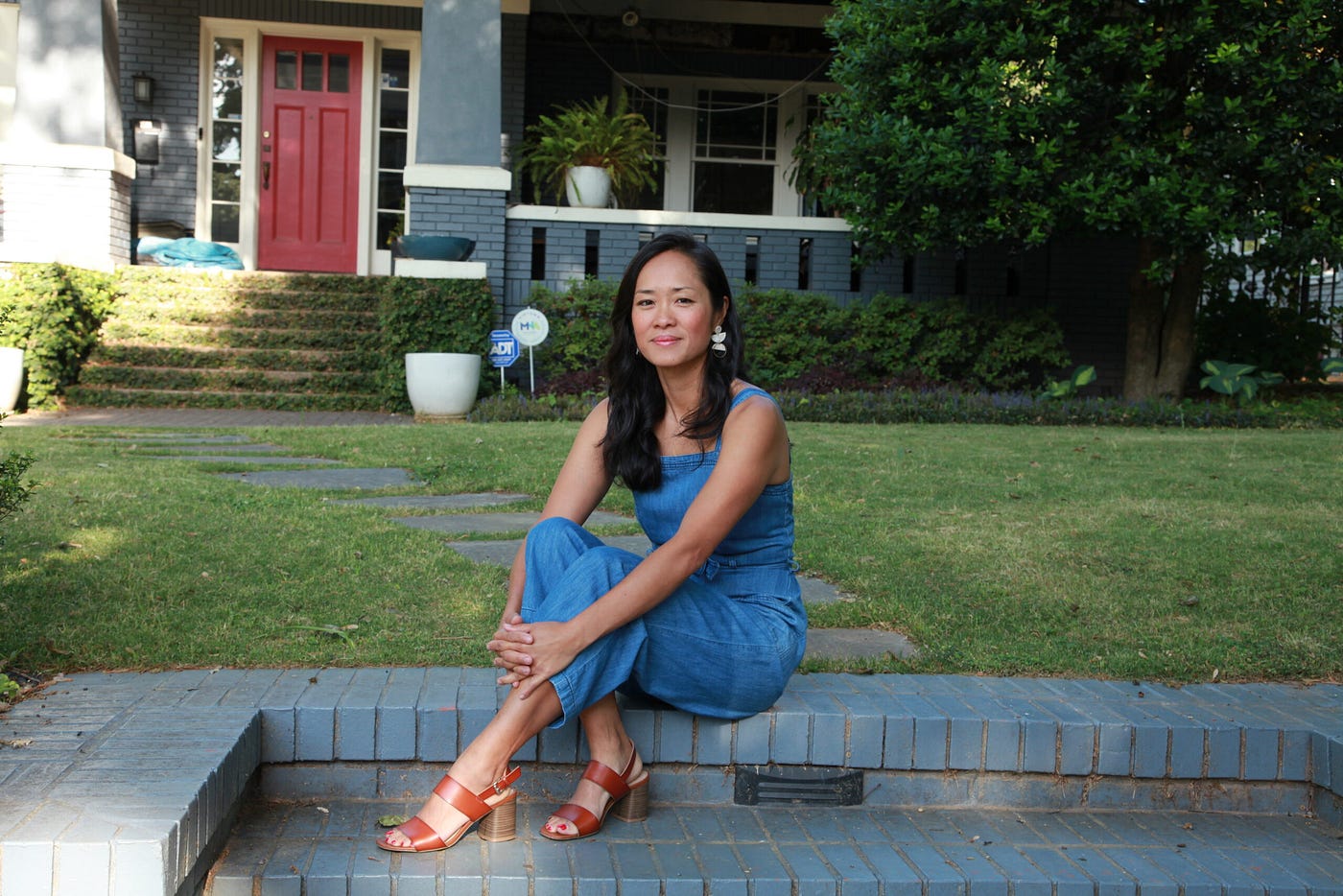
The restaurateur and partner behind seven acclaimed Georgia eateries shares how her mother's immigrant sacrifices shaped her path in the culinary industry.
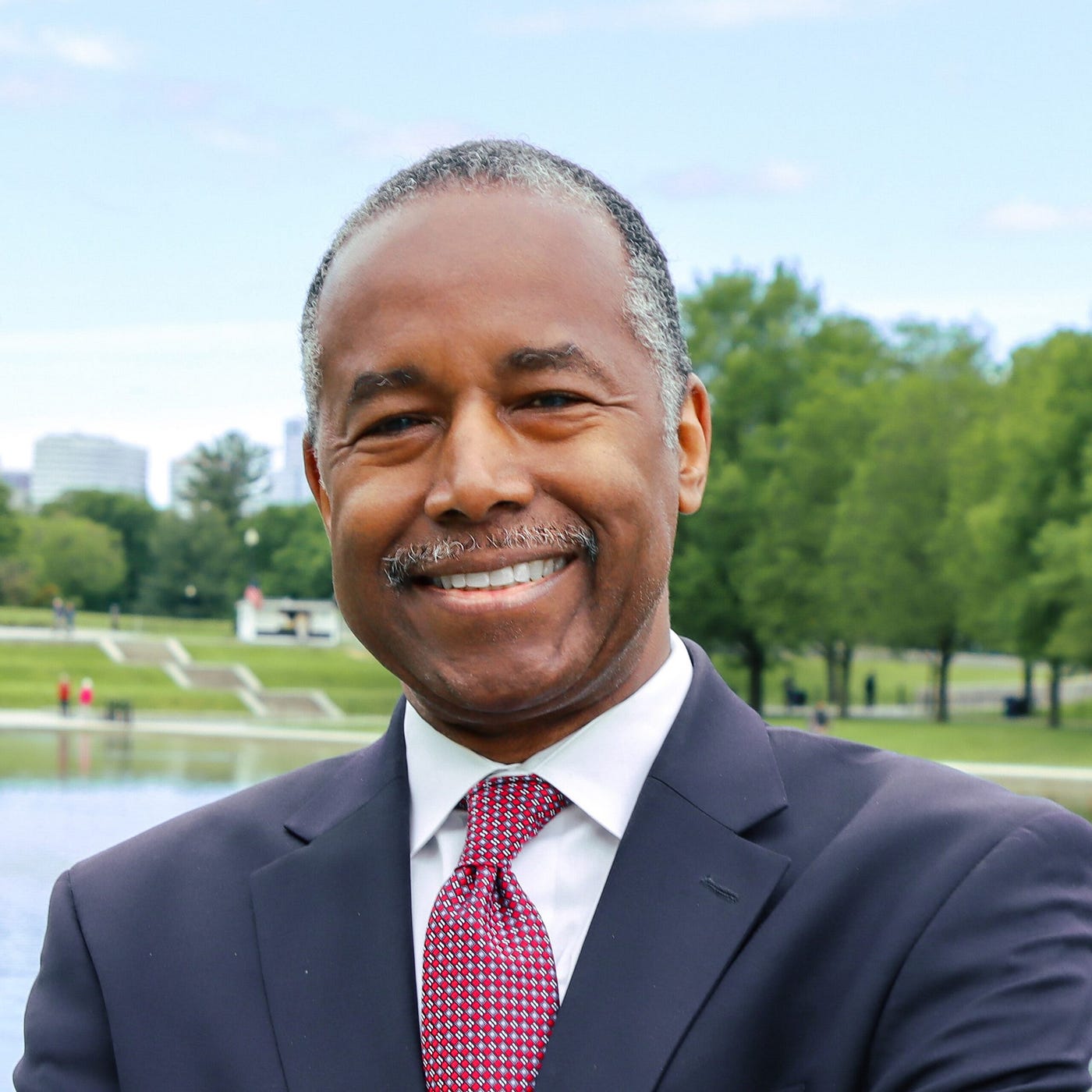
The renowned neurosurgeon and former HUD Secretary explains why government overreach in medicine threatens individual freedom and how free-market health savings accounts offer a superior alternative.
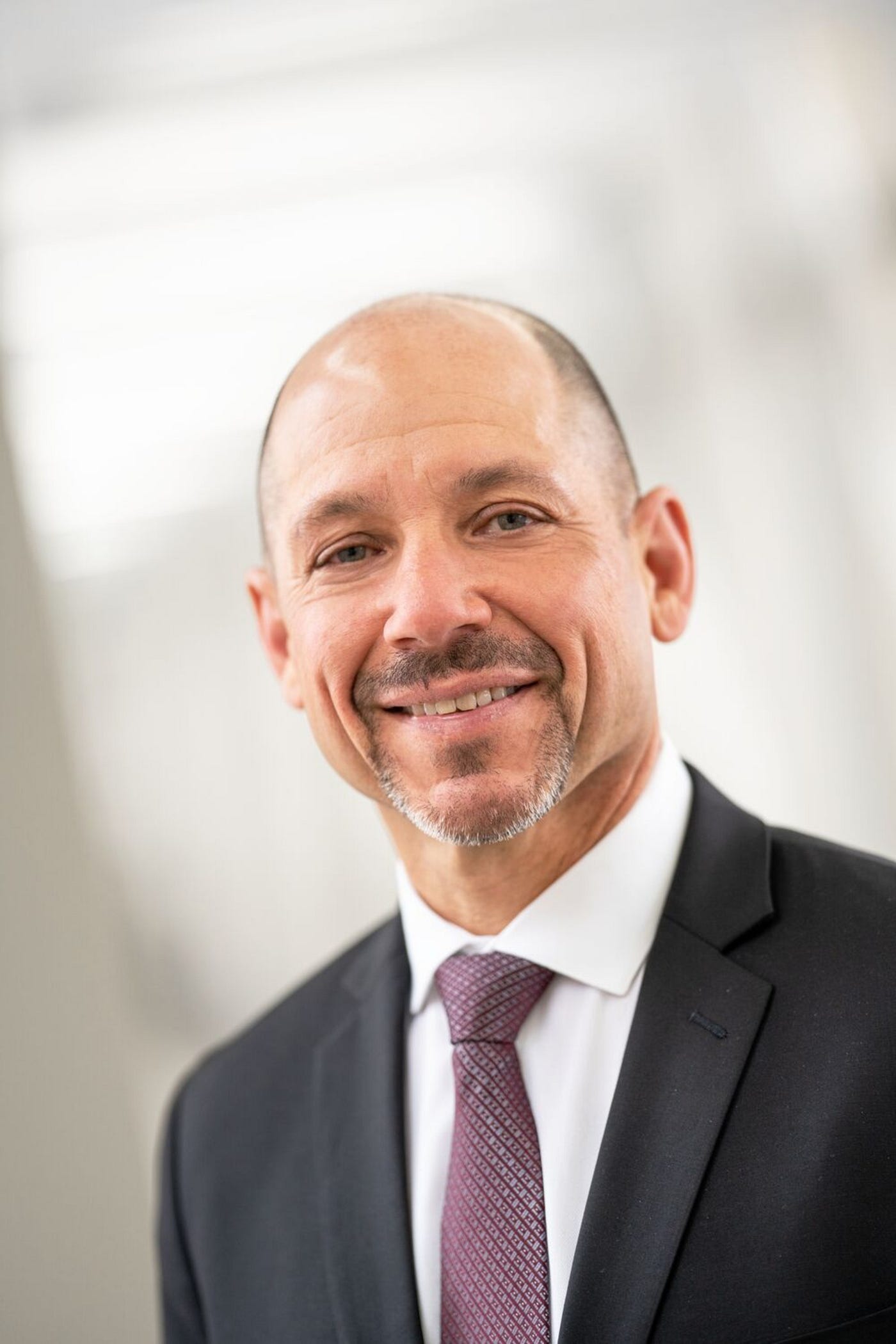
The CEO of UW Health shares critical lessons on transforming healthcare systems, embracing feedback, and leading large organizations with unwavering integrity.
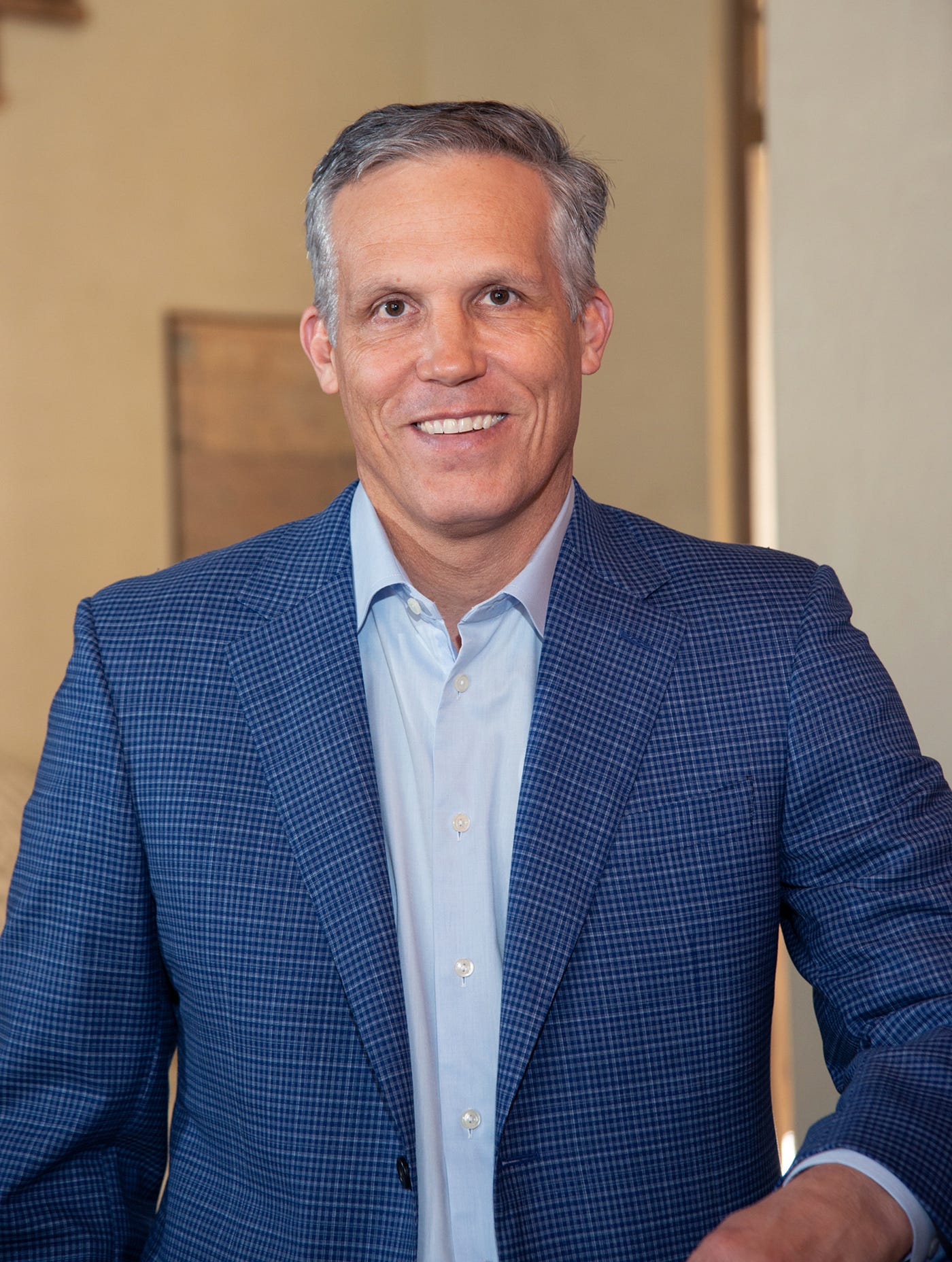
The Wells Fargo banking executive shares his unconventional journey from retail management to leading a massive division, emphasizing diverse perspectives and steady leadership.

Dimitra Milan and Jake Dunn share their journey of combining fine art mastery, relentless work ethic, and digital entrepreneurship to empower artists worldwide through Milan Art Institute.

The lifestyle influencer and Beachbody leader discusses how she turned a passion for fitness and community into a multi-faceted brand that helps people dream grander.