The Aztecs believed it would take 700 years to achieve a full human cycle evolution, a devolution, and a new integrated human growth. Next year in 2025, it will be 700 years since the last cycle marked with the construction of Tenochtitlan and the celebration of Neltiliztli.
Social Impact
Pablo Carmona and Joshua Kremer of Paradero Todos Santos: How Ancient Milpa Agriculture and Wetlands Management Are Revolutionizing Sustainable Eco-Tourism
The co-founders of Paradero Todos Santos share how they leverage ancient farming technologies and institutional luxury design to drive long-term environmental regeneration and experiential travel.
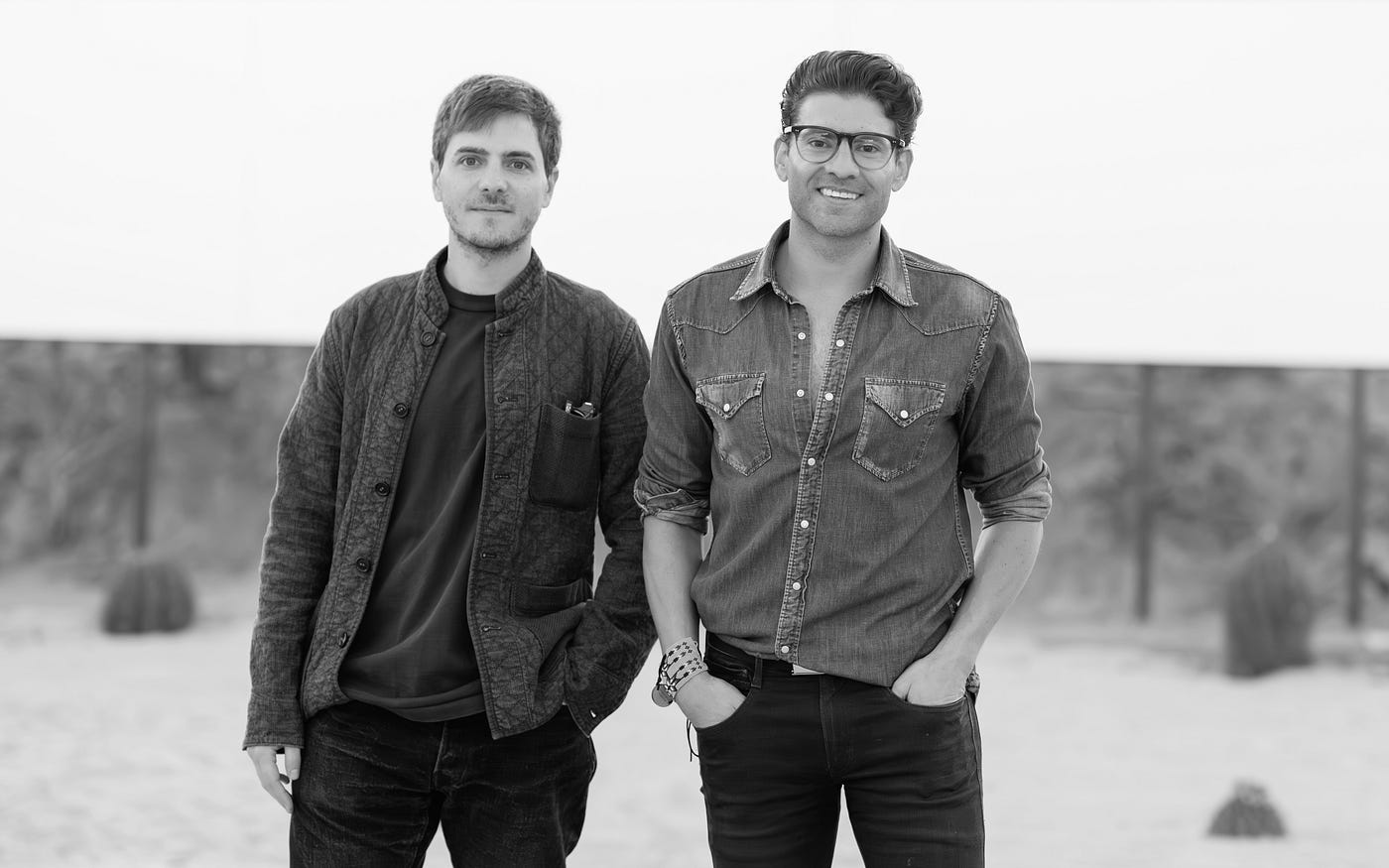
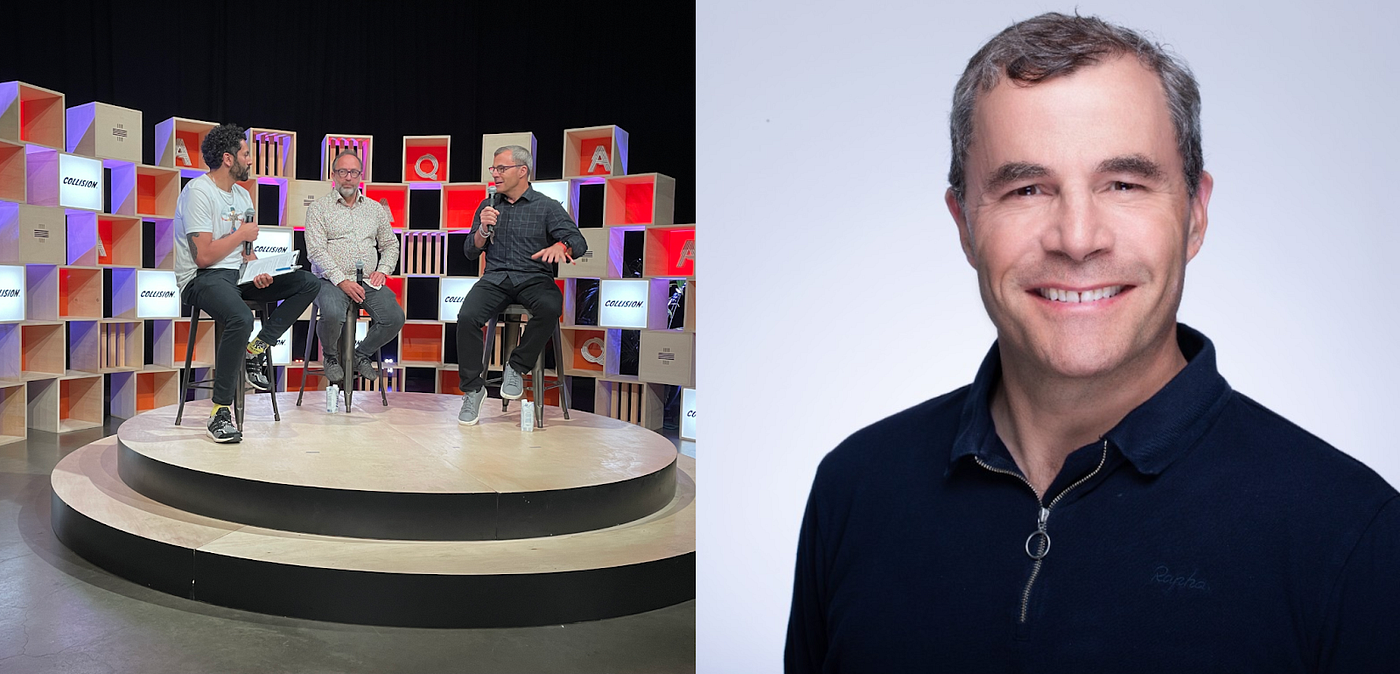
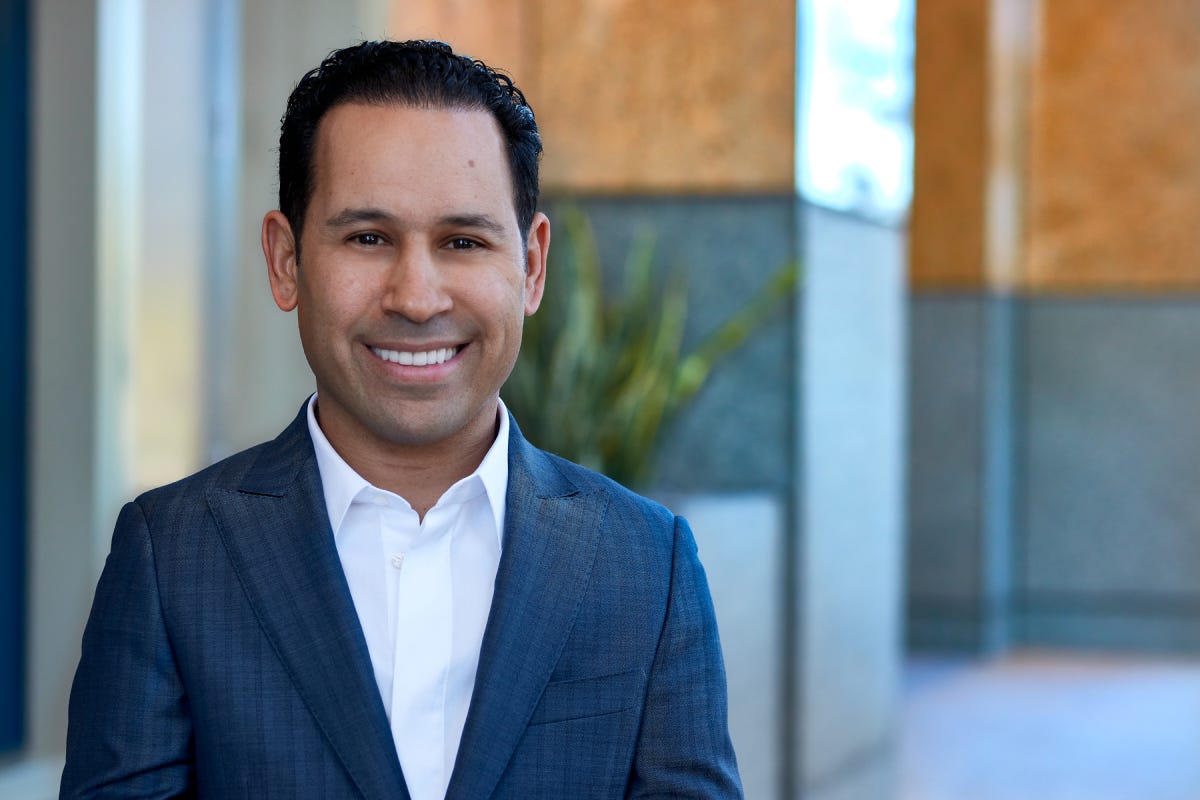
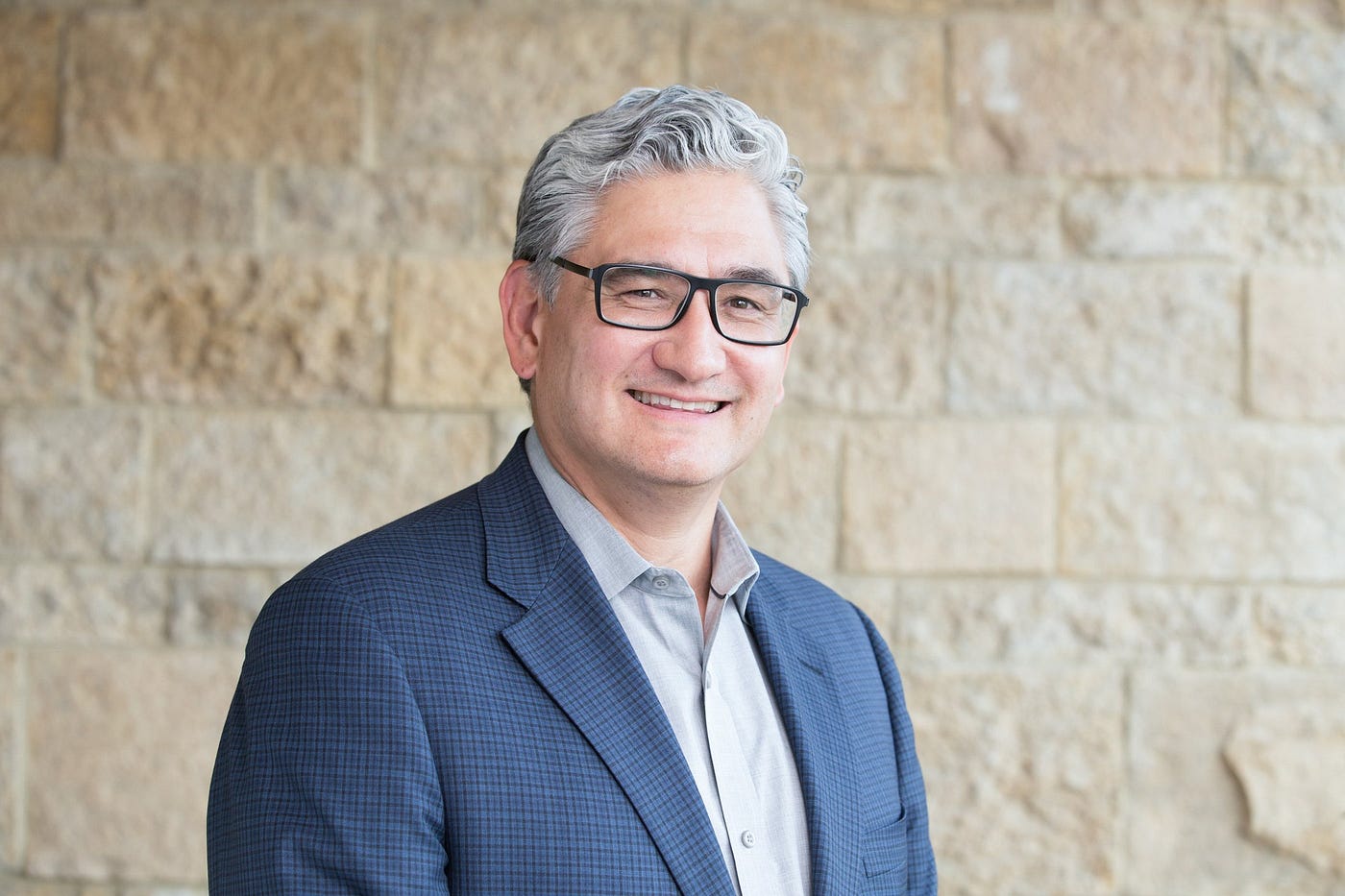
As a part of this series, I had the pleasure of interviewing Pablo Carmona and Joshua Kremer, Paradero Todos Santos.
Joshua Kremer gained experience as the VP of Black Creek Mexico and was responsible for evaluating and executing Black Creek Mexico investments in various sectors. Previously, He worked at Brockton Capital in London and at The Blackstone Group in their London, New York and Mexico offices. He have executed over US$3.5bn of investments across Europe, US and Mexico across multiple real estate asset classes through debt, mezzanine, preferred equity and equity structures. He received my B.S. in International Hospitality Management from the Ecole Hoteliere de Lausanne in Switzerland.
Pablo Carmona served as Lead Banker at Bank of America Merrill Lynch LatAm, where he was involved in more than USD$30Bn worth of Acquisition Financing, Advisory, and Capital Markets transactions in the region, directly structuring and leading deal processes. My banking experience includes covering Largest Mexican Corporations expanding through Mexico and the USA, bringing in Mexican Financial Institutions and buy side US investors. He was a Board Member of the Mexican Financial System and President of Bank of America Volunteering Committee in Mexico, collaborating with the largest conglomerate non for profit foundations. In parallel, he founded Unico Spirits Corporation, a high-end market, Mexican beverage Brand developer and spirits incubator.
Thank you so much for doing this with us! Our readers would love to get to know you a bit better. Can you share a bit about your background and what has led you to your current role?
Josh: I began my love for hospitality as one of the youngest students at Le Cordon Bleu (at the age of 15), and continued on to hone my culinary skills at Michelin-starred Astrid & Gaston. I studied at the prestigious Ecole Hoteliere de Lausanne in Switzerland to complete my B.S. in International Hospitality Management. From my travels throughout North America, Europe, and Japan, I began to understand that the key to wellness and longevity is to incorporate tried and true ancient practices that allow us to live in harmony with nature and create authentic social connections.
Pablo: Before co-founding Paradero Todos Santos, I previously founded one of the first mezcal and prickly pear alcohol ventures in Mexico. I traveled extensively throughout Mexico’s communities to gain a deep understanding of sustainable farming practices, which led into my passion for ensuring Paradero creates a space to farm nutrient dense produce. The Aztecs believed it would take 700 years to achieve a full human cycle evolution, a devolution, and a new integrated human growth. Next year in 2025, it will be 700 years since the last cycle marked with the construction of Tenochtitlan and the celebration of Neltiliztli. I believe this is a sign to the world of how we must evolve. My goal is to encourage the next cycle of life to be propelled by the idea of longevity through concentrating on movement, nourishment, focus, and sharing my passions with a community of likeminded individuals.
We met through a mutual friend on a skiing trip, we clicked instantly and realized we shared a great deal of values, and by 2 a.m., we were already signing a letter of intent.
What inspired you to start or join your business, and what is its core mission?
It comes down to two key ideas: The integration of North America and experiential travel. We were inspired by the immense potential of the integration of North America. We see the synergy between the U.S., Mexico, and Canada as a unique opportunity to create projects that blend the best of all three regions — whether it’s through cross-border investments, design influences, or cultural exchanges. This vision of North American integration is a key driver behind everything we do.
At the same time, we’re deeply passionate about experiential travel. More and more people want authentic, meaningful experiences that connect them to the culture, environment, and community around them. With these two ideas in mind, we recognized a unique opportunity in North America that hadn’t yet been fully explored, which led us to co-found Comunal and Paradero.
Comunal is a real estate company executing and managing institutional luxury award-winning design hospitality, residential, and club projects, delivering on-time and on-budget.
What unique challenges have you encountered in making sustainable practices central to your travel and tourism business, and how have you overcome them?
Hotel Construction: Achieving an award winning design hotel, while aiming to do it with minimal development density over the land and also prioritizing the ecosystem over the development itself.
Land regeneration: The farmland surrounding Paradero has been farmed with a monoculture and heavy-till approach (for US organic exports) for over 80 years. Paradero is in the process of transforming over 60 acres of land with ancient Milpa agriculture technology developed over 2,500 years ago by the Aztecs. This technology has a 50-year lifecycle, and utilizes a mixture of fruit, vegetables, plants and trees to create soil nutrient density to leave the land in a better state than it was found. The milpa technology has been widely used in mainland Mexico, but never in Baja California Sur, and produces the best fruit & vegetable produce in the Americas. Paradero’s milpa will be the first in Baja and will be producing ultra high-quality heirloom varieties of corn, squash, beans, tomatoes, avocado, citruses, aromatics, berries, among more than 50 other species.
How do you balance the need for growth with the imperative to minimize environmental impact in your operations?
For us, it’s always been about a long-term vision — thinking in decades rather than years. True sustainable principles reduce risks and lead to stronger, lasting returns. In our view, building a “trophy asset” means integrating sustainability into every phase, from conception through design and operations.
Instead of extracting value in ways that destabilize the destination over time, we focus on practices that support both environmental integrity and community well-being, ensuring the longevity and resilience of the places we commit to invest in.
With this mindset, it becomes clear that balancing growth and minimizing environmental impact is not a conflict for us, but a natural alignment of our values and strategy. We don’t view sustainability as a compromise to growth, but rather as a driver of long-term success.
Can you share a specific example of an innovative solution your company has implemented to reduce carbon footprint or promote eco-friendly travel?
At Paradero Todos Santos, one of our most significant initiatives we´re currently working on is the development of what we call an “alive” water management system that will serve the entire 60-acre property. This dynamic system is designed to mirror natural processes by incorporating wetlands and a water treatment facility to filter, purify, and reuse water on-site. By incorporating wetlands, we not only conserve water but also foster a thriving habitat where water is a precious resource that supports local biodiversity, including native plant species and migratory birds. This project will be the largest wetlands initiative ever undertaken by a hospitality development in Mexico, setting a new benchmark for sustainability in the industry.
However, reducing our carbon footprint doesn’t always require “innovative or large scale solutions”. Simple, thoughtful, everyday actions — like removing TVs from guest rooms, enforcing a strict no-plastic policy, and implementing zero-waste practices — have been equally crucial in promoting eco-friendly travel. We hope that, through their stay, our guests leave refreshed but also inspired by some of these sustainable habits and make them part of their daily lives.
How do you engage and educate travelers about the importance of sustainability, and what impact has this had on their behavior?
We engage and educate travelers about sustainability by integrating it into their overall journey. At Paradero, we don’t just talk about sustainability, we immerse our guests in it through hands-on activities and authentic local connections. For example, we offer farming classes where guests learn about sustainable agriculture. We also provide cooking classes that highlight locally sourced ingredients, allowing guests to understand the environmental and cultural significance behind the food they prepare.
Through these activities, we also share the rich history and heritage of the town, and the surrounding region. This helps travelers not only appreciate the beauty of the area but also understand the importance of maintaining its integrity.
We love that guests leave with a deeper sense of responsibility and awareness. Our objective is that by engaging them in these experiences firsthand, they’re more likely to carry those values into their own lives — whether it’s making eco-conscious choices at home or seeking out more sustainable travel options in the future. It’s been great to witness how these experiences can inspire real behavioral change.
What role does technology play in your sustainability efforts, and how have you leveraged it to enhance eco-friendly travel experiences?
Interestingly, at Paradero, we are taking a low-tech approach by embracing our ancestors’ knowledge and practices.
One practice we are implementing is the use of milpa — an ancient Aztec farming system that interplants, for example, maize, beans, and squash — combined with no-till farming techniques. These methods naturally enhance soil health and biodiversity as crops work together to support each other. Additionally, we are cultivating over 50 different species on the property, which enriches the soil and promotes ecosystem balance. Historically, this land had been exploited with the same kind of crops over and over, depleting the richness of the soil. By diversifying what we plant and implanting no-till, we restore and preserve the natural integrity of the land.
Through these low tech practices, we offer a travel experience that is deeply rooted in cultural heritage, history and environmental respect. This provides guests an authentic connection to the land, experiencing a true sense of place.
What partnerships or collaborations have been pivotal in advancing your sustainability goals within the travel and tourism industry?
We’ve been really fortunate that our journey has been shaped by working with truly talented specialists. Whether it’s water management, farming, or solar energy. What’s most important to us is that we´ve partnered with experts who share our values, incentives and long term vision. Their work has been crucial for the value it’s been created.
What role does community engagement play in your business model, and how have you successfully integrated feedback from those you aim to serve?
Engaging with the local community has been central to our business model from the very beginning. We see the locals as true partners in our journey, and their involvement has guided many of our key decisions, as we prioritize their insights every step of the way. Through the Paradero Foundation, we also give back by supporting initiatives that benefit the community, whether through education, conservation, or cultural projects. It’s more than just working within the community — we see it as a partnership, ensuring our presence brings long-term, shared value.
At the same time, we actively engage with our traveler community, as their feedback is just as important to us. We gather insights through reviews, guest questionnaires, and personal interactions during their stay, which helps us continuously refine their experience. Feedback and the overall guest journey has directly influenced some of our key improvements. This ongoing dialogue helps us curate an experience that travelers appreciate.
What are your “5 Things You Need To Create a Successful and Sustainable Travel Business”?
- Vision: Lead experiential travel in North America.
We saw how great brands and developers had done incredible work in Africa, Asia and South America in remote “untouched” destinations and recognized an untapped potential in Mexico and North America where we could lead experiential travel.
2. Market and Land selection: Evaluating the fundamentals of the destination and the micro insights.
For the first Paradero, Baja made the most sense: Its proximity to the US, over 7 million visitors flying into San José del Cabo Airport (27% CAGR since 2009) and the strongest average daily rate (ADR) in Mexico.
We looked at over 200 different pieces of land and Todos Santos stood out as the perfect fit for our vision. It’s less than an hour drive from three major airports — San José del Cabo, Cabo San Lucas private airport, and La Paz — making it highly accessible. The town itself is a chic destination known for its art scene, incredible culinary offerings — now 5 Michelin Guide restaurants and world-class surf breaks. And then there’s La Mesa, where Paradero is located. It’s right below the Tropic of Cancer, between two protected arroyos, and it’s the only spot in Baja with this unique blend of ecosystems — desert, estuary beach, farmland, and mountains. You just don’t find that kind of diversity anywhere else in the region.
3. Investors: Align visionary capital to the vision and investment fundamentals.
Attracting the right capital that understands and supports our long-term vision.
4. Design: Form best in class design teams and actively lead them to create award winning design feasible projects.
Since its opening in 2021, Paradero Todos Santos has become the recipient of a variety of distinguished design awards including the Prix Versailles 2021 for World’s Most Beautiful Hotels and National Geographic Traveller’s 2021 Hotel Awards, where it was named Best Design Hotel.
5. Development: Develop on time and on budget.
For Paradero we began by building a model room, making all the necessary adjustments to perfect the design and ensure it’s ready for replication. Once optimized, we scale the design across the remaining buildings, this enabled us to complete construction in just six months.
We also maintain a margin of safety by focusing on reducing the cost basis of our initial investments with a strict and competitive selection process for all collaborators.
f. Operations: Create best in class talent & culture that will then drive profitability.
We’ve built a culture centered around trust, integrity, and care. We’re obsessive about recruiting the best talent, with a highly competitive selection process, intensive training programs and investor aligned long term individual incentive plans.
How do you address the potential trade-offs between offering luxury or convenience and maintaining strict sustainability standards?
We see luxury as offering something more meaningful — an experience that reconnects people with nature, culture, and a sense of place. Of course, we have a responsibility to deliver exceptional service, comfort, and attention to detail, but we strongly believe that luxury can coexist with sustainability.
For that, we have partnered with Forbes to achieve 5 star luxury standards, while collaborating on ways to maintain and improve our sustainability practices.
Can you share a story of someone who has inspired you in your journey?
We are inspired by the values that we see throughout cultures within North America — from the sense of community and entrepreneurial spirit to the flowing creativity.
How can our readers further follow your work or your company online?
Comunal: Linked in
Paradero: Instagram
Paradero Homes: Instagram
This was great. Thanks for taking time for us to learn more about you and your business. We wish you continued success!
About the Interviewer: Russell McLeod is an experienced business leader, social entrepreneur, and mentor. A champion of profit with purpose, the circular economy and of collaboration for positive progress. Russell is the founder of Mightyhum a Toronto-based impact enterprise dedicated to supporting growing organizations. And, while it’s not a requirement, the Mightyhum team has a passion for collaborating with purpose-driven businesses. Mightyhum specializes in providing consulting services and turning hairy audacious concepts into achievable ventures & projects. The Mightyhum team work with C-suite executives and leaders, developing new product offerings, effective go-to-market strategies, building for profitability, and streamlining operations. Before Mightyhum, Russell was involved in the world of social enterprise as the Executive Director of ME to WE, one of Canada’s best known and most awarded social enterprises. While at ME to WE, the team demonstrated that being profitable and impactful was indeed possible. During his tenure, ME to WE delivered $20M in cash and in-kind to WE Charity, helping transform the lives of over 1 million people through access to clean water; the lives of 200,000 children with access to education; and 30,000 women-led businesses launched globally.
Russell’ personal mission is to inspire others that there is ‘a better way to do business,’ ‘that through business we can solve some of the world’s problems at the same time.’ You can follow Russell’s work at https://www.linkedin.com/in/russell-mcleod1/ or www.mightyhum.com.
RM
Written by
Russ McLeod, Founder of Mightyhum
Columnist & ContributorAuthority Magazine Columnist & Contributor

Published inAuthority MagazineTop Lessons, Top Authorities · 42K Followers
Exclusive, curated interviews with the leaders and changemakers shaping tomorrow. Leadership lessons, industry deep dives, and executive profiles.