In healthcare especially, it’s very possible to do everything exactly right — exactly as the textbooks say and right in line with the most cutting-edge science — yet still have a bad outcome.
The Chief Medical Director at Hennepin EMS shares invaluable lessons on leadership, frontline resilience, and transforming emergency medical infrastructure.
In healthcare especially, it’s very possible to do everything exactly right — exactly as the textbooks say and right in line with the most cutting-edge science — yet still have a bad outcome.
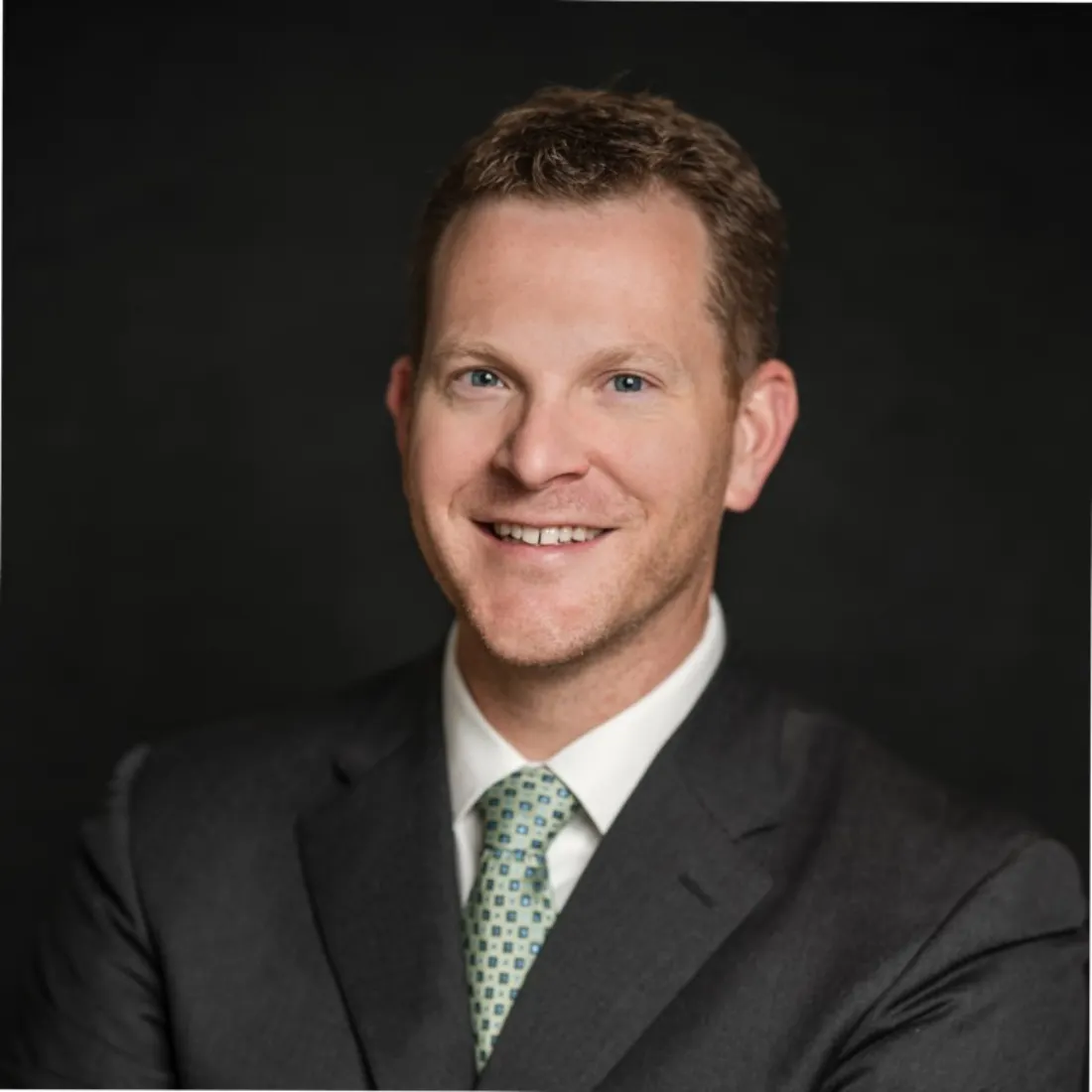
As a part of our interview series called “5 Things We Must Do To Improve the US Healthcare System”, I had the pleasure to interview Nick Simpson, MD, Chief Medical Director, Hennepin EMS.
Dr. Simpson trained in Emergency Medicine and then expanded that focus to the prehospital arena with a fellowship in EMS.
Thank you so much for joining us in this interview series! Before we dive into our interview, our readers would like to get to know you a bit. Can you tell us a story about what brought you to this specific career path?
When I was still in training, I remember one of the first times that arrived at a scene with multiple patients from a motor vehicle accident. In my head, I had an idea of what to do with a single person who has severe injuries and a thought process to follow.
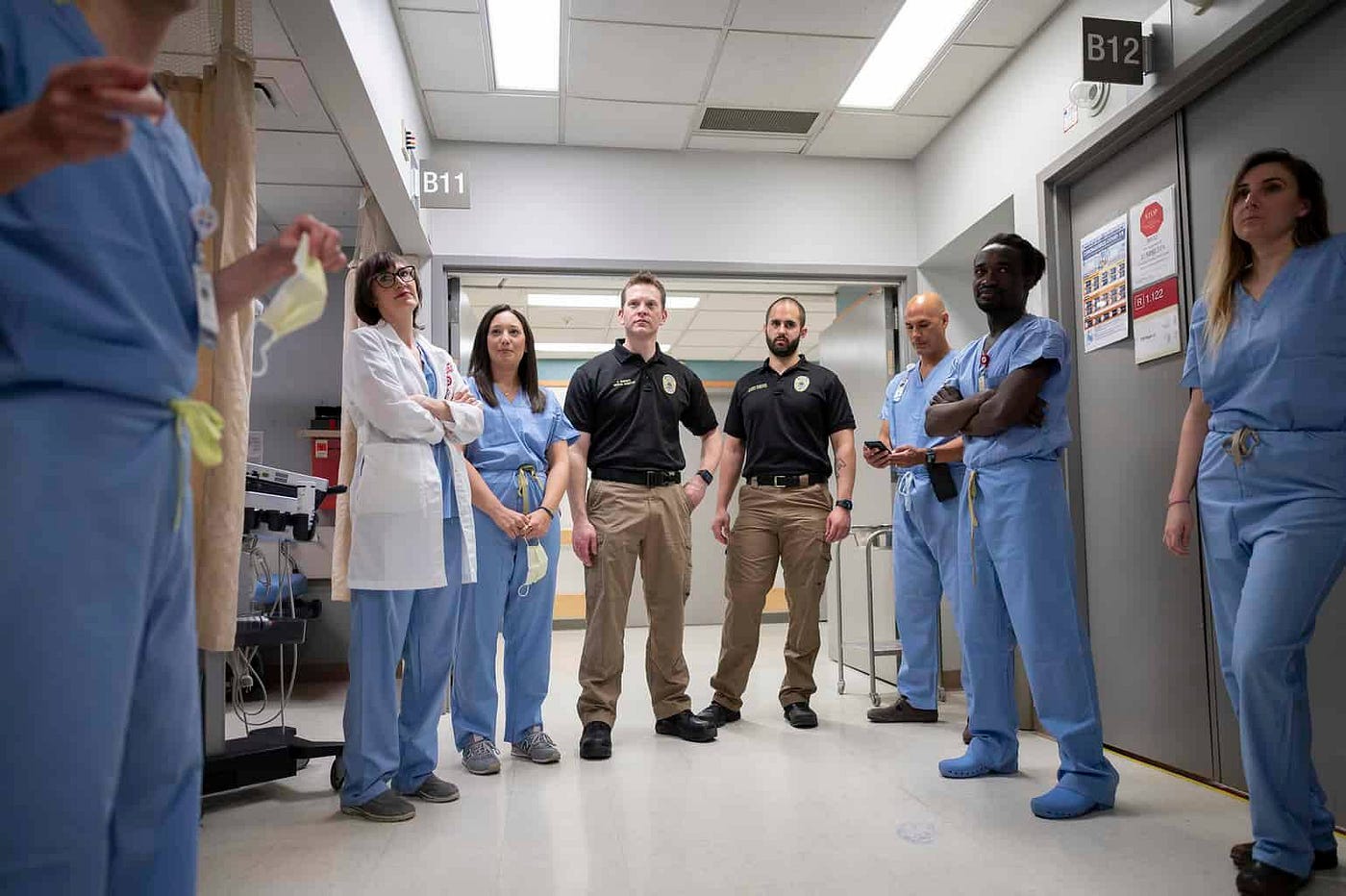
Then I got to the scene and there were six patients, many of them badly injured. Suddenly, I was in over my head. I stood there trying to figure out who to assess first. It wasn’t like in the hospital. I didn’t know anyone’s name. Didn’t know anyone’s vital signs. I briefly froze, not knowing where to start. Then, one of the paramedics who arrived about the same time said, “Hey Doc, go grab the traction splint.” The crew had already worked their way through most of the patients and had an idea where to go. Fire arrived and worked on safely extricating and moving patients. Police ensured scene safety and redirected traffic. It was a well-oiled machine. Not only were these professionals outstanding at their job, each of them also showed incredible humility and grace for a scared new person. To this day, I feel privileged to work with frontline emergency personnel both in and out of the hospital.
Can you share the most interesting story that happened to you since you began your career?
I very vividly remember a young child that I cared for after a drowning incident. When he arrived from EMS, he was getting CPR and hypothermic. With a tremendous amount of teamwork and effort he regained a pulse and he was stabilized. Weeks later, I got to meet the little boy on the hospital floor. He was up playing in the kids’ room and gave me a high five when I stopped in. That high five and knowing that he was getting a second chance was one of my more career-affirming moments.
Can you share a story about the funniest mistake you made when you were first starting? Can you tell us what lesson you learned from that?
While not a mistake, I can share that I had a moment of intense panic when I was just starting as a physician. We’re required to take calls in a number of different areas in the hospital through our training. I remember being asked by a nurse about a pregnant woman getting some Benadryl at 3am. It didn’t feel like enough to wake up the more senior doctor on service, but I remember a series of questions flying through my head about safety, pregnancy classification, lactation, side effects, cross-reactions and a ton of what-if scenarios. Ultimately, I checked a couple references, went to see her, and everything was fine.
This memory reminds me of the weight of even seemingly simple decisions when people are gaining experience. I share this with new physicians all the time and try to ensure to keep it in mind when working with new folks.
Can you please give us your favorite “Life Lesson Quote”? Can you share how that was relevant to you in your life?
“Make the best use of what is in your power, take the rest as it happens.”
~Epictetus
This concept is one that has only become more important as I’ve gotten older. We can control our choices and what we do, however, we cannot control what happens because of those choices. In healthcare especially, it’s very possible to do everything exactly right — exactly as the textbooks say and right in line with the most cutting-edge science — yet still have a bad outcome. We can’t expect that if we do perfect CPR or instantly know the diagnosis that we can always prevent bad things from happening.
How would you define an “excellent healthcare provider”?
To me, an excellent healthcare provider is first and foremost an excellent human being. They must genuinely care about their patients and families. They also must be able to communicate well with others. This includes patients, families, and others in the profession to ensure the best possible holistic care.
What are your favorite books, podcasts, or resources that inspire you to be a better healthcare leader? Can you explain why you like them?
Some of the books that have really resonated with me are: “Extreme Ownership” and “The Dichotomy of Leadership” by Jocko Willink, as well as “Ego is the Enemy,” “The Obstacle is the Way” and “Stillness is the Key” by Ryan Holiday.
Although none of these books are necessarily about healthcare, they’re about understanding people and being a better human being. The concepts in those books have been helpful to better frame issues that come up and how to approach them.
Are you working on any exciting new projects now? How do you think that will help people?
We’ve had several exciting projects that we’ve recently implemented including adding ultrasounds to every ambulance, improved language access with a new video interpreter service, a prehospital Suboxone initiation program, and other harm reduction efforts to combat the opioid epidemic.
The long-term project that I would love to get off the ground involves improved healthcare access, improved equity, and a more efficiently integrated emergency response and other parts of the healthcare system. There are ways that this is possible using relatively simple technology and existing infrastructure. I see this as helping patients and families by improving access to healthcare. It would help responders and the rest of the system as it would allow for a more accurate triage and needs assessment without requiring that almost all care is centered around the hospitals and clinics.
When there is someone who is critically ill or injured, there is no mistake that our traditional 911 response is among the best in the world. We recently did a pilot program at Hennepin EMS to see if we could better understand the dynamics of a situation and through that offer improved instructions to callers and improve the triage process for our emergency response system. This was done using a platform called GoodSAM. It is a system that’s been used in other parts of the US and around the world. We found it very helpful and that having those resources added a lot of insight into the situations surrounding 911 calls.
Ok, thank you for that. Let’s now jump to the main focus of our interview. According to this study cited by Newsweek, the US healthcare system is ranked as the worst among high-income nations. This seems shocking. Can you share with us 3–5 reasons why you think the US is ranked so poorly?
This one has a lot to unpack. While I could easily spend months going into these, I’ll try to distill my thoughts down to a few main points.
As a “healthcare insider,” if you had the power to make a change, can you share 5 changes that need to be made to improve the overall US healthcare system?
What concrete steps would have to be done to actually manifest these changes? What can a) individuals, b) corporations, c) communities and d) leaders do to help?
The COVID-19 pandemic has put intense pressure on the American healthcare system, leaving some hospital systems at a complete loss as to how to handle this crisis. Can you share with us examples of where we’ve seen the U.S. healthcare system struggle? How do you think we can correct these issues moving forward?
We have seen and continue to see the U.S. healthcare system struggle with things like staffing. I do not know of any hospital systems that are able to care for the same number of patients today as they could five years ago. The stresses of COVID have caused many in healthcare to retire or change careers. That, plus the shifting demographics of our population have created a supply/demand mismatch for healthcare.
I don’t believe that we can keep doing things the exact same way and expect to get out of this crisis for at least the next 50 years. As a system, we must rethink our care model and how to increase efficiencies. It will take a concerted effort from legislators, payors, healthcare systems, and personnel at every level.
How do you think we can address the problem of physician shortages?
Here again, I think if we continue to do things exactly as we always have — we may never get out of this shortage. However, if we can do things to increase our efficiencies and extend the reach/impact of our physicians we will be much better off. This would include things such as increased telehealth to cut down on commuting of both patients and physicians. Whether in isolation or in combination with other providers like PAs/NPs, Paramedics/EMTs, Community Paramedics, Community EMTs, etc., if we are more creative and make it sustainable from a reimbursement and regulation standpoint — we can augment the impact of our physicians.
How do you think we can address the issue of physician and nurse burnout?
This is a very real and dangerous problem right now. We’re constantly attempting to do more with less. Those that haven’t left the field are being pushed even harder, thus compounding the trauma of a field that is prone to being near (and thereby affected by) tragedy. I’ve had some quite troubling cases personally. We are often present for catastrophic events in people’s lives. One of the things that can be hardest, is that sometimes even with our best efforts we are unable to change someone’s outcome. Those patients who are talking to you and then die in front of you, even if you know what’s happening and you try to stop it — those hurt.
I would suggest that we reinvest in things like counseling and trauma therapy. I can attest that having dealt with some impossible situations, those things were able to help me process and cope. I’ve had more than one case that without the right support system could have easily been career ending. It’s such a critical aspect of self-care that we historically have rarely talked about.
You are a person of great influence. If you could inspire a movement that would bring the most amount of good to the most amount of people, what would that be? You never know what your idea can trigger. :-)
If people could be more reflective in their daily life and focus on things within their own control, I think the world would be a friendlier place. I’ve personally found a lot of solace in studying the Stoic philosophers. However, this concept is common in essentially every major world religion. In today’s world, it’s too easy to blame someone else or get upset about other’s reactions. Two thousand years ago Marcus Aurelius wrote, “Blame yourself — or blame no one.” I think this would lead to a lot more honest conversations and genuine understanding across all of society.
Thank you so much for these insights! This was very inspirational and we wish you continued success in your great work.
The Authority Magazine Editorial Desk produces, verifies, and edits long-form primary-source interviews with executives, innovators, clinicians, creators, and social impact leaders across Business, Tech, Pop Culture, Wellness, and Social Impact.

Exclusive, curated interviews with the leaders and changemakers shaping tomorrow. Leadership lessons, industry deep dives, and executive profiles.
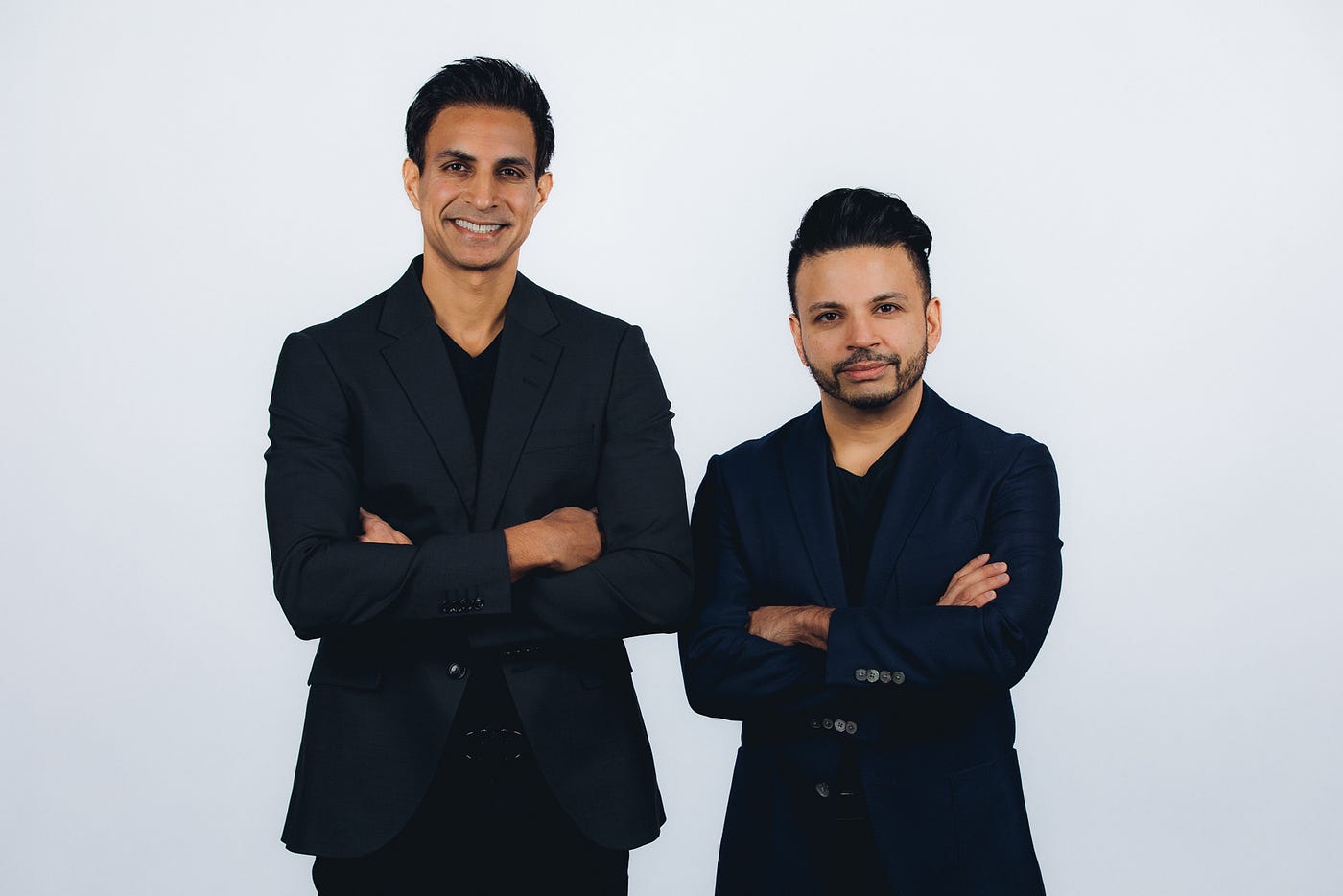
The co-founders of Whole Body MRI share how transitioning from traditional radiology to proactive preventative healthcare can radically improve patient outcomes and alleviate systemic healthcare burnout.
Andee Rodgers shares how embracing social nudism and the Women One Word campaign helps individuals overcome negative body image and achieve profound mental wellbeing.

The founder and fitness expert discusses her transition from dangerous competitive bodybuilding routines to building a sustainable, empowering health community for thousands of women.
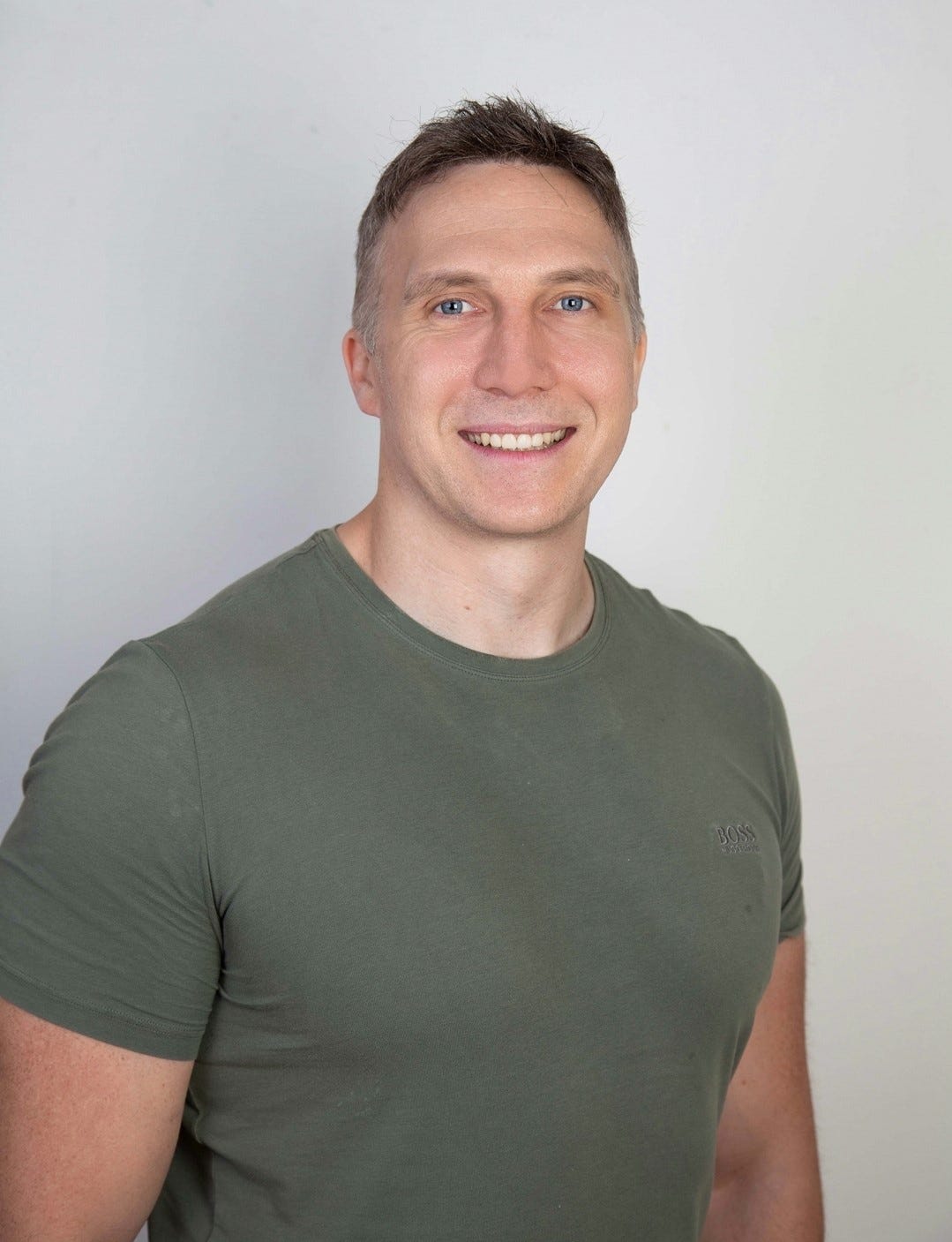
Scientist and lecturer Dr. Edward Walker shares his journey researching plant-based appetite suppressants and the vital lessons learned from challenging conventional academic thinking.
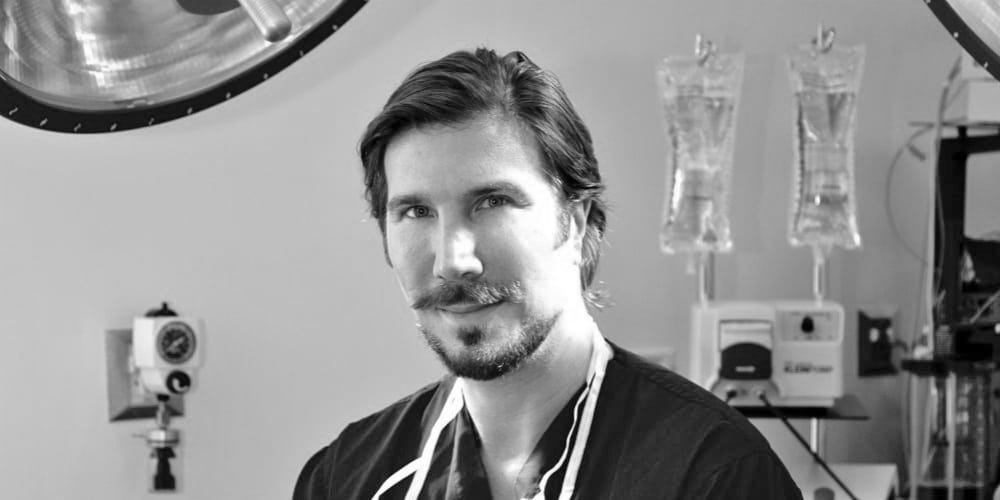
The founder of Elite Body Sculpture shares his unique journey from studying sculpting to pioneering advanced cosmetic procedures while always keeping the patient first.
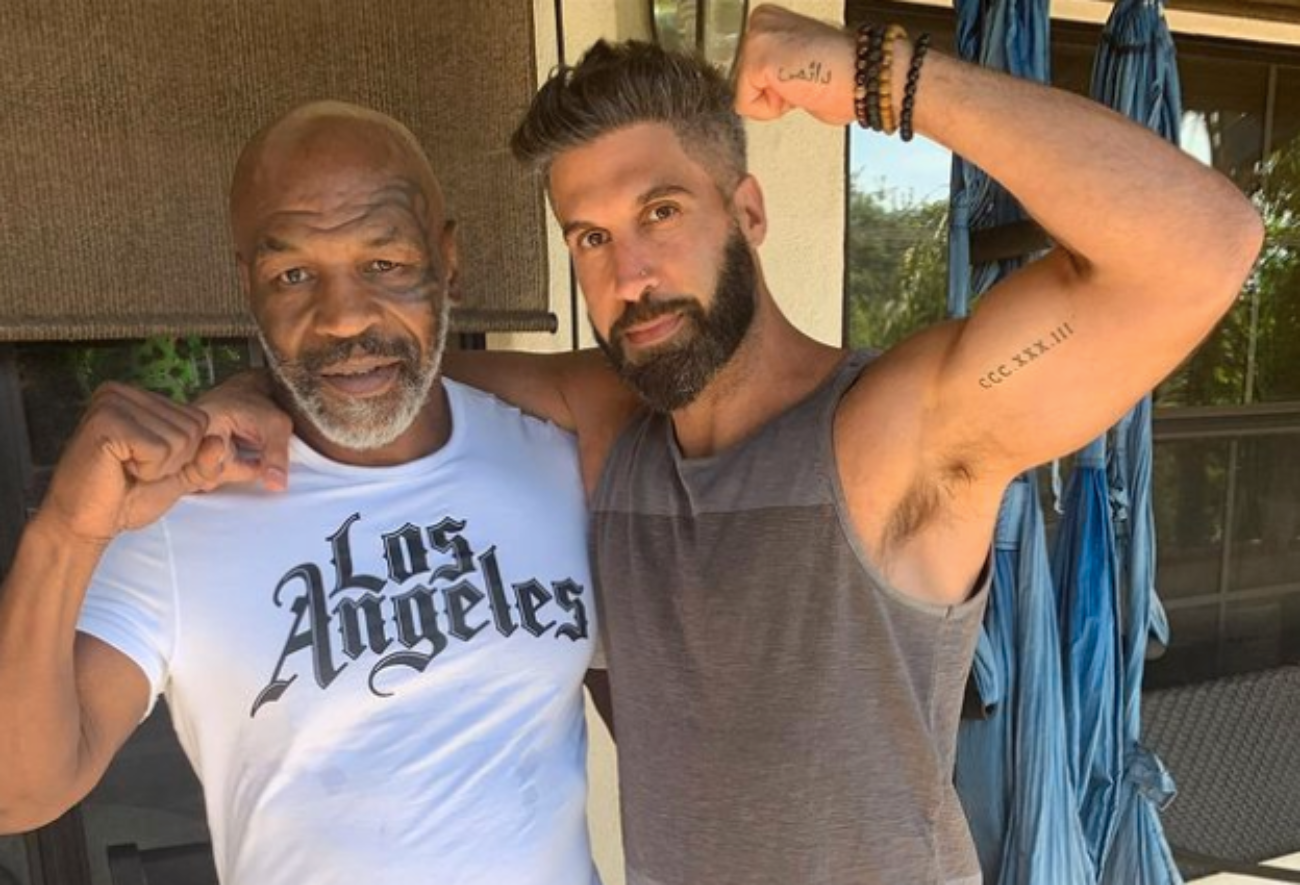
The founder of Cymbiotika reveals how questioning standard health paradigms, embracing biological awareness, and maintaining rigorous daily disciplines built his path to optimal wellness.
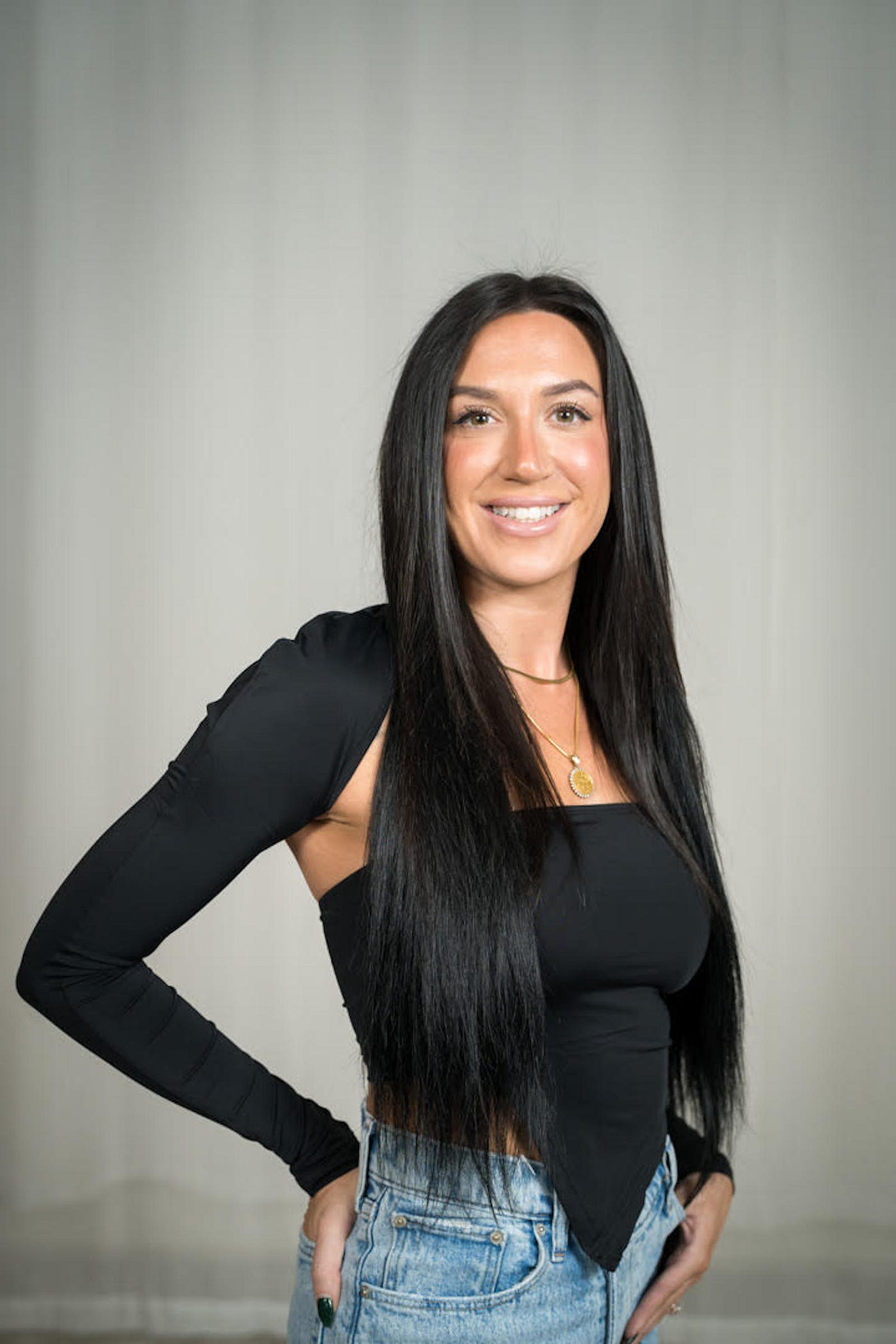
Washington-based sex and marriage expert and podcast host Jordyn Hakes shares how she built a top-ranking show by rejecting conventional norms and committing to uncompromising weekly consistency.
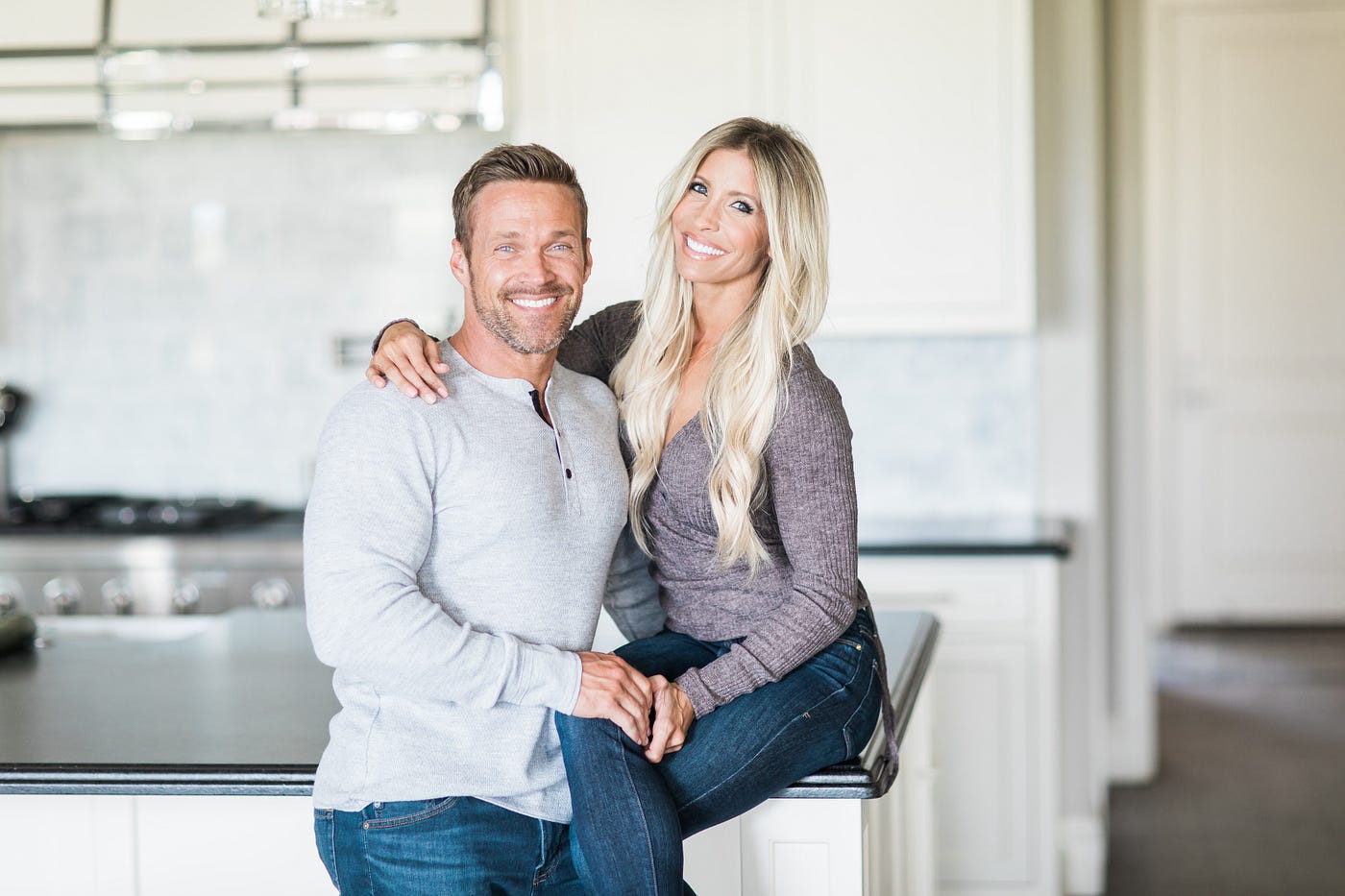
The renowned wellness experts and TV personalities discuss their journey through fitness, overcoming personal adversity, and scaling life-changing transformations through technology.