When we focus on creating meaningful solutions through a human-centered approach, success and happiness are sure to follow. I hope that everyone finds their spark and follows it, as that is the truest form of happiness!
Tech
Naama Stauber Breckler of Better Health: How Embracing Sticktoitiveness and Confronting Brutal Facts Can Fuel a Healthcare Startup
The four-time healthcare entrepreneur and Better Health CEO shares how her unconventional journey, supportive network, and human-centric approach shaped her leadership style.
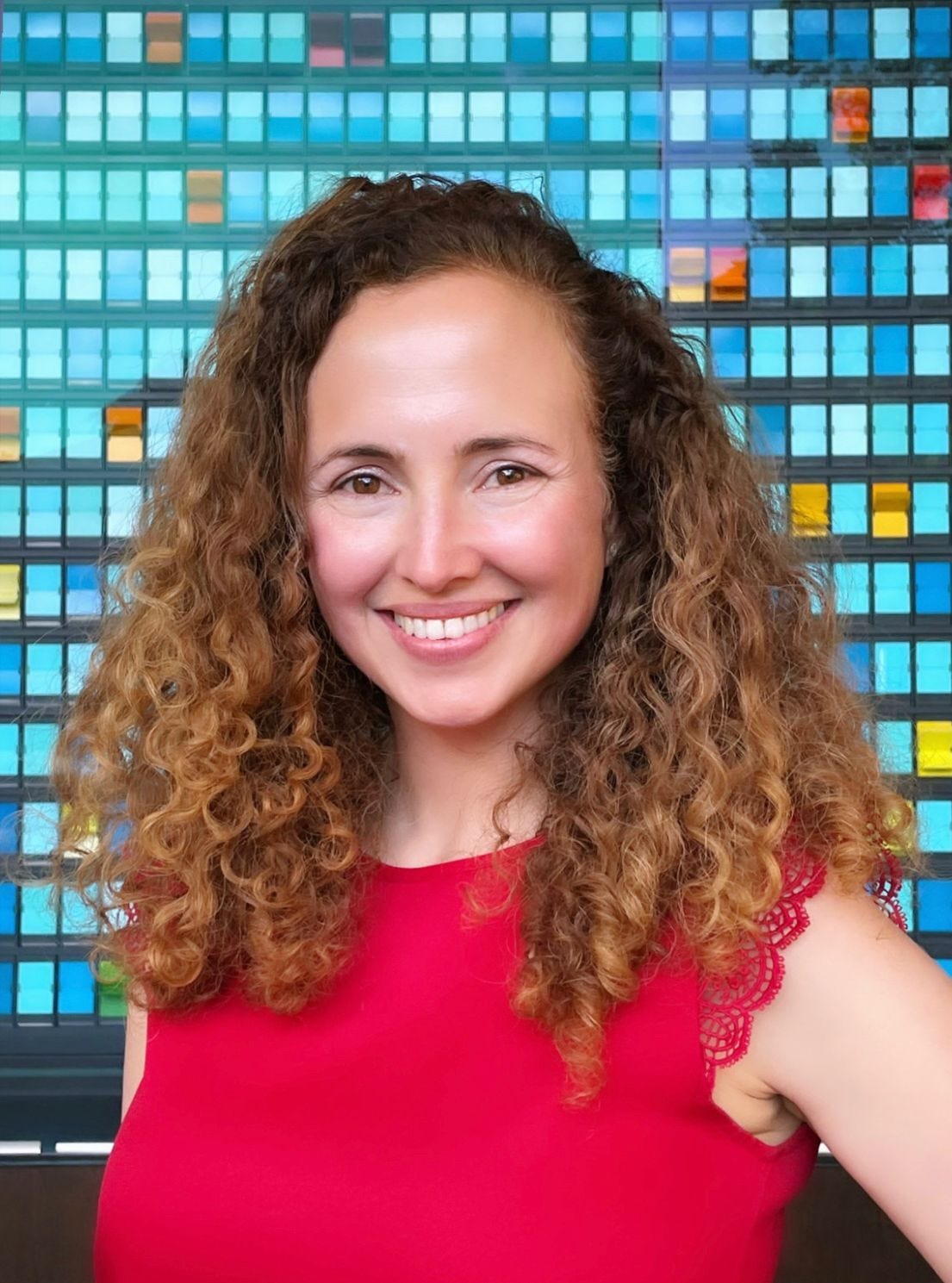
In recent years, Big Tech has gotten a bad reputation. But many tech companies are doing important work making monumental positive changes to society, health and the environment. To highlight these, the editors at Authority Magazine started a new HealthTech interview series about “Technology Making An Important Impact On Health and Wellness”. They are interviewing leaders of tech companies who are creating or have created a tech product that is helping to make a positive change in people’s lives. As a part of this series, we had the pleasure of interviewing Naama Stauber Breckler.
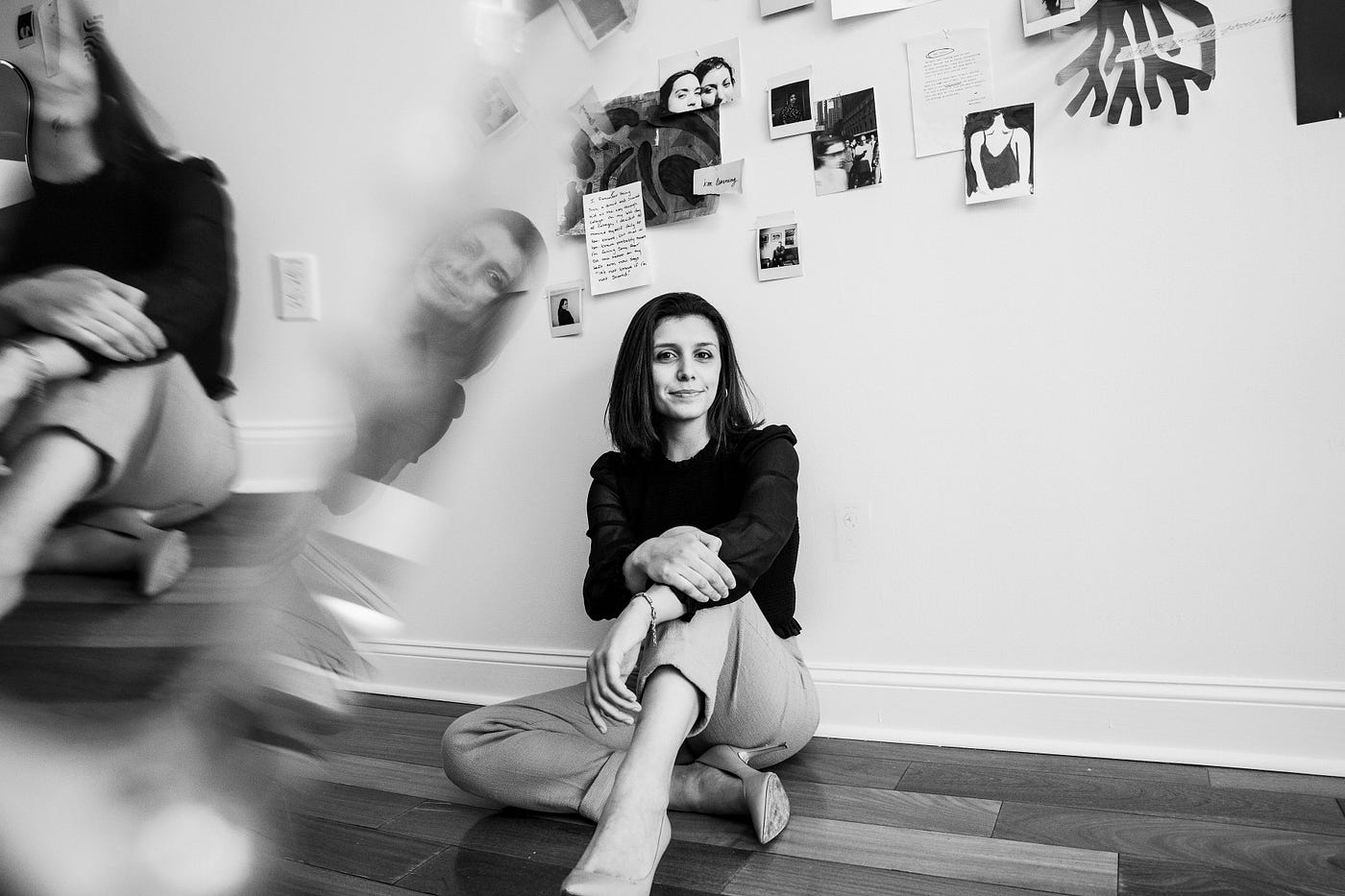
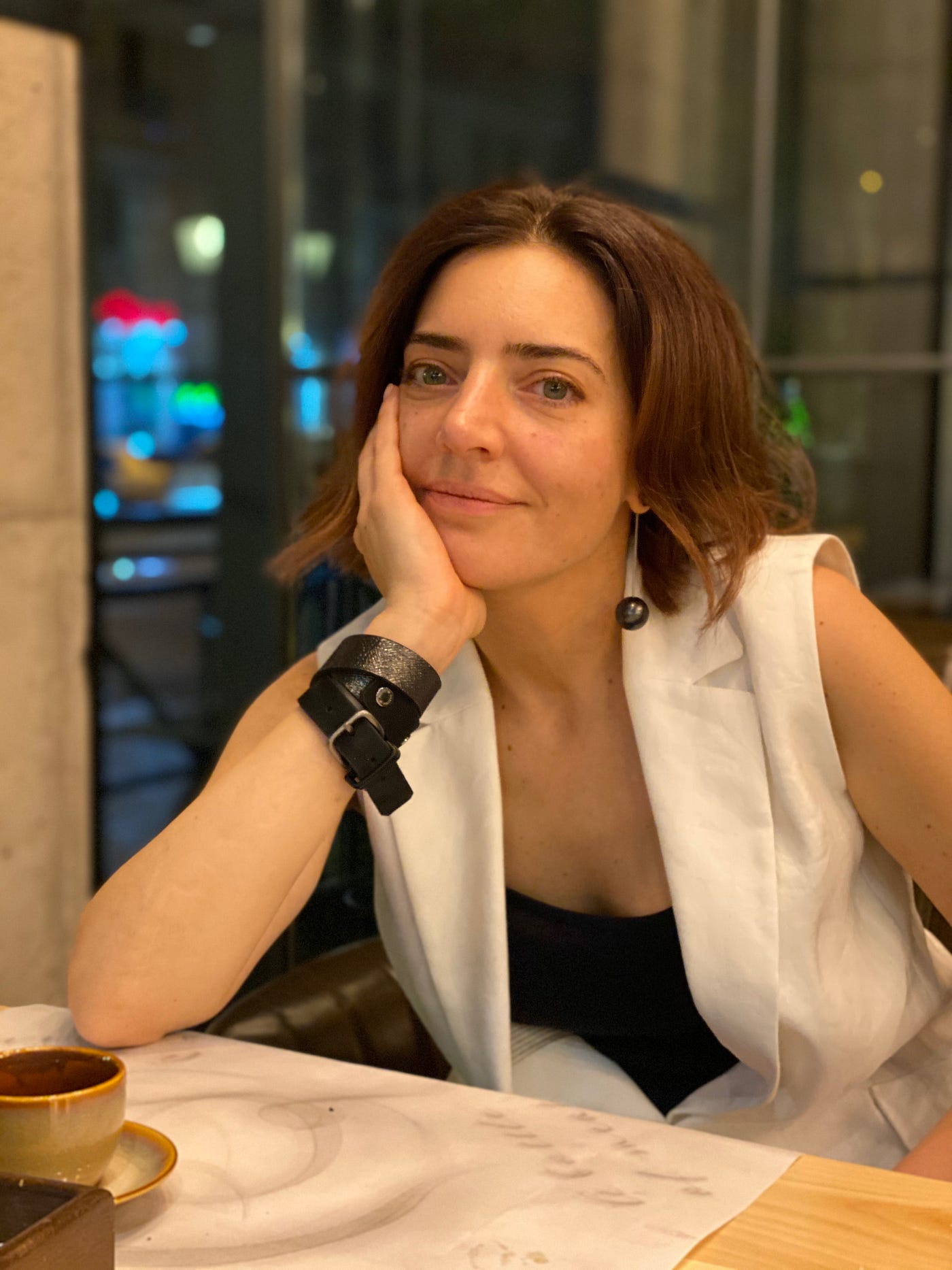
Naama Stauber Breckler is the co-founder and CEO of Better Health, a new type of healthcare provider offering an end-to-end digital care solution that bundles peer support, education, and home delivery of medical supplies. As a four-time healthcare entrepreneur, she is focused on creating human-centric solutions that support underserved populations and those living with chronic conditions. Prior to founding Better Health, Naama founded three other healthcare companies: CompactCath, MocaCare and Avails Medical.
Thank you so much for joining us in this interview series. Before we dive in, our readers would love to learn a bit more about you. Can you tell us a bit about your childhood backstory and how you grew up?
I grew up in Israel, in a Moshav, which is basically a very small town of about 120 families and a focus on an active social life. As a kid growing up in such a small town with just one TV channel, my friends and I had to be creative and invent adventures for ourselves.
For example, in the third grade, we started our first business, picking cactus fruits and selling them at the local country club. An important life lesson — don’t pick cactus fruits just wearing ski gloves — our hands were full of thorns for days!
Later, at 14, I worked with my older brother to start a cafeteria at the same club. With my parents’ encouragement — and a small loan — we managed everything from setting the menu (pizza-pita was our specialty!) to coordinating vendors, setting prices, and managing the monthly books. At the end of the summer, we’d made a few thousand dollars and gotten our first real taste of being entrepreneurs.
Can you share the most interesting story that happened to you since you began your career?
My entrance into the world of medical devices was a bit serendipitous. When I originally started at the Stanford Graduate School of Business (SGSB),I planned to graduate and work at one of the bigger tech companies in Silicon Valley.
But I was so inspired by the many founders and entrepreneurs I encountered at the SGSB that I decided I wanted to take more of a risk and start my own business. Business school equipped me with the skills I needed to be an entrepreneur, but more importantly it gave me the confidence to believe in myself.
I was totally drinking the Silicon Valley Kool-Aid and jumped into the deep end, launching my first business before I had even graduated! But if I hadn’t started my first company at that point, I don’t think I would be where I am today.
None of us are able to achieve success without some help along the way. Is there a particular person you are grateful for who helped get you to where you are? Can you share a story about that?
Someone who’s been instrumental in my entrepreneurial journey is my co-founder, and husband, Adam. We met right after I started my first company, and through all the many ups and downs of launching a company — from funding challenges to regulatory battles — Adam would always say, “Sticktoitiveness is the name of the game. So many people fail because they don’t realize how close they are to succeeding!” Even today, after a hard day, keeping this in mind is what helps me get back to work. We’ve been dreaming of starting a company together for so long, so it’s very special to me that I’m able to have him by my side on this journey.
Additionally, I’ve been really fortunate to have a number of amazing female role models throughout my career. Software engineering is traditionally thought of as a very male-dominated field, but that actually wasn’t my experience.
The first programming course I took while I was in the Isreali military was 65% women and, when I was assigned to my unit, the Lieutenant Colonel leading my division was a woman, as were most of my direct managers later on.
It’s been incredibly empowering for me to have learned from so many smart and confident women, and most importantly, I began my career unburdened by the idea of a “glass ceiling”. I hope to be able to inspire that same sense of limitless confidence in all the women I work with.
Can you please give us your favorite “Life Lesson Quote”? Can you share how that was relevant to you in your life?
“Envision, create, and believe in your own universe, and the universe will form around you.” ― Tony Hsieh. Throughout my life, I’ve aimed to work on problems that I believe would make an impact on our world, and I’ve done so in my own way. Perhaps my journey has been unconventional, from years of military service to starting up several healthcare companies. But throughout it, I’ve maintained a firm perspective that when we focus on creating meaningful solutions through a human-centered approach, success and happiness are sure to follow. I hope that everyone finds their spark and follows it, as that is the truest form of happiness!
You are a successful business leader. Which three character traits do you think were most instrumental to your success? Can you please share a story or example for each?
Personally, I don’t like using the word “successful” — being an entrepreneur and leader is an ever-evolving journey, and calling yourself “successful” makes it sound like you’ve already reached the end. What’s cool about this path is that if you do a good job, you get to have an incredible impact on your customers’, partners’, and employees’ lives! It’s through them that I believe you’re able to do your part in making this world a better place. But there are some qualities some leaders have that I think can contribute to making that journey easier:
Sticktoitiveness: No matter what anyone says, building a business is hard. You’re faced with new challenges constantly and each day brings ups and downs. You have to be able to power through the hard times and stick to it to get to the good times! Make sure you surround yourself with a solid support system, people who can remind you why you’re doing this. For me, my husband Adam is an instrumental partner and my chief cheerleader. But I also owe thanks to many of my friends and mentors, many of whom are entrepreneurs themselves, who are a source of support and inspiration in this journey.
Be able to confront the brutal facts: It’s important to strike the right balance between being optimistic and realistic. You have to confront the brutal facts while always maintaining hope. In his book Good to Great, Jim Collins talks about the Stocksdale Paradox, named after Admiral Jim Stockdale, who was the highest-ranking United States military officer in the “Hanoi Hilton” prisoner of war (POW) camp. Stocksdale said that he survived because he never lost faith in the end story. “I never doubted not only that I would get out, but also that I would prevail in the end and turn the experience into the defining event of my life, which, in retrospect, I would not trade.” The ones who didn’t make it out of the camp were the optimists who believed they’d be out Christmas, then Easter, and eventually died of a broken heart. Of course, we’re not POWs here, but the lesson remains true just the same.
Ask for help: As a leader, you find yourself constantly doing things for the first time and learning on the go. It can be difficult to be confronted with so much that you don’t know! But my advice would be to reach out to your network for help and learn from everyone. Taking advantage of what others already know can exponentially accelerate your learning time, so never be afraid to ask for help.
Ok super. Let’s now shift to the main part of our discussion about the tech tools that you are helping to create that can make a positive impact on our wellness. To begin, which particular problems are you aiming to solve?
Better Health aims to increase choice and transparency for those living with chronic care conditions. Not only do we make the process of finding and accessing life-saving medical supplies easier, we also offer personalized education and support from peer specialists and experts, at the time they need it most.
For instance, a person who has newly undergone ostomy surgery needs a lot of help in order to learn how to live with their new reality, including how to handle leaks, prevent dehydration, and deal with blockages that can put them back in the hospital. Today, the healthcare system isn’t equipped to be able to provide them with the resources they so desperately need. Better Health is able to help individuals with ostomies (and those other chronic conditions) troubleshoot their issues and connect them with peer experts who know what it’s like to live with their condition and can answer their pressing questions.
How do you think your technology can address this?
Unlike some other medical providers, we know that supply delivery is just the end of a very long journey for those living with chronic conditions. So we start at the very beginning, by offering educational programs like webinars, peer coaching sessions, and personalized content, along with product consultations and home delivery of supplies.
We’ve also gone a step further and digitized the entire process. Not only does this eliminate the need for people to track down a physical store, it also gives them access to a much bigger inventory than a brick and mortar can offer. The pandemic really highlighted the need for more virtual solutions, particularly as so many people with health issues were trapped in their homes, unable to get the support and supplies they desperately needed.
With Better Health, we can help you find the best supplies for your needs, answer your questions, help you navigate your insurance, and deliver your products to your home, no matter where in the country you live.
Can you tell us the backstory about what inspired you to originally feel passionate about this cause?
In my previous company, bringing a novel intermittent catheter to market, I was able to talk to thousands of people with chronic bladder conditions. During these conversations, I’d hear the same story again and again — not only is it extremely difficult for patients with chronic conditions to access the medical supplies they rely on, they also struggle to get the basic information and support they need in order to successfully manage their health at home.
For instance, to a doctor, a urology catheter is just a tube with a hole. But for those individuals who have to use a catheter every time they use the restroom, even seemingly small distinctions can make the difference between them being confined to their homes and living normal lives. So, for us at Better Health, the question was: how can we make sure we’re equipped to understand what it’s actually like to live with these chronic conditions and be able to provide helpful and relevant support to these individuals?
We quickly discovered that, more often than not, the best person to help these patients are their peers. Peer support is a proven effective way to improve outcomes of different chronic conditions and we’re bringing it to medical supply users. Supply delivery is just the end of a very long journey for these patients, and we aim to make every step of their journey easier, more accessible, and more convenient.
For instance, one of our earliest members was a person with chronic retention — he hadn’t left his house for more than two and a half hours in three years because he was afraid of using the catheter in a public restroom. We helped him find the right catheter and taught him how to use it outside the house, and he was able to drive up the coast to see his parents for the first time in three years! That’s what I believe really makes us different.
How do you think this might change the world?
Today, there’s a big gap in care between when a patient is at the hospital and when they leave to go home — once they’re discharged, many patients feel like they’re left to navigate the complexities of health insurance, product selection, troubleshooting, and adjusting to their new life at home by themselves.
Further, during the pandemic, many of us have begun to reimagine how we might be able to live and work differently. It’s the same with receiving quality healthcare and support — there’s no reason for people living with chronic health conditions to receive poor quality supplies or care just because of where they live.
Better Health offers an end-to-end care solution, meaning that our members can get the care and support they need from day one from the comfort of their home.
Keeping “Black Mirror” and the “Law of Unintended Consequences” in mind, can you see any potential drawbacks about this technology that people should think more deeply about?
Not really — we’re addressing an urgent need by bringing access and transparency to the people who need it most. I think if anything, we’re raising standards across the industry and will start seeing companies in other healthcare categories improve services and price transparency for their members as well.
Here is the main question for our discussion. Based on your experience and success, can you please share “Five things you need to know to successfully create technology that can make a positive social impact”? (Please share a story or an example, for each.)
Get into your customers’ heads: The most efficient use of your time is to spend it on truly understanding your customers. If you can get inside their heads and truly understand what challenges they’re facing, you’ll be able to focus on creating viable solutions.
Work with people who share your values and passion: You can have the most talented engineer in the world but if they’re not passionate about solving your particular problem, the quality of their work just won’t be the same.
Make sure everyone is aligned on your vision and mission: When you have a small team, it’s easy to make sure everyone is aligned, but things change as you grow. For example, when our company grew beyond 25 people, we started implementing V2MOM (similar to objectives and key results) at the company, team, and individual levels. This ensures that everyone is aligned on their goals and what the company needs.
Don’t be afraid to go deep: Many people bite off more than they chew and try to tackle too broad of a problem area. Don’t be afraid to focus on just a single question and go deep.
Decide early on which stakeholders you are optimizing for: In our case we optimize for the 3 P’s: Patients, Providers and Payors, with Patients at the center of everything we do.
If you could tell other young people one thing about why they should consider making a positive impact on our environment or society, like you, what would you tell them?
Be the change that you want to see in the world. ALL of us can make this world a better place. For me, the change I wanted to see was in healthcare. I wanted to radically improve people’s quality of life and put them back in the driver’s seat of their own journey. I think everyone should have the opportunity to find what they really care about. Working on something you’re truly passionate about will give you a sense of purpose and enable you to push through even when things get tough.
Is there a person in the world, or in the US with whom you would like to have a private breakfast or lunch, and why? He or she might just see this, especially if we tag them. :-)
This may be an unusual answer but I’d love to be able to get coffee with Rep. Susie Lee. She introduced the Virtual Peer Support Act earlier this year, which is obviously a topic of great interest to us here at Better Health. We seem to share a passion for expanding the accessibility of behavioral health support programs and I’d love to hear her thoughts about the work we’re doing with our peer support program.
How can our readers further follow your work online?
You can visit us online at www.joinbetter.com or follow me Naama Stauber Breckler on LinkedIn
Thank you so much for joining us. This was very inspirational, and we wish you continued success in your important work.
LK
Written by
Luke Kervin, Co-Founder of Tebra
Columnist & ContributorAuthority Magazine Columnist & Contributor

Published inAuthority MagazineTop Lessons, Top Authorities · 42K Followers
Exclusive, curated interviews with the leaders and changemakers shaping tomorrow. Leadership lessons, industry deep dives, and executive profiles.