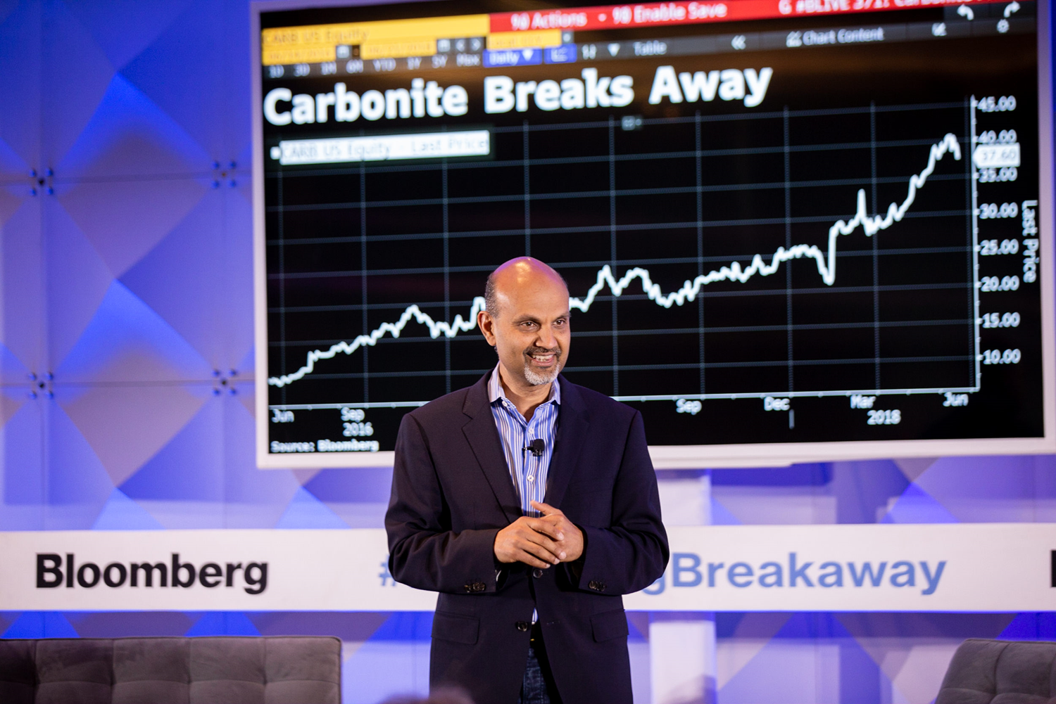
Coming here to the U.S. and leaving everything behind is a kind of an entrepreneurial activity: high risk, potentially high reward.
Business
Mir Imran of The American Dream: Immigrants Are the Essential Economic Engine of Future Innovation
The prolific life sciences inventor and serial entrepreneur shares his incredible journey from a teenager arriving with nothing to founding over 20 transformative medical companies.
Is the American Dream still alive? If you speak to many of the immigrants we spoke to, who came to this country with nothing but grit, resilience, and a dream, they will tell you that it certainly is still alive.
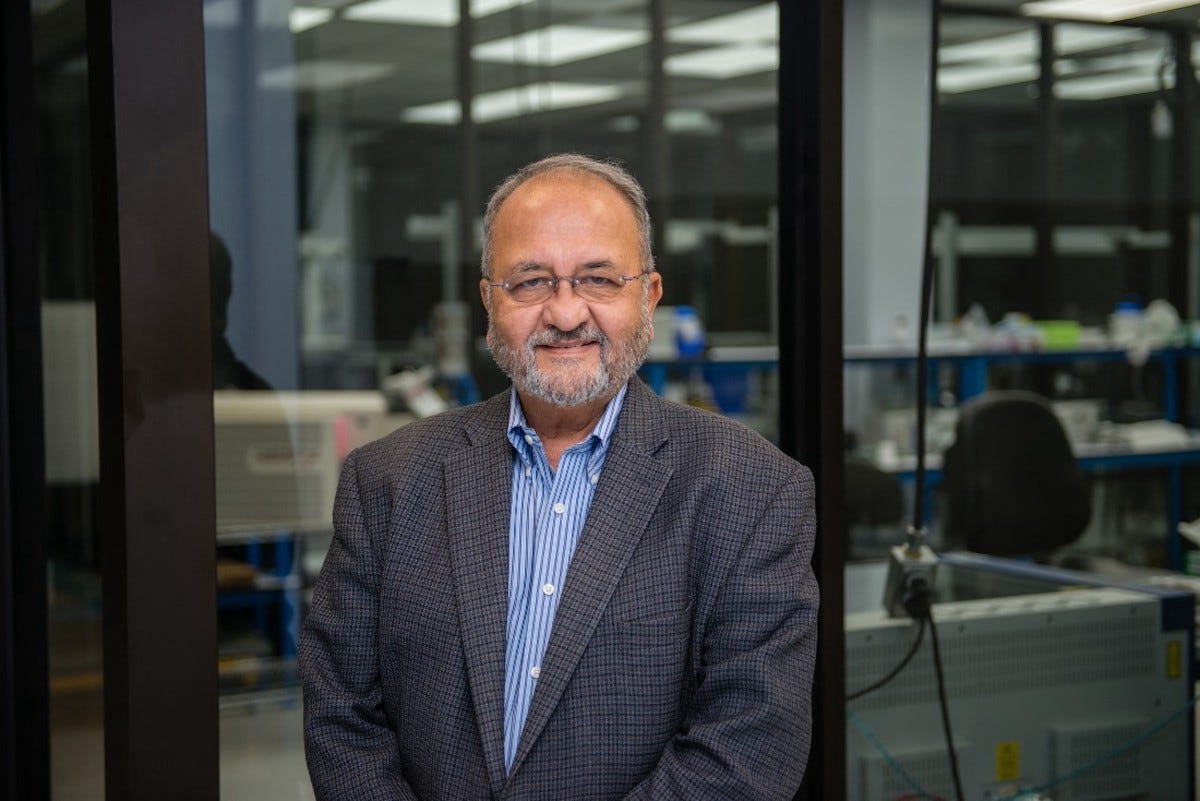
As a part of our series about immigrant success stories, I had the pleasure of interviewing Mir Imran.
Mir Imran has a unique background in medicine and engineering, which became the foundation of his work in innovation and company building. After attending medical school, Mir began his career as a healthcare entrepreneur in the late 1970’s and has founded more than 20 life sciences companies since those early days, more than half of which have been acquired. Mir holds more than 400 issued and pending patents and is perhaps most well-known for his pioneering contributions to the first FDA-approved Automatic Implantable Cardioverter Defibrillator (ICD).
Thank you so much for joining us in this interview series! Can you tell us the story of how you grew up?
I was born in Hyderabad, India, a city right in the center of India. My father was a physician, my mother was a writer. We grew up with my grandmother taking care of us; my father practiced medicine in a small town a couple hundred miles away, so we only used to see my father every summer.
It was a really wonderful environment growing up with the family, aunts and uncles and so on. I was a tinkerer from childhood, and I developed a deep interest in engineering — for science, physics and chemistry. My mother encouraged me a lot. In fact, I attribute the fostering of my curiosity to her — when I was a young boy, I liked to take toys apart to figure out how they worked. Instead of scolding me, she bought me two toys … one to play with and one to take apart. That was the beginning of my career in engineering.
Without even knowing the word “entrepreneur,” I was an entrepreneur. As a middle school student or high school student, I used to make things and sell things. I built transistor radios and toys and would sell them to my classmates. And so that bug was already there for entrepreneurship, and that led me on this path of building a number of companies, and some of them have had a significant impact on medicine.
Was there a particular trigger point that made you emigrate to the US? Can you tell us the story?
Back when I was in 10th grade, the realization came to me that for the kinds of pursuits I was interested in, I would best be served if I were to go either to the U.S. or U.K. or Canada for higher education. So I started writing to universities, unbeknownst to my parents. In fact, I went all the way to applying and getting admissions from various schools, and then I approached my father for some money to come to the U.S.
Can you tell us the story of how you came to the USA? What was that experience like?
In the early ’70s, I made my trek. I was about 17 ½ years old, landed at JFK and found my way to Rutgers. I went through the typical immigrant struggles, getting an education while not having sufficient money to do much of anything, or to even have basic necessities. I lived in a closet for three years — actually a walk-in closet I rented out from another student.
But I didn’t even think about it as a burden or challenge for me at the time. It was just part of the journey towards reaching my goals. I was so deeply interested in science and engineering at that time, nothing could deter me. It was the most intense period of my life.
Is there a particular person who you are grateful towards who helped make the move more manageable? Can you share a story?
As you go through these struggles, you always find people willing to help. Starting with family members, my mother was very supportive of what I wanted to do, even though I was so young and they were saying I should finish my undergraduate degree before going to the U.S. — but my mind was made up.
Coming here, there were a number of people who guided me. Some of my professors took great interest in me. One in particular, Dr. Sidney Deutsche, he really insisted that I go down this path of applying engineering to medicine. He has a big influence on the choice of my path. At a very, very early stage, he pointed me in the right direction.
How have you used your success to bring goodness to the world?
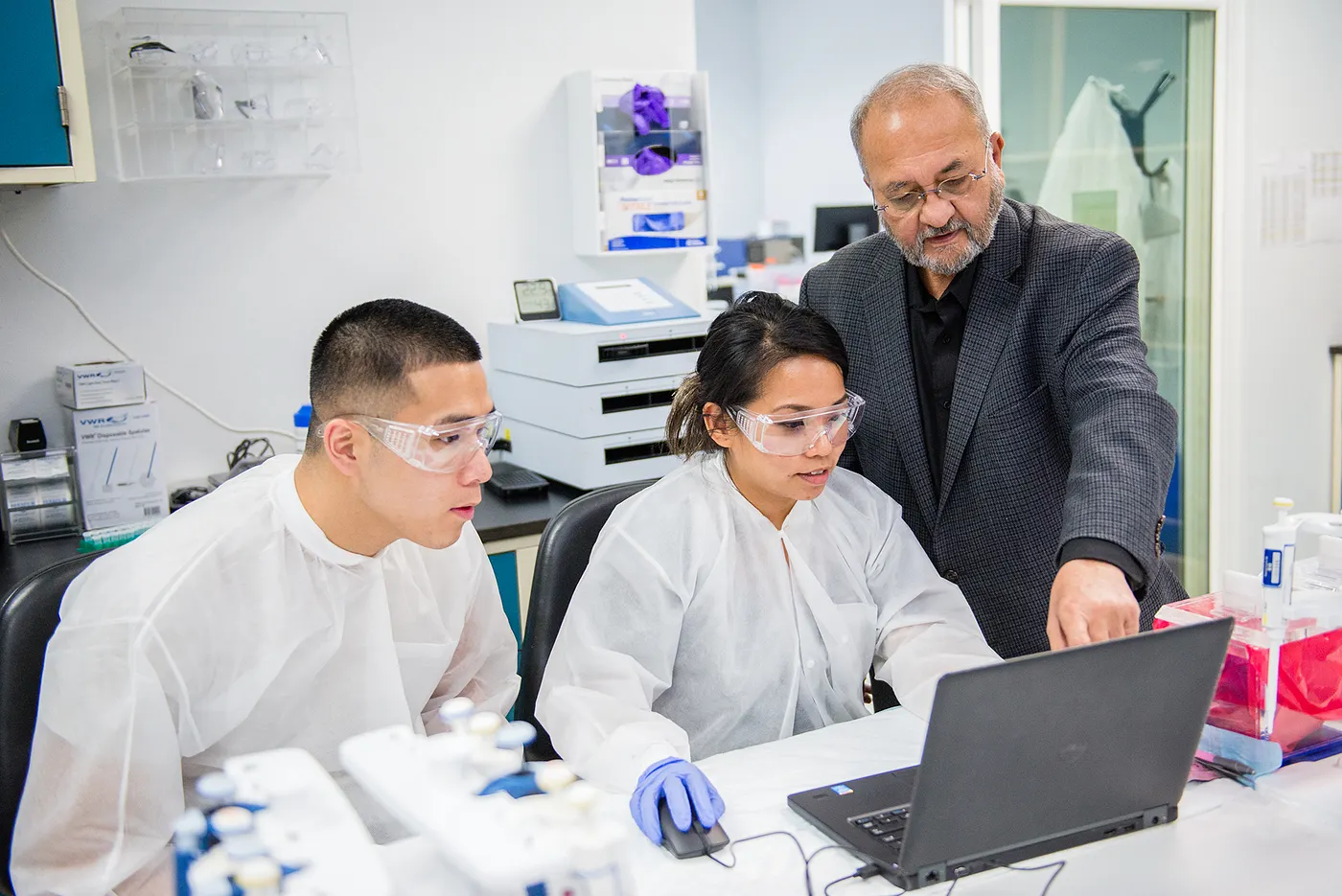
There’s an underlying passion for problem-solving, and I’m just really drawn to solving healthcare problems, because I can see the impact it makes on countless people — from some very serious conditions that I have attempted to treat, like sudden cardiac death with the implantable defibrillator, to chronic pain and some CNS disorders like hemorrhagic stroke, to restoring bladder function in spinal cord injury patients. It’s so gratifying to be able to do this work, and to me, money is almost secondary. You can’t sustain this level of passion for 45 years if it was just chasing after money. It’s really driven by the impact my work can make, at least in small ways, on a large number of people.
You have first hand experience with the US immigration system. If you had the power, which three things would you suggest to improve the system?
I feel having lived here for the last 47 years, and knowing the history of this country, the energy and the lifeblood of the United States have been the immigrants. In fact, the people who want to come here and want to settle here are the most passionate about their work. They are the most likely to be entrepreneurs. Coming here to the U.S. and leaving everything behind is a kind of an entrepreneurial activity: high risk, potentially high reward. So there’s a self-selection of the best minds, the most motivated and hard working individuals who end up here.
If there’s anything we should do to the immigration system, immigration should really open up to people who want to come and get an education and stay here. Maybe have them settle in areas that are less economically developed and build their businesses there.
We should look at it as economic development and a competitive edge in the world. Immigrants are the lifeblood of our future.
Can you share “5 keys to achieving the American dream” that others can learn from you? Please share a story or example for each.
1. Have big dreams and go after them.
2. I think one of the characteristics of the American entrepreneur is a level of fearlessness and courage in facing risks and putting everything you have into something.
3. Hard work is an obvious requirement.
4. There should be a level of humility and a desire to serve in different ways. I think that also builds a deeper connection with the community you are living in.
5. Supporting the most important cause that we have, which is education of young people. To me, some of these things are not only keys to success, but increase the level of satisfaction you get from contributing to the successes of future generations. I think we don’t talk enough about that, and even though there are a lot of people in education, I think a lot more people can contribute to that.
We know that the US needs improvement. But are there 3 things that make you optimistic about the US’s future?
Investment in our future — in K through 12 education, and in research and development. I don’t want the U.S. to be left behind by countries who are aggressively investing in those areas like China and elsewhere.
We also don’t want to be left behind in AI or in clean energy or transportation, all these different sectors that need to continue to be researched and improved. I think that would secure our future.
We are very blessed that some of the biggest names in Business, VC funding, Sports, and Entertainment read this column. Is there a person in the world, or in the US whom you would love to have a private breakfast or lunch with, and why? He or she might see this, especially if we tag them. :-)
There’s not just one person, there’s maybe 10 people I’d love to meet. But if I had to choose, I would probably choose two very different kinds of people. One would be a philosopher named Daniel Dennett. He’s amazing and has written dozens of books. And the other is a science writer named Richard Dawkins. I’ll take either one.
This was very inspiring. Thank you so much for joining us!
CV
Written by
Chef Vicky Colas
Editor & Journalist · Authority MagazineChef Vicky Colas is a contributing interviewer at Authority Magazine covering Business and Tech, conducting primary-source Q&A interviews with founders, executives, and industry leaders.

Published inAuthority MagazineTop Lessons, Top Authorities · 42K Followers
Exclusive, curated interviews with the leaders and changemakers shaping tomorrow. Leadership lessons, industry deep dives, and executive profiles.