We didn’t approach the market with the prestige that comes with venture capital backing, we started at the onset of the great recession, so we had no choice but to make the business work on day one.
Business
Kurt Carlton of New Western: Forced Resourcefulness and Market-Fit Are the Real Engines of Entrepreneurial Scale
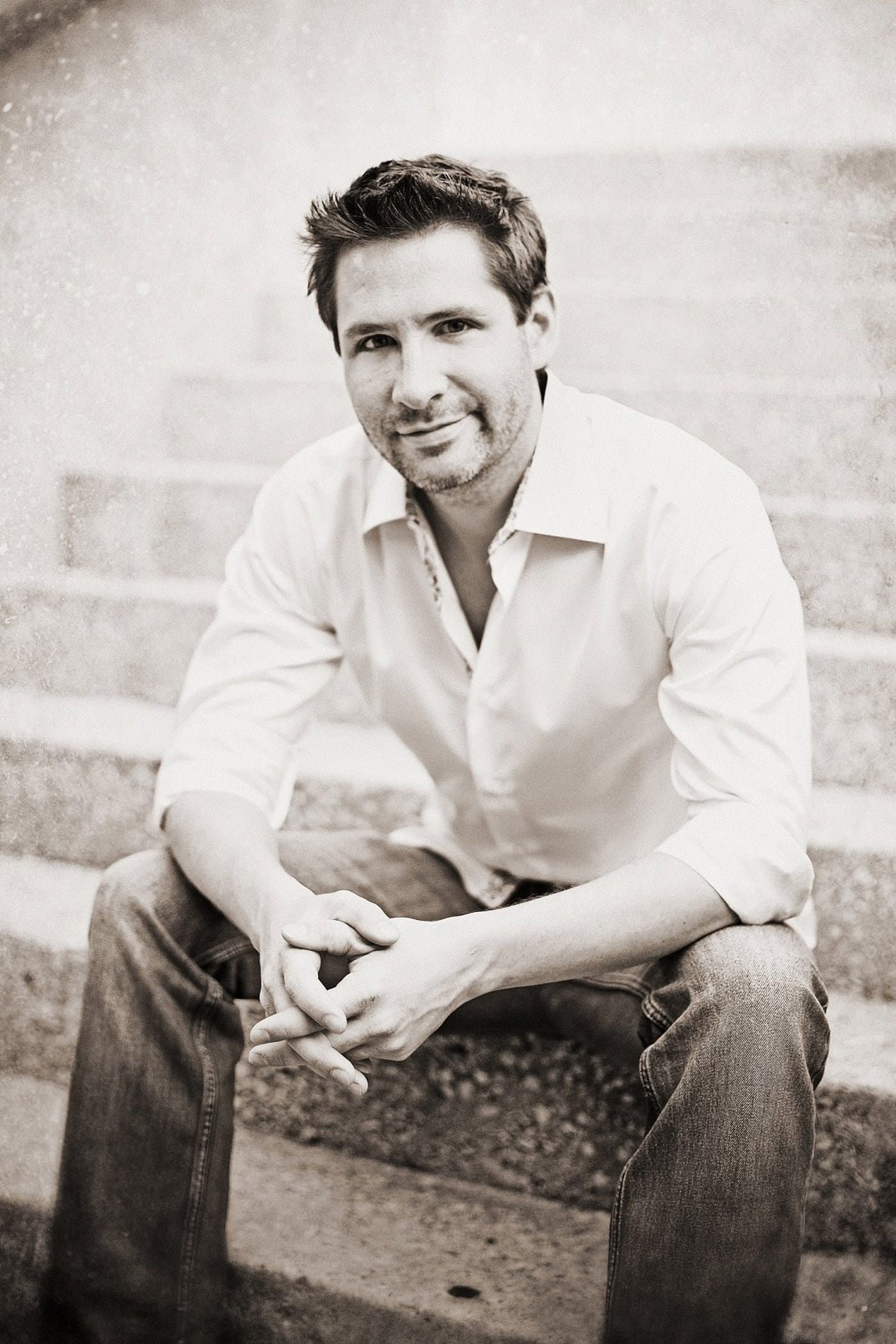
Shows like Flip or Flop and Fixer Upper with Chip and Joanna Gaines have really glamorized the creativity and enjoyment that comes with buying a rundown home, fixing it, and then selling it for a profit. Some amateurs have ventured into this industry and have made a lucrative career out of it. But others, particularly when a market is stagnant, have lost their shirts. As a part of my series about the ‘5 Things You Need To Know To Create A Successful Career Buying, Rehabbing, and Selling Properties’, I had the pleasure of interviewing Kurt Carlton.
One who is never afraid of a challenge and the need to think innovatively, Kurt Carlton is a solution-oriented leader who operates with a refreshing, candid perspective. He welcomes accountability and embodies the Warrior Spirit that is the crux of the New Western culture.
As the co-founder and President of New Western, Carlton oversees the portfolio of companies, including New Western, HomeGo and Sherman Bridge Lending. Along with the CEO, he establishes and oversees the short and long-term goals, planning efforts, and overall strategies for all aspects of the businesses. Since New Western’s founding in 2008, the company has grown exponentially — seeing about 40% growth annually for the past 10 years.
Thank you so much for doing this with us! Can you tell us the “backstory” about what brought you to the Real Estate industry?
I first got into real estate 15 years ago when I was living in the U.S. Virgin Islands and working on a project there for the Ritz Carlton. I moved to Texas just in time to witness the 2008 housing market crash and started working with my friend, Stuart Denyer, to build the first company that could support the property needs of real estate investors at a national scale. Since that time we’ve been growing New Western together and its family of brands across the United States.
Can you share with our readers the most interesting or amusing story that occurred to you in your career so far? Can you share the lesson or take away you took out of that story?
The first flip I was involved in had horrible foundation problems, but I didn’t know anything about foundation issues at the time. After the home closed we had to wait for weeks due to rain and I remember seeing our loan interest continuing to increase. When we could finally get someone to crawl under the house to repair the foundation, he had issues getting the foundation leveled. I watched as their team raised and lowered the home again and again, with bricks falling off the side of the home each time it dropped. By the end of it, we had to replace all of the windows in the home due to damage caused by the foundation leveling. Remarkably, we have delivered 30,000 homes since then and haven’t witnessed a foundation fiasco quite like this one.
Do you have a favorite “life lesson quote”? Can you share a story or example of how that was relevant to you in your life?
One that has always stood out to me is a quote from Jack Ma, Alibaba’s founder. While speaking at a conference at Stanford’s Graduate School of Business in 2013, Ma attributed the success of Alibaba to having, “no technology, no money, and no plan.” This quote may not resonate for some, and it certainly does not describe the New Western of today, but it is the embodiment of what was required to ensure our early success. We didn’t approach the market with the prestige that comes with venture capital backing, we started at the onset of the great recession, so we had no choice but to make the business work on day one. I attribute our own success to forced resourcefulness, flexibility, and making sure our product fits the market instead of trying to bend the market to fit our product.
Are you working on any exciting new projects now? How do you think that will help people?
Currently we are focusing on growing the national footprint of our family of brands — New Western, HomeGo, and Sherman Bridge Lending. Each of these divisions focuses on helping to solve a specific need. Our portfolio of companies has established a real estate ecosystem that makes it easy and hassle-free to buy and sell properties.
New Western is continuing to expand its relationships with real estate investors across the country. We’ve had the opportunity to work with 75,000 investors to support their pursuit of financial independence. They rely on our market insight, exclusive platform, and extensive inventory to help them acquire fixer-upper properties to either flip or rent. We currently deliver a property to a real estate investor every 20 minutes and take pride in our work helping them improve neighborhoods and home values throughout the United States.
At HomeGo, our team is focused on increasing the number of homeowners we help every year move on from difficult situations or distressed properties. HomeGo is an off-market buyer that’s setting the standard for the industry with its market expertise, use of licensed real estate agents, and standardized seller experience. HomeGo has purchased more than 30,000 homes and works directly with sellers and their listing agents to make selling a home simple and streamlined. With our standardized process, sellers will receive a cash offer from a licensed agent on the spot after a quick in-home walk-through and can close in as little as seven days.
Our Sherman Bridge Lending division is dedicated to providing hard money loans to help real estate investors either fix-and-flip or fix-and-rent their investment property. We focus on bringing fast, flexible, and affordable lending solutions to real estate investors. The liquidity we provide the market makes it possible for investors to do what they do best, invest in communities. We help investors take on more projects at a time, make more extensive improvements, and scale their real estate investment business faster.
What do you think makes your company stand out? Can you share a story?
New Western is different compared to other companies in the industry, as our family of brands solve specific needs and bring opportunities to homeowners, real estate listing agents, and real estate investors. These three divisions are disrupting the traditional real estate industry, by carving out a niche that’s only going to continue to grow in the future. As a leader in the industry, New Western has experienced significant growth over the past 10 years and is positioned to continue expanding across the United States.
New Western provides real estate investors with exclusive access to the largest private source of distressed investment properties in the nation. Thousands of investors rely on our market insight, exclusive platform, and extensive inventory to help them acquire fixer-upper properties to either flip or rent. At HomeGo, we provide a simple and dependable way to sell a home that may need a bit of love to reach its full potential. Sherman Bridge Lending brings fast, reliable capital for real estate investors. The liquidity we provide the market makes it possible for investors to do what they do best, invest in communities. We help investors take on more projects at a time, make more extensive improvements, and scale their real estate investment business faster.
None of us are able to achieve success without some help along the way. Is there a particular person who you are grateful towards who helped get you to where you are? Can you share a story about that?
I’ve always leaned on my network. Over the years I’ve had the opportunity to build close, personal relationships with other leaders of fast-growing companies. New Western was in a unique position as we were charging into a new space in the real estate industry and every step was our first. I heavily relied on these executives and entrepreneurs to help avoid costly mistakes. Recently, I engaged with two C-level product and technology officers that were between startups at the time — and who were personal friends of mine — and brought them in on a robust professional engagement. They worked with me for 90 days to help rebuild part of our technology department that we had quickly outgrown. The work they completed in three months set up our company for success for years to come. If I tried to tackle this project on my own it would have been very high risk — sometimes what you don’t know can hurt you. It’s important to have a strong support system of more experienced people that you can engage both professionally and personally. .
You are a successful business leader. Which three character traits do you think were most instrumental to your success? Can you please share a story or example for each?
- 80/20 Rule: It’s important to understand that we have finite resources in time and focus — you can do anything but not everything. One of the most important pieces of running any business is identifying the areas of focus that will make the biggest impact and ignoring what else you can. That’s challenging to do because every day you’ll have a dozen people coming to you upset that the company is not doing a certain effort in a specific area. You will receive immense value if you have the ability to focus on where you and the business can have the biggest impact and laser in on that focus. It may be difficult to not placate all of the different opinions that come across your desk, but you must stay on target for your business and team and get comfortable with saying no. By communicating why that isn’t a priority you can show your team the bigger picture and ensure everyone is tracking towards the same overarching goal.
- Get Comfortable with the Uncomfortable: You have to be comfortable with letting lower priorities fall. If you’re wanting hypergrowth every year, you can’t be a perfectionist. But that doesn’t mean you aren’t always working to raise your standards. You need a relentless drive to improve if you’re going to grow. Grit is one of our core values at New Western and that trait is what helps move the company forward every day.
- Have Courage: In order to be successful, it’s vital to have the courage to:
- Capitalize on opportunities you see in front of you
- Do the right thing, even if it means you take losses because in the long-term people remember, and the reputation you build will always greatly outweigh those short-term gains
- Do what’s never been done before, which is almost always terrifying
Ok. Thank you for all that. Let’s now jump to the main core of our interview. Can you share 3 things that most excite you about the Real Estate industry? If you can please share a story or example.
- There is a huge opportunity for investors with millennials coming into their prime homeownership years. 4.7 million millennials turned 30 last year and another 4.8 million turn 30 this year, with this set to peak over the next few years. Millennials came of age in the aftermath of the great recession and many chose — or were forced by circumstances — to put off homeownership. As they age into major life milestones, they are eager to enter the housing market. For the last five years, millennials have made up the largest share of home purchase mortgage applications. Now juxtapose that with current economic factors making it problematic for builders to meet the upcoming demand. This puts the aged housing inventory New Western delivers in the spotlight. Investors have the opportunity to bring new life to these homes and give millennial buyers a chance at homeownership.
- Home prices are rising due to the lack of inventory and buyers are prepared to spend more to get their dream home. Consumers made $1.0 trillion more than usual in 2020 due to government stimulus. And, of course, while we were all stuck at home, spending dropped by more than $500 billion. Would-be buyers had the ability to save more for a down payment and benefited from the surging stock market. On top of that, existing homeowners collectively gained more than $1.5 trillion in equity in 2020. All of this has given new homebuyers and existing homeowners more wealth to leverage and many are choosing to put that wealth into a new home — whether that’s making the leap from renter to homeowner or upgrading from an existing home to more space and a better location. Demographics are at play, but demand was also accelerated by the pivot to remote work. Now buyers and renters have the ability to live where they can get more home for their money. It all spells opportunity for New Western investors.
- Real estate is one of the last opportunities for small business. Many hard-working people view it as their shot to jump the wealth gap and escape the rat race in corporate America. It can bring life-changing value to real estate investors while improving the communities they invest in.
Can you share 3 things that most concern you about the industry? If you had the ability to implement 3 ways to reform or improve the industry, what would you suggest? Please share stories or examples if possible.
- One of the biggest problems in this industry is that there tends to be more opinions than deals. The people with the least amount of experience have the loudest voices. There are a lot of inexperienced yet confident people on real estate forums who I suspect will be really embarrassed after rereading their posts years later when they have finally done a deal in the real world.
- In our niche, real estate education is larger than the industry itself. There are many personalities out there who pass on a tremendous amount of misinformation to the industry and create false confidence in first-time or novice investors. Don’t be taken in by people who want to charge you a lot of money for their “secret sauce” that won’t help you at all. Although there are some really credible options out there, they can be hard to find. Hard work is where you learn. If you want real knowledge, expect to work for it.
- We are in a hyper-fragmented industry with a lot of small players who have a lot of freedom to be good or bad. This makes it hard to regulate activities and processes to ensure sellers are treated with the kindness and respect they deserve. One of New Western’s core values is accountability, and it’s something we take seriously in the work we do every day.
- Many people get into house flipping with the expectation that they will do their first deal and make $100K. While experienced investors may achieve those results, it’s more realistic when you’re first starting out to place equal value on the knowledge and experience gained as on the profit of a particular deal. A career as a real estate investor is a marathon, not a sprint. You will probably get far more out of investing your money in a down payment on a deal and earning real-life experience than you would paying an online guru. There are many incredibly successful investors out there, but their few first deals were a learning experience just like the rest of us.
What advice would you give to other real estate leaders to help their teams to thrive and to create a really fantastic work culture?
It’s important for leaders to establish a strong culture that’s reflected in everything you and your employees say and do on a daily basis. Your employees are a reflection of your company, mission, values, and much more. It’s critical to have your company culture be the foundation of your work and vision for what you want your company to look like in the future. Every company culture is different. Once you identify and build what culture looks like for your company, embrace it and bring it to the forefront of everything you do.
At New Western, we pride ourselves in the warrior culture we’ve built and continue to cultivate in our family of brands. Being a warrior means being bold enough to leave your doubts behind and break through boundaries in the steadfast pursuit of success. The people on our team are motivated by their passion for their families, communities, and goals. We’re here to do good work and make an impact on our industry. We make sure to hire new employees aligned with this vision to ensure a good culture fit. New Western’s warrior culture represents:
- Grit: We are relentlessly driven, and harness our determination to serve our investors. Passion and perseverance push us through all obstacles and distractions that stand in the way. Our resolve defines us and our strength of character keeps us moving when it’s easier to give up. We are uncompromising in our pursuit of excellence and unwavering in our belief that determination overcomes everything.
- Accountability: We do things the right way, even if that way is harder. Because we don’t cut corners. We hold ourselves to a higher standard. We know honesty and candor are the most efficient way to manage unrealistic expectations, minimize frustrations and build trust.
- Competitiveness: Competition brings out the best in us. We push each other to raise the bar at every turn. We channel our drive into winning experiences for our customers. We never stop learning and growing because there are always greater heights to reach. This burning desire to win is found on every level of our business model.
Ok, wonderful. Here is the main question of our interview. Can you please share with our readers your “5 Things You Need To Know To Create A Successful Career Buying, Rehabbing, and Selling Properties”? If you can, please give a story or an example for each?
- Set the right expectations: Real estate is a career — one filled with hard work. Remember your journey is a marathon, not a sprint, and you must be prepared to put in the work. You can’t expect to make a killing on every deal — no one is going to hit a home run every time. But the more experience you gain, the better you’ll be at navigating the challenges that inevitably arise. There’s a team of investors who came to New Western having never purchased an investment property before. They spent a lot of time analyzing deals and walked every property with their contractor before they felt comfortable buying. A few years and dozens of deals later, they’re full-time investors and can walk into a property and know in 5 minutes if it’s going to work for them.
- Learn by doing: Don’t expect to have any real experience or knowledge until you actually do a deal. There are so many opinions out there about real estate, but you won’t know what the truth is until you actually do it yourself. Be accountable so you can learn from your mistakes and profit from them in the future.
- Build your network: Take the time to find contractors you can partner with. It takes a lot of work to develop a network of contractors and it’s something you always need to work on maintaining or growing. Having a network of contractors is important to improve pricing, and you must be serious about managing them and holding them accountable. Have your expectations clearly laid out from the beginning to eliminate obstacles or conflicts down the line with your team or contractors. This includes clarifying the scope of work and all associated costs with the project. The last thing you want is a surprise cost or timeline extension.
- Keep design in mind: If you think you’re good with design, I recommend getting a second opinion. The quality of your design could make a significant difference in your after-repair value, which is why knowing your market and not over-improving is critical. Study what comps are available in the same area to see what your competition looks like and the level of standard you need to reach. You could have two investors that spend $50K on their kitchen and you could have a very different outcome based on their design. Also remember you are designing for your buyer, not yourself. Don’t design to your personal preferences.
- Don’t hold out for a steep discount: Due to the competitive nature of the current real estate environment, it’s a seller’s market. This means it’s more important than ever to set up your business in the most efficient way possible and to have the best resources in terms of contractors, supplies, design, marketing, etc. It’s far better to do 10 good deals per year than one great one. The way to operate in a competitive market is to engineer your business to win deals, be efficient, and operate on scale and efficiency
What are the most common mistakes you have seen other people make when they try their own hand at house flipping? Can you share any stories?
- Investment strategy: Many people get excited watching house flipping shows on HGTV and end up over-improving in the wrong areas. Just because you put a lot of money into a rehab doesn’t necessarily mean you’ll come out the other end with a large profit.
- Contractor vetting: Many people will automatically go with the lowest bid and don’t properly vet their contractors. There are truly great contractors out there, but there are also disreputable ones. The difference between the two can make or break your deal. One of our investors in Tennessee recently shared her story about an untrustworthy contractor who took $17,000 from her and then never finished the work on her project. Luckily, she recovered and still made a tidy profit but it was a costly lesson.
- Decision making: Avoid analysis paralysis. Having fear of making the wrong decision will hold you back from ever taking action on your goals. Even if you make a mistake, you’ll gain invaluable knowledge and experience.
- Hard work: There is a lot of opportunity to make good money on house flips, but you have to be prepared to work hard and be accountable. It’s not called sweat equity for nothing!
From your experience, what can be done to avoid those errors?
- Investment strategy: It’s important to study comps and understand the neighborhood and what’s valued in homes in that area. Every neighborhood is different. We have investors who will completely transform a house with a $100,000 rehab in order to flip at the top of the market in an up-and-coming neighborhood. We also have investors who fix to rent and spend far less on their rehabs, choosing affordable and durable materials and mostly cosmetic updates. The key is to tailor the rehab to your exit strategy and the neighborhood.
- Contractor vetting: Thoroughly vet your contractors. Always check references and never pay upfront because if you do, there’s no incentive for them to stay on schedule or to finish the job at all. When you find good contractors, invest the time and effort to build long-lasting relationships. You want to have a solid network you can rely on.
- Decision making: Sometimes you need to take a leap and make a decision, even if you aren’t 100% sure where it will take you or if it will bring you to the desired outcome. Real estate is all about experience and sometimes you need to take some acceptable risks in order to get you to where you want to be. We talked to one of our investors in San Antonio about his journey to become a full-time investor and he put it really well. When he was deciding whether or not to buy his first property, he said to himself ”I’d rather try this and fail than go back and say I should’ve, would’ve, could’ve.“ He took the leap and it changed the course of his life.
- Hard work: Success in real estate takes a lot of hard work and the industry is constantly changing. There will always be something new to learn — no matter how many years you’ve been in the business. Enjoy the journey and be proud of the work you do.
You are a person of great influence. If you could inspire a movement that would bring the most amount of good to the greatest amount of people, what would that be? You never know what your idea can trigger. :-)
I would love to share our code of conduct with the broader industry and have confidence everyone would buy into the long-term value of self-regulating their business. Oftentimes, we buy houses in need of repair where sellers are in a vulnerable situation — but that doesn’t mean they don’t have a real need to be addressed. We have a responsibility to sellers to treat them with the kindness and respect they deserve. I’d like us — as an industry — to come together and share a vision of how we want to affect our communities. Business can easily be accomplished profitably and ethically. Without a change in behavior, the industry is at risk of being stigmatized as it grows.
How can our readers further follow your work online?
You can follow me on LinkedIn and get connected with New Western’s family of brands.
Thank you for your time, and your excellent insights! We wish you continued success.
JH
Written by
Jason Hartman
Editor & Journalist · Authority MagazineJason Hartman is a senior columnist at Authority Magazine covering Business and Tech, conducting primary-source Q&A interviews with founders, executives, and industry leaders.

Published inAuthority MagazineTop Lessons, Top Authorities · 42K Followers
Exclusive, curated interviews with the leaders and changemakers shaping tomorrow. Leadership lessons, industry deep dives, and executive profiles.