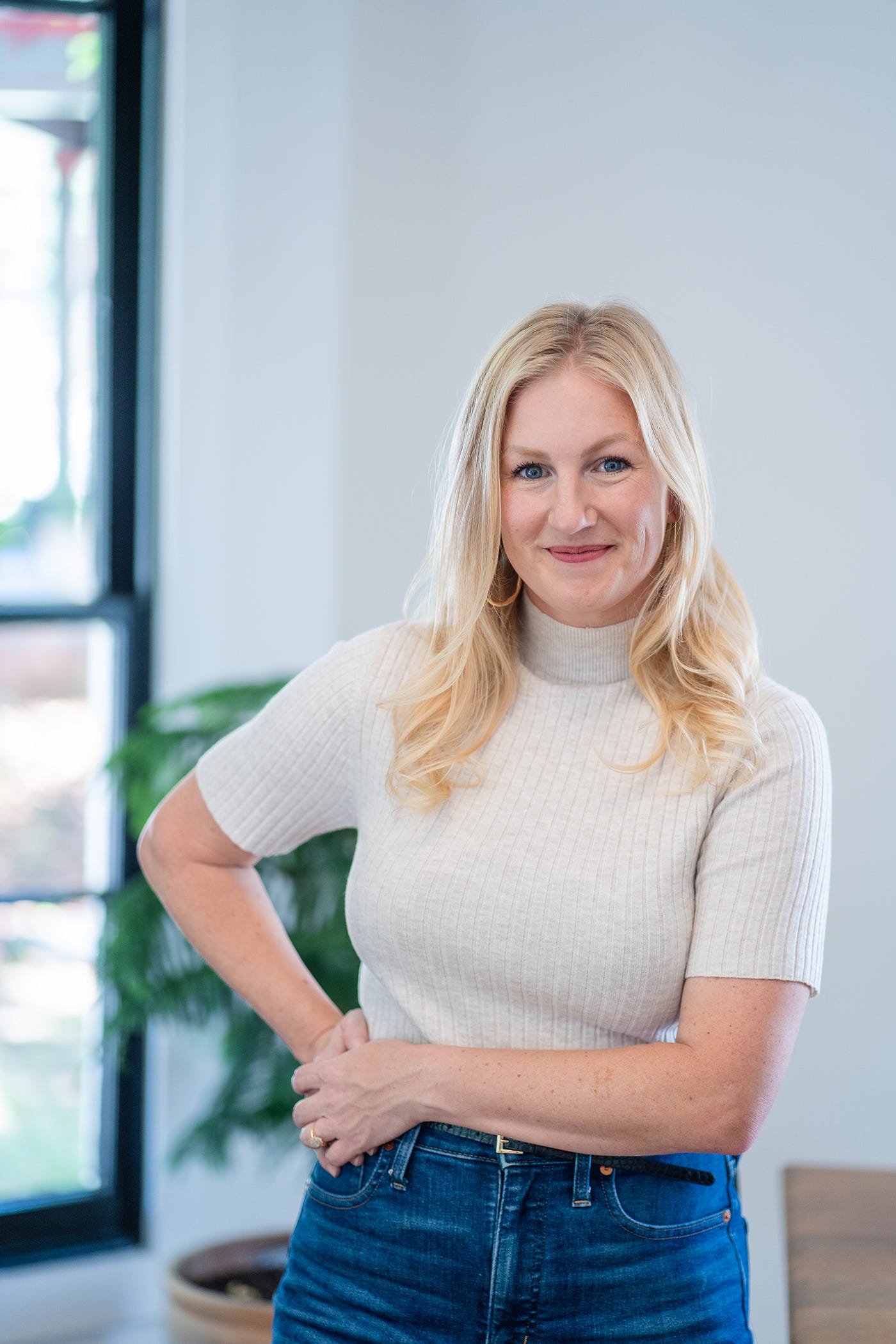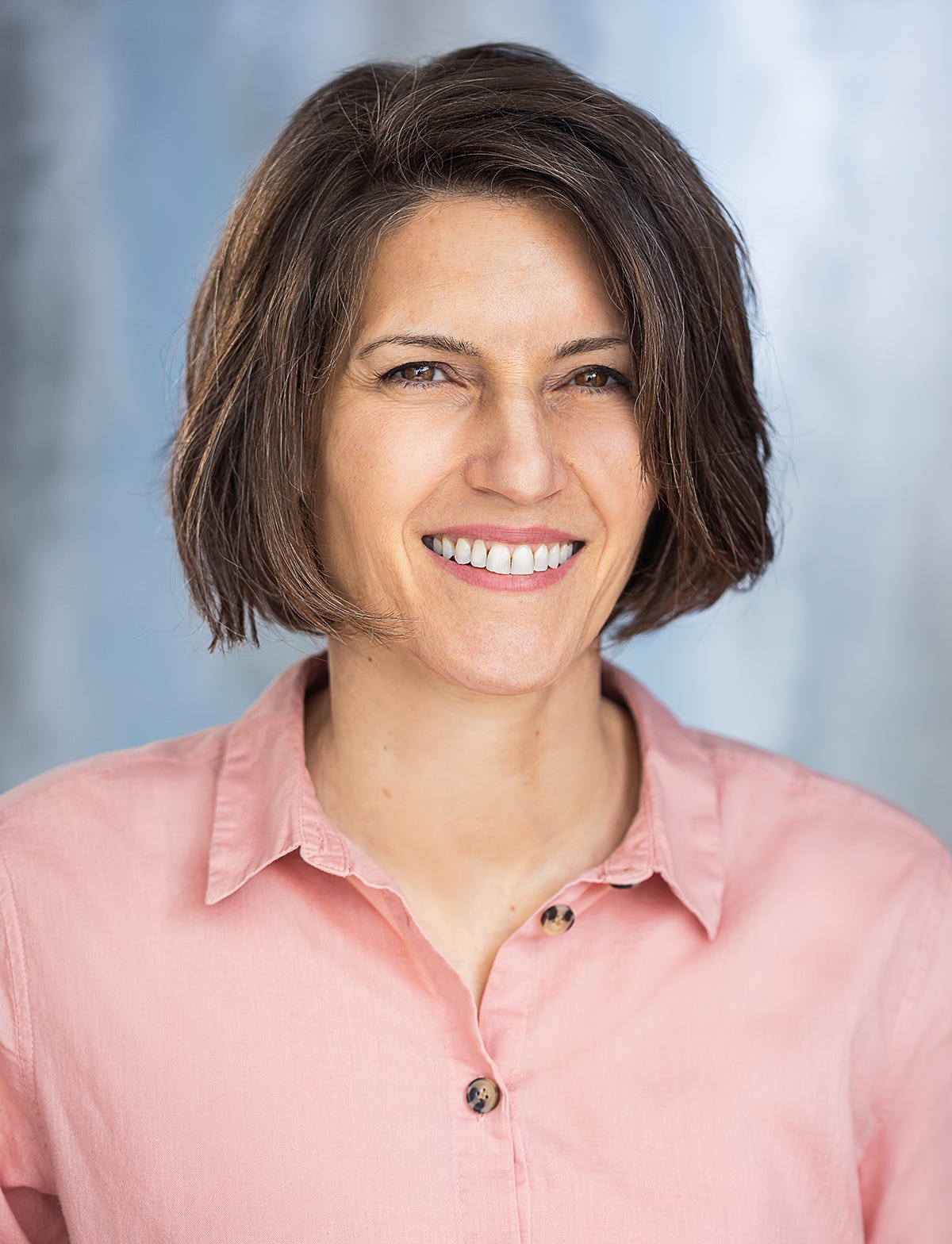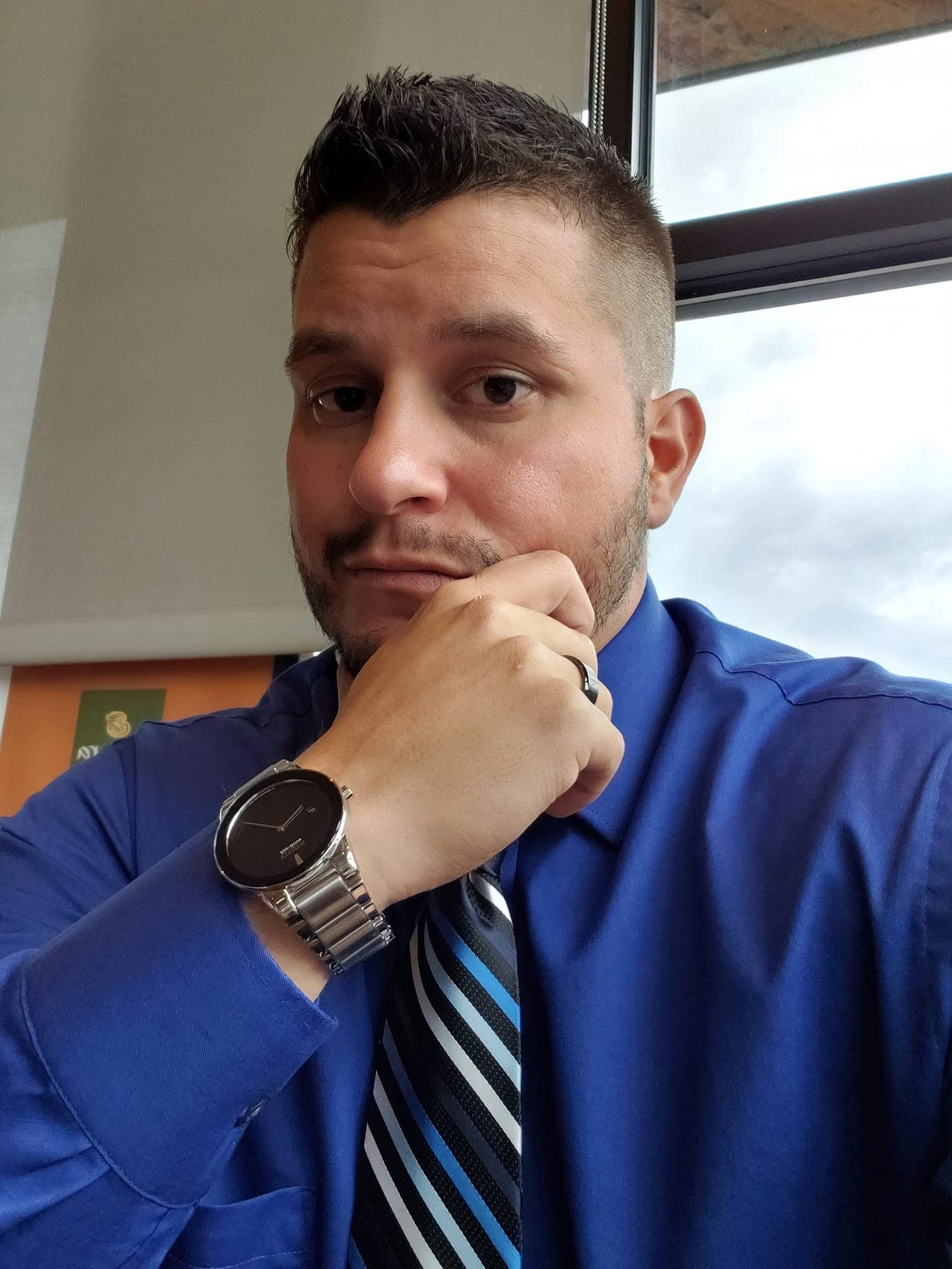
My background is in operations, building teams, and helping behavioral health organizations grow. Early in my career, I worked in restaurant management.
The current state of the mental health system is a conversation that echoes in the halls of policy-making, the corners of social advocacy, and within the private struggles of individuals and families. As we continue to witness an unprecedented need for robust mental health support, the shortcomings of the existing system become more glaring. It is within this backdrop that we seek the insight of those who are at the forefront of behavioral health. In this interview series, we are talking to behavioral health leaders, policymakers, mental health practitioners, advocates, and reformers to share their perspectives on healing our broken mental health system. As a part of this interview series, we had the pleasure of interviewing Michael Banis.
Michael Banis is Chief Growth Officer at Discovery MSO, where he leads growth and patient access efforts for Discovery Point Retreat. His background spans behavioral health operations, admissions, business development, and marketing, including executive roles focused on expanding treatment capacity and strengthening teams. He focuses on connecting people with appropriate care and improving coordination between referring providers, admissions teams, and treatment programs.
Thank you so much for joining us in this interview series! Before we start, our readers would love to “get to know you” a bit better. Can you tell us a bit about your background and your childhood backstory?
My background is in operations, building teams, and helping behavioral health organizations grow. Early in my career, I worked in restaurant management. That gave me a practical foundation in leadership. You have to communicate clearly, support your team, and take responsibility when something isn’t working. You also learn pretty quickly that a good plan means very little if the people carrying it out don’t have what they need.
I brought that operational perspective into behavioral health and have worked across business development, admissions, marketing, and executive leadership. I’ve helped organizations expand treatment capacity and build the teams and processes needed to support that growth. Today, I’m the Chief Growth Officer at Discovery MSO, where my work includes leading growth and access efforts for Discovery Point Retreat.
I was raised in New Jersey and lived in the grips of addiction for over a decade before taking the first steps in my recovery journey. My struggles included both drugs and alcohol, and they were compounded by a negative outlook and personal challenges.
I currently live in Henderson, Nevada, with my wife and our young son. Being a husband and a father gives me another perspective on this work. When I think about a family trying to get answers, I think about the clarity and follow-through I would want for my own family.
Can you please give us your favorite “Life Lesson Quote”? Can you share how that was relevant to you in your life?
The quote I would choose is, “Everything happens for a reason.” It’s simple, but it covers a lot.
My career hasn’t followed a perfectly straight path. I’ve had opportunities that worked out and others that didn’t, and I’ve learned a lot through both. In the moment, a setback can be frustrating. Looking back, I can often see how it taught me something I needed or helped me approach the next opportunity differently.
For me, that quote is a reminder to keep moving forward, even when I don’t have all the answers yet. It also shapes how I lead. I try to take what I’ve learned and use it to build better teams and make things easier for the people we serve. At Discovery Point Retreat, I want our work to help people find a way forward when they’re going through a difficult time.
Let’s now shift to the main part of our discussion. It is often said that “the mental health system in America is broken”. What does that statement mean to you? From your perspective what is “broken” today?
To me, broken means we ask people to do too much work to get help at a time when they may have the least ability to do it.
A person can have insurance and still struggle to find a provider who accepts it, is taking patients, and offers the care they need. A provider directory can look reassuring until you start making calls. Coverage restrictions and approval processes can create another set of obstacles. If you can’t find someone who can actually see you, that insurance card hasn’t solved the problem.
Then there are the gaps between services. A person may need mental health treatment, help with substance use, and ongoing medical care. We organize those services separately and expect the patient or family to connect them. Every handoff is another opportunity for someone to get lost.
From an operations perspective, I think we also need to be more honest about what we’re measuring. Getting someone admitted tells us they entered a program. We still need to know whether the care was appropriate, whether it helped, and whether the person had support afterward. That’s the whole experience we should be responsible for improving.
What about any bright spots? Do you think there are any elements that we get right in today’s world that we wouldn’t want to reverse unintentionally?
Absolutely. I value the willingness to talk openly about mental health and recovery. Every time someone can ask for help without feeling ashamed, that’s something worth protecting.
Telehealth is another bright spot. It can make an appointment more manageable for someone who lives far from a provider, has transportation problems, or needs to work around family responsibilities. We should keep that flexibility while making sure people can also get in-person care when they need it.
The 988 Lifeline gives people a recognizable way to reach crisis support by phone, text, or chat. That is a useful part of the system to build on, alongside the local services people may need afterward.
I also like the direction of Certified Community Behavioral Health Clinics. The model brings mental health and substance use services together with care coordination and requires clinics to serve people regardless of their ability to pay. That addresses several of the problems families are trying to navigate.
As we make changes, I want us to preserve patient choice and the relationships people have with trusted providers. A system can look more efficient on paper and still be harder for a person to use. We need to keep checking that.
In your opinion, what are the 5 most impactful things that could help heal the broken mental health system? These could be on any level including training, workforce, policy, culture, equity etc.
1. Make getting into appropriate care easier
I would start with the first call. A person reaching out should get a clear explanation of what a program provides, whether it may fit their needs, what the next step is, and what the financial responsibilities could be. Clinical suitability needs to be determined by qualified professionals, and people deserve honest answers about costs and coverage.
If a program can’t help, there should be a process for connecting the person with an appropriate alternative. Giving someone another list of phone numbers may leave them right where they started. I’d want a team member to help make the connection and check whether the next provider can actually see them.
On the insurance side, I would push for accurate provider directories, adequate networks, timely coverage decisions, and meaningful review when care is denied. I would also make sure people without insurance have a clearly explained route to affordable services. Access should be measured by how quickly someone reaches appropriate care.
2. Make someone responsible for connecting each step of care
I would put more resources into care coordination and follow-up. Someone should be responsible for checking that the next step actually happens, especially when a person is moving between levels of care or different providers.
For example, before someone leaves a residential program, I would want the next appointment arranged, a plan for access to prescribed medication, and a clear person to contact if something goes wrong. If transportation is a barrier, that needs to be addressed while the person is still receiving support.
The same thinking applies to people who have both a mental health condition and a substance use disorder. Their providers need a coordinated plan, with appropriate consent and privacy protections. Families and other support people should be involved when the patient wants that and it is appropriate.
We should fund the time it takes to do this well. A discharge plan has to work in the person’s actual life.
3. Build a workforce that can stay and do good work
We need to recruit people into behavioral health and give them a reason to stay. That means competitive compensation, manageable workloads, good supervision, and time for training. I would also invest in paid training opportunities and support for people entering the field, so building a career doesn’t depend on being able to afford unpaid work.
Leadership has a responsibility here. If staff are carrying more work than they can reasonably handle, we need to look at staffing and processes. We should remove duplicate documentation and unnecessary administrative work wherever we can. If we’re asking people to spend more time with patients, we have to give them that time.
I would include admissions and support staff in that investment. The person answering the phone needs training in listening, explaining next steps, recognizing when to involve a clinician, and treating a frightened family with respect. They need clear boundaries around their role, too.
From my experience building teams, training has to continue after onboarding. People need coaching, feedback, and managers who understand the work they’re asking them to do.
4. Make earlier support part of everyday care
I would make it easier to connect with behavioral health support through places people already use, especially primary care offices, pediatric practices, and schools. The goal would be to address concerns while someone still has support and options available.
That takes more than identifying a problem. If a screening raises a concern, there has to be a qualified person available to assess it and a realistic route into treatment. We should know who follows up and what happens if the family can’t get an appointment.
For children, I would put particular emphasis on helping parents understand what they’re seeing and how to get an appropriate evaluation. Teachers also need support and a clear referral process. We shouldn’t expect them to take on a clinician’s job.
Earlier support should include respect for the person’s culture, language, and circumstances. People need to understand what’s being recommended and feel comfortable asking questions before they can make an informed decision.
5. Measure whether people are getting better and fund the work that helps
I work in growth, so I understand why organizations track admissions and financial performance. I also want to know what happens to the people behind those numbers.
We should track clinically appropriate changes in symptoms, daily functioning, continuity of care, and the patient’s own experience. Follow-up after treatment matters. If an organization reports strong results, it should be clear who was included, how improvement was measured, and how many people couldn’t be reached.
Payment should support effective treatment and the coordination needed to sustain it. Any system that rewards outcomes also needs to account for how sick people are and the barriers they face. We can’t create a financial reason to avoid patients with more complex needs.
I would bring the same accountability to marketing. Families deserve accurate descriptions of services and claims that can be supported. A treatment organization needs to be financially stable enough to invest in staff and care. Its growth should reflect the quality and usefulness of what it provides.
If all of the items on your list were magically implemented tomorrow what change might we see in the world? What are the signs (big and small) that would show us that the system is being healed?
The first change I would expect is less confusion. People would get clearer answers, spend less time calling around, and know who was responsible for helping them take the next step.
Some of the signs would be very ordinary. A parent leaves an appointment understanding the plan. Someone can get treatment without repeatedly missing work. A patient moves to outpatient care, and the receiving team already has the information it needs. A staff member has enough time to return a call properly.
Over time, I would look for shorter waits, fewer avoidable crises, and better functioning in people’s daily lives. I would also look at whether those improvements reach people with lower incomes, people in rural areas, and communities that have had difficulty accessing care.
Clinical improvement would still take time. I wouldn’t expect every condition to disappear because we fixed the system. I would expect people to have a fairer chance of getting appropriate help and staying connected to it. And I would want patients and families to tell us that their experience matches what our reports say.
What is a project you or others are working on today that gives you hope? How can our readers learn more about this work?
The work we’re doing at Discovery Point Retreat (DPR) to connect treatment with ongoing support and measure patient progress gives me hope.
DPR offers medical detox, residential treatment, and outpatient programs. The goal is to help people connect with the next appropriate level of care as their needs change. We also track changes in symptoms and ask patients about their treatment experience during care, and we publish those results.
For me, that accountability matters. We should be looking at where care is helping, where someone needs more support, and what we can improve. Families deserve to understand how a treatment program evaluates its own work.
My part in that is helping strengthen the connections between referring providers, admissions, and the treatment team. I want someone reaching out to DPR to understand their options and have a clear next step. That is where my background in operations and growth connects directly to access.
Readers can learn more about our programs and published outcomes at discoverypointretreat.com.
How do you see technology shaping the future of mental health care and its accessibility?
I’m optimistic about technology, and I use it in my own work. I think there is a lot of opportunity to make care easier to find and give staff more time to help people.
Some of the most useful improvements are fairly practical: easier scheduling, fewer repeated forms, better communication between teams, and follow-up that doesn’t depend on someone remembering to make a call. Telehealth can also remove some of the travel and scheduling barriers that make regular appointments difficult.
With AI, I’m interested in tools that can help with administrative work, organize information, and explain complicated processes in plain language, with people checking the output. I would judge those tools by whether they actually save time and improve the experience.
For tools that claim to assess or treat mental health conditions, the standard needs to be higher. We need evidence that they work for the people using them, protection for sensitive information, and clear responsibility when someone needs human help. Those are real concerns in digital mental health.
I also want us to preserve a phone call and an in-person option. A person without reliable internet, a private room, or confidence using an app still needs a way to receive care. The technology should make the service easier to use.
In your view, how do social factors like poverty, education, and culture affect mental health care and its effectiveness?
They affect both the help someone can access and what it takes to stay engaged with that help. Housing, income, transportation, education, and language are all part of a person’s health circumstances.
If someone can’t afford to miss a shift, a weekday appointment can be a major decision. If they don’t have reliable transportation or a stable place to live, following a treatment plan becomes more complicated. We should understand those barriers before we decide that a person isn’t committed to getting better.
Education matters in how we explain care. We use terms like deductible, authorization, residential treatment, and intensive outpatient as if everyone already understands them. Someone can be very capable in every other part of life and still be unfamiliar with this system. We need to explain things clearly and check that the explanation made sense.
Culture also affects how people understand mental health and whom they feel comfortable involving. I want providers to ask about that, make language support available, and avoid assumptions about a person’s family or beliefs.
From my perspective, a workable plan has to account for these things. That may mean more flexible appointments, help with transportation, or a connection to housing and community resources. We need to ask what it will take for this particular person to participate.
In light of the growing mental health crisis among young people, what innovative approaches or interventions have proven most successful for children and adolescents?
From my position in leadership and access, I want us to make treatments with good clinical evidence easier for families to reach. There isn’t one approach that works best for every child.
Cognitive behavioral therapy has strong evidence for childhood anxiety. Dialectical behavior therapy adapted for adolescents has evidence for reducing repeated self-harm and suicide attempts in young people at high risk. These are established treatments, and they need trained clinicians and an assessment of the individual child’s needs.
The innovation I would focus on is making effective care easier to reach. That could mean behavioral health services connected to a pediatric practice, school partnerships with a clear route into treatment, and appointments a working parent can attend. Access improvements still need to be evaluated to see whether children are receiving effective care.
There is also evidence supporting school programs that strengthen relationships among students, staff, and families. Feeling connected and supported at school can help protect young people’s mental health. That should sit alongside access to clinical treatment when it is needed.
As a father, I want parents to have clear answers and practical guidance. Families should be involved in appropriate ways while respecting the child’s safety, developmental needs, and confidentiality. And we need to keep asking whether the child is doing better at home, at school, and in their relationships.
We are very blessed that some very prominent names in Business, VC funding, Sports, and Entertainment read this column. Is there a person in the world, or in the US with whom you would love to have a private breakfast or lunch, and why? He or she might just see this if we tag them. :-)
I’d choose Mark Cuban. His work with Cost Plus Drugs interests me because it makes pricing transparency and affordability central to a healthcare business.
I’d like to talk with him about applying that kind of thinking to behavioral health. How do we make it easier for a family to understand what care costs and what they are receiving? How do we build a sustainable business that improves access and is straightforward with the people who depend on it?
I’d also be interested in how he would approach investing in this field. I think there is real opportunity in organizations that can explain their value clearly, treat people well, and show that their care is helping. That would be a useful conversation for someone with my background in operations and growth.
How can our readers further follow your work online?
Readers can learn more about our work at Discovery Point Retreat at discoverypointretreat.com, including our treatment programs, approach to co-occurring mental health conditions, and published outcomes.
They can also connect with me on LinkedIn as Michael Banis. I welcome conversations with providers, community partners, and others working to help people access appropriate behavioral health care.
Thank you for your time and thoughtful answers. I know many people will gain so much from hearing this.
Thank you for having me. I appreciate the opportunity to talk about it. There is a lot we can improve, and I think we make progress by getting specific about the problems and taking responsibility for fixing them.