My path to robotics was not a conventional one. I’ve always been drawn to creating beings from my imagination and finding ways to give a seemingly unalive thing character and personality.
Tech
Matt McMullen of Realbotix: The Mindset of Continuous Innovation That Drives the Future of Hyperrealistic Humanoid Robotics
Matt McMullen, CEO of Simulacra Corporation and founder of Realbotix, shares his journey from special effects to pioneering AI-powered humanoids and humanoid robotics.
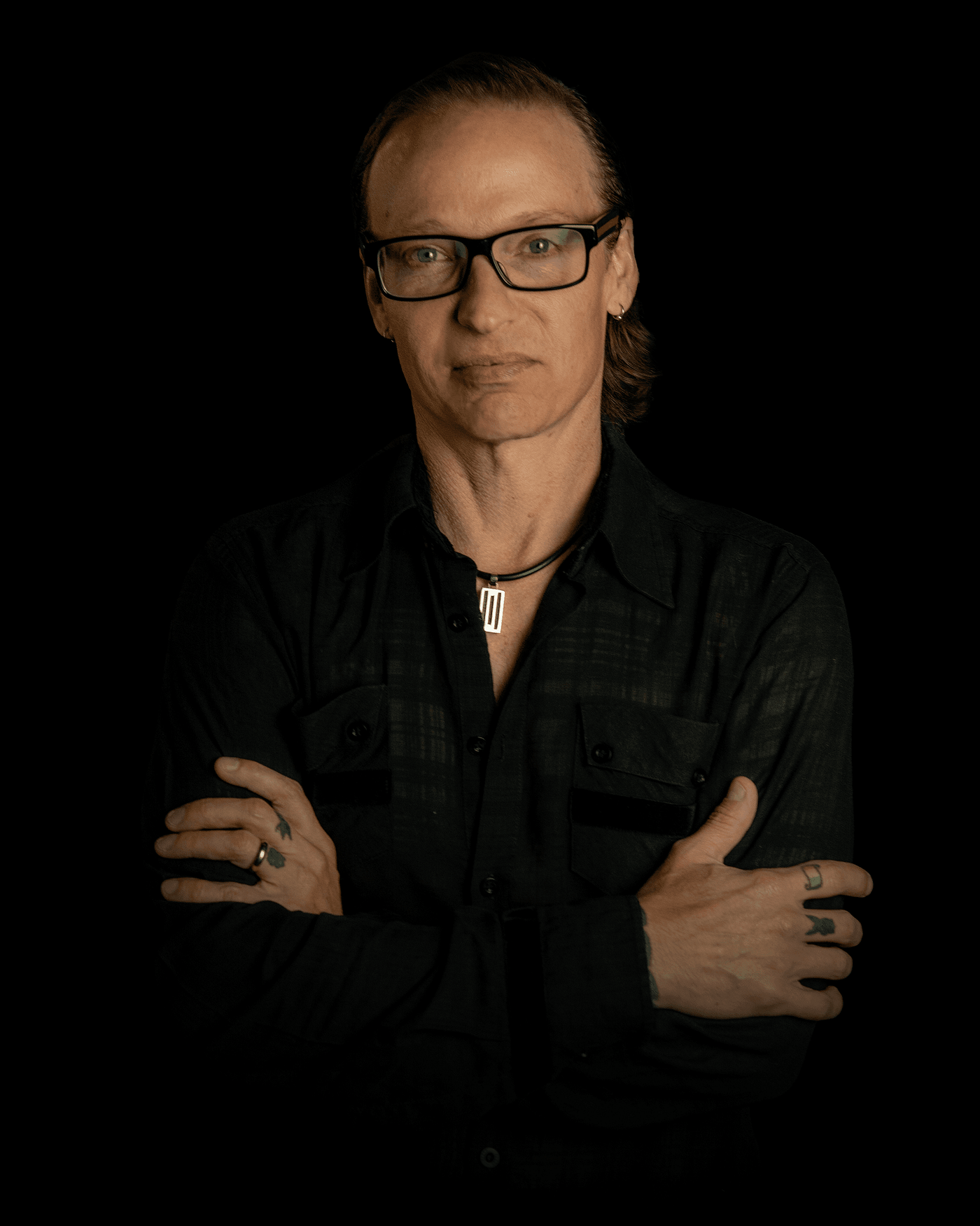
With the shortage of labor, companies are now looking at how robots can replace some of the lost labor force. See here for example. The truth is that this is not really a novel idea, as companies like Amazon have been using robots for a while now. What can we expect to see in the robotics industry over the next few years? How will robots be used? What kinds of robots are being produced? To what extent can robots help address the shortage of labor? Which jobs can robots replace, and which jobs need humans? In our series called “The Future Of Robotics Over The Next Few Years” we are talking to leaders of Robotics companies, AI companies, and Hi-Tech Manufacturing companies who can address these questions and share insights from their experience. As a part of this series, I had the pleasure of interviewing Matt McMullen.
Matt McMullen is the CEO of Simulacra Corporation, which owns and operates the leading brands for lifelike mannequins and robots: Abyss Creations, Realbotix, and Anthropomorphic Figure Dynamics (AFD). Matt has been in the business of creating hyperrealistic mannequins and robots for the past two decades, with 6 patents on developing lifelike parts and figures. Following the success of Simulacra’s mannequin and robot subsidiary, Abyss Creations, Matt is expanding the technology with Realbotix to develop AI-powered humanoids for a variety of purposes such as education, marketing, government, and healthcare.
Thank you so much for joining us in this interview series! Before we dive in, our readers would love to “get to know you” a bit better. Can you tell us a bit about your ‘backstory’ and how you got started in robotics?
My path to robotics was not a conventional one. I’ve always been drawn to creating beings from my imagination and finding ways to give a seemingly unalive thing character and personality. There has always been a dream of mine to make them come to life. In the past decade, I’ve made this into a reality.
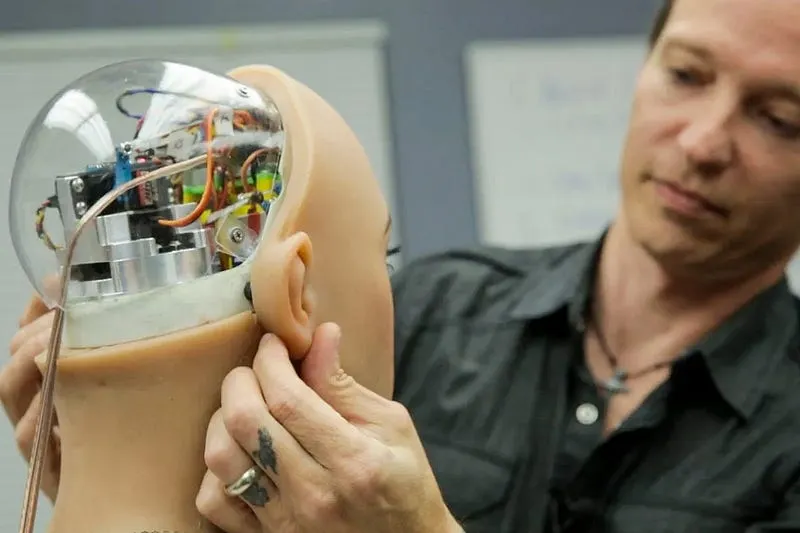
My background has largely been focused on special effects. When I created Abyss Creations in 1996, our mission was to develop the most realistic, poseable mannequin that has ever been created. The advancement of machine learning (ML) and artificial intelligence (AI) technology, coupled with miniaturization, allowed me and my team to explore new possibilities with our pioneering work in hyperrealistic humanoid figures. We saw the potential to bring our figures to life with the ability to listen and respond to users. Realbotix was created to expand on Abyss Creations by developing AI-powered lifelike robots with programmable software and detachable faces, allowing any individual or company to create their own custom humanoid.
Can you share the most interesting story that happened to you since you began your career?
- It’s been really exciting to see how people engage with and use robots. For example, we worked with comedian Whitey Cummings to create a robot clone of herself that she ended up bringing with her everywhere including her appearances at Jimmy Kimmel Live and The Rich Eisen Show.
- We also worked with the directors for Lars and The Real Girl (2007), which starred Ryan Gosling. Our mannequins were cast in the movie as the “internet girlfriend” for Ryan’s character.
Can you please give us your favorite “Life Lesson Quote”? Can you share how that was relevant to you in your life?
I would have to break this into two mindsets that have always been important in my life:
- Never give up. Even when things seem impossibly stacked against you, keep going. Even if you fall down multiple times, get up.
- Always take inspiration and feedback from those around you. For example, my wife pushed me and inspired me to move into the realm of robotics. Even though it looked like a massive pivot at the time, she helped me feel confident enough to take those first steps.
Ok wonderful. Let’s now shift to the main focus of our interview. Can you tell our readers about the most interesting projects you are working on now?
While Abyss Creations will continue to offer its products, Simulacra is expanding its companion-based AI robot technology with Realbotix. Both brands and individuals can build their own custom robots for a wide range of abilities and personalities. Think robots for your brand activations, a robot receptionist, a robo-teacher, or healthcare aid tools–the possibilities are endless!
Currently, we’re working on our newest robot, which will be introduced shortly. The technology involved with them is the culmination of all the advancements and experience our team has been pioneering. I can’t wait to introduce the robot to the world.
How do you think this might change the world?
With Realbotix, we aim to change the way people think about robots. When it comes to the idea of robot companions, people tend to jump to the worst possible outcomes and associate them with two polarizing ideas: people enslaving the robots or robots enslaving us. Remember, behind the intelligence of those robots are humans developing the systems to make it possible and implementing robust procedures to protect other people. I don’t believe anyone is deliberately building robots for the disadvantage of humanity. I stand firm that having human and robotic interactions is going to enhance the lives of people.
Keeping “Black Mirror” in mind, can you see any potential drawbacks about this technology that people should think more deeply about?
I’ve noticed it’s common for people to think about the worst-case scenarios or drawbacks when it comes to anything they’re not familiar with, including new technologies. As for robots, we’re now living in a world where people are starting to build genuine connections with them. This will have a profound impact on socio-cultural norms as we continue to see an increase in human-robot interactions and observe shifting trends within that dynamic.
I can also recognize some concerns that people have raised when it comes to the deployment of robots, such as job displacement. While automation has the potential to enhance productivity and efficiency, it can also render certain job roles redundant. However, this also presents an opportunity for new jobs to emerge, focused on the development, management, and maintenance of these new technologies.
What are the three things that most excite you about the robotics industry? Why?
- Human-Robot Interaction Advancements: We’re witnessing a transformation in how humans and robots interact. This will have profound implications for companionship and care, especially as we are living through a loneliness epidemic. This brings us closer to creating robots that can genuinely understand and respond to human emotions. With our aging population for example, having robotic healthcare aids that are able to make genuine connections with people can offer some relief to both the patient and the staff looking after them.
- Customization and Personalization: The ability to create highly personalized and customizable robots is a game-changer for the industry. Every individual is unique, and the robotics industry is moving toward producing robots that can adapt to users’ preferences and needs. This level of customization opens up new possibilities for enriching the lives of users and forming deep emotional connections.
- Cross-industry Collaboration: The robotics industry is increasingly collaborating with other sectors, such as artificial intelligence, healthcare, and entertainment. This synergy is fostering innovation that extends beyond the boundaries of robotics, and it’s exciting to see how robots are being integrated into various aspects of our lives, from healthcare assistance to education and beyond.
What are the three things that concern you about the robotics industry? Why?
- Ethical and Privacy Challenges: Robots are here and becoming more integrated into our daily lives. Inherently, ethical and privacy concerns arise when examining the human-robot interaction. Ensuring that robots respect personal boundaries, data security, and privacy is a top priority.
- Accessibility and Inclusivity: As with the broader tech industry, there is a continued need to promote accessibility and inclusivity when it comes to advancements in robotics. It’s important that people from all backgrounds benefit from these innovations.
- Security and Vulnerabilities: Robots are increasingly connected to networks and the internet, which exposes them to potential security vulnerabilities. Protecting robots from cyberattacks is a significant concern, especially in contexts where robots collect and store sensitive data.
As you know, there is an ongoing debate between prominent scientists, (personified as a debate between Elon Musk and Mark Zuckerberg,) about whether advanced AI has the potential to pose a danger to humanity in the future. What is your position about this?
I think there’s been too many movies like Terminator that give people this fear that AI is going to become so smart that it will take over our lives. At least with what we’re doing, that’s just not the case. It’s not possible.
Though robots are becoming more intelligent, it’s important to remember the humanity behind that technological progress, made possible by several teams of people developing the technology as well as the numerous risk assessments and guardrails that they have put in place to protect other humans.
There are also regulations in the works with the goal of keeping any ‘bad apples’ in line, as there’s certainly people out there abusing the technology. President Joe Biden’s executive order on AI is a nice first step as it enforces more accountability. One of the key components of this executive order is requiring some AI companies to share safety test results with the federal government. This is a great example of encouraging innovation, while ensuring its development and deployment pose no harm for humans.
While we recognize the legitimate concerns surrounding the potential dangers of AI, we’re also committed to addressing these issues head-on and ensuring that our AI systems are developed and deployed with safety and ethical considerations at the forefront.
My expertise is in product security, so I’m particularly interested in this question. In today’s environment, hackers break into the software running the robotics, for ransomware, to damage brands or for other malicious purposes. Based on your experience, what should manufacturing companies do to uncover vulnerabilities in the development process to safeguard their robotics?
Security needs to remain a top priority when developing this type of technology. At Realbotix, we use a military-grade cybersecurity infrastructure so any interaction with the robot remains private and secure. With companionship AI systems and robots, we need to remember that this isn’t about data from an e-commerce transaction; there is nuance and context with any relationship that can’t be put to a data point.
Here’s what manufacturers can do to safeguard their robotics:
- Comprehensive Risk Assessment: The first step is to conduct a comprehensive risk assessment of your robotics systems during the development process. This includes identifying potential attack vectors, understanding the data and functionality exposed, and considering both internal and external threats.
- Regular Security Audits: Implement a regular security audit process that assesses the entire software and hardware stack of your robotics. This should be conducted by experts in the field and should include penetration testing, code reviews, and vulnerability assessments.
- Secure Development Lifecycle: Integrate security into your development lifecycle from the outset. This means ensuring that security is a fundamental consideration at every stage of the product’s development, from design to deployment.
- Threat Modeling: Develop threat models that outline potential threats and their impacts. This allows your team to prioritize vulnerabilities and allocate resources more effectively.
- User Education: Educate end-users about best practices for using the robotics system securely. Make sure they understand the importance of keeping software and firmware up to date and how to configure the system securely.
Given the cost and resources that it takes to develop robotics, how do you safeguard your intellectual property during development and also once the robot is deployed in industry?
In over 20 years of craft and manufacturing, we’ve made several advancements in the robotics space such as developing hyperrealistic humanoid silicon skin and detachable magnetic faces. All of our innovations were incubated and developed in the United States to protect trade secrets. We’ve also filed 6 patents for different components in our robots, including a moveable eyeball and adjustable face contours.
Fantastic. Here is the main question of our interview. What are your “5 Things You Need To Create A Highly Successful Career In The Robotics Industry? (Please share a story or example for each.)
- Creativity: Behind any innovation is creativity, pushing the limits of what can be achieved and doing something that has never been done before. When I started Abyss Creations, I wanted to create the most lifelike mannequins to exist, encouraging me to explore uncharted territories like new technologies and artistic techniques to make it happen. With Realbotix, this creative spirit is now channeled into the development of companion-based AI that can be programmed to have different personalities and talents to engage with people from all walks of life.
- Technical Expertise: Whether it’s understanding programming languages, mechanical engineering, or artificial intelligence, having the necessary technical skills is essential. In my case, a background in art and animatronics allowed me to bring a unique perspective to my craft, focused on the finer details of how to make mannequins and robots look human. The technical expertise came after, following years of R&D and 6 patents on how we can make our robots more lifelike, leveraging AI to make them behave like humans.
- Interdisciplinary Thinking: The robotics industry often involves working at the intersection of various fields. It’s essential to have the ability to think across disciplines and collaborate effectively. For instance, our success at Realbotix has come from blending art, engineering, and psychology to create robots that understand and respond to human emotions.
- Persistence and Resilience: Building a career or business in any industry can be challenging and full of setbacks. We’ve faced numerous obstacles and doubters along the way, such as those who questioned the ethics of having a robot or mannequin as a companion. However, we persevered and listened to their feedback, actively working with users to continue to refine our products and ideas.
- Ethical and Human-Centric Values: For technologists, the focus should be on enhancing people’s lives, not just on technical achievements. At Realbotix, our guiding principle has always been to create robots that improve companionship and emotional connection, staying true to a human-centric approach.
As you know, there are not that many women in this industry. Can you advise what is needed to engage more women in the robotics industry?
Although I can’t discuss what it’s like to be a woman in the robotics industry, I can agree that more female representation is a continued need. Simulacra’s engineering strategy is led by Susan Pirzchalski, our CTO. She’s one example of the many brilliant women in the robotics industry who continue to drive it forward.
Here’s several ways where robotics businesses can become part of the solution:
- Equal Opportunities: Ensure equal opportunities for women in all aspects of the industry, including hiring, promotions, and leadership roles.
- Support Networks: Establish women-focused networking and support groups within the industry.
- Bias Awareness: Actively address and eliminate gender biases and stereotypes in the workplace.
You are a person of great influence. If you could inspire a movement that would bring the most amount of good to the most amount of people, what would that be? You never know what your idea can trigger. :-)
I would love to see more genuine kindness in the world. I would love to see human beings truly treat each other the way they wished to be treated.
How can our readers further follow your work online?
Stay tuned for more exciting developments about AI-driven humanoids at Realbotix’s website here and Simulacra’s website here.
Thank you so much for the time you spent doing this interview. This was very inspirational, and we wish you continued success.
About The Interviewer: David Leichner is a veteran of the Israeli high-tech industry with significant experience in the areas of cyber and security, enterprise software and communications. At Cybellum, a leading provider of Product Security Lifecycle Management, David is responsible for creating and executing the marketing strategy and managing the global marketing team that forms the foundation for Cybellum’s product and market penetration. Prior to Cybellum, David was CMO at SQream and VP Sales and Marketing at endpoint protection vendor, Cynet. David is the Chairman of the Friends of Israel and Member of the Board of Trustees of the Jerusalem Technology College. He holds a BA in Information Systems Management and an MBA in International Business from the City University of New York.
DL
Written by
David Leichner
Editor & Journalist · Authority MagazineDavid Leichner is a senior columnist at Authority Magazine covering Tech and Business, conducting primary-source Q&A interviews with founders, executives, and industry leaders.

Published inAuthority MagazineTop Lessons, Top Authorities · 42K Followers
Exclusive, curated interviews with the leaders and changemakers shaping tomorrow. Leadership lessons, industry deep dives, and executive profiles.