I knew my ultimate goal was to run my own company, but I realised the best approach was to get triple-A work experience first. I wanted to learn from the best-in-class individuals and companies about how the economy works, how industries function, how businesses operate, and how this entire ecosystem is tied together.
Tech
Daniel Bulkin of Healistic: How Shifting from Private Equity to Early-Stage Tech Built a Fast-Delivery Healthcare Disruptor
The CEO and founder of Healistic shares how his private equity background shaped his entrepreneurial journey and why long-term vision is the foundation of successful scaling.
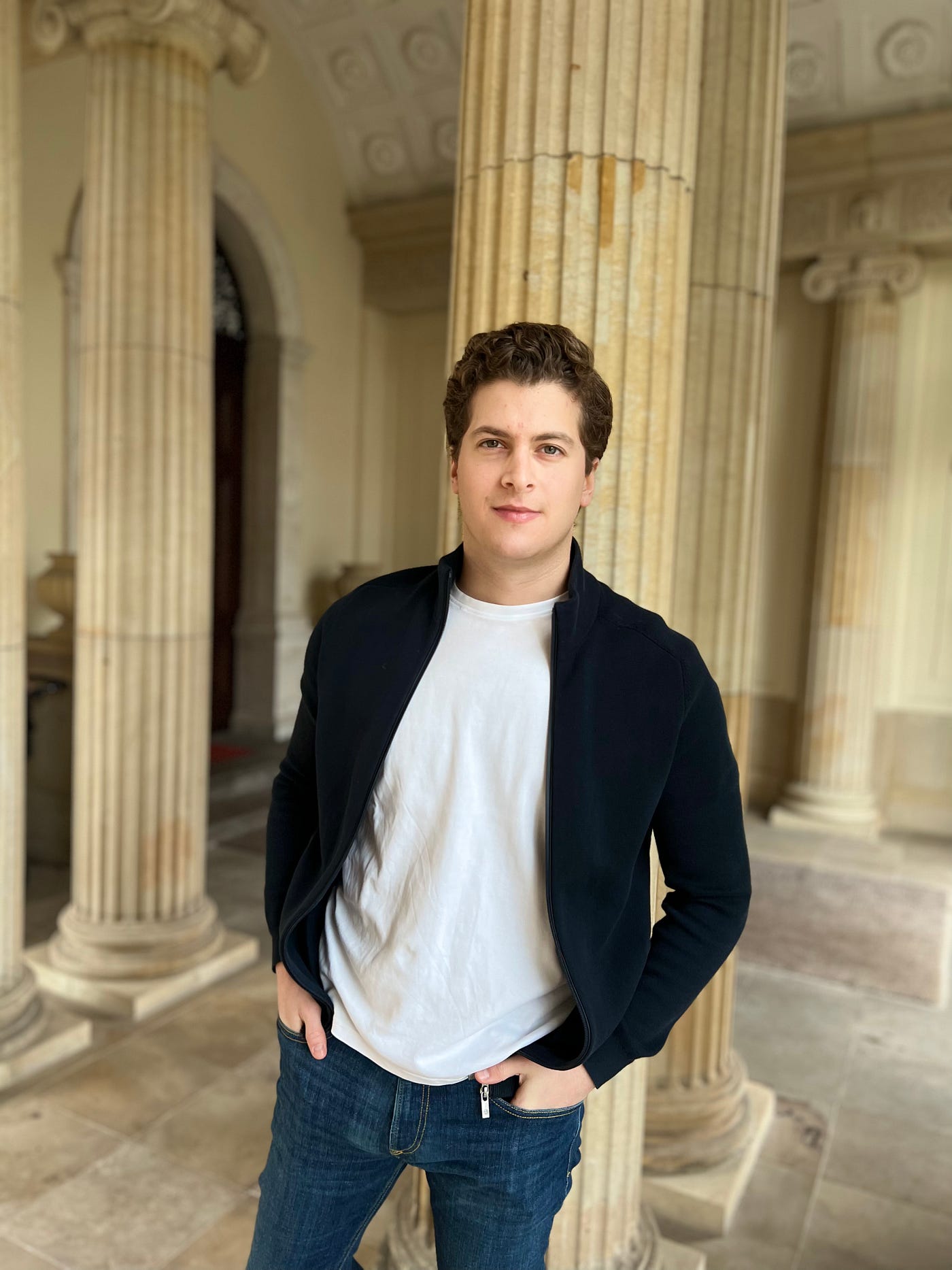
In recent years, Big Tech has gotten a bad rep. But of course many tech companies are doing important work making monumental positive changes to society, health, and the environment. To highlight these, we started a new interview series about “Technology Making An Important Positive Social Impact”. We are interviewing leaders of tech companies who are creating or have created a tech product that is helping to make a positive change in people’s lives or the environment. As a part of this series, I had the pleasure of interviewing Daniel Bulkin.
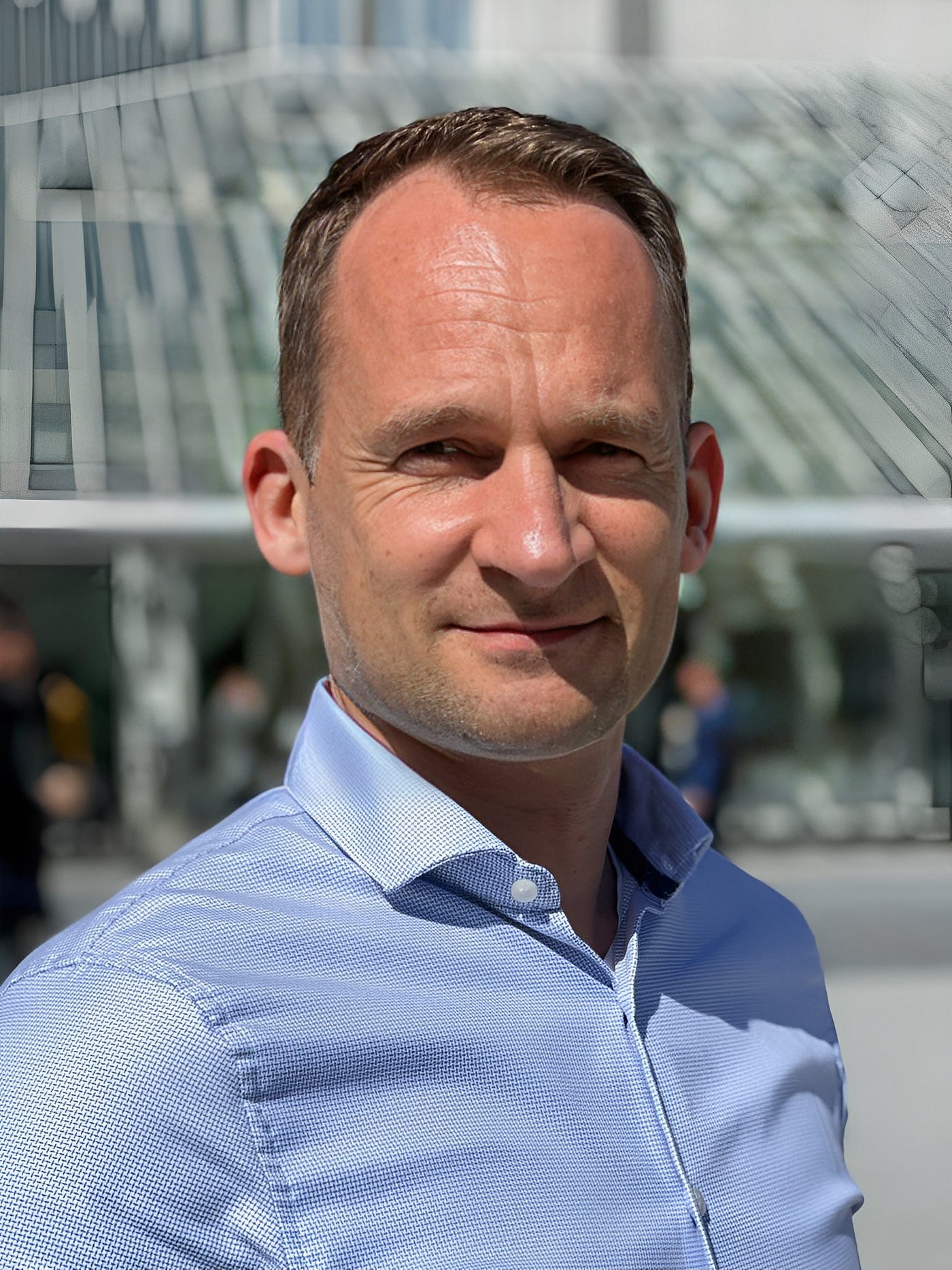
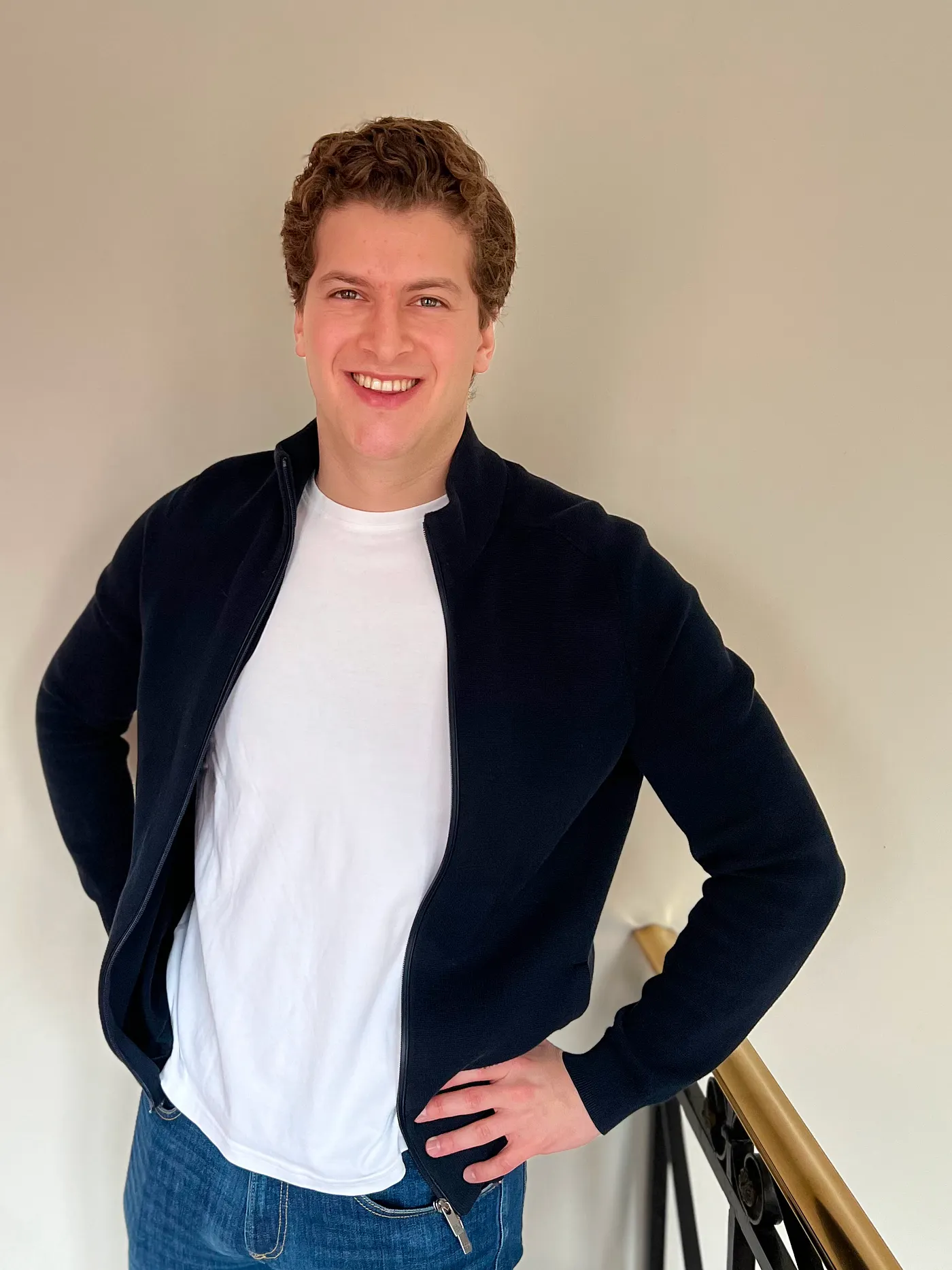
Healistic is an all-in-one universal healthcare platform providing a seamless user experience. CEO Daniel Bulkin is building the healthcare revolution, a direct-to-consumer service connecting healthcare providers and insurances to end users via dynamic digital solutions. Healistic is a category leader, the first pharma-based fast delivery service in the UK. Healistic has partnered with independent pharmacies across London to offer medication, first aid and skincare solutions using eco-friendly bikes and e-mopeds to deliver orders in 45 minutes to the user’s doorstep. With the NHS in crisis, Healistic aims to support health providers and democratise access to health services and products with plans to expand across the UK and into Europe.
Before launching Healistic, Daniel founded multiple successful businesses, including a Covid diagnostics centre chain and an angel investment syndicate investing in European early-stage companies. Before that, he had an impressive rise in Private Equity investment. Starting in the highly competitive graduate program at Terra Firma, he then moved on to join H.I.G Capital Europe as the team’s youngest investment associate. At age 27, he was promoted to Investment Manager and a few months later quit his job to build his own businesses.
Thank you so much for joining us in this interview series. Before we dive in, our readers would love to learn a bit more about you. Can you tell us a bit about your childhood backstory and how you grew up?
I was born and raised in Berlin. I’ve always been into numbers and maths, but I actually wasn’t very good in school until I reached the ninth grade. I’ve always been ambitious and wanted to achieve a lot in life, so I turned my studies around by the tenth grade when I started working non-stop until I graduated at the top of my class in high school. Since then, I have developed a love for entrepreneurship and building things — while still in school, I was always working on side hustles to make extra money! I moved to London eight years ago to study at the London School Of Economics — that’s how it all started.
I knew my ultimate goal was to run my own company, but I realised the best approach was to get triple-A work experience first. I wanted to learn from the best-in-class individuals and companies about how the economy works, how industries function, how businesses operate, and how this entire ecosystem is tied together. Private Equity shows you very well how the top players on the planet do it, and I’m therefore incredibly grateful for my five years in private equity. I feel very privileged to have had this experience at such a young age, overseeing billion-pound businesses, managing teams, and working alongside incredibly smart people day-to-day.
Working with the C-suite of successful large-scale businesses and sitting in board meetings of international corporations gave me a very strong foundation to enter the world of entrepreneurship myself and build companies I hope to scale to those same levels and beyond. Many entrepreneurs are ready to take a business from zero to ten. Still, when it comes to taking it from ten to one hundred, some are missing that large-scale experience necessary to grow further, which is where a more corporate background can come in handy. I think for me, it was almost the opposite challenge — I had to teach myself how to go from zero to ten, but I feel ten to one hundred may come more naturally due to the world I was schooled in.
Can you share the most interesting story that happened to you since you began your career?
In my time at TerraFirma, I worked directly with the company’s fund manager for three months. Travelling almost every day to spend time with all our portfolio companies at the time, and being involved in-depth on this strategic decision-making level, has taught me an incredible amount. It’s magical to see first-hand how the ideas of one person can change the trajectory of billion-dollar companies and thus shape entire industries. It was one of the most intense but also most rewarding times in my time in Private Equity.
None of us are able to achieve success without some help along the way. Is there a particular person who you are grateful towards who helped get you to where you are? Can you share a story about that?
I am most grateful to my parents. They’ve done their best and have always been there for me along the way. They’ve always taught me to dream very big and go for the visions I had — it’s the shoot-for-the-moon attitude that I try to live by and base all my decisions on. They’ve always believed that everything’s possible and taught me to believe that too, never to be afraid, never to give up and continue powering on until I achieve my dreams. So, I’m very grateful to them for instilling that into me early on and giving me that confidence and trust in myself to develop and strive.
Can you please give us your favorite “Life Lesson Quote”? Can you share how that was relevant to you in your life?
One of my favourite quotes is, “Always remember the days you prayed for the things you have today”. I think it’s humbling, especially in the corporate and entrepreneurial world, which is full of people like me, constantly striving, constantly working and aiming for the next bigger thing. Very often, you can get lost on the way and as successful as some people become, they can forget to take a step back and enjoy just living in the moment and being grateful. So, I always try to remember that quote on a weekly basis to pick myself out from the race and be grateful for even being allowed to be on the way to achieving my dreams and to have the opportunities that I already have. It’s very important to pause and appreciate the journey, the experiences, and the wins as they happen.
You are a successful business leader. Which three character traits do you think were most instrumental to your success? Can you please share a story or example for each?
- Vision: vision is the most important because you need to know where you’re going to take the right steps in that direction. Many people see just a few miles ahead of where they are today. And very often in life, you need to see 1,000 miles ahead and consider, ultimately, how will what you’re doing today bring you to where you want to be in ten to twenty years. Having that vision of where you want to be and understanding how to get there is instrumental to success because otherwise, you might progress too slowly or move in the wrong direction. If you haven’t thought about your ideal future scenario or are too afraid to envision yourself getting there, you’ve already given up because ambition needs vision. This vision can come from within or be inspired by others, like mentorship and advice from people who have achieved what you want to achieve. Finding out how they got to where they are and breaking it down into steps can be extremely helpful. You then need to make an honest assessment of where you are today, and if changes need to be made to your life as it stands today, you need to be brave enough to make them. As we all know, no magic happens in the comfort zone.
- Consistency: Showing up every day and making progress is what makes you successful in the end. Of course, you can’t work exactly as hard every day because each day is different, and you may have different energy levels. Still, it’s the consistency of not stopping the work towards your goal over months, years, and decades, and maintaining focus and building one step at a time, ultimately differentiates the people who achieve big things. Many people give up at some point on the way there, just because it’s too annoying or difficult or they don’t want to work through the hard times. But just showing up and moving in the right direction every day (even a little bit) compounds over years and decades and makes a big difference to the end result.
- Empathy: At the end of the day, the world is made up of people, right? Economy, politics, businesses, industries can only work when people work together. The skill of listening to what people tell you, feeling their energy, connecting positively, and consistently helping others ultimately is what comes back to you. If you radiate positive energy and understanding, then other people will too. I don’t want to sound overly philosophical, but the universe will align around you if you constantly try to do good, you’re empathetic, and you live your life on a positive note, both professionally and personally.
Ok super. Let’s now shift to the main part of our discussion about the technology or medical devices that you are helping to create that can make a positive impact on our wellness. To begin, which particular problems are you aiming to solve?
We are closing a big gap in the market. Arguably, nothing on this planet is more urgent or more important than healthcare. Essentially, we’re leading the open healthcare revolution.
In finance, before the open banking revolution over the last decade, consumers were in a weak position, and the banks were in a strong position. People were chasing banks for loans and hoping the big bank would be kind enough to help them. That was the system we were subject to. Then the revolution happened in finance, democratising the system more. An industry like healthcare, which is arguably way more essential for life and happiness, is lagging behind. People are still not fully able to actively manage their own healthcare and own all of their data that comes with it. They’re chasing GPs and waiting weeks to get appointments. They must physically run to pharmacies when they’re sick to access their meds. They have to call their insurance non-stop for pre-approvals, etc. So, it’s similar to the old finance model of people being in an inferior position, having to constantly chase after the institutions. We’re helping both sides to connect seamlessly in a centralised, digital format.
We want to enable people to actively manage their healthcare and to have better access to services, meds, and products, with a high level of speed and convenience. Using the mobile app model (that consumers are already used to), they can start taking full control of their healthcare at their fingertips. We’re starting with pharma delivery because, arguably, if you have a 39ºc fever and are ill in bed needing meds, and no one happens to be near you, getting your meds delivered in 45 minutes to your house is an urgent need. We learned from the pandemic that self-isolation is imperative to stop the spread of contagious illnesses, and this is another reason why we have begun with fast meds delivery. For the consumer, this has the benefits of not having to commute to the pharmacy, no long queues, no risk of transmission, and no overheard intimate conversations at the pharmacy counter.
How do you think your technology can address this?
We live in a world where it’s mobile-first for everything. People run their lives on mobile apps, and we are connecting that existing technology to a vital industry that has historically been slow to embrace digital transformation. We are allowing people to have pharmacy services in a few clicks by bridging the gap between the healthcare providers and the end users. We have built pharmacy partnerships and customer relationships through fantastic customer service and efficient, eco-friendly delivery riders. This system we’ve built and are continuing to grow is already solving a crucial problem.
Can you tell us the backstory about what inspired you to originally feel passionate about this cause?
I had a pretty bad cold twice in the winter of 2021–22 and was in bed with a high fever. That made me realise that it’s literally impossible in the UK to get the medicine immediately to your house. The best options were to either physically go out to the pharmacy with a fever, feeling horrible and suffering on the way and then potentially transmitting it to other people, or order it from a classic online pharmacy and receive it in a couple of days.
While I was sick, I wished for nothing more than this service to help speed up my recovery, and I was shocked that it just didn’t exist. If I had wanted to order a pizza, I could have done this immediately from an app but not ordered the meds to bring my temperature down!
How do you think this might change the world?
For us, enabling pharma delivery and bringing it to the people is the first step in the open healthcare revolution and the democratisation of healthcare by giving people control over their healthcare management. What we intend to build in the long term is what we call ‘the home of health’ — a healthcare super-app where people can not just have pharmaceuticals delivered but access an end-to-end ecosystem where that allows them to run their entire healthcare system. We want to partner with all the big healthcare providers, from insurers, to GPs, to nutritionists, to labs, to hospitals, and at some point, have everyone integrated into one system — one point of truth where all data is stored and can be universally accessed.
I see this as a step towards the global healthcare future I envision. Hopefully at some point, from anywhere on the planet, a healthcare provider could scan a QR code on your app and access all your medical data (if you choose to share it) within one closed system you control.
Keeping “Black Mirror” and the “Law of Unintended Consequences” in mind, can you see any potential drawbacks about this technology that people should think more deeply about?
It was essential to me personally to embark on a positive mission with this business. While we are a for-profit company, I wanted to do something in the health-tech space and create a massive, positive and social impact on a global scale. Therefore, I don’t believe that there are any significant negative consequences.
Here is the main question for our discussion. Based on your experience and success, can you please share “Five things you need to know to successfully create technology that can make a positive social impact”?
- Align your vision for positive social impact; put your customers and their needs first: if you genuinely want to build a company that does good for the planet, you need to understand what the bigger picture and bigger good looks like. So that every step you take to create the product has that core focus in sight.
- Product iterations to develop something people love: start simple and build a base MVP that is good enough for people to feel the value and the benefit as they test it. And then really listen to what people tell you, and keep reiterating to make your customers love it at least as much as you love it.
- Customer feedback: To benefit the most from customer feedback, you need to understand who you’re building your product for and what these people are like. Build detailed profiles, and try to truly understand their pain points, what about the current solutions they’re using are not satisfying them and where the gap is. And then build something that exactly fills that gap so that you can find your product market fit.
- Think simple, not complicated: clear and straightforward messaging works, so don’t overcomplicate. If it’s a genuine problem you’re solving, it’s going to be easy to articulate it. It’s going to be a clear and simple message that you can put into a few words. Then make sure that your whole company runs on that vision and that you’re all speaking that same language. That’s what you communicate to your customers too. Continue refining this language as you learn more, but already on day one, you should be able to articulate simply what you’re building and why.
- Benchmarking with existing products: see what else is out there. Don’t be blind to existing solutions, competitors, etc. To understand what is not working well for customers, review what is already out there and what isn’t and how you can best create a solution that ticks all the target market’s boxes. Very often, it’s not the competition that’s the problem. The market is large enough for multiple solutions to coexist. Your key challenge more often is getting the customers to use your solution in the first place and educating the market rather than competing within the market. Especially in the healthcare space, which is very large in size and not very digitally mature yet, it’s crucial to speak to customers and get them to try out and adopt innovative solutions.
If you could tell other young people one thing about why they should consider making a positive impact on our environment or society, like you, what would you tell them?
In the last 2,000 years, most entrepreneurs have built companies for profit. That has, in many cases, not been aligned with positively impacting the environment and society. We’re lucky to live in a world where both goals can and should increasingly overlap. We have only one planet, and it would be great for all of us to continue sharing it for thousands of years to come. So make an effort to build for the good of everyone, the environment, and society, while being commercially viable. Creating something beneficial for everyone also gives you a lot of personal benefits. Waking up in the morning, looking in the mirror, and knowing that all the energy you put into your work will ultimately be good for the world and the people around you is a very empowering and enlightening way to start every day.
Is there a person in the world, or in the US with whom you would like to have a private breakfast or lunch, and why? He or she might just see this, especially if we tag them. :-)
I would choose Ben Horowitz, as I find him truly inspirational as an operator, investor and human being. Ben Horowitz has founded and scaled some incredible companies, leading teams through many peaks and troughs and succeeding in the end. In addition to his impressive journey as an operator, he has also become one of the most impressive personas and opinion-makers in the VC space. Lastly, I feel very aligned with the values and principles that he stands for -honesty, modesty, ambition, perseverance, and equality.
How can our readers further follow your work online?
You can follow me on Linkedin to stay updated on our journey as we scale Healistic.
Thank you so much for joining us. This was very inspirational, and we wish you continued success in your important work.
About The Interviewer: David Leichner is a veteran of the Israeli high-tech industry with significant experience in the areas of cyber and security, enterprise software and communications. At Cybellum, a leading provider of Product Security Lifecycle Management, David is responsible for creating and executing the marketing strategy and managing the global marketing team that forms the foundation for Cybellum’s product and market penetration. Prior to Cybellum, David was CMO at SQream and VP Sales and Marketing at endpoint protection vendor, Cynet. David is a member of the Board of Trustees of the Jerusalem Technology College. He holds a BA in Information Systems Management and an MBA in International Business from the City University of New York.
DL
Written by
David Leichner
Editor & Journalist · Authority MagazineDavid Leichner is a senior columnist at Authority Magazine covering Tech and Business, conducting primary-source Q&A interviews with founders, executives, and industry leaders.

Published inAuthority MagazineTop Lessons, Top Authorities · 42K Followers
Exclusive, curated interviews with the leaders and changemakers shaping tomorrow. Leadership lessons, industry deep dives, and executive profiles.