When I first joined the 1E, I had one goal: conceptualizing a “North Star” for people to rally around. The company had a vast technical knowledge and product suite, but it needed a focus within the market.
Tech
Mark Banfield: How Focusing on a Single North Star and Prioritizing Digital Employee Experience Transformed 1E
The CEO of 1E shares how his sales background shaped his leadership style, why authenticity and empathy matter, and how aligning teams around a clear vision drives enterprise software success.
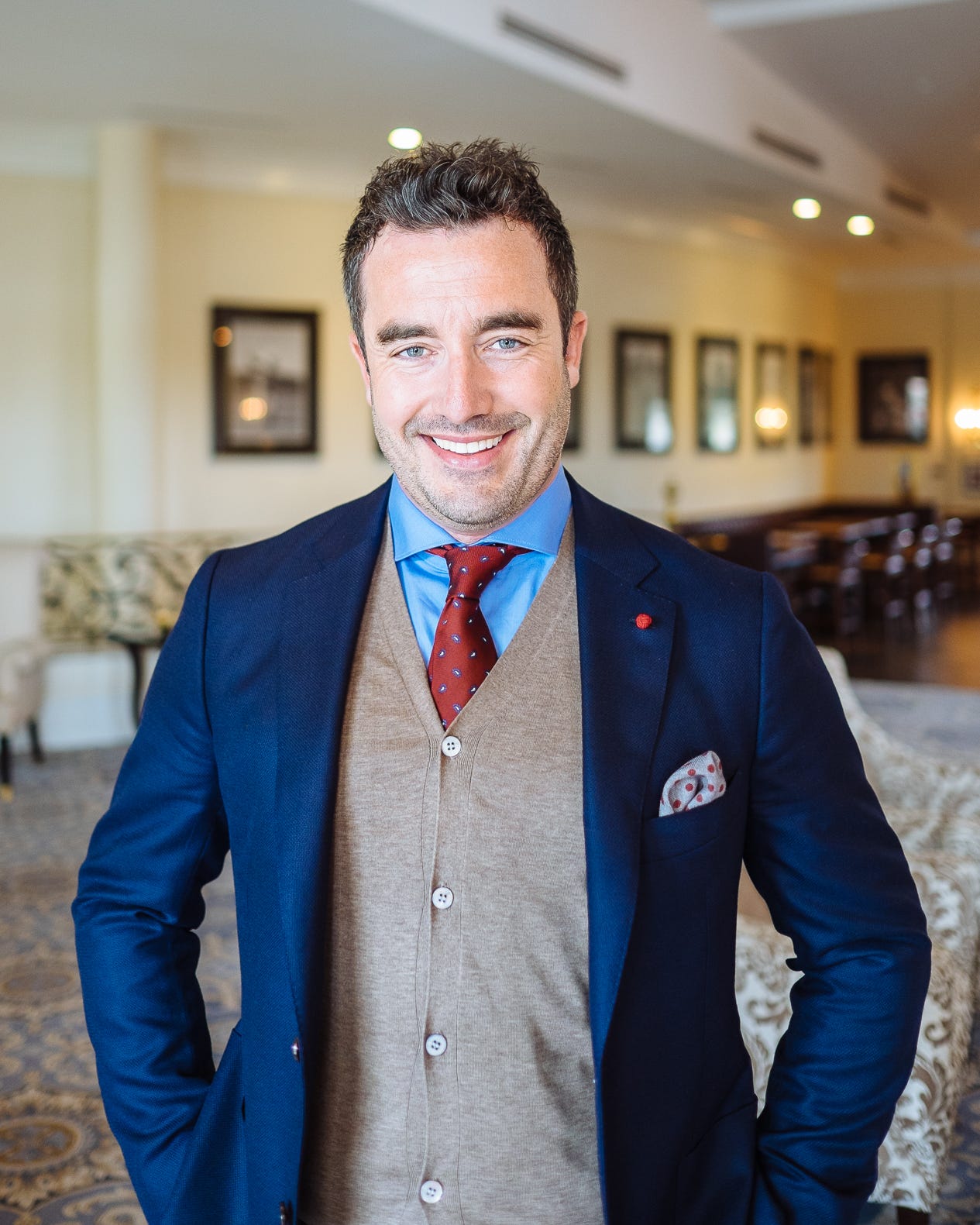
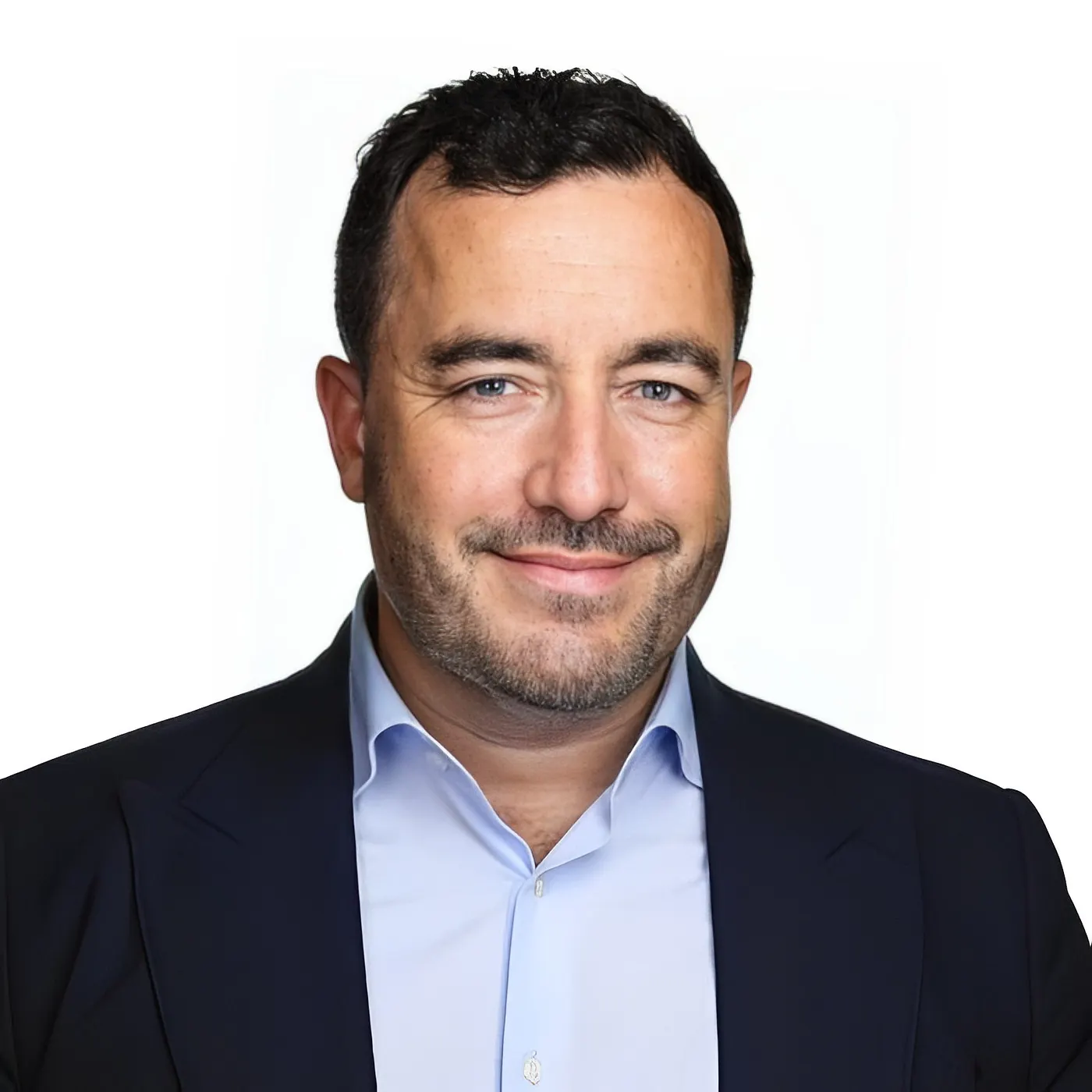
As a part of our series called ‘Five Things I Wish Someone Told Me Before I Became A CEO’ we had the pleasure of interviewing Mark Banfield of 1E.
Mark Banfield is Chief Executive Officer of digital experience management platform, 1E. He is a seasoned software industry executive with 20 years experience building and running high performance global teams. Mark’s foundation is being relentlessly focused on world class customer experience and building collaborative high energy teams.
Thank you so much for joining us in this interview series! Before we dig in, our readers would like to get to know you a bit more. Can you tell us a bit about your “backstory”? What led you to this particular career path?
When I started my sales career more than 20 years ago, I realized I had a particular affinity for the enterprise software space. Prior to 1E, I most recently held positions as Chief Revenue Officer at LogicMonitor, leading go-to-market strategy and operations globally, and as SVP and General Manager for International at Autotask (acquired by Datto), overseeing all aspects of the business.
My background in sales led me to my current role as CEO at 1E. I recognized that the skills I learned that shaped me into a successful leader in sales also applied directly to leading an organization, which gave me the confidence to believe I could make an effective CEO.
Can you share the most interesting story that happened to you since you began leading your company?
When I first joined the 1E, I had one goal: conceptualizing a “North Star” for people to rally around. The company had a vast technical knowledge and product suite, but it needed a focus within the market. Honing in on one solution led 1E to prioritize digital employee experience (DEX). From then on, the company’s goal became aligning the whole organization to achieve winning in the DEX market.
Can you share a story about the funniest mistake you made when you were first starting? Can you tell us what lesson you learned from that?
When I first joined the company, I attended an all-hands meeting and asked employees what they referred to themselves as (i.e., did they call themselves “1-Ers?”). When I was told there was no name, I ran a survey to determine one. One idea that circulated was to call 1E employees “Pi -1E- ers” (a play on “pioneers”), which stuck for a bit. I thought the explanation of the name was a bit unclear, but was quick to support the initiative. It soon became clear that the name wasn’t sticking. It made me realize that things like this need to take time to evolve and that moving quickly to establish naming conventions isn’t always a good thing.
None of us are able to achieve success without some help along the way. Is there a particular person who you are grateful towards who helped get you to where you are? Can you share a story about that?
I’m grateful for two particular people. The first is my father. He believed you get your work ethic from what you witnessed growing up. He was a hard worker and taught me that no one gives you anything in life; you have to go out and get it. He taught me that discipline, education, and genuine love for what you do would get you far.
The second person is former MapInfo CEO Mark Cattini. I worked with Mark at MapInfo. Years later, when he came to work at Autotask, where I was also working, he remembered me and gave me the opportunity to build the company’s international business from scratch. I learned so much from Mark, but the most important thing I learned is the value of authenticity in leadership — people don’t want to follow people that are inauthentic.
Leadership often entails making difficult decisions or hard choices between two apparently good paths. Can you share a story with us about a hard decision or choice you had to make as a leader?
As a leader, it’s hard to make choices you know will disappoint some people. When I decided to change the company’s direction and focus on a “North Star,” certain product lines had to be discontinued that people had already invested their time and energy in. While it made the most sense for the business, this did not make it an easy decision. There was also a challenge in striking a balance between not changing the company’s history and changing its direction.
Ok, thank you for that. Let’s now jump to the primary focus of our interview. Most of our readers — in fact, most people — think they have a pretty good idea of what a CEO or executive does. But in just a few words can you explain what an executive does that is different from the responsibilities of the other leaders?
A common misconception is that the CEO is responsible for running the entire company when their job is to ensure that all components that make up a company are working cohesively. A software company is typically built on three systems: go-to-market, product development, and a customer support system — each typically run by the executive team. A CEO’s key role is to develop the “playbook” for bringing everything together and making them work collectively
A CEO is also responsible for building a healthy company with low politics, low turnover, and a collaborative and open environment. Individuals don’t want to work for a company that doesn’t value their opinion or offers a sense of trust. This starts with the leader, who must utilize internal resources to align the organization.
What are the “myths” that you would like to dispel about being a CEO or executive? Can you explain what you mean?
The CEO role isn’t more important than any other within the company, and they don’t decide everything independently. Everyone plays a different position that contributes to a company’s success. It is the onus of the CEO to push delegation downwards and encourage people to come up with ideas and make a difference for the company.
What is the most striking difference between your actual job and how you thought the job would be?
The CEO role isn’t much different from what I thought it would be. I expected that the level of accountability and responsibility for the success of the company and the people in it would be higher, and it certainly is something top of mind for me every day.
Do you think everyone is cut out to be an executive? In your opinion, which specific traits increase the likelihood that a person will be a successful executive and what type of person should avoid aspiring to be an executive? Can you explain what you mean?
In order to be a successful executive, a person should have the following key traits:
- Authenticity: The best way to relate to people and establish strong connections is through authenticity. Leaders can’t gain the trust of their workforce if they appear to be putting on an act.
- Empathy: An effective leader must have a high degree of empathy and emotional intelligence to meet their workforce and customers where they are at and truly understand their barriers to success.
- Resilience: Not everything will go as planned so leaders must have a thick skin and be able to adapt swiftly to guide their teams accordingly.
- Boldness: Successful leaders must have a bit of an edge, enabling them to make tough decisions and have the hard conversations required to effectively lead people.
What advice would you give to other business leaders to help create a fantastic work culture? Can you share a story or an example?
To build a great work culture, business leaders must focus on building a people-first community. This includes ensuring teams work together in unison and that everyone feels significant to the organization regardless of their title or ranking in the company. At 1E, we build a community by relying on good operations, minimal politics, and ensuring everyone feels like they are a part of the decision-making process. This enables a community of trust within an organization and gets everyone motivated and focused on a shared outcome. The foundation of this is trust. By building an environment of trust, healthy debate can happen that leads to better cohesion and drives rapid innovation and success.
How have you used your success to make the world a better place?
I believe the biggest thing we can all do is practice gratitude.
Fantastic. Here is the primary question of our interview. What are your “5 Things I Wish Someone Told Me Before I Started” and why? (Please share a story or example for each.)
- Your job is not to have all the answers. The job of the CEO is not to have every answer. Instead, it’s about creating an environment where great ideas flourish and people feel compelled to do their best work. That means fostering a cohesive environment where people are aligned to the company’s purpose and mission. Ensuring people feel accountable and responsible for decisions is key to the CEO role.
- You can never over communicate enough. This may seem obvious but there is no such thing as enough communication. The job of the CEO is to constantly communicate and reinforce the purpose, mission, values, and strategic direction.
- Make the effort to be present. It’s very important to be present when meeting with people across the company. How you behave as CEO gets noticed. If you meet team members and make minimal effort it will be noticed. If you sit in meetings and don’t pay attention to what people say, they will notice. It’s essential to be present in the moment and pay real attention to everyone across the company.
- Investing in team health and cohesion has massive impact. It’s easy to focus on being a smart organization from strategy to finance, marketing, sales, engineering, systems, processes, etc. But the health of an organization is the thing that makes it fly. A healthy organization has low politics and turnover and great morale. Creating clarity and communicating it to the company is what drives your team’s health. Developing a level of trust and engaging in healthy debate drives better cohesion.
- Pushing the company hard pays off. Joining a new company, there is always a need to adjust to the organization and be sensitive to the culture and environment. But as CEO, your role is to push the company hard and level up the expectations. No successful CEO ever looks back and thinks they pushed too hard.
You are a person of great influence. If you could inspire a movement that would bring the most amount of good for the greatest number of people, what would that be? You never know what your idea can trigger.
I think spending time with young people teaching them the importance of emotional intelligence is critical. We invest heavily in learning and development through education, but mostly focus on IQ. But we don’t spend enough time on teaching EQ, such as active listening, self awareness, and empathy. These skills are just as important. Furthermore, a great focus on EQ can lead young people to build more confidence and self-belief. I wish I had been taught these things at school.
Can you please give us your favorite “Life Lesson Quote”? Can you share how that was relevant to you in your life?
Each week I write an email and talk about the week’s highlights, the challenges, what’s top of mind, what we are focused on, what’s the best customer story, and who is the employee of the week. I always end it with a quote for inspiration. A most recent one that resonates with me is, “Whether you think you can or can’t, you’re right.” And that’s true of almost anything in life and certainly in business. Many people don’t succeed because they simply give up or stop believing. You must always maintain strong conviction and belief and never give up.
We are very blessed that some very prominent names in Business, VC funding, Sports, and Entertainment read this column. Is there a person in the world, or in the US with whom you would love to have a private breakfast or lunch with, and why? He or she might just see this if we tag them
I would love to have breakfast or lunch with Bill McDermott from ServiceNow. First of all, I am a big fan of Bill and his leadership. Secondly, 1E is a partner of ServiceNow and I would like to discuss how we can help drive digital employee experience together.
Thank you for these fantastic insights. We greatly appreciate the time you spent on this.
AM
Written by
Authority Magazine Editorial Staff
Editorial Desk · Authority MagazineThe Authority Magazine Editorial Desk produces, verifies, and edits long-form primary-source interviews with executives, innovators, clinicians, creators, and social impact leaders across Business, Tech, Pop Culture, Wellness, and Social Impact.

Published inAuthority MagazineTop Lessons, Top Authorities · 42K Followers
Exclusive, curated interviews with the leaders and changemakers shaping tomorrow. Leadership lessons, industry deep dives, and executive profiles.