I think “aha moments” may come and go, but if you are lucky enough to be surrounded by incredible friends that inspire you, then anything is possible.
Social Impact
Lizzie Asher on Community Accountability, Pandemic Philanthropy, and Supporting Frontline Workers
The Harvard-trained attorney and co-founder of the Cura Collective shares how grassroots teamwork and adaptive strategies helped feed healthcare workers and families in need during the pandemic.
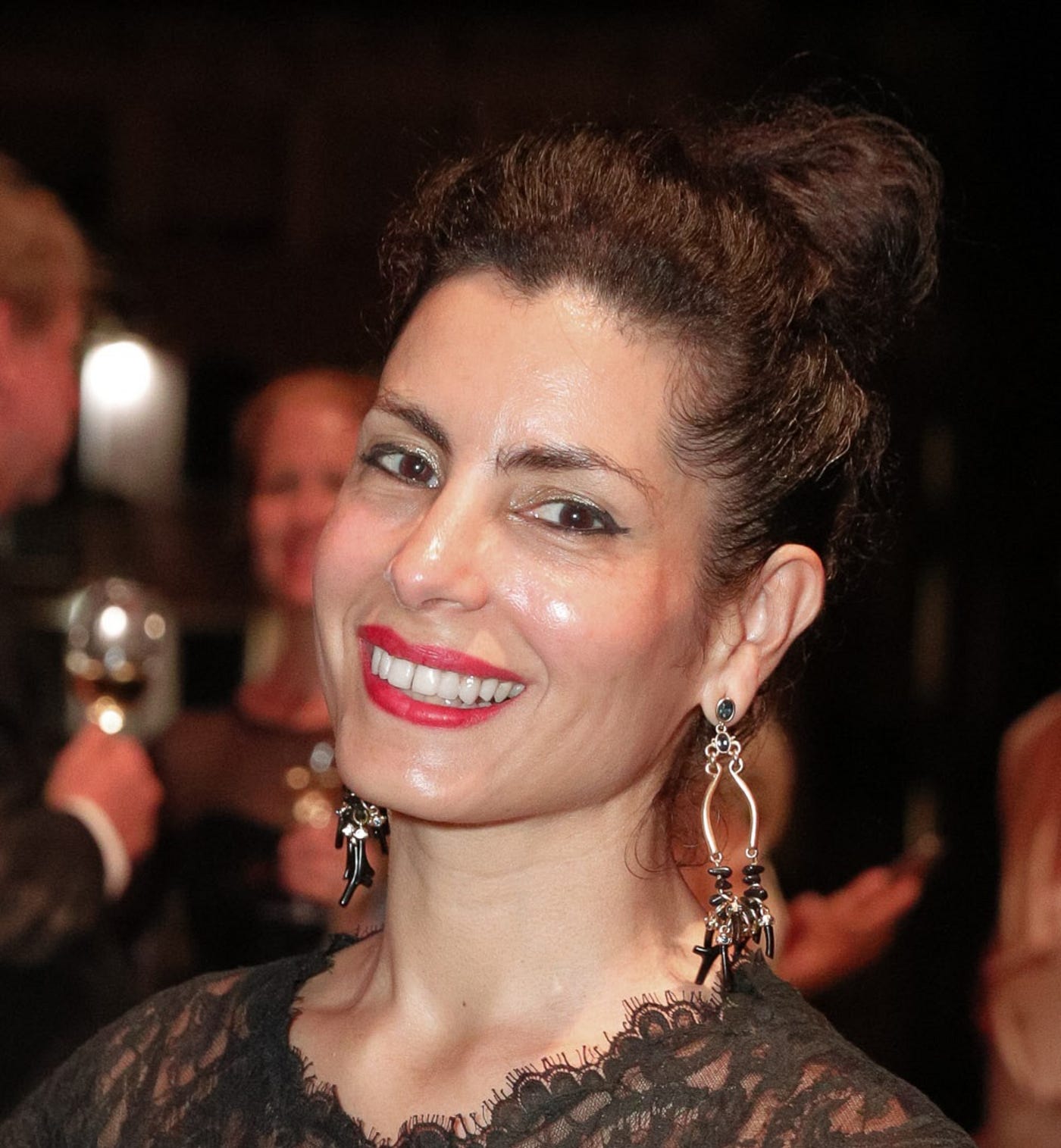
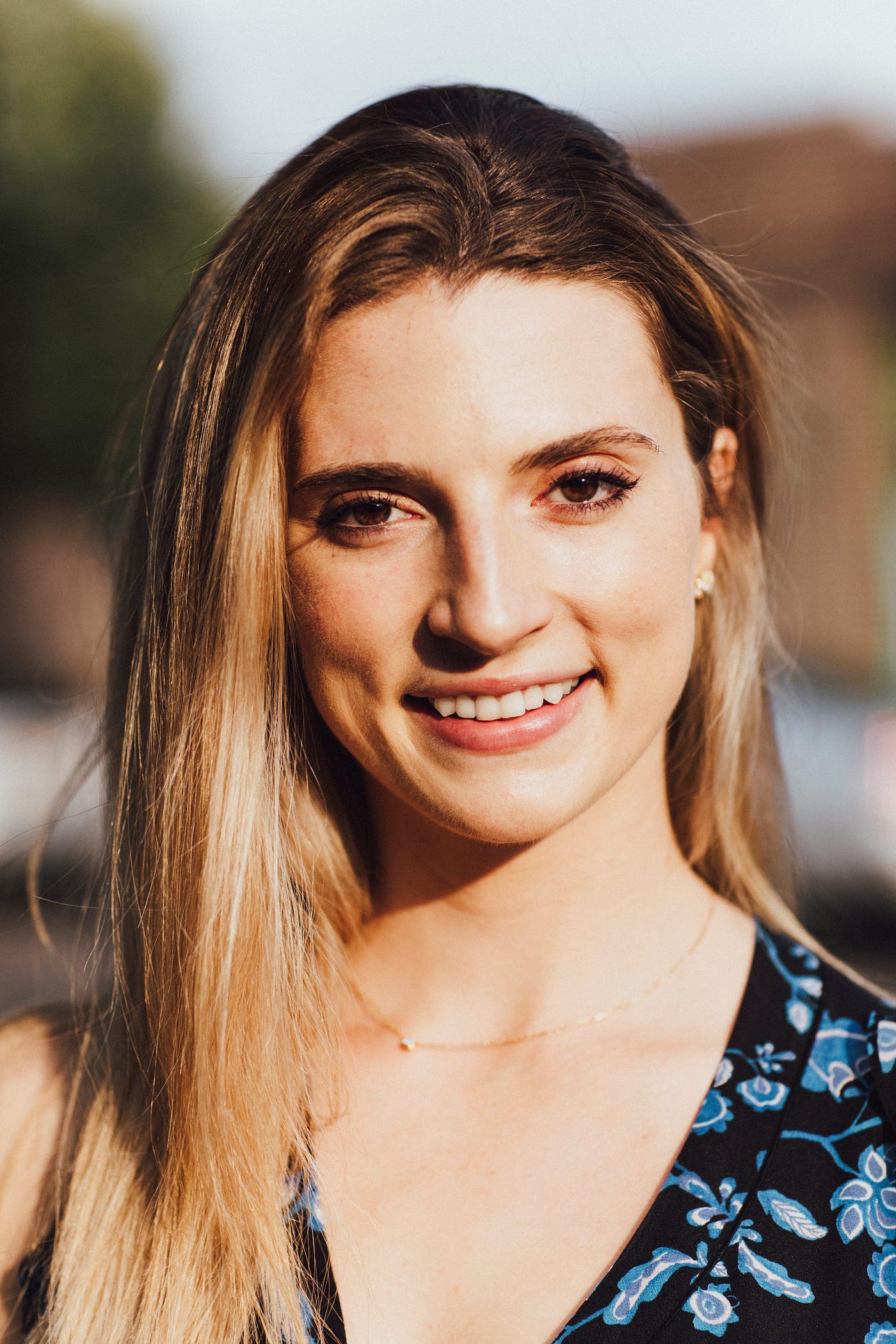
As part of my series about young people who are making an important social impact”, I had the pleasure of interviewing Lizzie Asher.
Lizzie Asher brims with entrepreneurial spirit. Not only has that served her to lead Macchu Pisco, the company she co-founded with her sister, but also to launch other ventures in the world of philanthropy. Her experience ranges from serving on Boards of non-profits, such as Save Venice, to establishing a scholarship fund for immigrant children in NYC to this past year establishing a non-profit along with her friends, the Cura Collective. Although armed with a law degree from Harvard, she admits that the secret weapon to Cura’s success was the brain trust that she and her co-founders formed together.
Thank you so much for doing this with us! Before we dig in, our readers would like to get to know you a bit. Can you tell us a bit how you grew up?
Sure! I was born and raised in Peru until I was 12. It was a childhood surrounded by family, most of which consistent of extremely strong-willed women. Although they looked like the picture-perfect movie version of stylish Latin women, none of them fit the cookie-cutter mold. And, they were brave, specially my aunt who is now a political asylum refugee here in the US. She was a union activist, and she often took me to rallies where I had my first experience with tear gas at 10 years old.
You are currently leading an organization that aims to make a social impact. Can you tell us a bit about what you and your organization are trying to change in our world today?
The organization I co-founded is called the Cura Collective. We launched last April. All of my friends (Casey Kohlberg, Mercedes de Guardiola, Norah Boyd and Laura Day Webb), who are the other co-founders, and I had spent weeks thinking how we could make an impact. All four us had met via each of our philanthropic interests in the city, and simply put, we just asked ourselves how could we even think of having the label of philanthropists attached to our name when at the time of greatest need we were sitting in the sidelines. So, from the very beginning our goal was to take care of those who were taking care of all of us, the frontline workers. However, we made sure that we defined that term broadly so that we could provide for everyone at hospitals who were part of that infrastructure. Simultaneously, as NYC dwellers, we witnessed first-hand what was happening to the restaurants in our community. This led us to partner with restaurants and pay for them to prepare meals that we delivered to hospitals around the city.
Can you tell us the backstory about what inspired you to originally feel passionate about this cause?
Passionate is most definitely the fuel that impelled us into action. For me, that stemmed from having had the most incredible experience at the hands of doctors, nurses, therapists and administrators at Columbia Presbyterian after I gave birth. I fell into a coma after my son was born, and while I was hooked up on life support, my little guy was likewise being looked after by the entire specialty team at the Columbia NICU. To this day, I stay in touch with those that saved me and my son, and I don’t think it will ever be possible to repay them for their extraordinary efforts. So, it was pretty easy that when I had a chance to take care of all those professionals who were doing their utmost under the most horrific circumstances, I had to do my part to help them keep others’ loved ones alive. Even if it was something as basic as providing meals.
Many of us have ideas, dreams, and passions, but never manifest it. They don’t get up and just do it. But you did. Was there an “Aha Moment” that made you decide that you were actually going to step up and do it? What was that final trigger?
That is so true! I have to admit that even for me, with all the motivation that was driving me to help the frontline workers, my desire would have remained just a thought but not for the other extraordinary women who co-founded Cura with me. We made sure to set up consistent zoom calls and maintain our chat active to exchange ideas daily (even hourly) and maintain accountability. I think “aha moments” may come and go, but if you are lucky enough to be surrounded by incredible friends that inspire you, then anything is possible.
Many young people don’t know the steps to take to start a new organization. But you did. What are some of the things or steps you took to get your project started?
I actually didn’t quite know how to get started, but that is the brilliant thing about working in a team. As the idea started becoming more concrete, we began sharing that with our networks and that is what essentially helped it gather steam. For example, at the beginning, we were not an official 501(c)(3) non-profit so that posed a great challenge for fundraising. However, after talking to friends, I discovered someone who was in contact with another organization whose platform we were able to use to facilitate our fundraising. In the meantime, I had already started a second track to ensure we could have our official paperwork non-profit but due to the shut-down that proved to be an interminable process. That challenged didn’t dissuade us nor did it impact our ultimate goal. And, I think that is key, to keep your eye on your objective and to be flexible how to reach it as things might not always evolve as you hope.
Can you share the most interesting story that happened to you since you began leading your company or organization?
One of the most interesting things that happened after we launched Cura was how we had to adapt and expand our original purpose. While we had created Cura to address the needs of a particular group of people, word spread about the work we were doing, specially providing meals. This led to another non-profit approaching us to inquire if we could partner with them. City Squash is a non-profit that provides after-school tutoring and after-school activities to kids in the Bronx. As the pandemic continued, they witnessed the pervasiveness of food-insecurity affecting the families with whom they worked. This meant that we had a community we had not anticipated servicing, but clearly who needed our help. This meant reassessing our resources and priorities as well as re-deploying our focus to embrace these families. It required our flexibility and creativity, but we were thrilled to have made that happen.
Are there three things the community/society/politicians can do to help you address the root of the problem you are trying to solve?
Absolutely! Food insecurity in the US is an issue that must be addressed as it is an embarrassment. As our Cura Board worked to find a solution for how to source the meals needed in the Bronx, we reached out to several non-profits who specialize in this issue. The statistics that we heard such as 1/6 children in the US are food-insecure, but with families facing the pandemic that statistic had surged to 1/3 children in NYC facing hunger. The first barrier of defense against hunger is a program called SNAP, but looking for a solution should go beyond that first band-aid and examine structural issues such as minimum wage requirements.
If you could tell other young people one thing about why they should consider making a positive impact on our environment or society, like you, what would you tell them?
Just one is tough…I would say that nothing else will make you feel as fulfilled. And luckily, you can be so while pursuing a passion that is just as strong a jolt of energy as your morning coffee.
How can our readers follow you online?
Check me out on IG @Spiritssisters and on Twitter @madaboutpisco
Thank you for these great insights and for the time you spent with this interview. We wish you only continued success!
PB
Written by
Penny Bauder
Editor & Journalist · Authority MagazinePenny Bauder is a senior columnist at Authority Magazine covering Tech and Social Impact, conducting primary-source Q&A interviews with founders, executives, and industry leaders.

Published inAuthority MagazineTop Lessons, Top Authorities · 42K Followers
Exclusive, curated interviews with the leaders and changemakers shaping tomorrow. Leadership lessons, industry deep dives, and executive profiles.