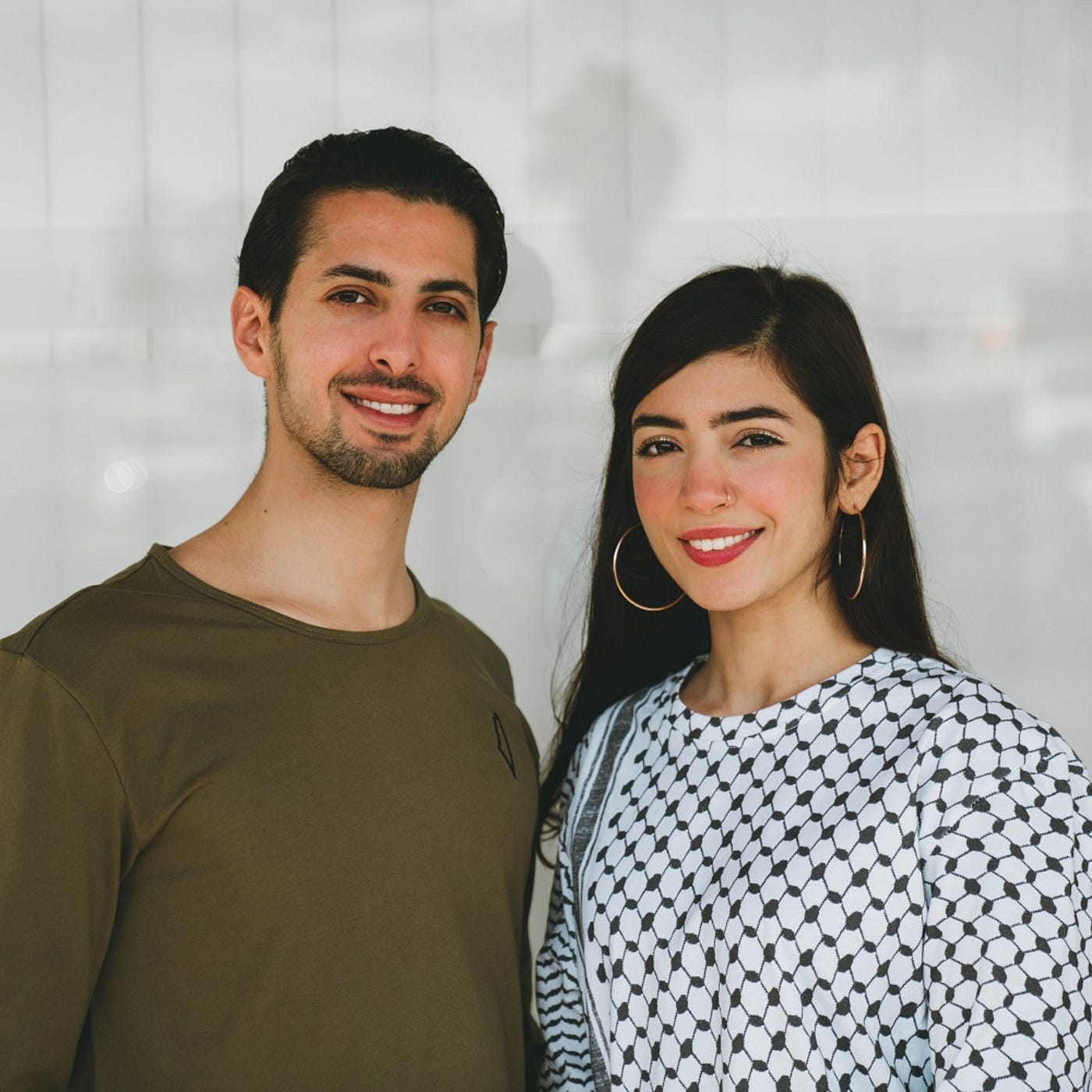
My grandparents were refugees to the U.S., and survivors of the Holocaust. The journey of an immigrant and refugee is something very important to me and what I relate to.
Social Impact
Andrew Royce of Voyce: The Language Equity Test That Drives Better Healthcare Access
Andrew Royce, CEO of Voyce, shares how his background and volunteer work inspired a vital platform removing medical language barriers for thousands of patients every day.
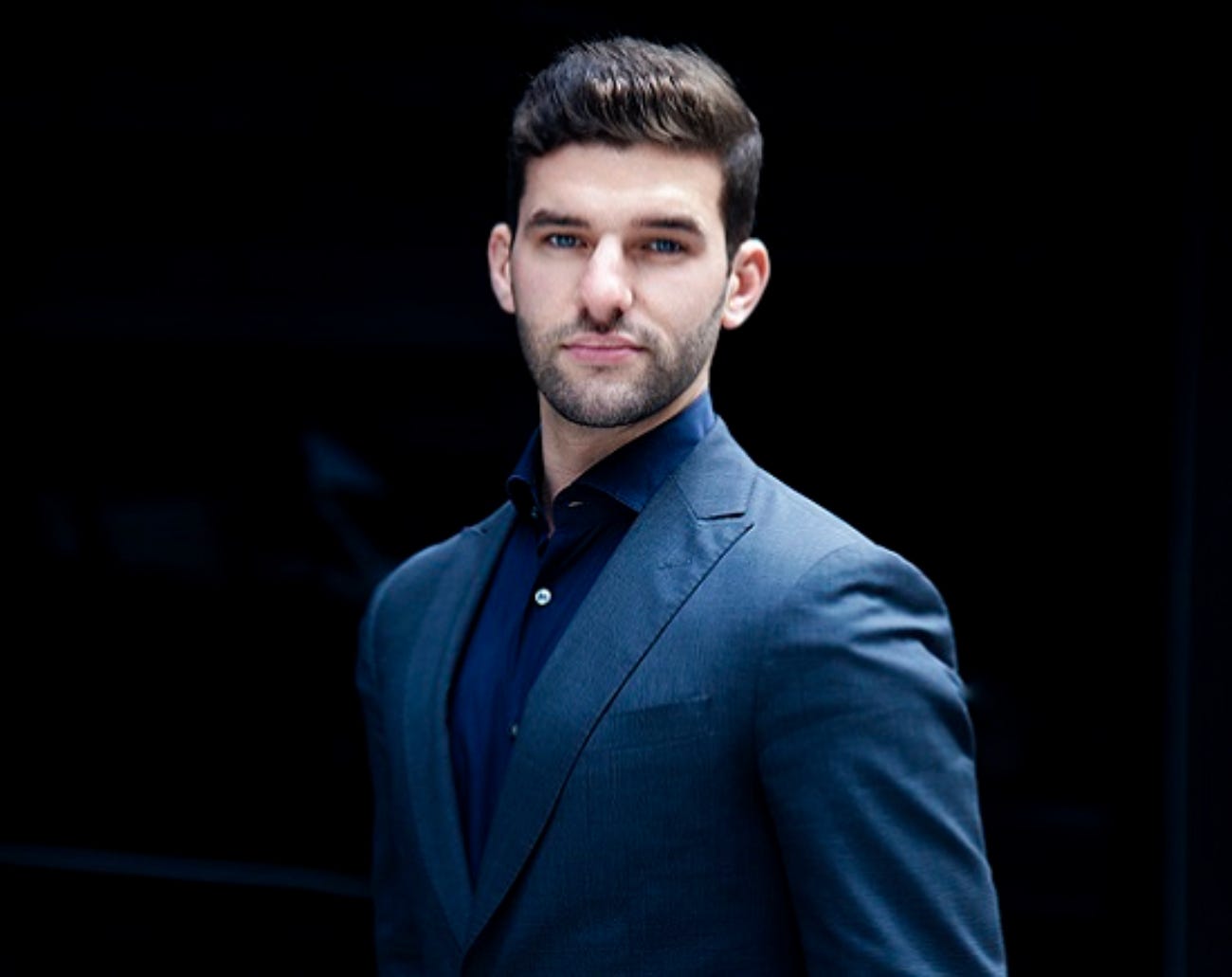
As part of my series about young people who are making an important social impact”, I had the pleasure of interviewing Andrew Royce, CEO of VOYCE.
Andrew Royce is the CEO of Voyce. Serving as a volunteer resettling Syrian refugees in Canada, Andrew Royce became acutely aware of the need for on-demand, medically qualified language interpreters that could reliably and confidentially support healthcare patients who don’t speak English. His passion for this service has been the catalyst behind Voyce. Today, Voyce supports thousands of non-English speakers a day connecting them with a live professional interpreter to ensure clear and safe communication with their healthcare providers.
Thank you so much for joining us in this interview series! Before we dig in, our readers would like to get to know you a bit. Can you tell us a bit how you grew up?
Thank you for having me. I grew up in New Jersey surrounded by people of different cultures, languages, and backgrounds. My mom’s family was Italian and Irish. Dad’s family was Jewish from Austria and Germany. My aunt’s family is Mexican. My sister is Filipino. My Godson is Nigerian. In short, there is always a myriad of food choices at the dinner table!
After high school, I went to the University of North Carolina where I majored in African and African-American Studies. I studied abroad for 2 years at McGill University in Montreal, Canada where I won a Killam Fellowship from Fulbright Canada. That was there where I got the idea for Voyce. Following that, I went across the pond to Imperial College London for my business degree. And from there, I devoted my time to growing the company.
Is there a particular book or organization that made a significant impact on you growing up? Can you share a story or explain why it resonated with you so much?
The organization Singa was the one that allowed me to volunteer and interact with Syrian refugees and asylum seekers. It was my first experience doing so and it taught me how to be a really good listener and build a deeper understanding of Syrian people and culture. That experience resonated with me because it made me think of my grandparents who were refugees and the similar challenging situations they went through when they arrived in America.
How do you define “Making A Difference”? Can you explain what you mean or give an example?
I define making a difference as empowering people to discover themselves, get more out of life, become better human beings and teach the same principle to the next generation.
It’s important to me to empower people to be themselves and ultimately discover more from life. When you help others learn from themselves and become better humans, you create a chain effect, helping build awareness and knowledgeable people so they can share it with others organically.
Ok super. Let’s now jump to the main part of our interview. You are currently leading an organization that aims to make a social impact. Can you tell us a bit about what you and your organization are trying to change in our world today?
Making the healthcare industry more equitable to serve everyone and removing language barriers so that everyone has a fair chance to get what they need and get access to what they need. We serve thousands of people every day and offer our services in over 200 different languages and dialects including American Sign Language. In April, we had over 320,000 sessions helping people in need.
Can you tell us the backstory about what inspired you to originally feel passionate about this cause?
My grandparents were refugees to the U.S., and survivors of the Holocaust.
The journey of an immigrant and refugee is something very important to me and what I relate to.
Many of us have ideas, dreams, and passions, but never manifest it. They don’t get up and just do it. But you did. Was there an “Aha Moment” that made you decide that you were actually going to step up and do it? What was that final trigger?
I met a mentor in Montreal in 2016 who really believed in me and the idea. He was a world traveler and could relate to the idea of cross-border interactions and how language can often be a barrier to entry.
Many young people don’t know the steps to take to start a new organization. But you did. What are some of the things or steps you took to get your project started?
I spent time with people who needed the product, uncovered what they were looking for, their pain points, and their ideas. Design a solution for the people you want to help.
Talking to potential customers to see if this was something they needed. Then building the tech for the product, raising capital and then going to market, selling it and getting feedback, learning and improving the service.
Can you share the most interesting story that happened to you since you began leading your company or organization?
We’ve interpreted for many babies that are being born — interpretation calls that last for 8 hours when mothers are in delivery rooms giving birth.
Can you share a story about the funniest mistake you made when you were first starting? Can you tell us what lesson or take away you learned from that?
It’s not a mistake, but it’s kind of interesting how when your company starts you have a vision for what the product will look and feel like. Nobody else can see that vision except for you. Entrepreneurs really need to believe that things will eventually get there. It takes a lot of patience and determination.
None of us can be successful without some help along the way. Did you have mentors or cheerleaders who helped you to succeed? Can you tell us a story about their influence?
I’ve had too many mentors to count. I’ve been really lucky in that respect. The relationships I’ve built with them have become so deep that many of them treat me like their son or grandson. I even get holiday gifts!
Without saying specific names, can you tell us a story about a particular individual who was impacted or helped by your cause?
We had a hearing impaired patient in an emergency room in a hospital. She was crying and nobody knew what was going wrong. When they finally used Voyce and accessed an American Sign Language interpreter, the healthcare providers found out she was going into labour and having a baby.
Are there three things the community/society/politicians can do to help you address the root of the problem you are trying to solve?
- Improve international aid within countries who have people fleeing for reasons like famine, natural disasters etc.
- Ensure incoming immigrants have strong access to language learning resources and continuous education
- Improve public health so people aren’t getting increasingly sick
Fantastic. Here is the main question of the interview. What are your “5 things I wish someone told me when I first started” and why? (Please share a story or example for each).
- Your customers will help you develop and design the product to push you to make something ever better.
- Your colleagues will become some of your closest friends
- Pursuing your dreams, whether they’re successful or not, makes you feel alive
- Giving back to others is one way of achieving happiness
- Listen. Listen. Listen. Listen!
If you could tell other young people one thing about why they should consider making a positive impact on our environment or society, like you, what would you tell them?
Put yourself out of your comfort zone and go discover a problem and live it.
Is there a person in the world, or in the US with whom you would like to have a private breakfast or lunch with, and why? He or she might just see this, especially if we tag them. :-)
President Barack Obama because I think I have a better jump shot.
How can our readers follow you online?
https://www.linkedin.com/in/andrewroycebauer/
This was very meaningful, thank you so much. We wish you only continued success on your great work!
PB
Written by
Penny Bauder
Editor & Journalist · Authority MagazinePenny Bauder is a senior columnist at Authority Magazine covering Tech and Social Impact, conducting primary-source Q&A interviews with founders, executives, and industry leaders.

Published inAuthority MagazineTop Lessons, Top Authorities · 42K Followers
Exclusive, curated interviews with the leaders and changemakers shaping tomorrow. Leadership lessons, industry deep dives, and executive profiles.