When you’re the only woman at the table, it’s easy to feel alone even if your male colleagues aren’t treating you differently. For me this was an internal challenge and it’s been important to acknowledge the feeling of “aloneness” to overcome.
Business
Lisa Pruett of RRD: The Results Mindset of Discipline, Drive, and Decisiveness That Powers Women to Lead in Male-Dominated Industries
The RRD packaging president shares how her West Point training, military service, and unwavering authenticity shaped a career overcoming industry barriers.
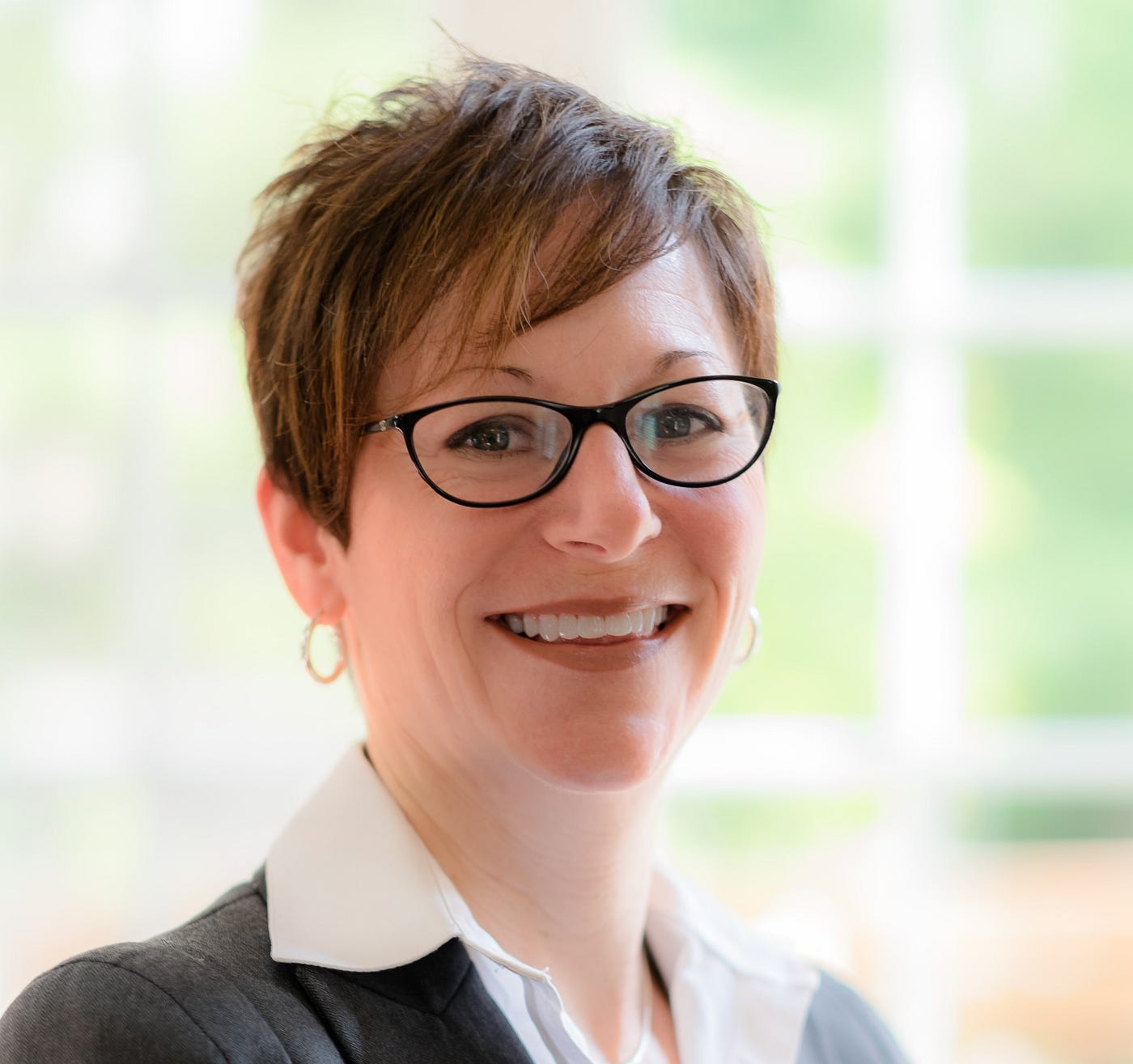
In the United States in 2022, fields such as Aircraft piloting, Agriculture, Architecture, Construction, Finance, and Information technology, are still male-dominated industries. For a woman who is working in a male-dominated environment, what exactly does it take to thrive and succeed? In this interview series, we are talking to successful women who work in a Male-Dominated Industry who can share their stories and experiences about navigating work and life as strong women in a male-dominated industry. As a part of this series, we had the distinct pleasure of interviewing Lisa Pruett.
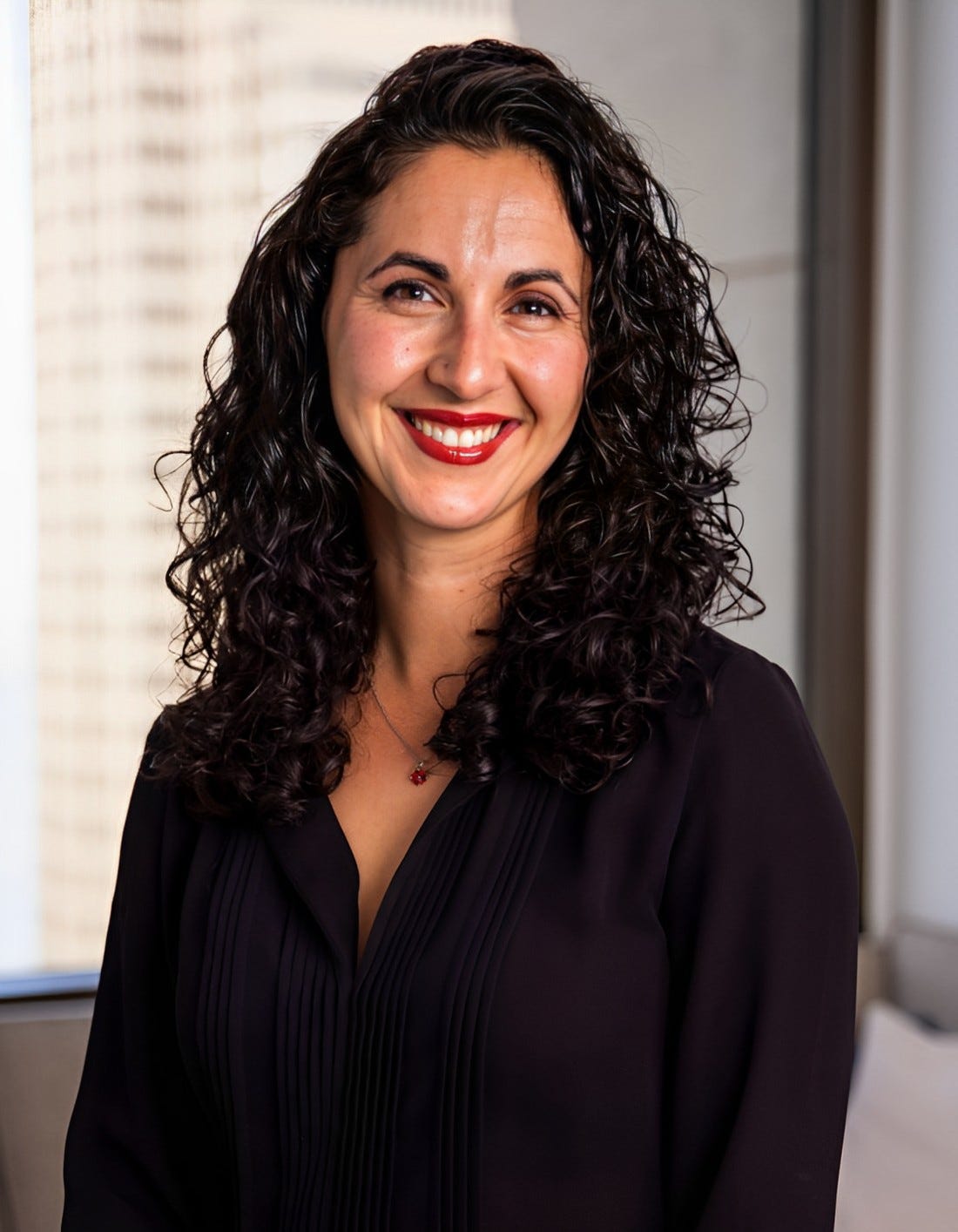
Lisa Pruett is the President of Packaging, Labels, and Signage at RRD, a leading global provider of marketing, packaging, print, and supply chain solutions. As a high-energy and dynamic leader, Lisa built a career in the packaging industry by transforming cultures, chaos, and bottom lines. Before joining RRD, Lisa worked for several packaging organizations in sales and operations leadership roles of increasing responsibility. Lisa honorably served as an Ordnance Officer in the U.S. Army, is a Desert Storm veteran, and was in the 10th class of women at the United States Military Academy at West Point.
Thank you so much for doing this with us! Before we dig in, our readers would like to get to know you a bit more. Can you tell us a bit about your childhood “backstory”?
I grew up in Florida. From an early age, I was a passionate tennis player. The sport was a fixture in my life from early childhood through early adulthood. I played every day, regularly traveled to tournaments, and even ended up being recruited by West Point to play tennis. Tennis ignited my competitive spirit which has been such an important asset to me throughout my life and career.
Can you tell us the story about what led you to this particular career path?
As I was finishing up my time in the Army, the packaging and printing industry was heavily involved in recruiting junior military officers (JMO’s), so I ended up in the industry and the majority of my career has been in packaging.
My first job in the industry was actually as a human resources manager for a folding carton manufacturer in Stone Mountain, Georgia. I felt so empowered seeing our work on store shelves that I wanted to be more directly involved in helping the brands we worked with. So, I moved into sales where I worked with many different brands across vastly different industries. Selling packaging is such a unique position to be in because it puts you at the cross-section of marketing, operations, and purchasing. It creates opportunities to work with — and learn from — people across so many parts of the value chain.
At RRD, I’m supporting an even larger range of services and products. We help clients navigate design, supply chain, and warehousing challenges. This only expands the scale and complexity of projects, which makes for an even more fascinating and rewarding world to work in. It’s so exciting to be a part of building brands.
Can you share the most interesting story that happened to you since you began your career?
My career is filled with great experiences so it’s hard for me to share just one, but I will share a humbling story that speaks to women working in a male dominated industry. A key part of my leadership philosophy is understanding the business and seeing it firsthand, so I spend a lot of time visiting our manufacturing facilities and meeting our teams on the ground. During these visits, it’s been interesting to see several women go out of their way to meet me because I am a female leader in the company. In one facility, a female press operator even came in during her day off just to have the chance to meet me. Now that is humbling and reminds me that I need to continue to be the shoulders that other women can stand on to go to the next level in their career.
You are a successful business leader. Which three character traits do you think were most instrumental to your success? Can you please share a story or example for each?
The 3D’s: Discipline, Drive, and Decisiveness. These are the cornerstones of my results mindset. They have supported me throughout my career as I reached for more opportunities and overcame challenges — whether it was in my work life with additional responsibilities, or personally through pushing myself at the gym. While these are strong traits, the soft side of them is that they are the foundation of my relationship building with my team and other stakeholders. They trust I will follow through on my word and work relentlessly in pursuit of the commitment, even if that means making hard decisions when necessary.
Transparency. Being open, honest, and authentic with your colleagues is a critical part of forming the business relationships and bonds of trust that will help you succeed. Transparency manifests itself in my business life through a strong operational communication cadence via 1:1 meetings with my team, bi-weekly meetings with our plant, finance, and key stakeholders, and quarterly town halls with all leaders as well as the sales team. This ensures continuity and keeps us focused on where we have committed to go. Even more importantly, transparency and insight provide a sense of security. When employees are in the know, they’re engaged in the path and focused on the goal without being distracted by secrets or surprises.
Integrity. It’s important to stick to strong moral principles and ethics, and I integrate this principle into every aspect of my business and personal life. I learned these principles while growing up in a devout house and then built upon them at West Point where all cadets live by the Honor Code — “a cadet will not lie, cheat, steal, or tolerate those who do”.
Can you help articulate a few of the biggest obstacles or challenges you’ve had to overcome while working in a male-dominated industry?
After my time in the military, early in my civilian career, I would get comments about the way I dressed and the way I walked with the “gate of a soldier.” Those were different times and fewer people might make those kinds of remarks out loud today. However, I never felt the need to change just because of those comments and I’m glad I didn’t. Now, people are more open and accepting of each other. That kind of change doesn’t happen if everyone is trying to fit a mold.
Another challenge I’ve experienced is loneliness. When you’re the only woman at the table, it’s easy to feel alone even if your male colleagues aren’t treating you differently. For me this was an internal challenge and it’s been important to acknowledge the feeling of “aloneness” to overcome. For anyone in a similar position who feels that way, just know that you are not alone. Your position in the room is significant and it matters. If there aren’t communities in your organization, start one. Or join an outside professional association for women. Being part of a community can really contribute to one’s confidence.
Can you share a few of the things you have done to gain acceptance among your male peers and the general work community? What did your female co-workers do? Can you share some stories or examples?
I never tried to strategize how to gain acceptance from my male peers. That kind of framing wasn’t particularly helpful to me. While it isn’t easy to be the only woman at the table, I told myself “I’m going to be a leader with a leadership style people want to be a part of.” This approach helped me focus on my objectives and drive results, which fueled a reputation for being a valuable team player and increased my self-confidence and respect from my colleagues.
While I can’t speak to the experiences of my female colleagues, I think this approach worked for me because I didn’t dilute my time and energy by giving other people power over my self-perception. I knew I belonged at that table so there was nothing to prove — just the task at hand.
What do you think male-oriented organizations can do to enhance their recruiting efforts to attract more women?
Organizations have to represent women in order to attract more women. When people interview at a company, they want to see themselves represented. I strongly believe all initiatives companies are taking internally need to be communicated openly externally — whether that be training programs, initiatives to support women in the workplace, etc. By seeing these initiatives, women can see companies are moving along the right path towards creating an equitable, inclusive environments for everyone.
At RRD, we have a number of department specific and wider organization initiatives for women in the workplace. RRD’s Global Women’s Business Resource Group (GWBRG) provides business knowledge, leadership development and networking opportunities to help RRD women from all areas of the business grow and advance their careers. We have a Women-in-Packaging-and-Labels group which supports the women in our manufacturing plants. We also mentor women sales representatives in the organization who are our up-and-coming leaders.
Ok thank you for all of that. Here is the main question of our interview. Based on your opinion and experience, what are the “Five Things You Need to Thrive and Succeed as a Woman In a Male-Dominated Industry?” (Please share a story or example for each.)
Women in male-dominated industries all have very different experiences. Throughout my career, I try to own being the only woman in the room versus seeing it as a disadvantage or something to overcome. That being said, I think the five items listed below are things anyone can use in any environment.
Deliver results by having a “no excuse” mentality. Bottom line, results matter. I learned this at West Point where plebes (freshmen) are taught to answer questions with only four responses — yes sir/ma’am, no sir/ma’am, no excuse sir/ma’am, and sir/ma’am I have a question. The powerfulness in this lesson is in the third response — “no excuse” — which taught me the ultimate responsibility. Why aren’t your shoes polished? No excuse. Why were you late for class? No excuse. Why didn’t you meet your quota? No excuse. I have a great example of my “no excuse” mentality from when I was a sales representative. I was attempting to get a meeting with a company but wasn’t successful via the traditional methods. So as a way to get the buyer’s attention I sent him a shoe with a note that said, “now that I have my foot in the door, will you agree to meet with me?” It worked and I got the meeting!
Know how to be successful in a matrix environment. By this, I mean that it’s critical to understand what all stakeholders need from you in order for them to be successful. In any industry, you’re likely working with a matrix of various players who require vastly different things. By understanding the ecosystem in which you work and delivering on those needs, your peers will respect you and in turn provide the support you need. It’s important for partners to be able to rely on you and feel confident in your abilities and intentions. Matrix teams depend on trust and teamwork and the only way to build trust in your team is to lead by example. The RRD procurement team, which happens to be world class, would be nodding their heads at this one. My team and I work very hard on team building and developing strong relationships with key vendors. This support we provide to the procurement team has been impactful to our vendor relationships as the vendors are able to hear directly from the business. This is a time investment on our end, but it is important and necessary work.
Build trust by doing what you say you are going to do. Building off the point above, by giving people what they need and delivering on their commitments, you will begin to build trust with everyone you work with. I like to use the phrase “foxhole person” — if I’m in a foxhole, do I want you there? Are you going to be there for me, and vice versa?
Be authentic. In order to be successful, you have to be your full and honest self at work. A huge part of that is finding the right environment that fosters authenticity. Finding that place and that balance can set you up for even further success. Authenticity within teams also fosters a safe and inclusive environment. Through honesty at work, teams can build strong relationships and rely on one another for support.
Have a learning mindset. I am constantly looking for ways to learn. Don’t be afraid to fearlessly ask questions, undertake self-driven learning, and read all you can! Formal and informal education are both impactful in their own ways — whether it be through reading books, pursuing secondary education degrees, or speaking with a mentor, education throughout your career is one of the most important ways to continue to succeed. In my own life I have lived this through obtaining 2 master’s degrees, an MBA and a MS in finance, as well as meeting regularly with an executive coach. I’m also a voracious reader. I love the quote from Harry S Truman “a person who won’t read has no advantage over one who can’t read.”
If you had a close woman friend who came to you with a choice of entering a field that is male-dominated or female-dominated, what would you advise her? Would you advise a woman friend to start a career in a field or industry that’s traditionally been mostly men? Can you explain what you mean?
To me, this would entail a hierarchy of decisions. First, what does she want to do? That should have nothing to do with if the industry is male- or female-dominated. If she really wants to enter a certain field, she should go in strong, committed, and courageous to pursue that field. Next, is it a good job? That is one of the most important considerations in pursuing a position — I would encourage her to only pursue a job and company that she is aligned with. Lastly, I would encourage her to be aware of the potential challenges that she might be faced with if it’s a male- or female-dominated industry. They may or may not come to fruition, but it’s important to prepare for those situations.
Have you seen things change for women working in male-dominated industries, over the past ten years? How do you anticipate that it might improve in the future? Can you please explain what you mean?
I have definitely seen things change for women over the past ten years. Generations are becoming more and more accepting of each other, which manifests itself in all aspects of life, including the working world. I hope that will only continue to happen in the years to come.
In terms of women in management positions, I think in part, it’s a numbers game. I think one reason we’re not seeing women in as many upper management/C-Suite positions is because historically women have not been given equal opportunity to attend college and gain management experience. Nowadays women are actually outnumbering men in college, so I’m excited to see more women in the corporate pool. I hope that representation will continue to increase in companies across all industries.
We are very blessed that some very prominent names in Business, VC funding, Sports, and Entertainment read this column. Is there a person in the world, or in the US with whom you would love to have a private breakfast or lunch with, and why? He or she might just see this if we tag them.
It feels virtually impossible for me to list one, so if it’s okay, I’d like to share a few. Joko Willink (retired U.S. Navy SEAL), David Goggins (retired U.S. Navy SEAL and one of the world’s best endurance athletes), and Lisa Jaster (U.S. Army Reserve lieutenant colonel and engineer officer) are a group of veterans, heroes, leaders, masters of a disciplined life, and physical badasses! Lisa Jaster is the first woman (and one of only three) to graduate from the first integrated U.S. Army Ranger school.
Carol Tome (CEO of UPS) and Mary Barra (CEO of General Motors) are two women I look up to in the Fortune 500 world — meeting them and listening to their life lessons, particularly about ascending through male dominated industries, would be an amazing experience.
Thank you for these fantastic insights. We greatly appreciate the time you spent on this.
AM
Written by
Authority Magazine Editorial Staff
Editorial Desk · Authority MagazineThe Authority Magazine Editorial Desk produces, verifies, and edits long-form primary-source interviews with executives, innovators, clinicians, creators, and social impact leaders across Business, Tech, Pop Culture, Wellness, and Social Impact.

Published inAuthority MagazineTop Lessons, Top Authorities · 42K Followers
Exclusive, curated interviews with the leaders and changemakers shaping tomorrow. Leadership lessons, industry deep dives, and executive profiles.