When I first started in this career, I had a male client who asked me to cut his hair. I asked him, “Would you like your hair cut above your ears?” He said yes, so I cut his hair to expose his ears completely.
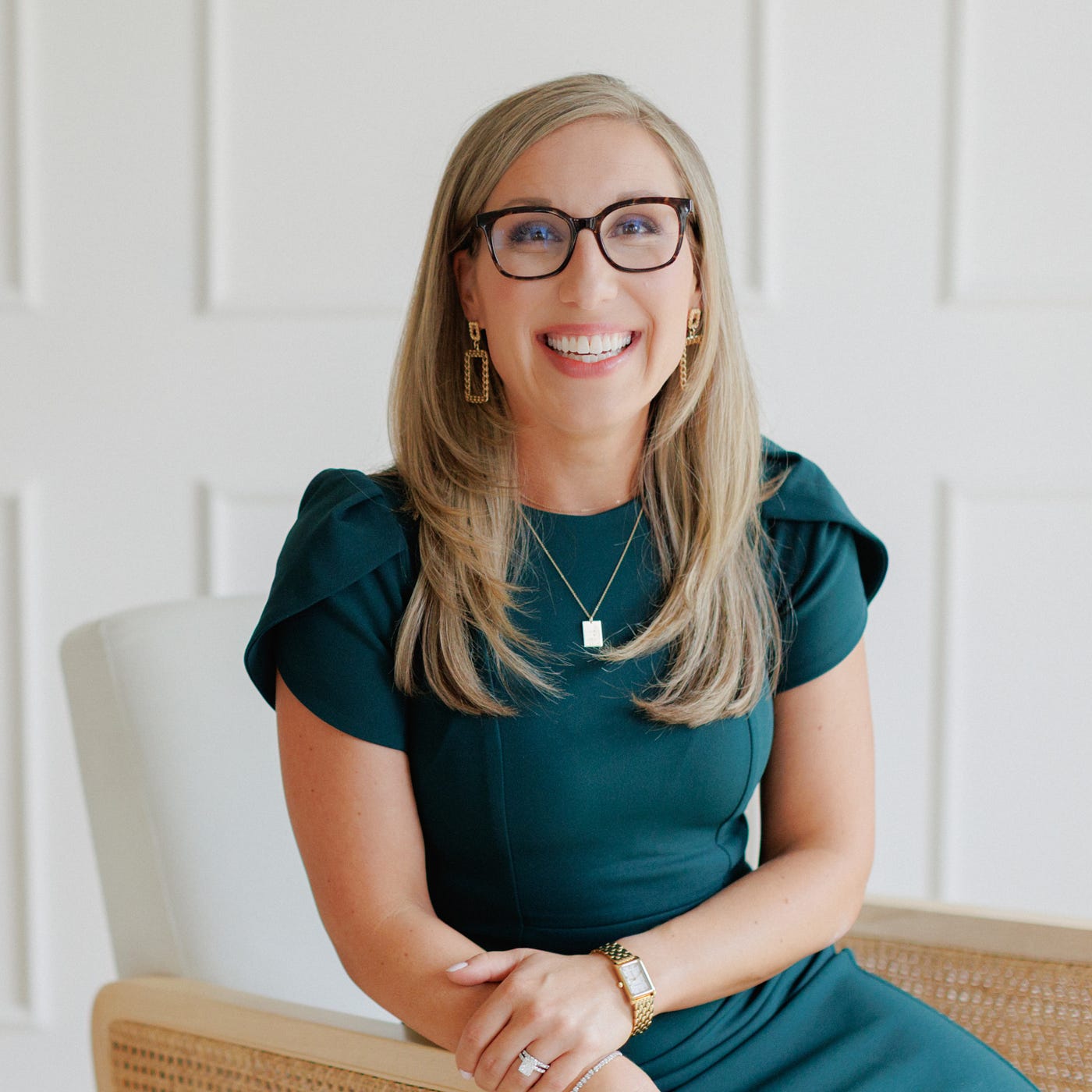
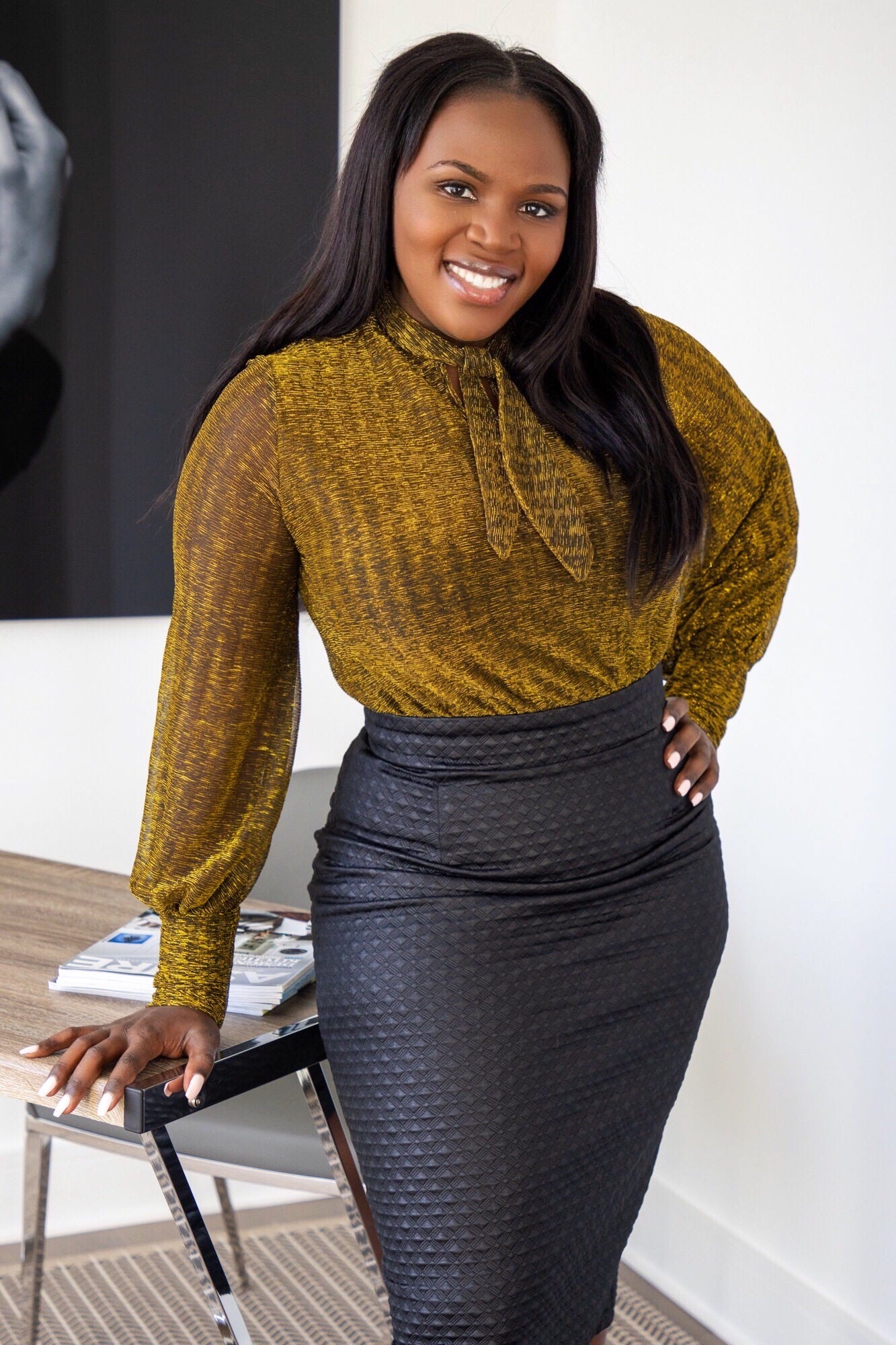
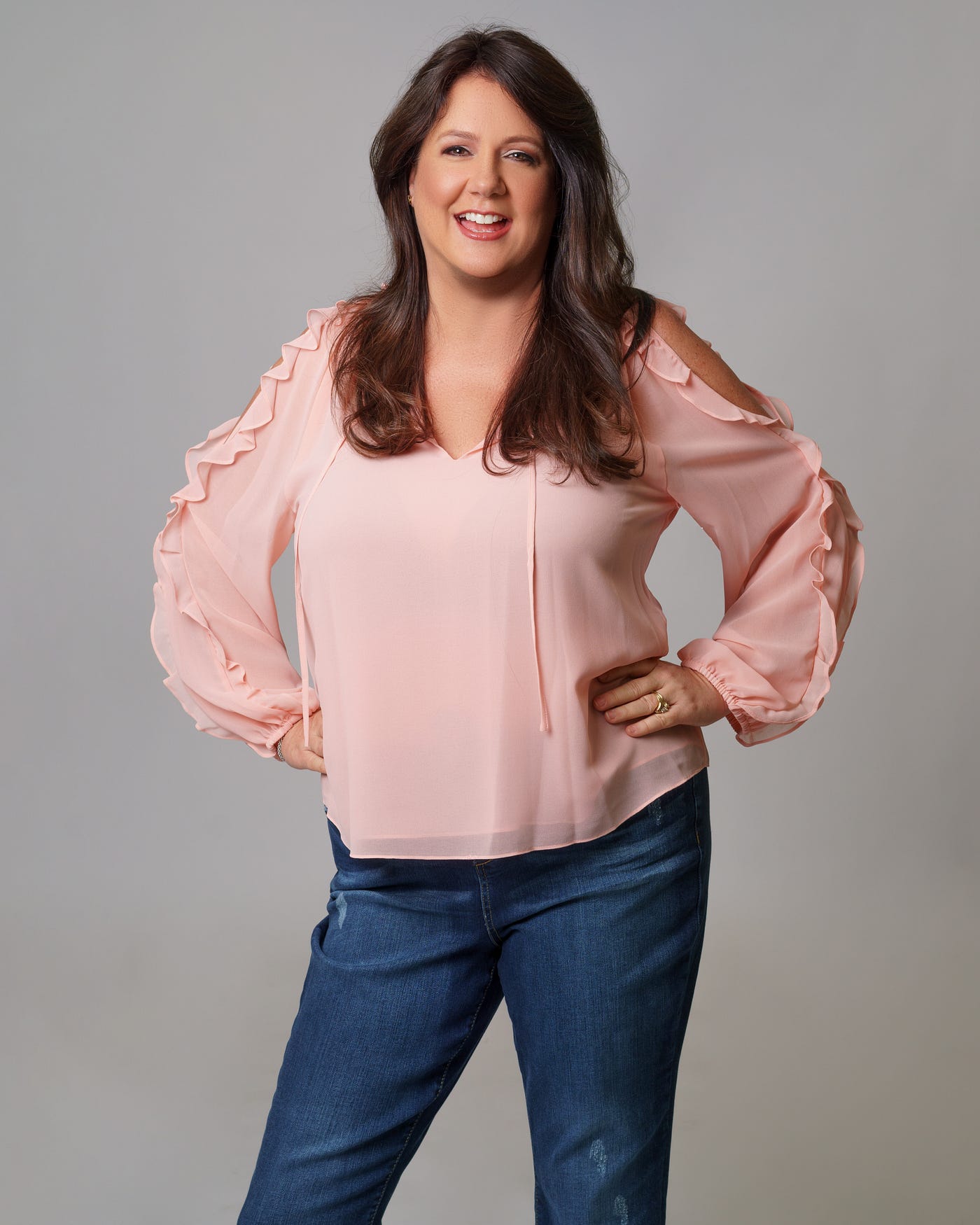
As a part of our series about Women Founders, we had the pleasure of interviewing Leslie Robinson.
Leslie Robinson is the owner of Mane Image, a hair restoration company dedicated to helping individuals navigate hair loss and explore personalized restoration solutions. As a woman founder, she is passionate about building a business that empowers people to feel more confident in themselves and their appearance. Through her leadership at Mane Image, Leslie is committed to helping clients find solutions that align with their individual hair restoration goals.
Thank you so much for joining us in this interview series! Before we dig in, our readers would like to get to know you a bit more. Can you tell us a bit about your “backstory”? What led you to this particular career path?
You mentioned wanting a bit of a backstory about me and what led me to this career path. Well, let me go down the rabbit hole. I grew up struggling with a severe anxiety disorder, which started off as what most call social anxiety, fear of school, outings, etc. This anxiety branched out into eating disorders, BFRB (body-focused repetitive behaviors) like biting nails, pulling eyelashes, eyebrows, body hair, etc. My mom was my rock, my strength. My family would say I never cut the umbilical cord. When I was a teen, I would travel with my mom over the summers while she worked for John Amico corporate office, opening new franchises and training them. I loved that it was all women and the love I felt from this group of creative people. As a teen with insecurities and anxiety, I was fearful of what my career would be. My mom always reassured me there’s always work with animals or plants. I love people and care for them, so I knew I wanted to interact with people just on my own terms. When my mom was approached by the founder, John Amico, to come in the 80s to check out ADDHAIR technologies out of San Francisco, she jumped on the opportunity to branch into hair loss solutions. ADDHAIR was a hairpiece company looking to expand through franchises, John Amico wanted to promote here in the Midwest. My mom loved the product and support and jumped right into it. I, of course, started by doing paperwork, back room tasks, and front desk. I loved the one-on-one environment and found my love. I got to work with people and help them. Over 40 years now of being in this field, it has helped me with my anxiety, my fears, and, most importantly, to know there are so many people like me who struggle with BFRB and anxiety. I get the absolute pleasure of taking away that one thing causing people so much pain. It truly has saved my life.
Can you share the most interesting story that happened to you since you began leading your company?
When I purchased Mane Image Hair in 2003 from my mom, I learned it is harder than it looks to lead your team, not just be a part of it. I learned that with leadership, there is a fine line between leading and simply setting rules and quotas for your team to follow. My mom always taught me to lead by example.
Can you share a story about the funniest mistake you made when you were first starting? Can you tell us what lesson you learned from that?
When I first started in this career, I had a male client who asked me to cut his hair. I asked him, “Would you like your hair cut above your ears?” He said yes, so I cut his hair to expose his ears completely. I thought he was going to fall out of the chair! He explained that he actually wanted his hair to cover his ears, with the length hanging over them. This taught me to never assume I understand what someone really wants. Now, I ask questions and show them what I understood to make sure it aligns with what they actually mean. The poor man had to grow his hair back out to cover his ears! I did laugh so hard after he left. The moral of the story is that listening is only one part of the equation, understanding is the other part.
None of us are able to achieve success without some help along the way. Is there a particular person who you are grateful towards who helped get you to where you are? Can you share a story about that?
My mom was my mentor. She taught me that I could do anything if I set my mind to it and worked consistently toward that goal. My mom showed me how she ran the business, who she surrounded herself with, and whose opinions to value. When I first started, I had an issue with a client. This person was unhappy with the results of the hair system. My mom came in and showed me how to achieve what the customer wanted to make them happy. What I learned was to very clearly explain each step I was taking to achieve the result the client expects and take command of the room. The client’s fears overtake if you let them. My job is to not only provide an excellent technical service but to comfort the client’s concerns, so they leave empowered.
Ok, thank you for that. Let’s now jump to the primary focus of our interview. According to this EY report, only about 20 percent of funded companies have women founders. This reflects great historical progress, but it also shows that more work still has to be done to empower women to create companies. In your opinion and experience what is currently holding back women from founding companies?
I pride myself on empowering my female employees and clients. I feel like women still get looked at as emotional and difficult. I embrace being a strong, outspoken woman. A man in the same role is a powerful man, while a woman is often seen as difficult or catty. It is not empowering for females. The truth is, women are emotional, and that is a strength, not a weakness, and should be treated as such. I feel that because women are emotional, fear comes with that. The fear of being judged, not being good enough, failing, taking time away from the traditional role of wife and mother. This is really holding some women back. Every year that goes by, and the older I get, I still see women holding back their opinions and dreams every day. We have so much to give as bosses, leaders, and innovators. I also feel that if women had funding that the men in their lives are not willing to part with, it would be easier to jump into running a business. There was no funding available to me when I started. Our government should have grants for women to start businesses just because they are women. It would be amazing if there was something for single mothers, widows, etc., to help women be independent.
Can you help articulate a few things that can be done as individuals, as a society, or by the government, to help overcome those obstacles?
My mom helped me as her mom helped her when she started. When I hire my female staff, I empower them to make decisions for themselves. Our work environment is a democracy. We vote on days off for the upcoming year so we all have a voice. Empowering your staff, I feel, leads to loyalty and devotion.
This might be intuitive to you as a woman founder but I think it will be helpful to spell this out. Can you share a few reasons why more women should become founders?
More women should become founders of businesses because we see the world differently. We offer a different experience to employees, surrounded by a well-balanced life. You most certainly can have a work-life, health, and religious balance in your life. It takes giving, listening, and letting others help you. As a woman founder, I have learned to delegate, and it will be ok. Letting your employees delegate is ok as well, and showing them support. I always have my employees’ backs. Their physical health and mental well-being are more important than a task due at work.
What are the “myths” that you would like to dispel about being a founder? Can you explain what you mean?
A myth I would like to dispel is that we all live like rich people. The owners of businesses that are most satisfied with their lives give away more than they keep. Just because you own a business does not mean you are wealthy by any measure. It takes hard work and due diligence to get comfortable, but I truly believe you must give back. Even if it is something small or not even monetary. For us, it is doing a client’s hair when they pass away or are ill in the hospital, or going to their home to do their hair when they are in need, or paying for the burial of someone less fortunate.
Is everyone cut out to be a founder? In your opinion, which specific traits increase the likelihood that a person will be a successful founder and what type of person should perhaps seek a “regular job” as an employee? Can you explain what you mean?
No, not everyone is meant to be a founder of a business. I have found that if you are not a go-getter or a natural leader, running a business may not be your forte. When you are a founder, there is not a set schedule of working hours. You can not just shut it off. You are your business. Yes, you can hire employees to run things, but you are the end of the line. You’re liable for everything, so the thinking and planning never ends. Some people are more comfortable clocking in and out and don’t want to make their career center stage, and that’s ok. I also have a passion for my career. It is not a job to me; it is a gift, not a source of money.

Ok super. Here is the main question of our interview. What are your “5 Things I Wish Someone Told Me Before I Started” and why? (Please share a story or example for each.)
- Being a boss doesn’t mean carte blanche to be bossy. I learned early on that my employees were not responding to my directives. I had a female business coach come in to speak freely with my staff to learn that they had resentment toward me and why. This really helped me to grow as a founder and a human being.
2. As a founder and business owner, your actions and words affect people more than you know. When you choose to be a business owner, you need to always be conscious of how you act and the words you choose. You may be looked up to by people you don’t even realize. I have had clients reach out after receiving news of their terminal diagnosis to express how important the services and products we offer were to them and how much I have meant to them. They regard me as family and love me. I honor and cherish their memories. I have single older clients write my contact info on the back of their driver’s license for me to be notified of their passing so I can follow their last wishes to look amazing going forward.
3. Even when business is going along well financially, remember to save for a rainy day. When COVID shut the world down, I had funds set aside which got my business through it all. I was able to pay my staff and purchase a large abundance of supplies to keep us going.
4. Surround yourself with a team of independent contractors to make your business valuable. What I mean is my staff all know how to do most everything in the business. I am not my business. I have dependable employees and wonderful independent contractors I can call, like advertising agents, insurance agents, repairmen, IT directors, attorneys, fiduciaries, and accountants.
5. Purchase commercial property. Having a hard asset is a value beyond your business itself. I purchased my building in 2005, and it is paid in full now. I have an asset worth resale even if my business doesn’t appeal for resale.
How have you used your success to make the world a better place?
I am on the board of directors of Transitions International Group. As a board member, I can help make decisions to create a cohesive group of like-minded individuals who want to better their knowledge and business for their respective communities. I have had several women join the group and continue to grow.
You are a person of great influence. If you could inspire a movement that would bring the most amount of good for the greatest number of people, what would that be? You never know what your idea can trigger.
With the influence I have, I would love to see the stigma of hair loss and hair loss solutions be eradicated. Yes, there is nothing wrong with being bald. As a matter of fact, wear it with pride. However, for some, there is shame and self-loathing that comes with having thin hair. I wish people would not judge others for actively choosing to wear hair, try to regrow their hair, or surgically replace lost hair. I would also love it if health insurance would cover hair loss treatments and hair loss solutions. It really impacts mental well-being and is not only about someone’s looks. We are living longer, and self-care should never be a bad thing.
We are very blessed that some very prominent names in Business, VC funding, Sports, and Entertainment read this column. Is there a person in the world, or in the US with whom you would love to have a private breakfast or lunch with, and why? He or she might just see this if we tag them.
I would love to have lunch with Sara Blakely. She is a strong woman and leads with distinction. She created a business from modest savings and did not quit out of fear.
Thank you for these fantastic insights. We greatly appreciate the time you spent on this.
About The Interviewer: Vanessa Morcom is a millennial mom of three and founder of Morcom Media, a performance PR shop for thought leaders. She earned her degree in journalism and worked for Canada’s largest social enterprise. She can be reached at vanessa@morcom.media