The mentor who advised me to take “theatre” out of my business made me think of my business and my audience in a whole new way. A shift in perspective is invaluable.
5 Things I Wish Someone Told Me Before I Became A Founder
INTERVIEW QUESTIONS
Please download this doc by clicking HERE (or click File, then Download as) and write your answers. We may schedule a follow-up call or skype to round things out.
(Kindly insert your three sentence bio, written in third person, here.)
--
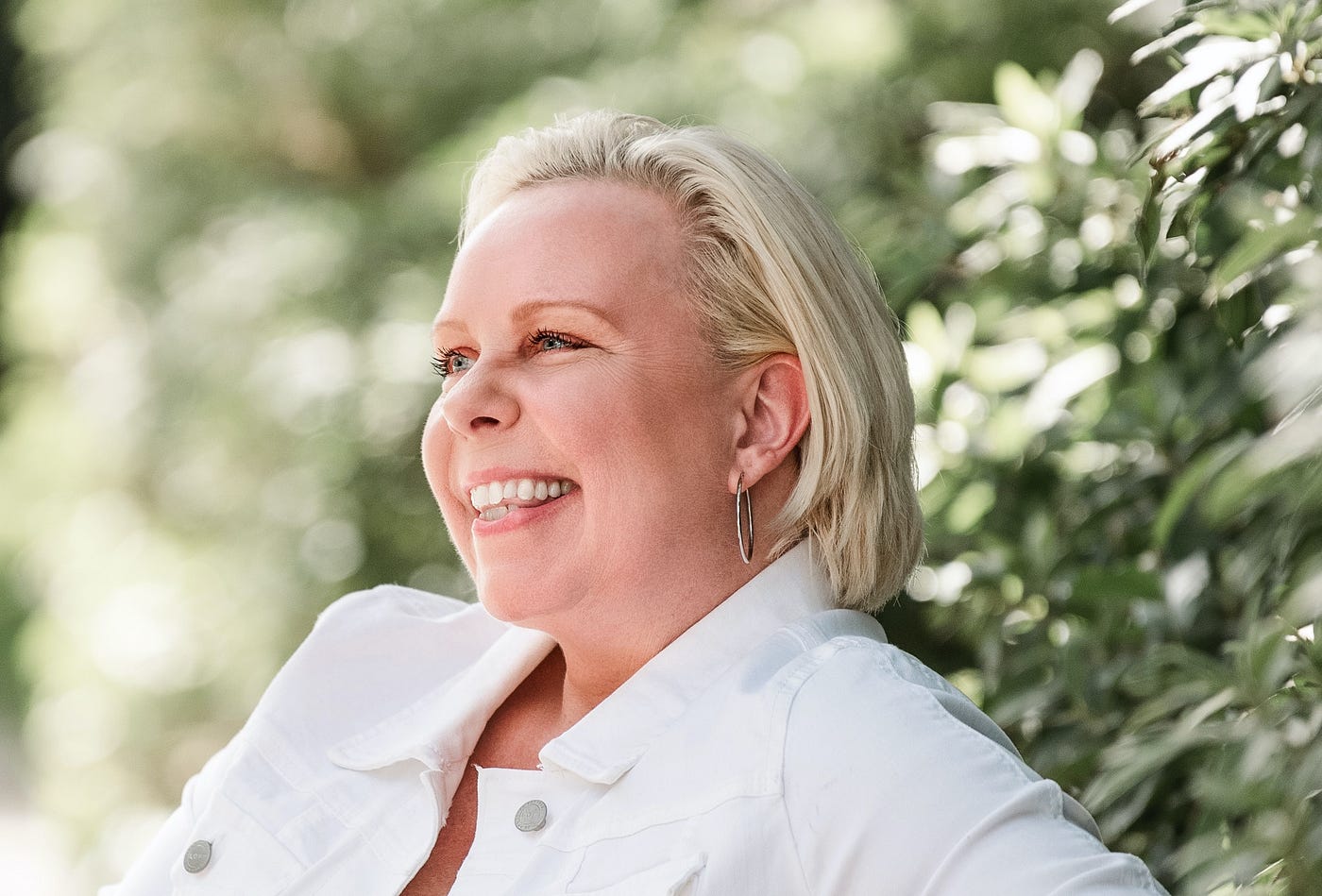
LB Adams, award winning Speaker, Emcee, and TEDx Speaker, is the CEO of Practical Dramatics. During her multi-pathed career, LB has been a banker, actor, corporate executive, director/producer, paralegal and shark-diving scuba instructor. She built her business on the idea that theatre strategies are the pathway for great communication skills and better conversations can change the world. She recently released her debut book, The Irreverent Guide to Spectacular Communication (available in paperback, ebook & audiobook) to rave reviews.
Thank you so much for joining us in this interview series! Can you tell us a story about what brought you to this specific career path?
Because I’ve pivoted so many times in my career journey, I have a very unique perspective on soft skills and communication. When my family moved from New York to South Carolina, it seemed like the perfect opportunity to marry the business and creative components of my work and create something totally new – hence, Practical Dramatics.
Can you tell us a story about the hard times that you faced when you first started your journey?
Shockingly, the money didn’t come right away – lol. There is a glamour to entrepreneurism from the outside, that a little bit of grit and depravation will lead immediately to big monetary rewards. It does not work that way.
Where did you get the drive to continue even though things were so hard?
I was told a long time ago that as an actor, if you can do anything else, you should, because being a working actor is SO HARD. Entrepreneurism is like that. I knew that there was not anything else for me — this was it. The idea that there is nothing else has really helped fuel me and my company’s success.
So, how are things going today? How did grit and resilience lead to your eventual success?
Things are good today. I always want to learn and be better so I can continue to build a greater business. Falling down is never the problem. Failure is guaranteed. Learning those lessons helped me to understand how to get up better the next time.
Can you share a story about the funniest mistake you made when you were first starting? Can you tell us what lesson you learned from that?
Wow! I made so many mistakes, I have no idea which one might be the funniest.
What do you think makes your company stand out? Can you share a story?
My company stands out because we utilize theatre strategies as our learning platform. It means we’re not for everyone, and that’s absolutely a good thing. A few years ago, a friend and mentor advised me to take “theatre” out of the equation. He felt it would scare potential clients away and limit my audience. He was right to a certain extent; it does limit my audience AND it also gives me my “unfair advantage” in the marketplace.
Which tips would you recommend to your colleagues in your industry to help them to thrive and not “burn out”?
Focus on a particular audience. Stop trying to be something to everyone — it’s exhausting and distills your impact.
None of us are able to achieve success without some help along the way. Is there a particular person who you are grateful towards who helped get you to where you are? Can you share a story?
I’m fortunate to have a supportive spouse and a group of friends and advisors I can count on. I often think that the people who nay-say you or tell you 15 reasons why you shouldn’t do something are just as valuable as the people cheering you on. The mentor who advised me to take “theatre” out of my business made me think of my business and my audience in a whole new way. A shift in perspective is invaluable.
How have you used your success to bring goodness to the world?
It’s my mission to help people grow greater conversations. When I see someone grasp how they can make big changes by implementing the small shifts I’m teaching them… whew! That is a giant win for everyone.
What are your "5 things I wish someone told me before I started leading my company" and why. Please share a story or example for each.
I wish that someone had explained to me how important it was to craft specific, descriptive and succinct language about what my company does. I’ve been to too many entrepreneurial events where people took waayyy too long to describe what they do, and by that point they’ve lost their audience. Less words, more meaning.
I wish someone had told me to get really good at networking — ‘cause you’re going to do a lot of it. It’s so important, particularly when you’re first starting out, to give face-time for your business, and to get the name out into the world. Building those networks are invaluable.
I wish that someone had told me that being a woman founder with a service-based business model was going to be harder to “prove” than I had thought possible. If you don’t have a widget or an app or something tangible that you can show people, it’s more difficult to convince them that they need you and your business.
That’s why you need testimonials! I wish I knew before becoming a Founder how important it was going to be for my business to capture every single scrap of feedback, compliments, testimonials, and praise that I could get. With service-based businesses, you must tell people what other people think of you, so they’ll be more likely to buy-in.
Before becoming a Founder, I wish I knew how necessary it was going to be to advocate for myself and my business, on a daily basis. Whether it’s a contract negotiation or a sales pitch, a networking lunch or a mastermind group, advocating for yourself and your company as a leader in the field, will go a long ways towards the success of your endeavor.
Can you share a few ideas or stories from your experience about how to successfully ride the emotional highs & lows of being a founder”?
A couple of years ago, we launch this new educational video service. I had pitched the service to a very large company and received great feedback. They came back with questions, which we answered quickly and to their satisfaction. It was all very positive, until they didn’t get back to me when they said they would. And then they wouldn’t answer my emails or phone calls. Radio silence. It was the biggest deal I’d had on the table, to date, and when I finally received the “We’ve decided to go in a different direction” email, I sat on my floor and cried. I thought I had done everything right and still they didn’t want what I was selling. It was devastating. I took some time to grieve for the game-changing lost sale, and then I went back over all of our conversations to try to understand what went wrong. The answer was nothing. I didn’t necessarily do anything “wrong.” It was an important lesson to relearn — that sometimes it has nothing to do with you and everything to do with them, so control what you can control, and let go of the rest.
You are a person of great influence. If you could start a movement that would bring the most amount of good to the most amount of people, what would that be? You never know what your idea can trigger. :-)
I want to help people grow greater conversations.
Through empathy and better word choices, can we build discussions that enhance each other’s lives. This is my mission.
How can our readers further follow your work online?
I just released my first book, “The Irreverent Guide to Spectacular Communication.” It’s a humorous must-read for anyone changing careers, looking to build their skills or create a shift in the way they’ve been interacting with other humans.
This was very inspiring. Thank you so much for joining us!