I believe it was a stray, bold, red line left in the middle of a page of something that I had turned into a client.
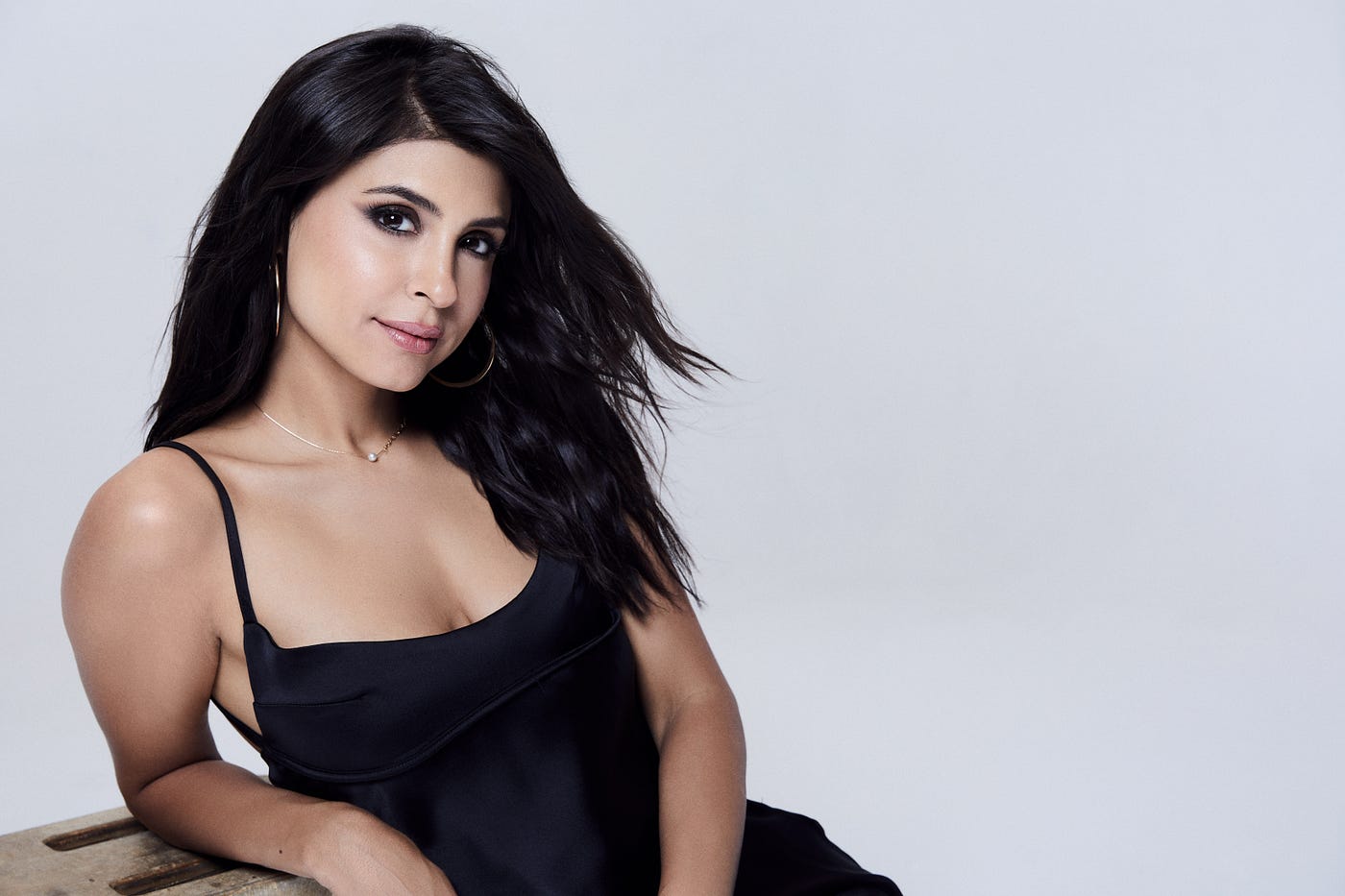
As a part of our series about stars who are making an important social impact, I had the pleasure of interviewing Lauren Minear.
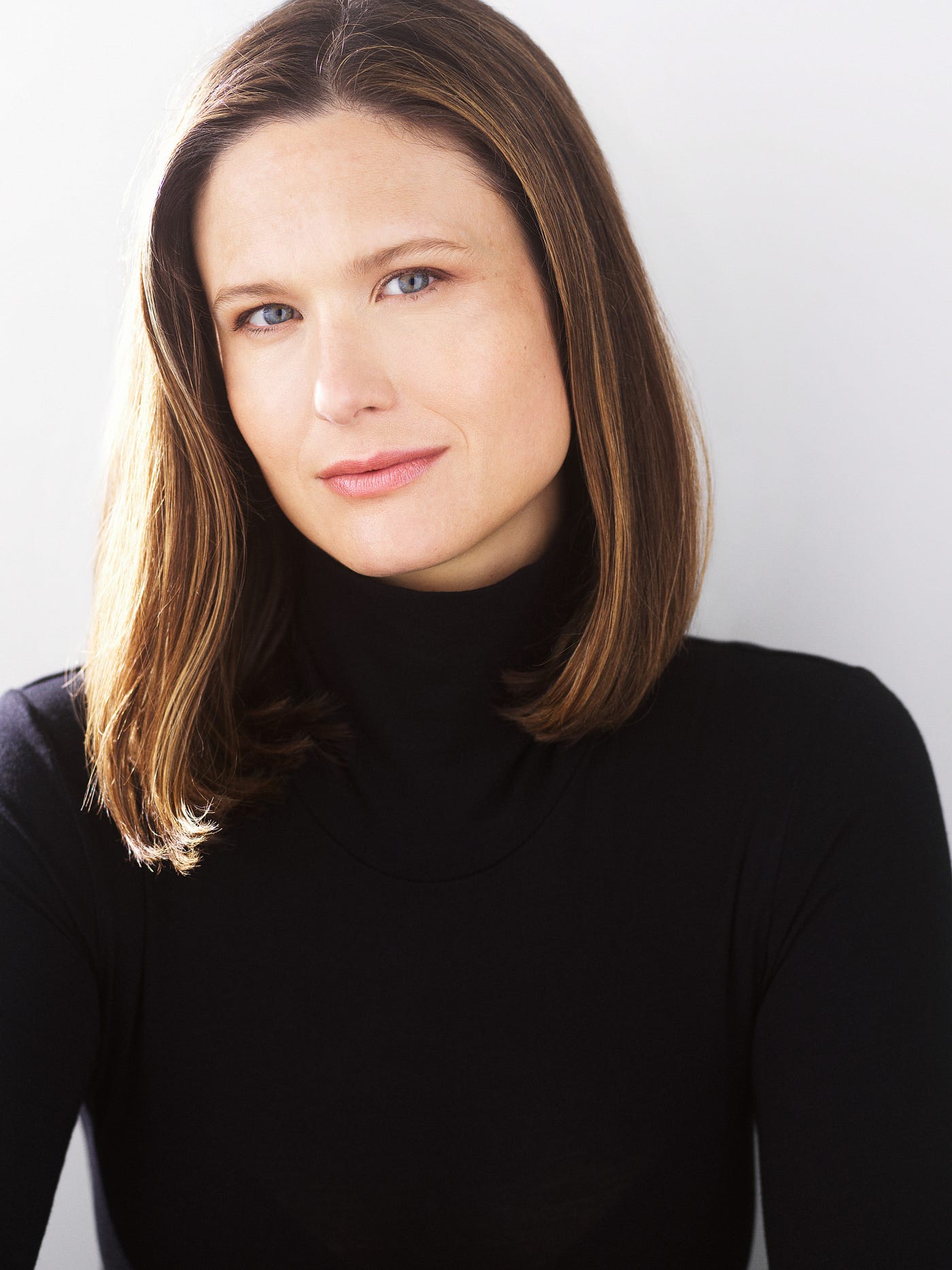
Lauren Minear is a Singer-Songwriter, Licensed Clinical Social Worker (LCSW), and Psychotherapist from Nashville, Tennessee, who currently resides in Westchester County, New York with her husband and two sons. She holds a BA in History from Yale University, an MSW from New York University, and a postgraduate clinical training certificate from WTCI, an intersectional feminist psychotherapy training institute in Manhattan. For the past two years, she focused on writing songs about her experiences and emotional challenges as a mother of young children during the pandemic. Her songs are heartfelt, emotional, raw, and brutally honest examinations of motherhood, marriage, and love through a unique lens of self-awareness cultivated through years of professional and personal work.
Thank you so much for joining us on this interview series. Can you share with us the backstory that led you to this career path?
Igrew up in Nashville — Music City — so I was lucky enough to be immersed in the musical world as a kid. Even my high school English teacher was a songwriter! He encouraged me to write my first song. I tried it and from that moment, I was hooked.
Growing up has its difficulties. For me, one of those difficulties was dealing with and overcoming an eating disorder. My own experience struggling with mental health inspired me to train as a therapist. I wanted to be able to help other people heal.
Like it did for everyone in the world, the pandemic came at the worst possible time for me. I had recently given birth to my second child and closed my private practice to relocate.
Unexpectedly, I found myself home with two small children in a new town, in quarantine, during the most tumultuous political and social climate in living memory. That postpartum period, while difficult, inspired me to think about how I could speak to a larger audience about healing.
There is a key issue that I am focused on right now; something that I have experienced myself and also seen in every one of psychotherapy clients who is struggling. It is the feeling that the enormous effort that you put into daily life goes unnoticed — a fundamental, frustrated desire to be seen and heard.
I wrote my album, Invisible Woman, to humanize and support this experience — specifically among mothers, but by extension, among all of us. I want my music to reaffirm our shared humanity.
It has been said that our mistakes can be our greatest teachers. Can you share a story about the funniest mistake you made when you were first starting? Can you tell us what lesson you learned from that?
When I was in my early twenties, working at an investment bank, I turned in a document with a gross formatting error. I believe it was a stray, bold, red line left in the middle of a page of something that I had turned into a client. An associate who I deeply respected pulled me into his office. He showed me the red line and he said, “you’re too smart for this”.
He was absolutely right. I wasn’t paying attention. I wasn’t doing my best work because I was in the wrong field. From that day on, I worked harder to deliver the job that he and my clients deserved, but I also started doing the more difficult internal work to figure out why I had forced myself into a career path that did not suit me.
Years later, I still think about that bold red line and the colleague who pointed it out to me. They nudged me forward on a path that led to where I am today.
What would you advise a young person who wants to emulate your success?
Trust the process. There were many times along my career path when I thought I had made a wrong turn, but in the end, everything tied together.
On paper, it looks like I have had several different careers. I’ve interned on Music Row, in public relations, worked in financial services, taught yoga, launched two small businesses, worked on an inpatient psychiatric unit, and built a private psychotherapy practice.
Each of these jobs has helped me build a highly unique skill set that qualifies me to do what I do today. I now feel confident in my writing, recording, and promotion of my own music — plus have the skills to be able to lead a team of other creatives.
It’s that classic thing. When you’re on the path you can’t always see where it is leading. But looking back, it now all makes sense as it was leading me to where I am today.
Is there a person that made a profound impact on your life? Can you share a story?
I was very fortunate to have a wonderful boss at my first job out of college. I worked on the Capital Markets desk at Societe Generale, an investment bank, and reported to Gail McDermott.
She is one of the most effective people I have ever worked for. She treated her team as human beings above all else and never let her ego get in her way. I have since learned how rare this quality is.
Gail supported me and nurtured my career for years. Ultimately, when I decided to leave the field, she enthusiastically wrote my recommendation letter for social work school.
She was kind, never micromanaged, she expressly discouraged “face time” at the office, and she took an interest in every one of her employee’s lives outside of the office.
I think about Gail often and strive to emulate her every time I am in a leadership position.
How are you using your success to bring goodness to the world? Can you share with us the meaningful or exciting causes you’re working on right now?
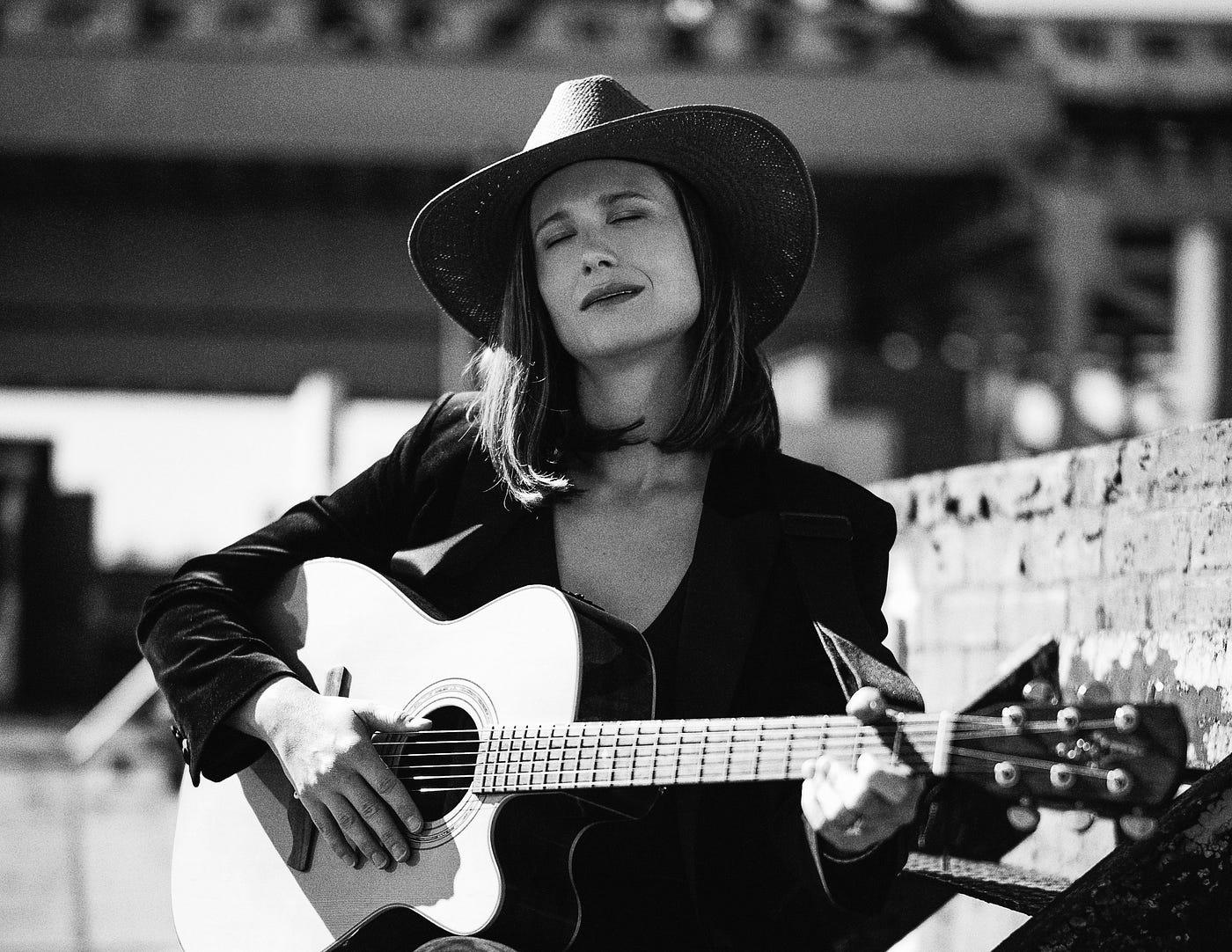
My music is an extension of my therapy work. When the right song finds the right person, it makes them feel seen. It supports their wellbeing. Additionally, creativity itself is a powerful adjunct to any treatment process.
My music career is in its startup phase right now but I have big plans to support womxn and mothers in the arts. For womxn in music, the choice between family and career is acute. Touring is impossible if you don’t have proper childcare and this deters so many talented people from pursuing careers in what they are passionate about. I also think that universal paid leave is a prerequisite for womxn and mothers to thrive.
Can you share with us a story behind why you chose to take up this particular cause?
I have been working with and studying womxn for most of my career, so when I struggled with postpartum depression, I felt called to combine my clinical expertise with my personal experience to shine a light on something that I know most people go through in isolation.
Can you share with us a story about a person who was impacted by your cause?
Recently, a woman at one of my shows came up to me afterwards and said that she “didn’t know [she] needed pandemic motherhood music” until she heard mine. She had also had a baby during the pandemic and struggled with the grief, loss, isolation, and anxiety that came with caring for a newborn and a toddler in quarantine. That, for me, is what this music is all about.
Are there three things or are there things that individuals, society, or the government can do to support you in this effort?
The pandemic highlighted some existing structural problems in American society. One in eight womxn struggle with postpartum depression (PPD). One in three screened positive for PPD during the first year of the pandemic. One third of the country can’t afford childcare. The US is the only developed country without paid leave for parents.
I hope that everyone reading this article keeps these issues in mind every time they visit the voting booth. I look and donate to organizations like Chamber of Mothers (@chamberofmothers), which formed out of the pandemic to educate and advocate for mothers’ rights.
What are your “5 things I wish someone told me when I first started”.
- Get clear on your “Why”.
- Know your weaknesses.
- Trust your gut.
- Perfectionism is procrastination.
- You can’t compare yourself to other artists.
You’re a person of enormous influence. If you could start a movement that would bring the most amount of good to the most amount of people, what would that be? You never know what your idea can trigger.
If I could wave my magic wand, I would make it possible for every person in the world to have one unadulterated hour per day to make art.
Can you please give us your favorite life lesson quote? And can you explain how that was relevant in your life?
“You can’t use up creativity. The more you use it the more you have”. — Maya Angelou
For many years, I struggled with perfectionism, thinking that any song I wrote needed to be great or I couldn’t call myself a songwriter. I’ve learned that the opposite is true. The more you write, the more you have to say.
We are blessed that some very prominent names in Business, VC funding, Sports, and Entertainment read this column. Is there a person in the world, or in the US with whom you would love to have a private breakfast or lunch, and why? He or she might just see this if we tag them.
Taylor Swift.
Thank you so much for these amazing insights. This was so inspiring, and we wish you continued success!