The number one thing that makes AWS stand out is that we truly believe that good intentions are not enough: we need mechanisms to get things done.
Tech
LaDavia Drane: The Principle of Radical Transparency and Accountability That Drives Diversity, Equity, and Inclusion at Amazon Web Services
The Global Head of Inclusion, Diversity and Equity at AWS shares how data, transparent mechanisms, and systemic support are transforming the tech landscape for women.
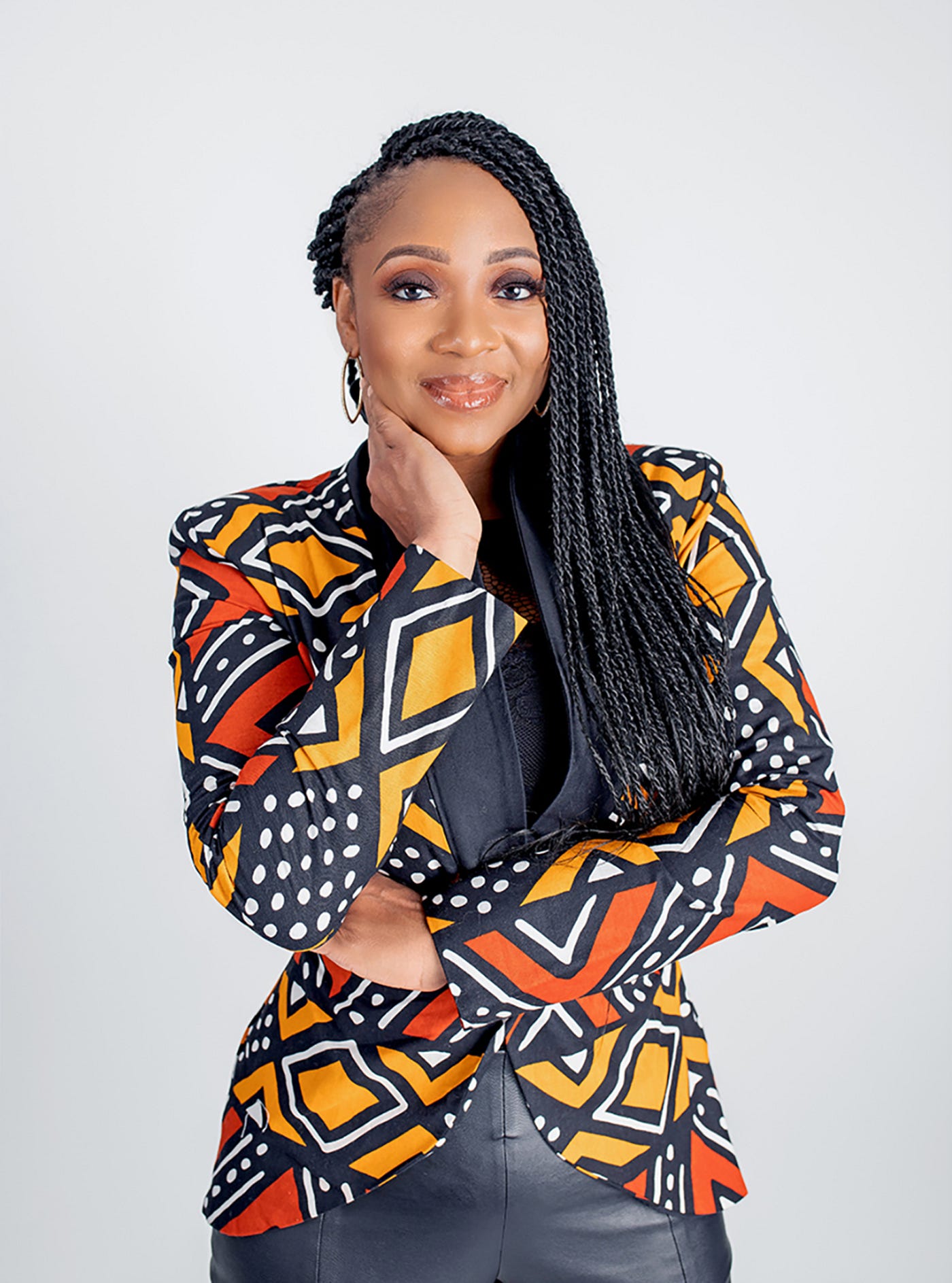
As a part of my series about “Lessons From Inspirational Women in STEM and Tech”, I had the pleasure of interviewing LaDavia Drane.
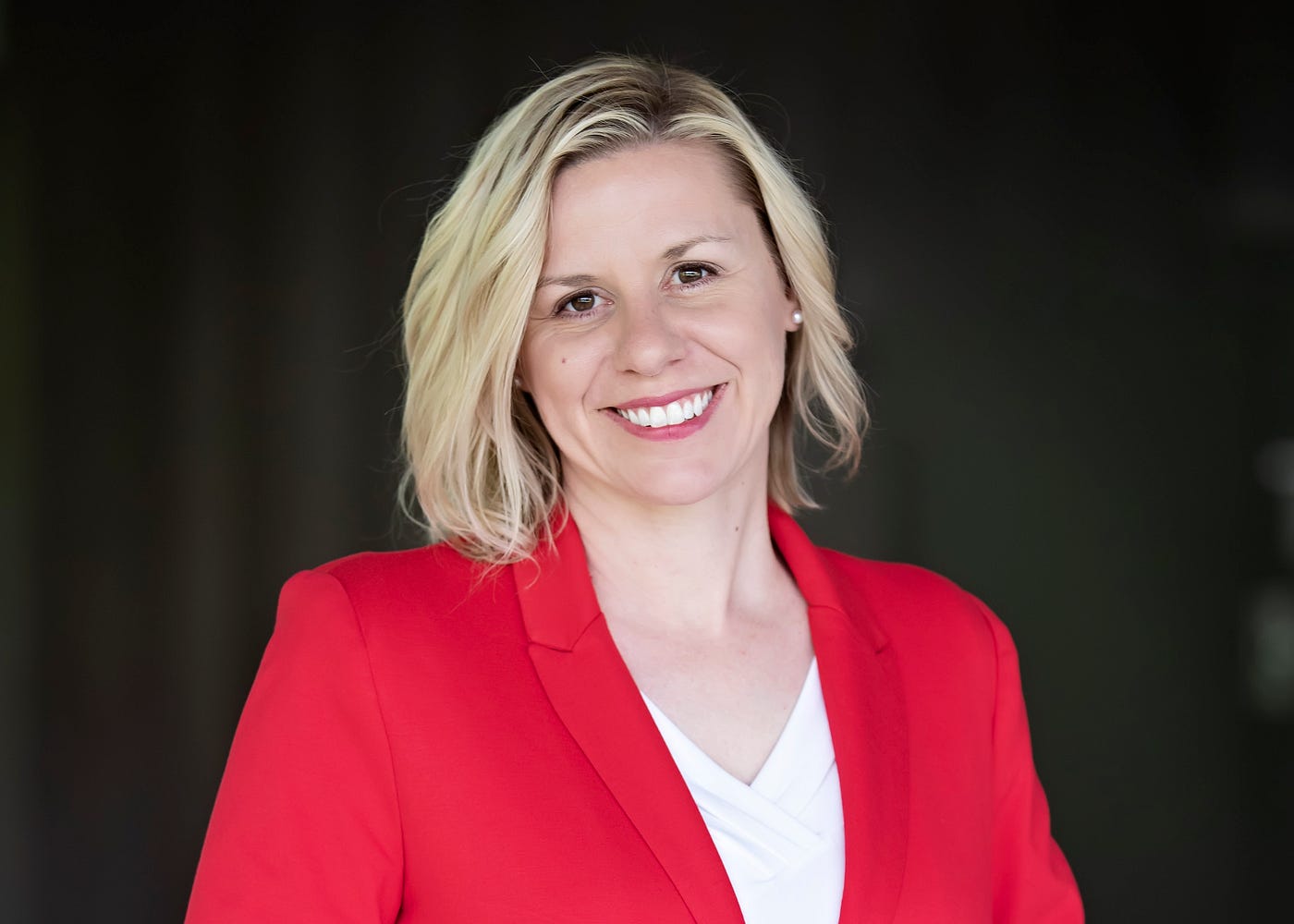
LaDavia Drane is a diversity, inclusion, and equity leader, who brings a unique policy perspective to her work. She has mastered the art of strategic alignment through national and international relationship management and coalition building.
LaDavia earned her B.S. in business from Miami University’s Farmer School of Business and her J.D. from Cleveland State University’s Cleveland-Marshall College of Law. LaDavia began her professional career as a law firm associate at Ulmer & Berne LLP in Cleveland and later moved to Washington, DC to launch a career in politics and policy. LaDavia has held several roles on Capitol Hill, including Chief of Staff, Legislative Director and Executive Director for the Congressional Black Caucus. LaDavia has also done a considerable amount of political work off the Hill in Washington, serving as the Director of Federal and Regional Affairs for DC Mayor Muriel Bowser and on Secretary Hillary Clinton’s 2016 presidential campaign as the Director of African American Outreach and Deputy Director of Congressional Affairs.
LaDavia’s career now centers on the intersection of diversity and technology, once serving as Amazon’s U.S. Public Policy Head of Diversity & Inclusion, and now serving as Amazon Web Service’s Global Head of Inclusion, Diversity and Equity.
Thank you so much for doing this with us! Can you tell us a story about what brought you to this specific career path?
I have always been incredibly passionate about leveling the playing field for women and girls. To tell you the truth, I’ve been on this career path since birth — I was born into it. There’s something about being born in the US as a minority. You may not always know that you’re navigating race and gender issues, but you’re doing it day one. I do have a specific moment I can speak to from college, though, where I found myself doing my first ever diversity work. My alma mater was running a campaign called “I am Miami” that essentially put only Black kids on their advertisements and marketing collateral to drive representation and to help increase the diversity of their student base. What they didn’t realize is that they were filling up the funnel but not taking steps to ensure Black students had the support network they needed in place when they arrived on campus. Student activists, myself included, rallied against the campaign. I was young and didn’t know exactly what I was doing then, but I knew this was not the right way to increase diversity — it was a performative action that could adversely impact students of color. After college, I went into politics but found that my job always tied back to diversity work, whether that was working for a member of Congress that served a diverse population, or working on the housing crisis that disproportionately affected communities of color. Every single legislative effort that I’ve led has always centered around fighting for people who don’t have a seat at the table and giving a voice to the voiceless. For the most part, the people I worked for were from diverse populations.
Can you share the most interesting story that happened to you since you began at your company?
The most interesting thing I’ve done since starting at Amazon Web Services (AWS) has been helping the company decide — at an incredibly high level — how we want to approach our work in inclusion, equity, and diversity following the murder of George Floyd. Other AWS leaders and I are currently in the process of defining and executing this work at this very moment. This work is hard, and it’s incredibly emotionally charged, but it’s unbelievably critical. That’s what keeps us going and why we feel so passionate about it.
What do you think makes your company stand out? Can you share a story?
The number one thing that makes AWS stand out is that we truly believe that good intentions are not enough: we need mechanisms to get things done. We really work hard to get to ground truth, and we are crazy innovative. If something is easy, we don’t do it — we tackle the hardest problems first. I truly think that every employee believes that if anyone can do it, AWS can. That’s what’s so amazing about this place. For example, take how we think about tracking data and measuring change around inclusion, equity, and diversity at AWS. We’ve really started thinking about it differently these past few years, and are working hard to ensure that our mechanisms foster full transparency and accountability. I know that the payoff will be huge, and very much worth the extra time and effort it takes to get things right.
Are you working on any exciting new projects now? How do you think that will help people?
One project that I’m incredibly excited and passionate about is AWS’s collaboration with Girls in Tech. AWS is going to support the Girls in Tech’s annual Digital Career Fair and its hackathon focused on creating real-world tech solutions powered by women. We are also going to support their Virtual Mentorship Program and their startup pitch competition — called AMPLIFY — that helps entrepreneurs with funding, mentorship, networking opportunities, and more. We are so thrilled to support them, too, as they continue to grow and expand and bring their programs to new parts of the world and new communities. Changing just one little girl’s world forever and helping her be whatever she wants to be — whether that’s a technologist, an engineer, or anything else — would make this all worth it.
Ok super. Thank you for all that. Let’s now shift to the main focus of our interview. Are you currently satisfied with the status quo regarding women in STEM? What specific changes do you think are needed to change the status quo?
We have made a lot of progress, but we have a very long way to go. Did you know that only 26% of the world’s computer scientists are women? That’s a number I hope will look very different in the years to come. I think that inspiring young women to pursue their STEM passions, and providing them with the proper tools, education and resources to do so, is critical to increasing the representation of women in technology. Then, it’s about fostering an inclusive culture at tech companies — one that makes working there seem appealing to women job seekers — followed by creating opportunities for mentorship, growth, and opportunity for women once they are there. These types of changes won’t happen overnight, but it’s encouraging to see so many companies, AWS included, taking meaningful action to increase the representation and retention of women in their workforces.
In your opinion, what are the biggest challenges faced by women in STEM or Tech that aren’t typically faced by their male counterparts? What would you suggest to address this?
There are numerous challenges unique to women in the workforce, but one I hear discussed a lot is related to parental duties. This problem, like many others, has only worsened during the COVID-19 pandemic. More than one in four women are contemplating downshifting their careers, or leaving the workforce completely, according to recent McKinsey research. Many institutions that parents rely on — from child care to school — were altered due to social distancing and health and safety guidelines. This has caused many to reconsider their career paths. The best way to avoid a potential mass exodus of this type of tech talent is to heavily invest in parental leave, flexible working models, mental health support, discounts for child care, and more. At Amazon, we focus on a culture of work-life balance and seek to create an environment that is good for parents from all backgrounds. To support parents, our parental leave benefits include pre-partum and post-partum leave. We also offer a Ramp Back Program, which allows for flexible time and a choice of part-time options when returning to work. Parental leave (including for adopting parents) can be taken in one continuous period, or split into two periods within one year of birth or adoption. We also offer a Leave Share program, whereby Amazonians can share their parental leave with a working spouse or partner whose employer does not provide paid parental leave. We believe it is business critical to support parents as they navigate these incredibly important moments in life, and it’s why we have and will continue to invest in these areas.
What are the “myths” that you would like to dispel about being a woman in STEM or Tech. Can you explain what you mean?
There is a myth that has persevered through time that I will never understand: that STEM or tech is for men and men alone, when in fact, some of the most brilliant math and scientific minds have belonged to women. Take Katherine Johnson, for instance, the NASA mathematician who used her skills to help get us to the moon. Or Rachel Carson, the environmental scientist who changed the world with “Silent Spring.” Rosalind Franklin famously helped discover the double-helix structure of DNA. I could go on. But the truth of the matter is that there are women out there now who are paving the way for the next generation of women technologists, mathematicians, and scientists, and I can’t wait to see the results.
What are your “5 Leadership Lessons I Learned From My Experience as a Woman in STEM or Tech” and why. (Please share a story or example for each.)
- You’re never the smartest one in the room. Regardless of your intelligence, experience, and insight, remember that others know things you don’t. We should never go into rooms thinking we are the smartest. If you think that, you might miss something incredible, or forget to make space for others and the unique knowledge and lived experiences they bring.
- It’s okay to “lead from behind.” The fact of the matter is that good managers push their people out front, and are comfortable letting them take the lead. I try to give other folks visibility and opportunity as much as humanly possible, and am really intentional about it. I make it my mission to “unblock and unlock” my team members so they can be the best versions of themselves and do their very best work.
- Ask questions — constantly. At Amazon, we have a Leadership Principle — one of our guiding tenets — called “Learn and Be Curious.” I find it’s critical to follow that to the letter, and one way to do so is to never be afraid to ask questions to dig deeper and understand better.
- Trust your team. Your team is there for a reason. They have good gut instincts, and you should lean into trusting them. It’ll save you precious time, and garner better results than if you’d tackled the issue solo.
- Feedback is a gift. Not everyone works at a data-driven company, but for those of us that do, we know that data, and the stories gleaned from data, are invaluable. Feedback of any kind, be it anecdotal or cold hard facts, can show us both our gaps and what we are doing well, so we can know where to double down.
What advice would you give to other women leaders to help their team to thrive?
I would tell women leaders to inspire their team members to think big and to not be afraid to fail. The best thing you can do for team members, especially women team members, is to actively support their ideas and encourage them to see them through. It’s possible that you’re the first person to push that person to pursue their dreams or that one idea that has been nagging at the back of their brain — and they won’t forget how it felt to get that encouragement from a leader or from someone they trust.
What advice would you give to other women leaders about the best way to manage a large team?
My advice is simple: lead with love. I try very hard every single day to do this myself. It is critical, especially during times like this, when people are struggling in a way we’ve never experienced before as a global community, to lead with compassion. The easiest way to make sure you are doing this is to always consider the person on the other end of the conversation and to ask yourself, “What might they be dealing with? What could they be going through?” I never start a call without first smiling, asking folks how they are doing, and maybe making a joke to keep things light and let people know they are in a safe, positive space. Always remember that we are each dealing with our own struggles that are rarely obvious to those around us. It will go an incredibly long way with your teammates and encourage them to do the same with their colleagues and direct reports.
None of us are able to achieve success without some help along the way. Is there a particular person who you are grateful towards who helped get you to where you are? Can you share a story about that?
Without a doubt, I owe a debt of gratitude to formally-U.S. Congresswoman and now-Secretary Marcia L. Fudge. She has been my longtime mentor and champion. Currently, Fudge is the United States Secretary of Housing and Urban Development, but some time ago, she was my boss on Capitol Hill. She has helped me throughout my career, step by step. She’s given me so many pieces of advice over the years, but one that I will never forget, and deploy often, is “never let them see you sweat.” I often find myself reflecting back on the first time she passed on that particular bit of wisdom. One day when I called her up in a huff, upset at something someone did — I felt attacked, I felt helpless, I needed support. She told me it’s invaluable to stay confident, calm, cool, and collected, never let them see anything different. With that advice, I’ve never again allowed anyone to shake me to the point where I can’t stand.
How have you used your success to bring goodness to the world?
I can only hope that I have used my success to bring goodness to the world! Regardless of how much I’ve personally contributed to this Earth, I’m not done yet and won’t be for a very, very long time. In fact, I’ve only just gotten started. My passion right now is leveraging technology for good, and I’ve just barely scratched the surface. I’m excited to see where that new interest takes me and the goodness I can contribute with it.
You are a person of enormous influence. If you could inspire a movement that would bring the most amount of good to the most amount of people, what would that be? You never know what your idea can trigger. :-)
There’s something to the idea that a small act of kindness can make the biggest impact. It causes a ripple effect that can effect lasting change. This concept really keeps me going in my work because it reminds me that even on days we don’t have a visible event like the March on Washington happening, progress is still being made. The movement I’d like to inspire is a day where every single person has to go out of their way to do something nice for someone else. It could be small: one person smiling at someone else, one person buying someone else a cup of coffee. Or, it could be slightly bigger: one person mentoring someone, or one person donating to a charity. I believe that these acts would continue on past that day, because once people see how big an impact their seemingly insignificant contributions can make, they tend to do it more and more.
Can you please give us your favorite “Life Lesson Quote”? Can you share how that was relevant to you in your life?
My favorite quote is and always will be this one by the incredible Martin Luther King, Jr.: “The ultimate measure of a man is not where he stands in moments of comfort and convenience, but where he stands at times of challenge and controversy.” This quote has inspired me in low moments, in times when I was frightened, and when I had doubts in myself. I vividly remember one day when it felt like the universe was testing me, and I leaned on this quote to get me through. Back during my public policy days, I was once fighting against a proposed cut to nutritional assistance in the US — to the tune of $40 billion — which would have been devastating to underrepresented communities. I found strength within myself to keep fighting, to the point where we literally had to fight to keep members of Congress on the House Floor to stop them from going home until we could persuade them to change their vote. We were ultimately successful, and the nutritional assistance programs were spared as a result. Thank you, Dr. King.
We are very blessed that very prominent leaders read this column. Is there a person in the world, or in the US with whom you would love to have a private breakfast or lunch with, and why? He or she might just see this if we tag them :-)
Right off the bat, the answer that comes to mind is the inimitable Oprah Winfrey. From her humble beginnings to her overwhelming success today, she has shown a level of perseverance and self-determination that is incredibly inspiring. And she loves people, all people. I’ve also found myself in awe of her philanthropic work, which has spanned decades and just seems to keep getting more and more impressive. I just bought her new book, What Happened to You, and can’t wait to dig in. I’d love to meet you, Oprah!
This was very meaningful, thank you so much. We wish you only continued success on your great work!
PB
Written by
Penny Bauder
Editor & Journalist · Authority MagazinePenny Bauder is a senior columnist at Authority Magazine covering Tech and Social Impact, conducting primary-source Q&A interviews with founders, executives, and industry leaders.

Published inAuthority MagazineTop Lessons, Top Authorities · 42K Followers
Exclusive, curated interviews with the leaders and changemakers shaping tomorrow. Leadership lessons, industry deep dives, and executive profiles.