Just because you think it, doesn’t make it true. I find people tend to believe their thoughts without question. People with eating disorders have many negative thoughts about themselves that go unexamined.
Eating disorders are complex mental health conditions that affect millions worldwide, transcending age, gender, and cultural boundaries. They are not simply about food but involve a range of psychological, physical, and social issues. Supporting a loved one through this struggle can be challenging, requiring understanding, patience, and knowledge of the right approaches to truly make a difference.
In this series, we aim to shed light on the most effective ways to offer support, understanding, and hope to those battling an eating disorder. We are talking to psychologists, nutritionists, doctors, therapists, and survivors, who can provide valuable perspectives on nurturing recovery, fostering resilience, and promoting healthy relationships with food and body image. As a part of this series, we had the pleasure of interviewing Kim McLaughlin.
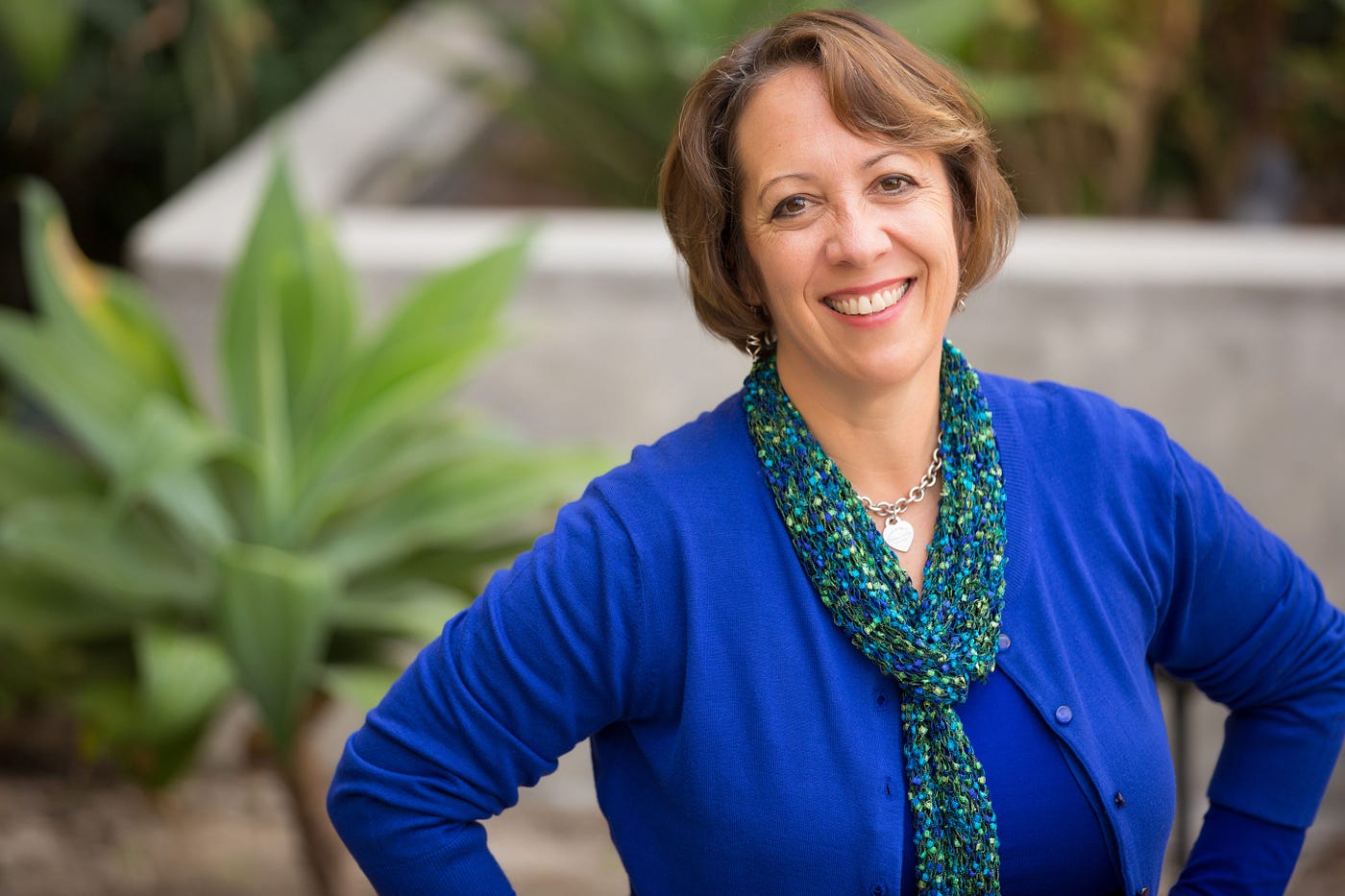
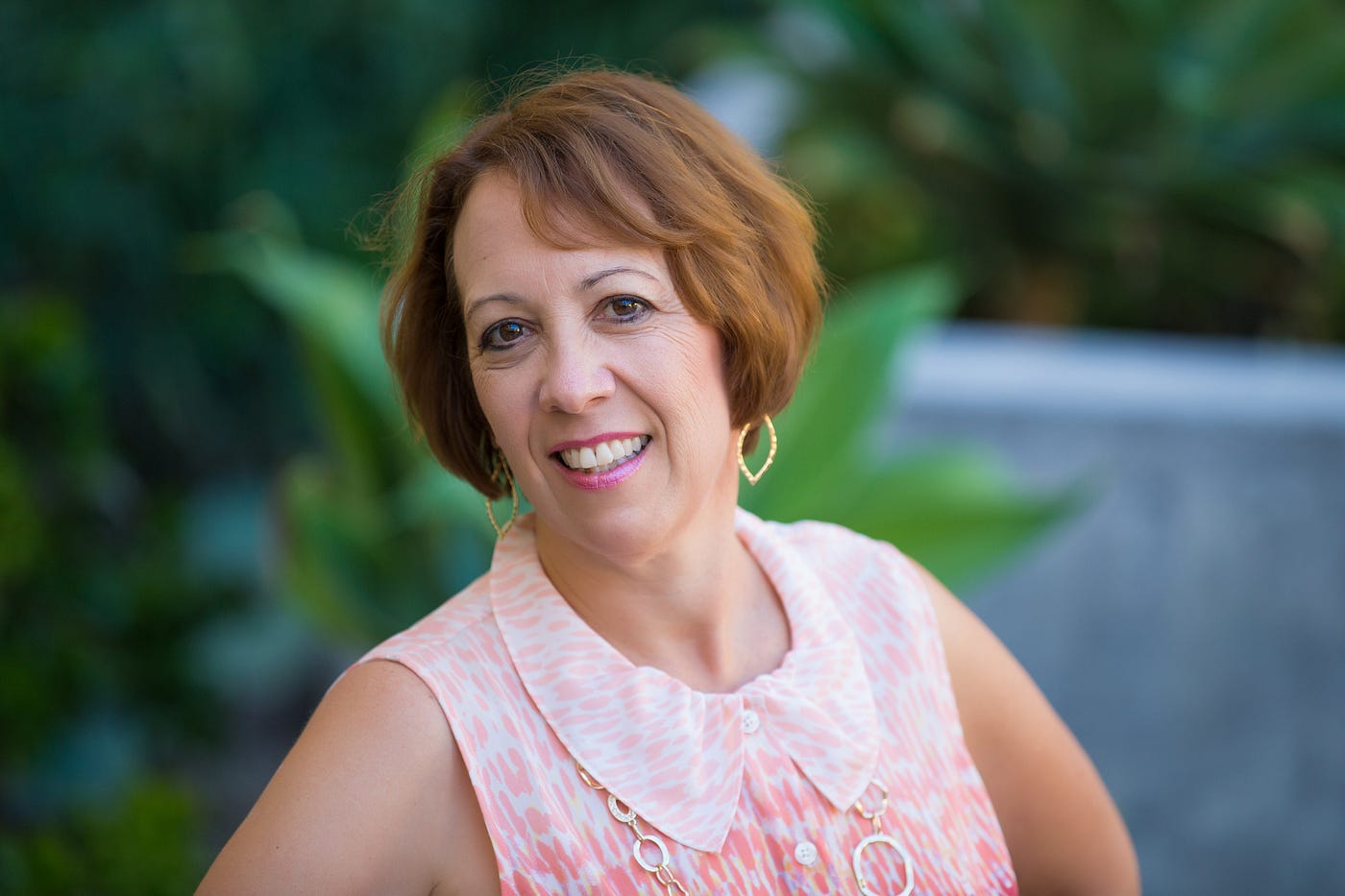
Kim McLaughlin is a licensed Marriage and Family Therapist in California. She is a speaker, blogger and podcaster. She is a certified Eating Disorders counselor and Intuitive Eating counselor. You can out more about Kim McLaughlin at https://feedyoursoultherapy.com/.
Thank you so much for joining us in this interview series. Before we dive into our discussion, our readers would love to “get to know you” a bit better. Can you share with us the backstory about what brought you to your specific career path?
Myfirst and only career is as a therapist. When I started out in college, I chose Developmental Psychology as my major, not really knowing what that meant or what I could do with it. In hindsight I can see that my schooling, internships, and employment have created this amazing career path.
In my early 20’s, fresh from getting my BA in Developmental Psychology, I worked at a residential home for emotionally disturbed kids and teens. I found the teens to be some of my greatest teachers. They challenged me in a way that helped me develop some of my most valued therapy skills.
My master’s degree in clinical psychology solidified my desire to be a therapist. I specialized for many years in adolescent therapy in out of home placement.
Now, I work as a therapist in private practice in California with people with various mental health issues. I specialize in working with people with eating disorders. I am currently expanding to use Brainspotting and Therapy Intensives.
I have been blessed to work with clients that have been willing to do the tough work and come out on the other side feeling better and being more functional in their lives.
Can you please give us your favorite “Life Lesson Quote”? Can you share how that was relevant to you in your life?
“Just because you think it, doesn’t make it true.”
I find people tend to believe their thoughts without question. People with eating disorders have many negative thoughts about themselves that go unexamined. Examining those negative thoughts (most of our thoughts are negative/condemning) are an important aspect of healing from eating disorders.
Are you working on any exciting new projects now? How do you think that will help people?
I am recording more episodes on my Feed Your Soul with Kim Podcast. We have a lot of episodes about intuitive eating, overeating, body image and diet culture. I am excited that we are expanding into more podcast episodes on emotional wellness using Positive Intelligence.
I am also added Brain spotting to my work and have found it a wonderful way to work through trauma and eating disorders.
According to this study cited by the National Association of Anorexia Nervosa and Associated Disorders, at least 30 million people in the U.S. of all ages and genders suffer from an eating disorder. Can you suggest 3–5 reasons why this has become such a critical issue recently?
1. Our society places a heavy emphasis on thinness as the ideal body standard, leading to constant pressure to lose weight and control food intake. The common expectation is you’re supposed to be thin, and that thinness is “healthy.” We know that people of various sizes have all kind of disorders, and larger bodies are not the only size to have physical disorders.
2. In responding to eating concerns, the socially accepted approach is dieting and food restriction. However, this can lead to a “boomerang effect,” where weight is initially lost but often regained, sometimes even more than before. This focus on controlling what we eat leads to a preoccupation with food, obsessing over portion sizes, types of food, and labeling foods as “good” or “bad.” When we are concerned about our weight and food deprivation is the only solution, we give in to restrictive eating plans/diets. This dieting cycle becomes harder and harder to break over time and there can be physical consequences to this behavior.
3. Mental health issues are common in our society and there is a lack of resources to address them. In our culture, there is mental health stigma which leads people to avoid seeking therapy and counseling.
In the end, people with mental health diagnoses such as anxiety, depression and eating disorders can go untreated due to mental health stigma, lack of access to therapists, financial concerns, or lack of insurance.
Another challenge to acknowledging mental health issues is our society tends to discourage addressing emotions directly. As a society, we are disconnected from how we are feeling and if we have the connection, we do not know what to do. Trauma can contribute to emotional dysregulation, increasing the risk of disordered eating.
4. People with eating disorders are less likely to go to see a medical doctor for fear of shaming. Patients are denied knee/hip replacement surgery (so they can be mobile) until they lose often a large amount of weight.
We see people who are told by their physician that whatever their physical problem might be- they should lose weight. Rather than understanding the person’s mental health issues, they are immediately told they need to lose weight by extreme methods: weight loss shot, pills or bariatric surgery.
We have lost touch with our bodies. We look outside to determine when we are hungry, when we are full, and what we need to eat for our bodies. Our society is very distracted. There is a lack of mindfulness and stillness. Intuitive eating is about getting back in touch with our bodies and the wisdom it possesses.
Based on your insight, what can concrete steps can a) individuals, b) corporations, c) communities and d) leaders do to address the core issues that are leading to this problem?
A) Individuals
1. Individuals can start by acknowledging that there is a Diet Culture. Noticing what diet culture means and that we are all responding to it. In the intuitive eating space, we call it dismantling diet culture. It takes concerted effort to notice when we are responding to diet culture. Really think about the concept that thinness equals health. Instead, we can focus on overall well-being, embracing body diversity, and advocating for balanced lifestyles that do not rely on restrictive dieting.
2. Utilize intuitive eating by focusing on how we were as children and place our attention on our bodies’ wisdom. Intuitive eating moves us back to listening to the body’s hunger and fullness cues rather than adhering to strict dieting rules.
3. Notice how much social media affects how you and others view the world. Social media is not going away, but we can be more discerning about how we interpret what we see. Seek out people who talk about intuitive eating, body positivity, and health at every size.
4. Seek mental health therapy or counseling when experiencing mental health issues: anxiety, depression and eating disorders.
B) Corporations
1. Corporations can institute employee Wellness Programs that offer mental health services and resources to create a workplace that does not promote weight loss as a path to well-being. Make sure there is a positive environment for mental health rather than a stigma through conversations about mental wellness.
2. Pivot from the thin-centric view of body sizing and promote messages that support different sizes. Check whether there is an unconscious bias towards people who are thin when hiring and promoting.
3. Ensure that furniture, tables, and seating cater to all body sizes. They can promote inclusivity rather than focusing on thinness as the norm.
4. Promote body diversity in film and television. Using models and influencers of all shapes, sizes, and ethnicities to represent real-world body diversity and combat unrealistic beauty standards.
C) Communities
1. Community organizations and schools can create educational campaigns to raise awareness about eating disorders, the harmful effects of diet culture, and the importance of body positivity.
2. Develop peer support groups/mentors where individuals can share experiences and build resilience against societal pressures around body image.
3. Improve access to mental health services, especially for the poor and underserved. Increase funding to mental health programs to provide affordable or free support for individuals and families.
4. Host events and programs focused on joyful movement, like yoga, dance, or walking groups, to shift the focus of exercise away from weight loss and toward well-being and connection.
D) Leaders
1. Leaders can advocate for public policies that improve mental health care access, and financial aid covering funding for therapy, counseling, and medical needs.
2. Advocate for schools to incorporate body image, joyful movement and mental health into curriculum, empowering kids to develop healthy relationships with their bodies.
By addressing these issues at multiple levels, we can shift societal perspectives and reduce the prevalence of eating disorders.
As you know, one of the challenges of an eating disorder is the harmful, and dismissive sentiment of “why can’t you just control yourself”. What do you think needs to be done to make it apparent that an eating disorder is an illness just like heart disease or schizophrenia?
Eating disorders, like schizophrenia and heart disease, have a biological, psychological, and social component.
Biologically, each has a genetic component and can run in families. Psychologically, they each are associated with other mental health factors. Socially, each has a history of stigma and public oppression.
Without treatment, eating disorder symptoms, like schizophrenia and heart disease, can progress over time. Each can cause long-term physical and psychological damage, if they are not addressed.
Comorbidity (the presence of 2 or more conditions) exists between eating disorder and other mental health conditions like anxiety, depression, obsessive-compulsive disorder or ADHD. There is a similar comorbidity with schizophrenia and substance use disorders and depression. Also, heart disease can coexist with depression and anxiety.
Thus, overlapping diagnoses make treatment complex, as it often involves addressing multiple interrelated mental and physical health issues.
We know environmental factors like stress, trauma, and lifestyle can intensify symptoms of both schizophrenia and heart disease. Eating disorders are also heavily influenced by societal pressures, stress, and trauma. Societal factors like body image ideals or personal trauma can act as triggers for disordered eating, just as stress or lifestyles can exacerbate schizophrenia and heart disease.
Eating disorders, like schizophrenia and heart disease, are often misunderstood by the public. People can view them as something the person brought on themselves and as a function of moral failing where they have not “tried hard enough” to get better. This stigma is in large part the reason people do not want to seek help.
Treating eating disorders often requires a multidisciplinary approach, including medical, psychological, and nutritional treatment. Similarly, management of schizophrenia or heart disease requires a combination of medication, mental health therapy, family and lifestyle changes.
Eating disorders, like schizophrenia and heart disease are treatable (there is hope) it needs understanding treatment providers to assist the person to get better.
Here is the main question of our interview. Can you please share with our readers 5 ways to support a loved one who is struggling with an eating disorder? If you can, can you share an example from your own experience?
1 . First, you do not have to respond perfectly to your loved one with an eating disorder each time. Give yourself grace to not respond and forgive yourself for what you might have said and done in the past.
You are probably scared your loved one might die or be incapacitated. Your fear makes sense. It is hard to support someone who has an eating disorder, especially when you do not understand it.
I have talked to many loved ones who genuinely feel great love but feel frustrated that the person is not stopping their behavior. I empathize with your situation, and I can honestly say that letting go of your anger can be so helpful to you and your loved one.
2 . Increase your constructive and positive communication skills.
This can be easier said than done when it is YOUR loved one that you must interact with. There are many communication skills that can help you.
Try to refrain from judgment and seek to understand where they are coming from.
Move away from questions and comments that are shaming such as:
- Why did you do that?
- Why don’t you stop?
- What is wrong with you?
- Just eat.
- Don’t eat.
Ask the person to help you understand where they are coming from. Let them tell you, not you tell them. A good question is, “I feel confused, can you help me understand.” When we seek to understand, we can then begin to come from a place of empathy for their situation.
Another great communication skill is active listening, where you listen deeply to what they say. It can be hard to listen when you feel frustrated, and active listening can help decrease the frustration.
3 . Seek support for yourself to understand how this is affecting you. It is hard to help someone who has an eating disorder. You have learned a lot from the world about food, weight, and the value of dieting, making it difficult to push aside the societal expectations.
Ask for referrals for a therapist or counselor who can support you in this process. They will be able to help you understand your feelings, thoughts, and reactions. The professional will be there for you, because when we have a loved one with an eating disorder it seems all the focus is on them. You can also be suffering and deserve a place to feel better.
4 . Encourage your loved one to seek qualified professional help: a therapist or counselor who is specially trained to work with people with eating disorders.
This suggestion should come from a place of love. Tell them you love them and are concerned about them.
If the person is talking about the problem, you can suggest they might want to talk to a professional about it. This can be a slow process, and they might say no. That is ok, this is on their timetable, not yours.
If the person says no, I encourage a family member to contact a mental health counselor or therapist who specializes in eating disorders to consult with. When I, as the therapist, get these types of calls from loved ones, I listen to their situation and give them some non-shaming language to use to encourage the person to make the call.
5 . Seek out support groups that offer education about eating disorders. Group members can provide their personal experiences about how they handled situations that may spark ideas for you. You can feel isolated being around a loved one with an eating disorder, so seek out others who are trying to eat through an intuitive eating and body positive lens.
How do you navigate the balance between offering support and respecting the autonomy of a loved one with an eating disorder?
There are different ways to respond to a person with an eating disorder based on what the eating disorder is and how it is affecting their lives. There can be situations where the person is truly in a life-or-death situation where you must work with treatment professionals to determine boundaries, and to take appropriate and immediate action.
When the eating disorder is not an immediate life-or-death situation, it is important to determine when you offer support, when you need to give the person the space to make their own decisions and when you must set firm limits. Determining when you offer support and when you respect their autonomy can be something you bring to your own mental health professional or treatment group.
Is there a message you would like to tell someone who may be reading this, who is currently struggling with an eating disorder?
I want anyone with an eating disorder reading this to know there is hope and there is help. Dealing with eating disorders is complicated, and you might feel out of control. The first step is to admit there is a problem and to ask for help.
I know from experience that the eating disorder can be treated.
In your experience, what are the most effective strategies for building resilience and a positive self-image in individuals recovering from an eating disorder?
Resilience and positive self-image can be built in many ways for people with an eating disorder.
- Recognize and challenge negative thoughts. There are negative thoughts that you repeatedly tell yourself. They are not helpful and are damaging. Start by noticing your thoughts, and if they are negative (trust me most of them are) ask yourself if they are true. If you drill down the thoughts enough, I know you will find they are often not true.
- Spend time in quiet meditation, which helps calm your mind and your body. There are many meditation methods available on the internet and various apps.
- Tell yourself what you like about yourself. What are your positive attributes? If you cannot think of any then ask others to tell you what they think they are. When they tell you, believe them.
- Watch a comedy, laugh. Eating disorders is a challenge. We eat at multiple times a day, which means you face this problem daily. Laughing just makes us feel better and you deserve that.
What are your favorite books, podcasts, or resources that have helped people with this struggle? Can you explain why you like them?
- The starting spot is the book Intuitive Eating by Evelyn Tribole, MS, RDN and Elyse Resch, MS, RDN. This book is foundational and will help you understand many facets of your eating disorder. Intuitive eating with help you reject the dieting mindset, honor your hunger, and make peace with food.
- The Feed Your Soul with Kim Podcast is the place where I talk about disordered eating from a physical, emotional, mental, lifestyle, mindfulness, and self-love framework. We embrace Intuitive Eating principles and wellness. You can find my podcast on your favorite podcast station.
- Ragen Chastain in her Weight and Healthcare Newsletter covers varied topics on eating disorders, working with the medical field, and weight stigma. She talks about the research and gives examples of how to manage the medical system.
You are a person of great influence. If you could inspire a movement that would bring the most amount of good to the largest amount of people, what would that be? You never know what your idea can trigger. :-)
I think action taking is underrated. Moving into action can have a positive snowball effect on your life.
We have talked about many ideas to help you and your loved one. I encourage you to do at least one thing differently.
- Get the book Intuitive Eating and read it.
- Forgive yourself for what you might have said to your loved one.
- Learn and practice better communication skills.
- Recognize and challenge negative thoughts.
- Seek support for yourself.
Doing something different can lead to a different experience, see what happens!
How can our readers continue to follow your work online?
They can learn more about Kim McLaughlin, LMFT at https://feedyoursoultherapy.com/binge-eating-counseling/
Thank you so much for these insights! This was so inspiring!