We’re thrilled that people might learn more about kratom, what it is, and how to use it safely (if interested).
As a part of our series called “My Life as a TwentySomething Founder”, I had the pleasure of interviewing Kemal Whyte.
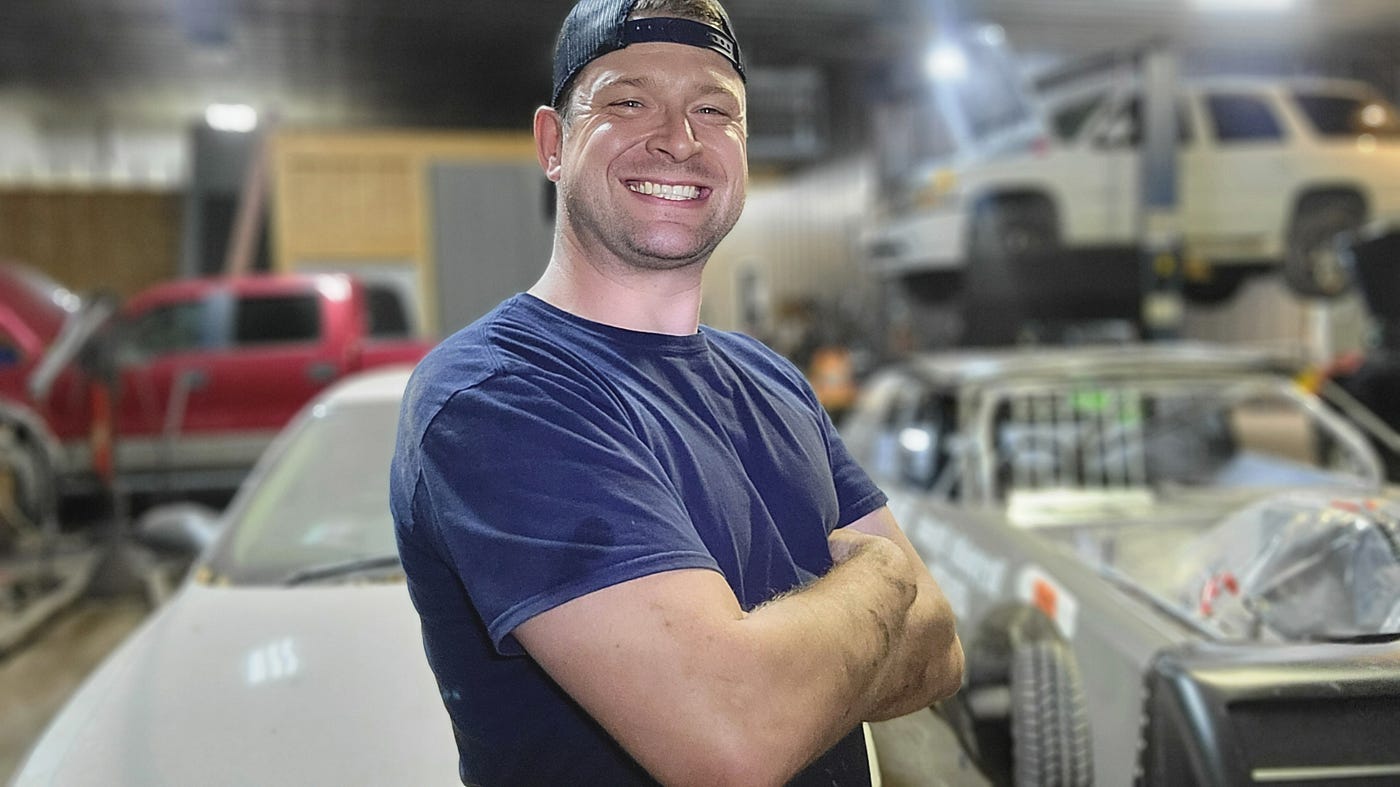
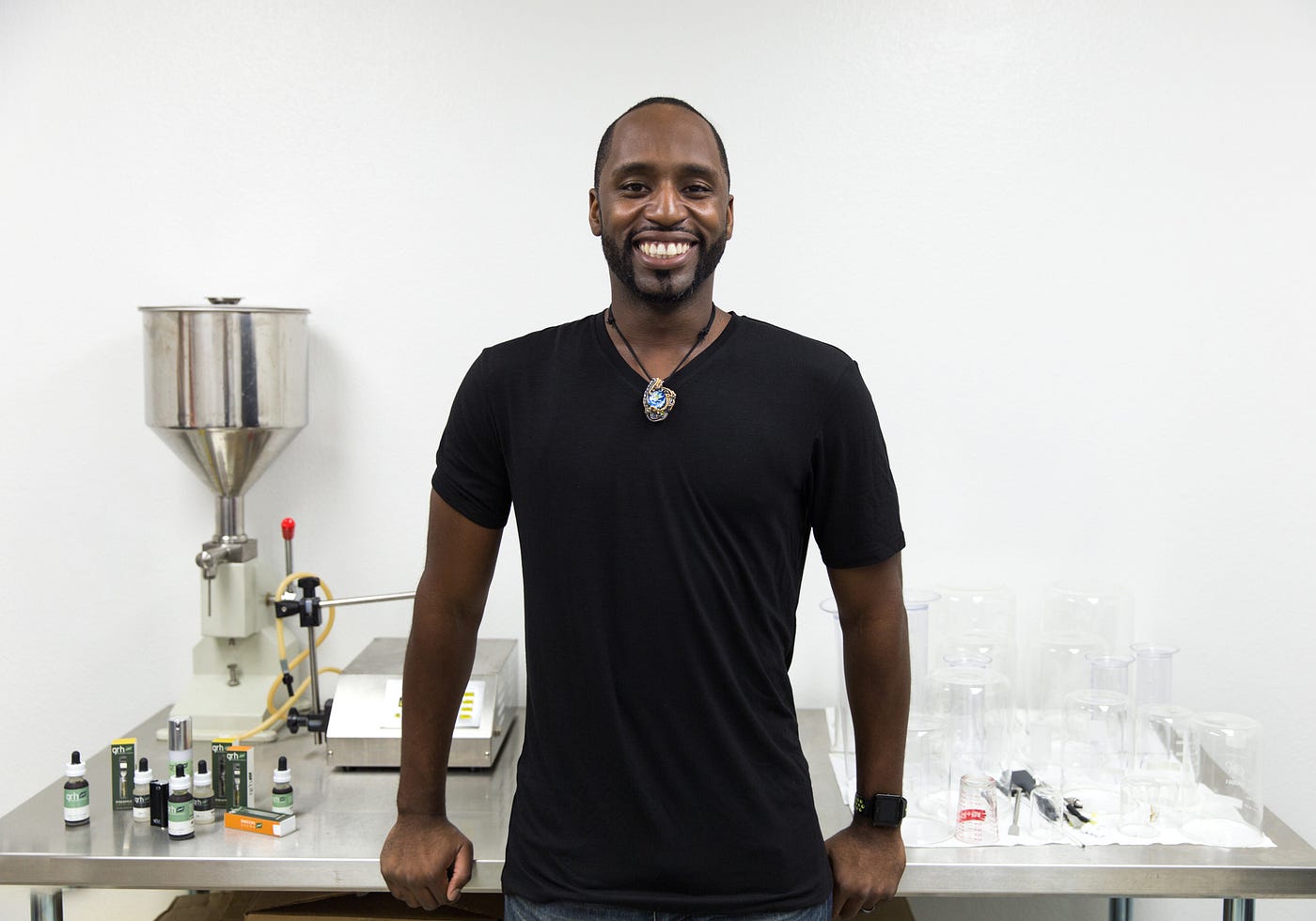
Kemal Whyte is the owner/founder/CEO of several businesses in Austin, TX, including Grassroots Harvest and GRH Kratom. An avid entrepreneur and ideas man, Kemal has slowly built a wellness empire on the foundations he began to craft in his early twenties. The recipe to Kemal’s success? Creativity + Grit.
Thank you so much for joining us in this interview series! What is your "backstory"?
I was born & raised in Jamaica, eventually immigrating to the U.S. when I was eleven years old. As I learned about my new home and assimilated somewhat to my surroundings, I held on to a lot of what I learned growing up in Jamaica- the appreciation of & interest in natural / alternative wellness definitely stems from there. I went through school, graduated from college (shoutout Virginia Tech!) and started working. After a pretty poor experience in the work industry, I decided I wanted to be fully in control of the money I earned. That’s when I started toying with the idea of starting my own business, and it didn’t take long from there for me to materialize my dream. Now I’m the CEO/Founder of three successful businesses in Austin.
Can you share the funniest or most interesting story that happened to you since you started your company? What lessons or takeaways did you take out of that story?
One of my earlier business ventures is still going strong today, a chain of smoke & vape shops in Austin, TX. As the smoke shops grew, I was able to utilize my ability to craft and formulate products for our business. This allowed me to sell new products in a retail setting and grow profit from there as there was no middle man involved. Eventually, our products were discovered by other companies and we started to manufacture white label products, and eventually an entire line, for a business we were very close with that had major distribution. During that period we assisted them in scaling up their offerings, helped them build volume and movement, and more. Then came a turning point. They decided to double down on their own products instead of ours. We had two options- either 1. let them sell the company we’d helped them create, and hope the buyers would still want us to be involved, or we could take a risk and purchase the company ourself. We took the risk, and built out a sales system that hadn’t previously existed, as we were exclusively retail & manufacturing. We entered the wholesale side of things with gusto and grew the company to where it is now.
My advice? Put in the effort, and trust yourself. Learn what you need in order to survive, then put it into action.
What do you think makes your company stand out? Can you share a story?
There are several things that set us apart from the competition, but the first things that come to mind are our emphasis on innovation & quality, the drive to solve problems that might otherwise go ignored, and our focus on education.
We are very active in the content & blog space, pushing out new information all the time in the hopes of keeping consumers informed. The best way to be safe when using products in our industry is by knowing what to look for, and what to look out for. Even if it’s not always the most profitable venture, it’s important to us to continue to be a source of information. We’re fairly restricted in what we can and cannot say due to industry regulations, but we do our best to share our knowledge.
For example, our blogs are some of the top ranking pages for many different queries about ‘kratom’. We’re thrilled that people might learn more about kratom, what it is, and how to use it safely (if interested). However, our blogs aren’t a major source of income for us, but it’s worth keeping it going, as long as it’s helping someone.
None of us are able to achieve success without some help along the way. Is there a particular person who you are grateful towards who helped get you to where you are? Can you share a story?
There are so many people in my life that have helped me get to where I am today, but someone who stands out is my friend and fellow businessman, Winston. Often in business, you can find yourself in a sort of echo chamber, surrounded by people who are on a similar trajectory as you. Every so often, you find someone who understands not only your goals but your limitations, and they can become a proper sounding board for ideas. Winston is that guy for me. He’s able to offer sound advice without sparing my feelings too much, and has been such a valuable mentor when troubleshooting and brainstorming. Suddenly, processes that could’ve taken weeks happen in a matter of days, all the while being guided in the direction I really want to go in.
Recently, he and I were discussing the role I should play in my businesses as CEO- where my true value lies. Not in the administrative tasks that can eat up so much time, but rather in making those Big Picture decisions to help our company succeed at a higher level.
Are you working on any exciting projects now?
Yes. Several. Manufacturing a very high quality product for a well-known company that we hope will change the kratom space for the time to come.
Yes, as a matter of fact we have several big projects in the works right now. I won’t give too much away, but we’re in the beginning stages of manufacturing a very high-quality product for a well-known company. We hope it will shake up the kratom space when it launches.
How have you used your success to bring goodness to the world?
Each and every product I’ve been involved in creating is made with the intention of helping and improving the lives of our customers.
It’s also a mission of mine to share information about not only the industries we work in, but also about the entrepreneurial journey in general. If someone approaches me, I’m always happy to put my brainpower towards helping them succeed.
Do you have a favorite book that made a deep impact on your life? Can you share a story?
A recent one that really stands out is ‘The E-Myth Revisited’ by Michael Gerber. That book helped me recognize the difference between a small business and McDonald’s- namely, systems. The systems that are in place to allow for repeatable success. For a long time, I solved each problem as it arose, rather than structuring an environment / company where steps are easily repeatable to solve problems (they are inevitable, after all).
This book really helped me appreciate why things are done a certain way, the specific reasons behind repetition and familiarity, and then how to integrate the concepts as much as possible into my own businesses. There’s a stigma around corporate America, but they’re successful for a reason. How can we take the best parts, while still keeping a human touch? I’ve found that’s the important question to ask.
Can you share 5 of the most difficult and most rewarding parts of being a “TwentySomething founder”. Please share an example or story for each.
1 . It’s a real luxury being able to control your own schedule. It allows for flexibility and time to be there for important family occasions, to work when you’re most efficient, and more. However, there is a downside- you are fully reliant on yourself to set your pace. There’s no one managing you, which means it’s all on you. There’s no one to stop you from procrastinating, and that has caught up with me once or twice.
2 . One of the great things about being a young business founder is that you get to experience the compound value of your actions. The earlier you start building something great, the more benefit it has for you over time. If you start in your twenties, you’ll get far more value at thirty, forty, and fifty than if you’d started later on. An example of this in my case is my ability to handle crises. I started dealing with big business problems early on, and now I don’t overreact when things start happening. I’m used to wrenches being thrown into plans, and now I can adapt with (relative) ease.
3 . It’s challenging, but learning how to build a team of likeminded individuals is one of the most rewarding lessons for a twentysomething founder. It’s almost like crafting a sports team, where everyone needs to work together to accomplish mutual goals. You’re the boss, you choose who you spend time with and who to keep on your team. Learning early on how to best choose those people is a great skill. When I was first starting out I perhaps didn’t use the best judgement in this regard, and now I’m happy to say I’ve gotten much better at assessing who should and shouldn’t be involved.
4 . An important thing to consider is the need to reinvest in your company, versus being able to live your wildest dreams. We took over a Vape Shop space from an owner who was taking all the profits home, rather than reinvesting in their business. Because they lacked inventory and weren’t able to adapt to market changes, fewer and fewer customers came in. We made sacrifices early on in order to expand inventory and get to a stable footing, then we built out from there. You need capital to fix mistakes that are bound to arise in the early days of owning a business, make sure you save some!
5 . Being a young business founder means giving up a lot of your twenties to work. You have to sacrifice some of the experiences of that independent adult phase, where you’re having fun and legally drinking. Instead, you’re working and putting the hours in. What you’re doing is for a purpose, and it’s a sensible thing to do, but it can be a downer sometimes watching your peers live a very different life than you.
What are the main takeaways that you would advise a twenty year old who is looking to found a business?
Find a mentor early and don’t just have one. You need people to learn from and run ideas by. Don’t do it in a vacuum, it’ll limit your growth unless you’re a genius- and few of us truly are.
We are very blessed that some of the biggest names in Business, VC funding, Sports, and Entertainment read this column. Is there a person in the world, or in the US whom you would love to have a private breakfast or lunch with, and why? He or she might see this. 😊
Alex Hormozi - he’s a forward thinking entrepreneur who understands how to build a personal brand. He knows his value as a speaker and person trumps more than pretty much anything else. What I’ve learned following him is- Be consistent, build exposure, come up with action steps, and enact them.
What is the best way our readers can follow you on social media?
https://www.tiktok.com/@mrwhytefromjamrock?lang=en
https://www.facebook.com/kemal.whyte
This was very inspiring. Thank you so much for joining us!
About the Interviewer: Douglas E. Noll, JD, MA was born nearly blind, crippled with club feet, partially deaf, and left-handed. He overcame all of these obstacles to become a successful civil trial lawyer. In 2000, he abandoned his law practice to become a peacemaker. His calling is to serve humanity, and he executes his calling at many levels. He is an award-winning author, teacher, and trainer. He is a highly experienced mediator. Doug’s work carries him from international work to helping people resolve deep interpersonal and ideological conflicts. Doug teaches his innovative de-escalation skill that calms any angry person in 90 seconds or less. With Laurel Kaufer, Doug founded Prison of Peace in 2009. The Prison of Peace project trains life and long terms incarcerated people to be powerful peacemakers and mediators. He has been deeply moved by inmates who have learned and applied deep, empathic listening skills, leadership skills, and problem-solving skills to reduce violence in their prison communities. Their dedication to learning, improving, and serving their communities motivates him to expand the principles of Prison of Peace so that every human wanting to learn the skills of peace may do so. Doug’s awards include California Lawyer Magazine Lawyer of the Year, Best Lawyers in America Lawyer of the Year, Purpose Prize Fellow, International Academy of Mediators Syd Leezak Award of Excellence, National Academy of Distinguished Neutrals Neutral of the Year. His four books have won a number of awards and commendations. Doug’s podcast, Listen With Leaders, is now accepting guests. Click on this link to learn more and apply.