The quote, ‘Life is 10% what happens to us and 90% how we react to it,’ by Charles R. Swindoll, has had a profound impact on my life.
Wellness
Kelci Jager of ‘RISE with grief’: Inside the Strategy to Rebuild Life After Dramatic Loss and Brain Tumor Trauma
The world seems to be reeling from one crisis to another. We’ve experienced a global pandemic, economic uncertainty, political and social turmoil. Then there are personal traumas that people are dealing with, such as the loss of a loved one, health issues, unemployment, divorce or the loss of a job.
Coping with change can be traumatic as it often affects every part of our lives.
How do you deal with loss or change in your life? What coping strategies can you use? Do you ignore them and just push through, or do you use specific techniques?
In this series called “5 Things You Need To Heal After a Dramatic Loss Or Life Change” we are interviewing successful people who were able to heal after a difficult life change such as the loss of a loved one, loss of a job, or other personal hardships. We are also talking to Wellness experts, Therapists, and Mental Health Professionals who can share lessons from their experience and research.
As a part of this interview series, I had the pleasure of interviewing Kelci Jager.
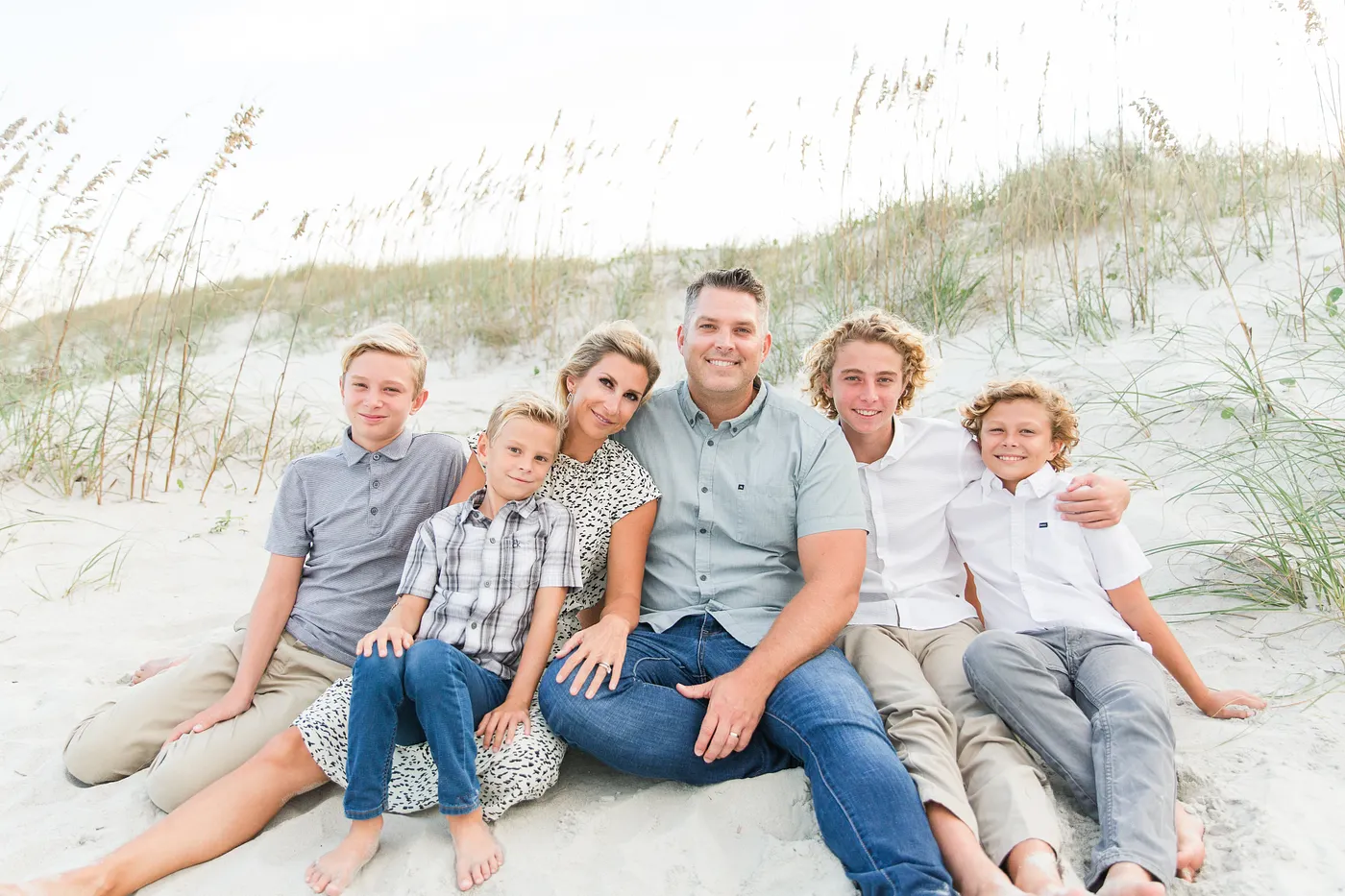
Kelci Jager is a certified life coach, grief educator, and registered nurse. She founded the company RISE with grief, to provide support and guide others on their grief journey. Her professional experience combined with personal experience of being a widow and single mom of four boys gives her a strong foundation and unique perspective on grief & healing.
Thank you so much for doing this with us! Before we start, our readers would love to “get to know you” a bit better. Can you tell us a bit about your childhood backstory?
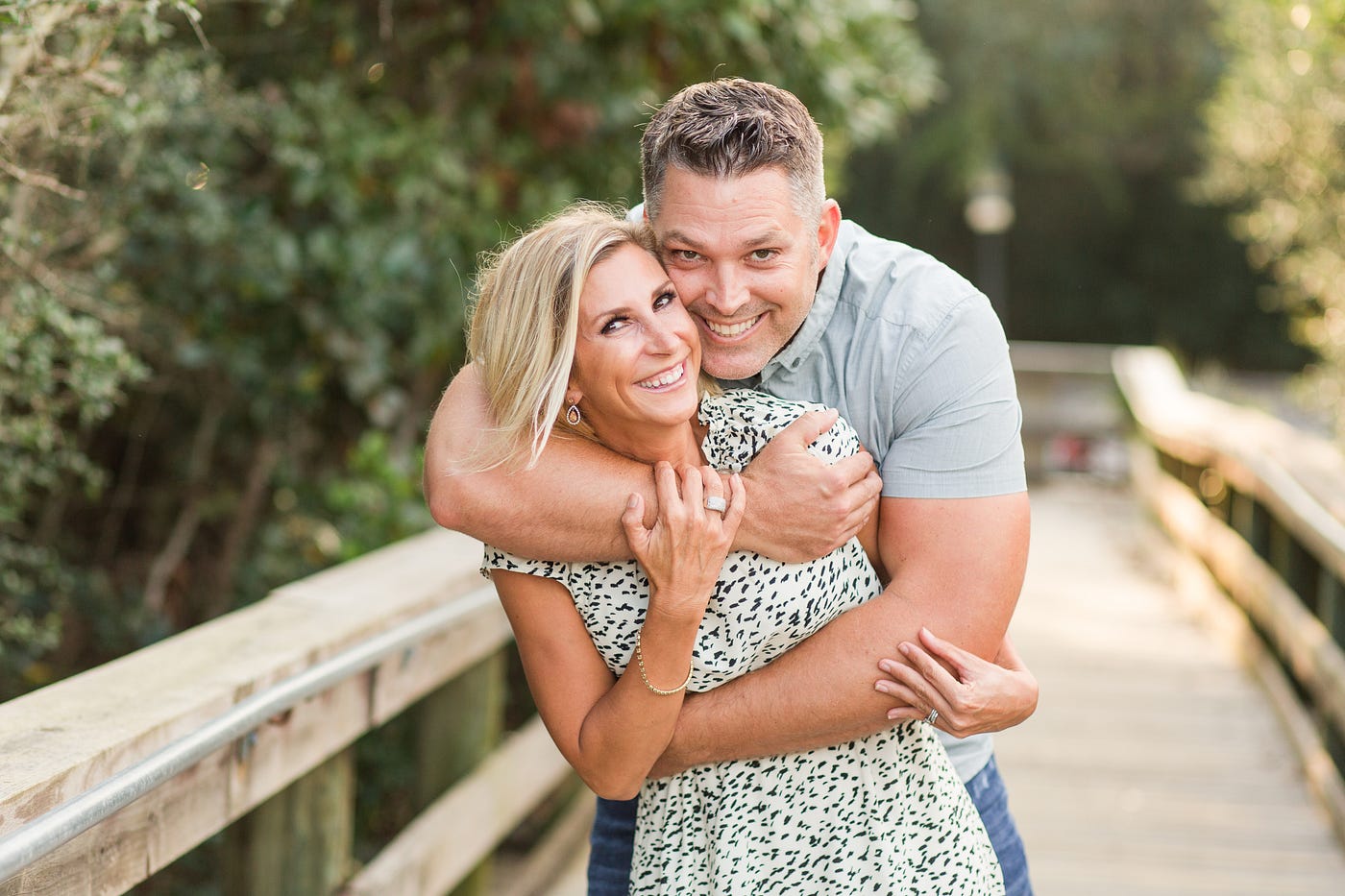
I grew up on the beaches of Southern California, and I went to Nursing School at San Diego State University. This is where I met my husband Collin, I was 20 years old the first time I laid eyes on him, and he instantly captured my attention. We had both attended a social gathering for young adults, and I noticed him from across the room. I was smitten, he was tall, dark, and handsome. After our first date, we were inseparable.
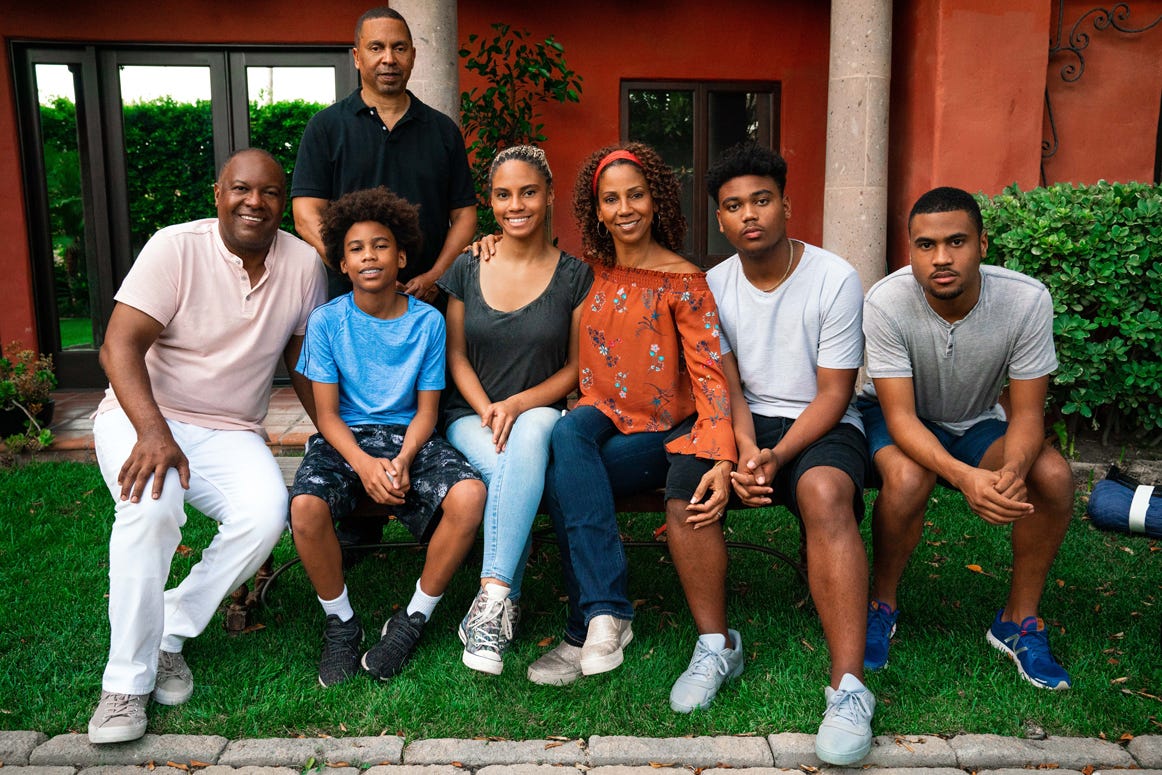
After a few years of dating, we were married in June 2003. At 21 and 23 years old, we were just kids, but we wanted nothing more than to build a beautiful life together, and that we did. Collin and I were blessed with four incredible sons Ian (19), Lucah (17), Elijah (14), and Maddox (10).
Can you please give us your favorite “Life Lesson Quote”? Can you share how that was relevant to you in your life?
The quote, “Life is 10% what happens to us and 90% how we react to it,” by Charles R. Swindoll, has had a profound impact on my life. As I mentioned, Collin and I created a beautiful life. But that does not discount that we have faced our fair share of trials and experiences that have tested us both individually and as a couple.
One significant moment was when our oldest son Ian was just 4 months old, and he nearly lost his life due to a rare condition that caused inflammation and swelling of his blood vessels, which leads to heart complications. This was a traumatic and unexpected event that could have easily overwhelmed us. However, even though we were young parents, we chose to react with resilience and strength. We supported each other emotionally, remained flexible in the face of uncertainty, and took each step as it came. This experience taught us the importance of maintaining a healthy perspective on life and focusing on our reactions to adversity.
In our marriage, like any other, we encountered our fair share of difficulties. Instead of dwelling on the problems themselves, we focused on how we reacted to them. We learned that communication, empathy, and understanding were essential components to our perspective. By choosing to react positively and proactively to the challenges that arose, we were able to strengthen our bond and navigate the complexities of married life. Life has a way of throwing unexpected curveballs at us, no human is immune from them. We can, however, control how we react in these moments.
You have been blessed with much success. In your opinion, what are the top three qualities that you possess that have helped you accomplish so much? If you can, please share a story or example for each.
One of the foremost qualities that have contributed to my accomplishments is not being afraid to dream big. I passionately believe that setting ambitious goals is the first step toward achieving them. I remember when Collin and I first envisioned launching our own business. It seemed like a monumental task, but together we dared to dream, and we set our sights high. This vision fueled our determination and gave us the motivation to work tirelessly towards making it a reality. We were able to create multiple businesses following this same framework.
Another crucial quality I possess is my commitment to not only work hard, but also play hard. I firmly believe in the importance of finding balance in life. It is easy to get consumed by work, but it is equally essential to carve out time for relaxation, family, and personal interests. As a mother and a wife, it is easy to neglect myself and always put everyone else’s needs before my own. But learned quick that I can’t pour from an empty vessel, and selfcare is not selfish. In fact, selfcare is essential for to be the best wife and mother possible.
The third quality I would say is embracing discomfort; to get comfortable with being uncomfortable. Life is filled with challenges, setbacks, and uncomfortable moments and using these opportunities for growth is a quality I hold dear. In both my personal and professional life, I have encountered countless situations that pushed me out of my comfort zone. It is in those moments when we are pushed beyond familiar boundaries that growth and improvement occur. Remaining stagnant has never been my choice; I have always embraced the principle of physics that asserts an object in motion, stays in motion. It has consistently guided my approach to life. Occasionally, my progress slows down, but if I maintain forward momentum, I believe everything will be okay.
Let’s now shift to the main part of our discussion about ‘Healing after Loss’. Do you feel comfortable sharing with our readers about your dramatic loss or life change?
Yes of course, let me back up in the story a little. In 2019, Collin and I felt a prompting to move across the country to Florida. This was confusing as we lived in a safe little bubble near most of our family and friends and had no previous desire to leave. However, the pull was undeniably so strong that we decided to take a leap of faith and make the move. We were terrified and everyone told us we were nuts (and honestly, we kind of agreed with them), but we were committed to our decision.
Just three short months after we relocated our family to Florida, COVID-19 shut down the world. Then in August 2020, our two oldest sons Ian and Lucah were involved in a motor vehicle accident. They were both injured, Lucah required multiple surgeries and endured months of pain and physical rehab. Our other son, Ian sustained a head injury in the accident. While in the emergency room, the doctor ordered a head CT scan to investigate the extent of his injuries. It was at that time that we discovered Ian had a 2-inch tumor growing in his brain. You can imagine the shock and overwhelm our family felt during this time. A highly skilled pediatric neurosurgeon was called in, and he performed surgery on Ian’s brain. He successfully removed the entire tumor. We had to wait two weeks for the pathology results to inform us if the tumor was cancer. After two extremely long weeks the oncologist called me and said, “Mrs. Jager, all tests on the brain tumor have come to the same conclusion. The brain tumor is benign!” When I heard these words, I dropped to my knees and wept!
These extremely difficult things happened one right after another. After successfully enduring them, I was feeling confident in my ability to do hard things. Then life said, “Hold my beer.”
Just 4 months after the accident another curve ball was thrown our way. On January 2, 2021 Collin started to feel unwell, and he ended up getting admitted to the hospital. After 10 days of extensive testing Collin was diagnosed with acute lymphoblastic leukemia, an aggressive form of blood cancer that carried a very poor prognosis. It was at this time that I went into a complete tailspin. The anguish consumed me, and I sunk into the deepest darkest hole I had ever been in my entire life. I had PTSD from the events that had recently happened with my kids, and I saw no light, only darkness. I was so frustrated with God, and as hard as I tried not to be, I was so angry at Him. Hadn’t our family been through enough? Why was He allowing all these terrible things to happen to us?
I was in complete despair, trying to be strong on my own, but I was not strong. Trying to take control of a situation I had no control of; I poured my heart and soul out to God, begging and pleading for my husband’s life to be spared. Collin began the arduous cancer treatments; the side effects were brutal and almost took his life, but the treatments were working, and it was successfully killing the cancer. His life was spared many times, and we saw many miracles. But it seemed that every miracle was followed by a major setback. This experience was extremely exhausting mentally, emotionally, physically, and spiritually. It was during this time that I learned, I could endure pain and still find joy in the journey. This is when I became better and not bitter. Our family motto became, “look for the light.” Because even on the darkest of days, there were still things to be grateful for, and that light snuffed out the darkness. Eventually my husband’s body could not handle anymore and after 19 months of intense battling, Collin passed away on July 14th, 2022, at the young age of 40 years.
What was the scariest part of that event? What did you think was the worst thing that could happen to you?
For sure the darkest moment was when Collin was diagnosed with leukemia. Up until that point our family had faced a series of incredibly challenging events, but the leukemia diagnosis felt like the ultimate blow. The moment when I thought things could not get any worse, it did. I could not help but think that this was the worst possible thing that could happen to us. The scariest part was not just the physical toll of the cancer treatments, which were brutal, but the emotional and spiritual toll it took on me and our family. The uncertainty, the constant rollercoaster of hope and despair, the feeling of being utterly out of control — it was all incredibly frightening.
I felt a profound sense of helplessness and despair, and the difference between this situation and all the other horrible things was, this time I did not have Collin as my rock. It felt like life was piling on more than we could bear, and I was overwhelmed by the fear of losing the one person who could comfort me during this time and tell me everything was going to be okay: my husband, my partner, the father of our children.
How did you react in the short term?
In the short term, I experienced an overwhelming and deeply emotional reaction. I felt as though my world had been shattered, and I did not know how to process the magnitude of what was happening. Initially, I was overwhelmed by a torrent of emotions, including anger, frustration, and deep sadness. I questioned why our family had to endure yet another immense challenge after already facing so much adversity. It felt like an unjust and unbearable burden.
Collin’s diagnosis prompted me to question my faith and spirituality. I struggled to reconcile the suffering we were enduring with my beliefs. I grappled with feelings of abandonment and confusion, wondering why God would allow such hardship to befall us. The weight of the diagnosis and the subsequent emotional turmoil left me feeling emotionally drained and overwhelmed. My nervous system was in overdrive and as a protective mechanism it started shutting down emotionally, I was becoming a mere shell of the person I once was. It was challenging to find the strength to cope with the situation.
After the dust settled, what coping mechanisms did you use?
Collin’s diagnosis represented a profound turning point in my life, and it took time for me to process the emotions and come to terms with the reality of our situation. After the initial shock and emotional turmoil following Collin’s diagnosis, I gradually began to employ coping mechanisms that helped me navigate the challenging journey we were on. Despite my initial crisis of faith, I turned to spirituality as a source of solace and strength. I poured my heart and soul into prayers, seeking guidance and comfort from a higher power. This connection provided a sense of hope and resilience during the most challenging times. In addition, I adopted a motto, “look for the light,” which has become a guiding principle on this journey. I actively searched for moments of positivity, gratitude, and joy, even during the darkest days. This approach helped me tremendously. Collin’s cancer treatments were grueling, with life threatening side effects. Despite the setbacks and the rollercoaster of ups and downs, I learned to endure pain and maintain resilience. This resilience allowed me to continue supporting Collin and our family.
Can you share with us how you were eventually able to heal and “let go” of the negative aspects of that event?
Eventually my husband’s body could not handle anymore and after 19 months of intense battling, Collin passed away on July 14th, 2022, at the young age of 40 years.
I am still very much in the midst of grieving the loss of my sweet husband and the father of my children. I miss Collin with every fiber of my being, and I will not deny that there are moments when the pain feels nearly unbearable. It is a pain that can steal my breath and at times if I allow it, it steals my joy.
I grieve not only the loss of Collin but also the life we once had together, as well as the future that was unexpectedly taken from us. The road of grief is a challenging one, and there are times when it can feel like an insurmountable journey. However, I have come to understand that healing in grief is not a destination; it is a process, a journey that unfolds gradually.
Grief does not come with an expiration date, and it is not something you can simply let go of or get over. Instead, it is something you learn to accept by integrating the loss, the love, and the cherished memories into your life. I have found that amid this journey, I still have a life to live, and that realization has become a source of strength.
Every day, I continue to fight through the pain, and I rise with my grief.
In my own grief journey, I found writing to be cathartic. Did you engage in any writing during that time, such as journaling, poetry, or writing letters? If yes, we’d love to hear about any stories or examples.
Yes, during that challenging time, I turned to writing as a form of therapy. I began keeping a journal where I documented the events unfolding in our lives, but it served a dual purpose as a space for me to process my thoughts, feelings, and emotions.
One of the reasons I found writing to be so therapeutic was because it provided an outlet for me to express what I was experiencing, especially the intense emotions that were difficult to share with Collin. I wanted to be a source of strength for him and our children, and I did not want to burden him with my own struggles. Writing allowed me to be honest with myself and explore the depths of my grief and fear.
In addition to journaling, I also started sharing our story on social media platforms. To my surprise, our story resonated with thousands of people who were either going through similar challenges or who simply empathized with the hardships we were facing. The support and connection I received from this online community has been a source of comfort during some of the darkest days.
Through writing, I not only found solace in expressing my innermost thoughts but also discovered the power of storytelling in connecting with others and building a network of support. It was a reminder that, even during profound grief and adversity, we are never truly alone, and our stories can inspire and touch the lives of others who are on their own journeys of healing and resilience.
Aside from letting go, what did you do to create an internal, emotional shift to feel better?
Aside from the processes I explained earlier there are several strategies and practices that have helped me create an internal, emotional shift towards feeling better. I learned to set realistic expectations for myself and acknowledge that healing is not a linear process. There will be good days and bad days, and at times I have moments that seem like setbacks, and that is okay. In addition, I remain open to the love and support of friends and family. Accepting help and allowing others to be there for me has been an essential practice. In grief we need community, and we need connection. Also, I have learned that there are a range of complex emotions that come up in grief. And it has been imperative to learn how to find balance and emotional resilience, while carrying the weight of his loss and finding moments of light and hope. Collin’s memory lives on in my heart, and I honor him by embracing life’s challenges and joys with resilience, understanding that healing is a process, and I will continue to carry him and his legacy throughout my life.
Were you able to eventually reframe the consequences and turn it into a positive situation? Can you explain how you did that?
Initially, I acknowledged that I could not face the overwhelming grief alone. I reached out to professionals, family, and friends for support. Their guidance and empathy provided me with the foundation to begin healing. I started to see a gradual shift and change, and I craved more. So, I delved into extensive research and reading on the subject of grief. This not only helped me understand the complexities of grief but also empowered me with knowledge on how to cope and heal. I took grief courses and even pursued certification as a life coach, not with the intention of becoming a grief coach myself, but to gain insights into how to heal and grow personally. This educational journey was driven by my deep desire to understand and navigate my grief. I made the conscious choice to share my healing journey with others through social media.
By opening up about my experiences, I connected with thousands of individuals who were also struggling with their grief. This act of vulnerability not only helped me, but it has also inspired others to seek emotional healing and personal growth. Through this process, I realized that it was my calling to share my story and help others who were suffering from grief transform their lives while reclaiming their joy. It became clear that I had a purpose in guiding others through their own grief journeys. This is how my company and coaching program RISE with grief was born.
I am still a work in progress, my healing journey will never be over. But by reframing the consequences of Collin’s passing in this way, I not only found healing and personal growth for myself but also discovered a purpose in helping others navigate their grief and transform their lives.
Top of Form
What did you learn about yourself from this very difficult experience? Can you please explain with a story or example?
Let me give you a specific example of one of many impactful connections I have made through this journey. One day, I received a message from a grieving mother, she was dealing with overwhelming grief after losing her child and she felt completely alone. I responded to her message and offered support and empathy. We started exchanging messages and sharing our experiences. As our communications continued, I realized the power of empathy and the impact it could have on someone’s grief journey. I recognized that while I was still healing, I had the capacity to offer support and understanding to others in their time of need. The pain of loss remains a part of my story, but it has become intertwined with a narrative of empathy, support, and the capacity to inspire positive change in the lives of those who are grieving.
Top of Form
Fantastic. Here is the main question of our interview. Based on your experiences and knowledge, what advice would you give others to help them get through a difficult life challenge? What are your “5 Things You Need To Heal After a Dramatic Loss Or Life Change?
Rising with grief is a challenging process that involves acknowledging and working through the intense emotions associated with loss. Grief is a natural response to losing someone or something important to us, and it can be a complex journey that varies from person to person. Even though it seems overwhelming, there are steps you can take to navigate through grief and gradually rise above it:
- Allow yourself to feel: It is essential to acknowledge and honor your emotions. Allow yourself to experience the range of feelings that come with grief, such as sadness, anger, guilt, or confusion. It is okay to cry, express your emotions, and give yourself permission to grieve without any judgment. It is okay to not be okay.
- Seek support: Surround yourself with supportive and understanding people. Reach out to friends, family, or support groups who can offer comfort and companionship during this difficult time. Sharing your thoughts and feelings can provide solace and help you realize you are not alone in your journey.
- Take care of yourself: Grief can take a toll on your physical and emotional well-being. It’s crucial to prioritize self-care activities that promote healing. Maintain a healthy routine by eating well, exercising, and getting enough rest. Engage in activities you enjoy, such as hobbies, reading, or spending time in nature, to provide moments of respite.
- Embrace your grief journey: Grief is not a linear process, and it can take time to heal. Understand that everyone’s journey is unique, so move at your own pace and be patient with yourself. There is no right or wrong way to grieve. Additionally, remember to allow for joy and healing. While grief can be overwhelming, it does not mean you have to abandon joy or happiness entirely. Even amidst the pain, allow yourself to experience moments of joy. Celebrate the cherished memories you shared with your loved one and find gratitude for the positive aspects of your life.
- Find meaning and purpose: As you progress through the grieving process, you may find solace in seeking meaning or purpose in your experience. This can involve finding ways to honor the memory of your loved one, engaging in acts of kindness or charitable work, or pursuing personal growth and self-discovery.
When we allow ourselves to fully experience grief, we open ourselves up to the depth of our emotions and vulnerabilities. It requires surrendering to the process, being patient with ourselves as we navigate the waves of grief, summoning courage to face the pain, and ultimately trusting that we will emerge stronger on the other side.
Rising with grief doesn’t mean that we forget or stop missing what or who we have lost. The goal is not to “get over” grief, but to find a way to carry it with us while still living a fulfilling and meaningful life. We can find a way to integrate the loss into our lives and allow ourselves to heal and grow despite it. It is through this ongoing process of rising with grief that we can find healing, growth, and a deeper appreciation for the love and connection we shared with our loved ones.
You are a person of great influence. If you could inspire a movement that would bring the most amount of good to the most amount of people, what would that be?
If I could inspire a movement that would bring the most amount of good to the most amount of people, it would revolve around the concept of “Compassionate Connection.” This movement would be rooted in fostering empathy, understanding, and meaningful connections among individuals and communities. In today’s world we have so much conflict and confusion, often this overshadows the fact that there is much compassion and love. I would want to focus on compassion and love as the driving forces behind this movement, those emotions have the potential to transform relationships, communities, and the world at large. By nurturing empathy, understanding, and meaningful connections, we can bridge divides, reduce conflict, and promote a more harmonious and compassionate society. This movement would serve as a powerful catalyst for positive change in the world.
How can our readers further follow your work online?
Readers interested in following my work and connecting further can find me online at the following platforms:
Website: risewithgrief.com
Facebook: facebook.com/kelci.calljager
Instagram: instagram.com/jager.strong/
For direct inquiries and communication, you can reach out to me via email at kelci@risewithgrief.com.
I look forward to connecting with and providing support to those who are navigating their own grief journeys and seeking inspiration for healing and growth.
Thank you so much for sharing these important insights. We wish you continued success and good health!
AM
Written by
Authority Magazine Editorial Staff
Editorial Desk · Authority MagazineThe Authority Magazine Editorial Desk produces, verifies, and edits long-form primary-source interviews with executives, innovators, clinicians, creators, and social impact leaders across Business, Tech, Pop Culture, Wellness, and Social Impact.

Published inAuthority MagazineTop Lessons, Top Authorities · 42K Followers
Exclusive, curated interviews with the leaders and changemakers shaping tomorrow. Leadership lessons, industry deep dives, and executive profiles.