As the CEO of Neolth, I made a commitment to prioritize impact over ‘growth at all costs’. It’s an against the grain decision that investors don’t always understand, but is starting to pay off.
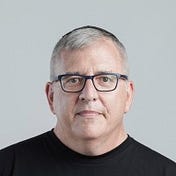
In recent years, big tech has gotten a bad rap. But of course many tech companies are doing important work making monumental positive changes to society, health, and the environment. To highlight these, we started a new interview series about "Technology Making An Important Positive Social Impact”. We are interviewing leaders of tech companies who are creating or have created a tech product that is helping to make a positive change in people’s lives or the environment. As part of the series, I had the pleasure of interviewing Dr. Katherine Grill.
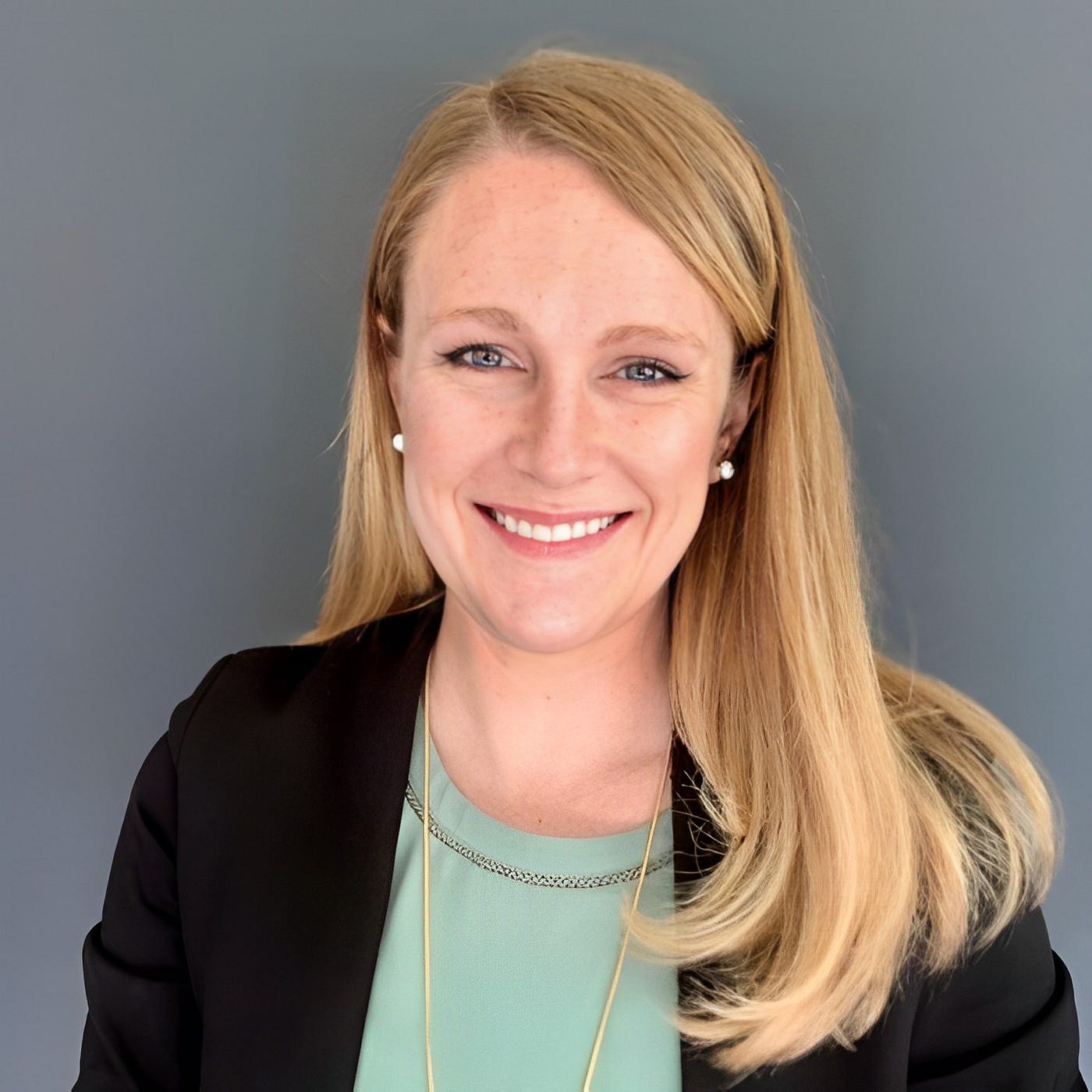
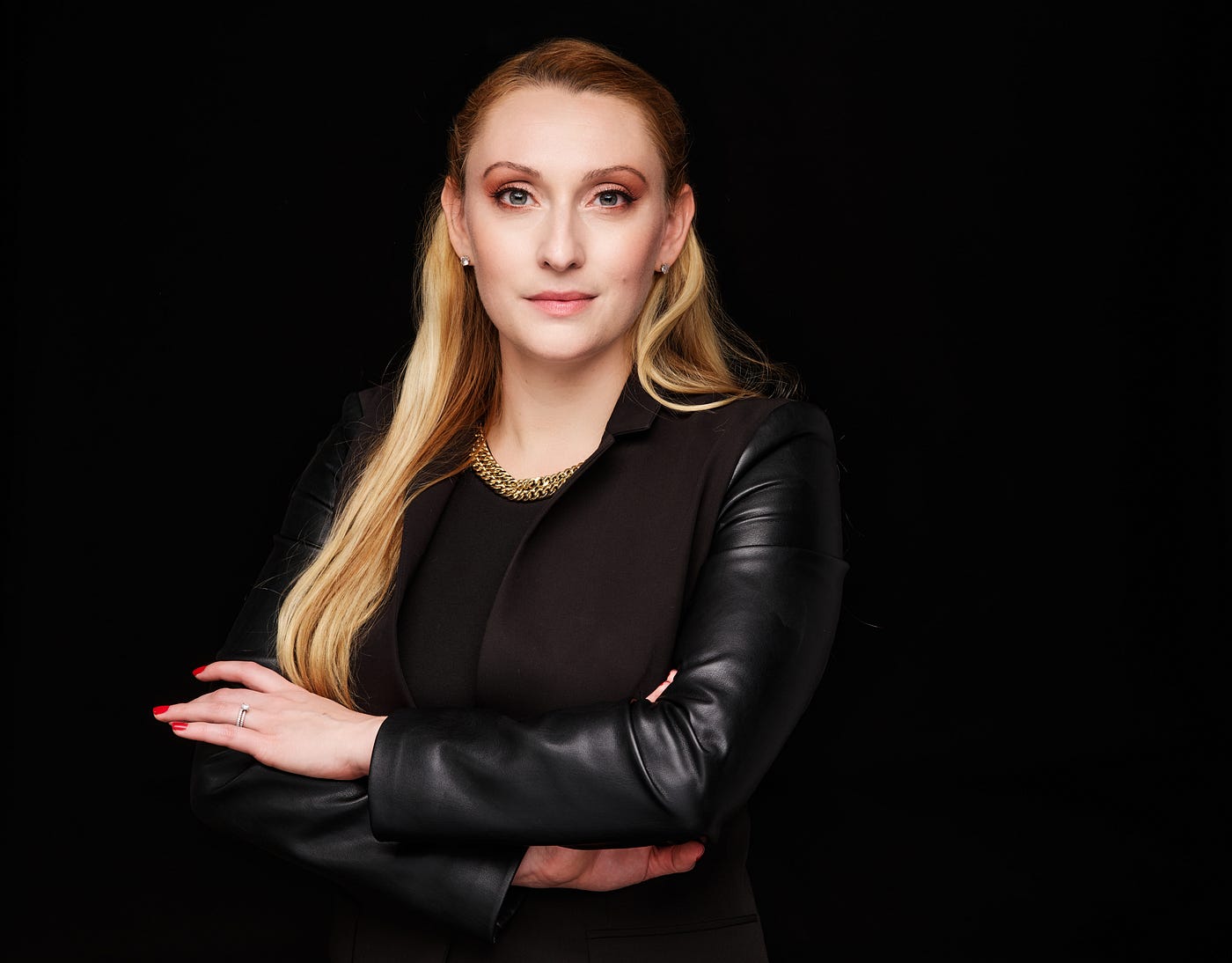
Dr. Grill is the CEO and cofounder of Neolth, a technology company that provides personalized mental health support to teens through a self-guided mobile app. Prior to founding Neolth, she worked at Children's National pediatric hospital conducting NIH research, co-founded a community health program for young adults, and was a university professor teaching courses in psychology and neuroscience. Dr. Grill has been selected for numerous awards including the 2022 Forbes 30 Under 30 list for the education category, winner of the 2022 Youth Mental Health Challenge by the World Economic Forum in partnership with UNICEF and Salesforce, and was honored with a display on the NASDAQ tower in Times Square.
Thank you so much for joining us in this interview series. Before we dive in, our readers would love to learn a bit more about you. Can you tell us a bit about your childhood backstory and how you grew up?
I grew up in a town called Mahopac, New York about an hour north of Manhattan. My mom was a young mother who started her own business cleaning houses to make ends meet. My mother stressed the importance of education as a way to make a better life. As children, she brought my sister and I to the library and required that we spent time reading every day. It paid off. When I was 14, I received a scholarship to a boarding school in New England. That opened doors for me to pursue higher education. Ultimately, I received a BS in Art Therapy, an MA in Psychology, and a PhD in Behavioral Neuroscience. I gained experience in clinical care, research, and education - all of which I leveraged to found and operate Neolth.
Can you share the most interesting story that happened to you since you begin your career?
I was featured on the NASDAQ tower in Times Square! During the pandemic, I was asked to provide a headshot for a media opportunity. At that time, everything in California was shut down. I thought I could simply provide a photo from my phone, but was informed I needed an updated professional headshot because I would be featured on 8 stories high in Times Square! I had to scramble to find a photographer who would open their studio for a private photo shoot. I finally found someone who was willing to book a session and adhere to safety protocols. It took us some time to navigate masks and social distancing during the shoot, but the end result was amazing.
None of us are able to achieve success without some help along the way. Is there a particular person who you are grateful towards who helped get you to where you are? Can you share a story about that?
In February 2020 I was in San Francisco pitching Neolth at a startup competition. After my pitch, a woman came up to me to talk about youth mental health. I didn’t expect to see her again, but no more than 10 minutes later she was up on stage announcing that my pitch had won and she was offering me a chance to work together! That woman was no other than Kerty Levy, Managing Director of Techstars Iowa. Techstars is a prestigious accelerator program that helps early-stage companies build their businesses. I was invited to join the program and have been working with Kerty ever since. In our time together, she helped the company through our first funding round, launching our app, contracting with first customers, and growing our business. As a result of her mentorship, I've been able to scale the company through state wide roll outs and partnerships with national corporations. It goes to show that you'll never know who you meet and how they might help you along your journey.
Can you please give us your favorite “life lesson quote”? Can you share how that was relevant in your life?
I'm a member of the Forbes Under 30 community and follow Forbes on social. I love the quotes they post including this one from Katharine Hepburn, "If you obey all the rules, you miss all the fun.” We’re taught in school to listen and follow directions and that by doing so, we’ll be successful. But by following the rules, we miss out on the chance to innovate. To make change on a societal level, to truly make the world a better place, we need to do what’s never been done before. Navigating uncharted territory is terrifying, but it's also exhilarating. And that's what entrepreneurship is all about.
You are successful business leader. Which three character traits do you think were most instrumental to your success? Can you please share story or example for each?
Three character traits that have been most instrumental to my success are authenticity, integrity, and boldness.
To be a leader you need to inspire others to follow you. If you're not authentic in what you do, people will see right through that. Increasing access to mental health support for young people is my life's work. It's my authentic passion that draws people to the company, including our investors and the 400+ students who have worked with us.
Integrity is important in any field, but it's especially important in healthcare. As the CEO of Neolth, I made a commitment to prioritize impact over ‘growth at all costs’. It’s an against the grain decision that investors don’t always understand, but is starting to pay off; recent backlash against telehealth companies indicates you can grow fast, but if you don’t focus on patient experience you may lose it all. It’s this mindset of integrity that separates us from competitors, has helped us win important contracts, and will ensure the survival of our company.
Being a leader means seeing gaps in society’s infrastructures that others cannot. I can’t tell you how many people told me Neolth would fail, that youth mental health wouldn’t scale, etc. You need to have the emotional fortitude to stay committed to your vision when so many think you’re wrong. It’s this boldness of thought and action that defines entrepreneurs.
OK super. Let's now shift to the main part of our discussion about the technology or medical devices that you are helping to create that can make a positive impact on our wellness. To begin, which particular problems are you aiming to solve?
It's no secret that we're experiencing a global mental health crisis, with teens and young adults disproportionately affected. The historical approach to improving mental health has been to increase the number of therapists and counselors available to the public. While working with a therapist can yield great results, young people are especially hesitant to do so with the majority preferring self guided and digital interventions. They often use platforms like YouTube and TikTok to search for mental health information. At Neolth, we aim to address the rising mental health needs of teens by using technology to create supports aligned with their cultural and generational preferences for care. This not only increases access to care for young people, but it can help reduce stigma and make them more comfortable seeing a therapist if needed.
How do you think your technology can address this?
We know our technology can address the youth mental health crisis because we built it in partnership with hundreds of young people. The Neolth app focuses on health education, stigma reduction, and social emotional skill building with the ability for real time care escalation. On Neolth, young people tell us what they're struggling with and the app matches them with guided relaxation practices, expert advice videos, and peer stories tailored for them. Teens engage with this self-guided content whenever they need support. If our app detects a higher level of care is needed, it will make a real time referral to crisis or clinical resources.
Can you tell us the backstory about what inspired you to originally feel passionate about this cause?
I grew up in a family where members had serious mental illness and were not able to access care due to financial constraints and stigma. I saw how devastating this could be, both on the individual and the family as a whole. I became interested in mental health and decided to pursue a degree in therapy. After working clinically in psychiatric care, I grew frustrated with the inequities caused by insurance restrictions. I went back to school to pursue a doctoral degree in neuroscience so I could learn how to create, validate, and implement innovative health programs. After working for some years in clinical research, I made the switch to health tech with the goal to increase access to equitable mental health care for millions of people.
How do you think this might change the world?
Historically, we've waited to provide mental health support until people were diagnosed with a clinical condition or in a state of crisis. Public health researchers have shown us it's not only more effective, but also more affordable to provide preventative mental health support. With digital programs like Neolth, we're able to shift society’s approach to mental health care. We emphasize early intervention, which means teaching children about mental health and how to get help at a young age. We promote stigma reduction by incorporating our program into the schools, so that students can talk about mental health with peers and adults on a regular basis. By learning about mental health in the same way they learn about math and science, we're ensuring that our children not only have access to but feel comfortable receiving mental health support. This paradigm shift from reactive to preventative mental health care is life saving.
Keeping “Black Mirror” and the “Law of Unintended Consequences” in mind, can you see any potential drawbacks about this technology that people should think more deeply about?
Data privacy in regards to health tech should definitely be kept in mind. I believe there should be more transparency about how how technology companies are using, sharing, and profiting off of individuals’ health information. There's absolutely a way companies can be profitable without exploiting users’ data. At Neolth, we built a successful company without sharing or selling any user information.
Here is the main question for our discussion. Based on your experience and success, can you please share “Five things you need to know to successfully create technology that can make a positive social impact”? Please share a story or example for each.
Co-create with your end users. In health research we call it community-based participatory research. It's an approach that invites patients to join conversations with doctors to decide how to create health programs. If you skip this step, you risk creating a program that will never been used because it’s not aligned with end users’ needs.
Have SMEs on your leadership team. Having SMEs involved in company decisions can cut years off of product development and commercialization. It’ll also help keep company decisions stay aligned with the original mission for social impact.
Define and measure your impact. Successful social impact businesses are about more than just finances. You need have a demonstrated impact. Bring stakeholders to the table who will help you define quantitative ways to measure your impact and disseminate your results through industry & academic channels.
Test, update, and test some more. The product you start with will never be the one you end up with. Test it, identify areas for improvement, and make those updates. Then test your product again and repeat the cycle. This commitment to continuous improvement will be an advantage against competitors and will create a loyal customer base.
Prioritize DEI. There are still too many companies who lack women and people of color on their leadership teams and advisory boards. Sexism and racism are part of many of the social issues we face. If you want to properly address these issues, make sure you have a diverse team that can help you address bias and discrimination.
Can you share a few best practices that you recommend to safeguard your technology or medical devices from hackers?
If you're building health technology, look into privacy safeguards like HIPAA and FERPA. Follow best practices for data privacy and security and consider working with established solutions providers. For example, we built Neolth on top of an AWS framework.
If you could tell other young people one thing about why they should consider making a positive impact on our environment or society, like you, what would you tell them?
Legacy matters. Whether or not you have children and grandchildren of your own, we need to think about the next generations. How can the work that we do today make the world a better place tomorrow? If you strive to make an impact for others, your work will be more enjoyable. After all, you'll be committing years of your life to your career. Why not do something you love and can be proud of?
Is there a person in the world, or in the US with whom you would like to have a private breakfast or lunch, and why? He or she might just see this, especially if we take them :-)
I attended the Forbes 30 under 30 conference earlier this year in Detroit. My favorite speaker was Megan Thee Stallion. I was drawn to Megan as a result of her life story, which was similar to mine in that her mother and grandmother were major influences and like me, she built her career and businesses from the ground up. In her talk Megan discussed the pressures of her career, how it's impacted her mental health, and the importance of reducing mental health stigma. When people like Megan speak up about mental health, it has huge ripple effects on the younger generation. If I had lunch with Megan, I'd like to speak about creative ways we can reduce stigma and support the mental health of young people.
How can I readers further follow your work online?
Readers can learn more about Neolth at neolth.com or by following us on social at @neolth. Teens and young adults ages 11+ can download Neolth for free on the Apple App or Google Play Store.
Thank you so much for joining us. This was very inspirational, and we wish you continued success in your important work.