One of the biggest mistakes I’ve seen people make in the food and beverage industry is rushing product development. They get excited about their idea and skip over key steps, cutting corners to get their product out quickly.
Business
Karim Khalil: Inside the Strategy to Pioneer Authentic Mediterranean Labneh in the American Consumer Goods Market
Consumer goods leader Karim Khalil shares how his global upbringing and relentless market research inspired him to introduce traditional labneh to the United States.
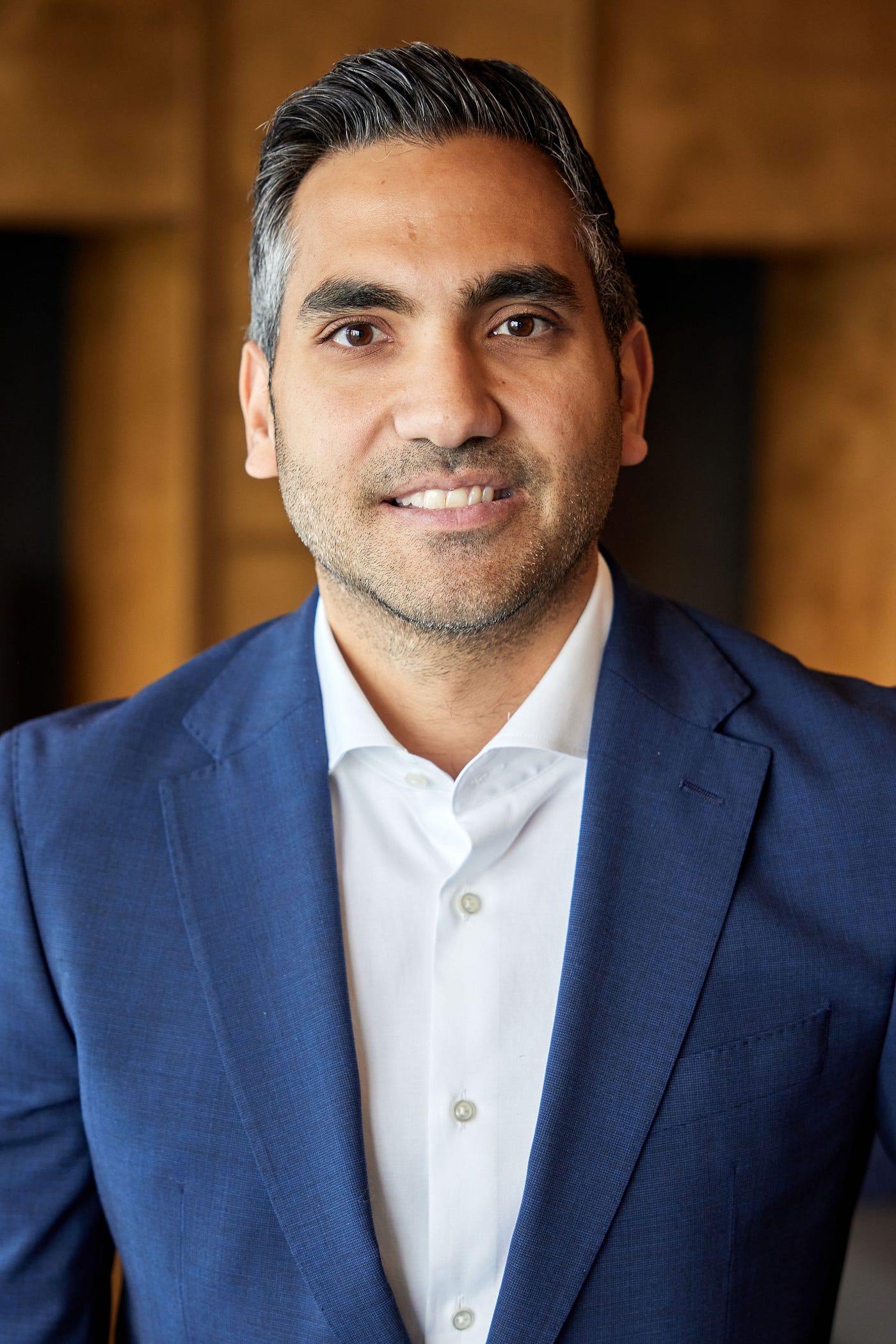
As a part of our series called “5 Things You Need To Create a Successful Food or Beverage Brand”, I had the pleasure of interviewing Karim Khalil.
With over 15 years of experience in the global consumer goods industry, Karim Khalil has developed a keen talent for innovation and leadership. In 2020, he relocated from Lebanon to the United States and launched Yaza in 2023 — the first brand to introduce authentic labneh to the U.S. market. Yaza not only pioneered the first flavored labneh but also aims to showcase traditional Mediterranean flavors, setting new standards for food quality in grocery stores and redefining how this beloved staple is enjoyed.
Karim’s extensive experience in production, his passion for brand creation, and his deep Lebanese roots inspired him to recognize the untapped potential of labneh in the U.S. market.
Karim’s favorite Yaza flavor is Za’atar & Olive Oil, as it embodies the most traditional way to savor labneh.
Thank you so much for doing this with us! Before we dive in, our readers would love to learn a bit more about you. Can you tell us a bit about your “childhood backstory”?
Thank you for having me! I had a pretty unique upbringing — I grew up in several different countries, which really shaped my perspective on food and culture. I was born in Switzerland, raised in France, went to high school in Lebanon, studied in London, and later worked in Nigeria. Wherever I lived, food, especially labneh, was a constant. It connected me to home and became a big part of how I stayed grounded, no matter where life took me. My family always valued food, and it’s a tradition I’ve carried with me throughout my life.
Can you share with us the story of the “ah ha” moment that led to the creation of the food or beverage brand you are leading?
Labneh has always been a passion of mine, but it wasn’t something I thought would turn into a business at first. After moving to the U.S., I quickly realized that labneh here was never quite the same as what I grew up with back home. I missed the rich, creamy, authentic taste that was such a big part of my upbringing. But it wasn’t just one big “ah ha” moment that led to the creation of Yaza — it was more like a gradual realization over time.
I’ve always been passionate about food, and separately, I’ve always been drawn to the CPG (consumer packaged goods) industry. It’s the perfect space to combine creativity, quality, and consumer experience. When I started making labneh for myself here in the U.S., my friends would try it and love it — they started asking for more. That was when I realized there was a demand for real, authentic labneh that simply wasn’t being met.
Seeing this gap in the market, combined with my own love for food and the entrepreneurial spirit that comes with the American Dream, was what really led to that eventual “ah ha” moment. It wasn’t just about missing something from home anymore — it became about sharing that with others and bringing a product to market that reflected the quality and authenticity I knew labneh could offer. That’s when Yaza truly came to life.
Can you share a story about the funniest mistake you made when you were first starting? Can you tell us what lesson you learned from that?
We’ve definitely made some mistakes along the way, but luckily, none of them made it into the market. One of the more eye-opening experiences came early on when I had this grand vision of opening a labneh factory in the U.S. I was determined to replicate what I’d seen in Lebanon and even started looking into buying the same equipment used in those factories. I thought I had it all figured out — until I met Ron, our dairy expert.
Ron quickly pointed out that the equipment I was about to purchase wasn’t FDA-approved, which could’ve been a huge and costly mistake. That moment really taught me the value of bringing experts onto the team early. It was a reminder that sometimes investing in the right people upfront can save you a lot of trouble and expense in the long run. It was a valuable lesson in trusting professionals to guide you through the parts of the business that you might not fully understand yourself.
What are the most common mistakes you have seen people make when they start a food or beverage line? What can be done to avoid those errors?
One of the biggest mistakes I’ve seen people make in the food and beverage industry is rushing product development. They get excited about their idea and skip over key steps, cutting corners to get their product out quickly. But this can be a huge risk. If you release a product before it’s truly ready, it can cost you a lot more in the long run, especially because first impressions are everything in this business.
At Yaza, we took our time with product development, conducting multiple focus groups where we tested both our competitors’ products and our own samples. This process allowed us to really understand what worked, what didn’t, and what consumers were actually looking for. It also gave us confidence that when we launched, our product was truly the best it could be. Market research is critical — getting that feedback early on helps ensure you’re putting out something that will resonate with people. It may feel slow at the time, but it’s far more costly to launch too soon and have to fix issues later.
Let’s imagine that someone reading this interview has an idea for a product that they would like to produce. What are the first few steps that you would recommend that they take?
When you’re starting out with a product idea, one of the first things you should do is invest in data to really get to know your target consumer. Buying market data can provide you with valuable insights into what people want, their preferences, and the current trends. This information is crucial for shaping your product so it genuinely resonates with your audience.
Next up is figuring out how and where you’re going to produce your product. It’s important to do your homework on potential manufacturers or facilities that fit your production needs. You want to ensure that the quality meets your expectations and that they have the capability to scale up as needed.
Costing is also a big piece of the puzzle. You’ll need to take a close look at all the expenses involved, like sourcing materials, labor, packaging, and shipping. Make sure your pricing is competitive while still being profitable. You want to find that sweet spot where your target consumers feel like they’re getting great value.
Finally, it’s crucial to evaluate whether your project is feasible. This means looking at the financial side, as well as the logistics and timelines. If something doesn’t feel right — like costs seem too high or production seems complicated — it’s better to figure it out early on. Ensuring that your project is realistic from the beginning can save you a lot of headaches later.
Many people have good ideas all the time. But some people seem to struggle in taking a good idea and translating it into an actual business. How would you encourage someone to overcome this hurdle?
When it comes to turning an idea into a successful business, having a solid plan is absolutely essential. First and foremost, you need to outline a clear vision for what you want to achieve. This means defining your long-term goals and figuring out how to get from where you are now to where you want to be. A roadmap helps you stay focused and gives you a sense of direction.
Building the right team is equally important. Surround yourself with individuals who complement your skills and share your vision. A strong team can help you tackle challenges and bring diverse perspectives to the table, making your business more resilient.
Next, ensure that your product adds real value to consumers and stands out in the market. It’s not enough to have a good idea; your product should solve a problem or fulfill a need that isn’t currently being addressed. Take the time to research your competition and identify what makes your offering unique. This differentiation is key to attracting customers and building brand loyalty.
Throughout this process, keep coming back to your plan. Regularly assess your progress and be willing to adjust your strategies if necessary. Flexibility is important, but having a plan provides the structure you need to navigate the ups and downs of entrepreneurship. By setting clear goals and building a solid foundation, you’ll be well on your way to turning your idea into a thriving business.
There are many invention development consultants. Would you recommend that a person with a new idea hire such a consultant, or should they try to strike out on their own?
When I started on this journey, I knew I wasn’t a food scientist or an industry expert — I was just a passionate consumer who loved labneh. It quickly became clear to me that I needed to bring in someone who had the expertise to help guide the product development process. That’s when I found Ron, who turned out to be the perfect fit.
Ron brought a wealth of knowledge and experience in the dairy industry that I simply didn’t have. His insights were invaluable, especially in navigating the complexities of production and ensuring that our product met the highest standards. Over time, he became a pivotal part of our team, contributing not just his expertise, but also his passion for quality food.
Having someone like Ron on board allowed me to focus on other aspects of the business, knowing that we were in good hands when it came to product development. It reinforced the importance of surrounding yourself with the right people who can complement your strengths and fill in the gaps where you might lack experience. His guidance helped us avoid critical mistakes and ultimately shaped our product into something we could all be proud of.
What are your thoughts about bootstrapping vs looking for venture capital? What is the best way to decide if you should do either one?
There’s really no one-size-fits-all answer when it comes to choosing between bootstrapping and seeking venture capital. Personally, I prefer to avoid venture capital or big investors because it allows for better and faster decision-making. When you’re not beholden to external investors, you can pivot quickly and make choices that align with your vision without having to consult with multiple stakeholders.
That said, I completely understand the appeal of venture capital. VCs can provide significant resources that help you grow and reach your goals much faster than you might on your own. They often bring valuable networks and expertise that can open doors and accelerate your business in ways you might not have anticipated.
For now, at Yaza, we want to keep the value within our team and give back to the people who have built this company. By focusing on internal growth and maintaining control, we can cultivate a strong company culture and stay true to our mission. This approach allows us to prioritize our team’s contributions and foster an environment where everyone feels invested in our success. As we move forward, we’ll continue to evaluate our options, but for the time being, we’re committed to building Yaza with the people who are most passionate about it.
Can you share thoughts from your experience about how to file a patent, how to source good raw ingredients, how to source a good manufacturer, and how to find a retailer or distributor?
When you’re diving into the food and beverage industry, your level of experience can really shape your journey. If you’re new to the scene, it’s super important to bring in some key experts who can help guide you along the way.
Take Ron, for instance. He’s our go-to dairy expert, and having him on board has been a game-changer for us. His knowledge has helped us avoid a ton of common mistakes and really refine our product.
Then there’s Stephen, our VP of Sales. He’s got this incredible network in the food and beverage world. His connections have helped us make partnerships with retailers and distributors that we probably wouldn’t have reached on our own. Plus, his insights into the market are invaluable as we craft our sales strategies.
At the end of the day, having a solid team of experts makes all the difference, especially in a competitive space like this. Their experience and connections can help you navigate challenges and grab opportunities as they come up. It’s all about leaning on each other and working together to build something great! I always tell my team and even my kids, never burn bridges because you never know what will happen.
What are your “5 Things You Need To Create a Successful Food or Beverage Brand” and why?
Absolutely, there’s definitely more than five key elements to creating a successful food or beverage brand, but here are five that really stand out for us at Yaza:
1. Unique Value Proposition First and foremost, you need a unique value proposition. Innovation is critical! For us, it’s all about being the only authentic labneh in the market, thanks to our unique straining process and our variety of flavors. This differentiation helps us stand out from the competition and appeals to consumers looking for something special. Our commitment to authenticity is at the core of everything we do.
2. A Strong Team You can have the best product in the world, but if you don’t have a passionate team behind it, you won’t get very far. Our team is a perfect blend of experience and youthful energy. Ron knows all the right vendors, while Stephen has strong connections with retailers, helping us secure important partnerships. Kelsey and Grant bring a ton of enthusiasm to the table; Kelsey handles marketing and sales, and Grant takes care of finance and supply chain logistics. They’re both eager to learn and grow with Yaza, which adds a great dynamic to our team.
3. Product Quality and Consistency Next up is product quality and consistency. We pride ourselves on using high-quality ingredients sourced locally from upstate New York. We work with a well-known co-packer who shares our commitment to quality. Plus, our packaging is award-winning and sustainable, which is increasingly important to consumers today. By maintaining high standards, we build trust with our customers and keep them coming back for more.
4. A Solid Business Plan Having a solid business plan is crucial. This means setting a budget so you know what to expect and can stick to your goals. Of course, it’s important to be flexible and modify the plan as you go since things can change quickly in this industry. Having a roadmap helps us stay focused and makes it easier to navigate challenges as they arise.
5. Passion and Hard Work Lastly, you have to be willing to work hard. We put in long hours and, as the founder, I think about Yaza day and night. Passion is absolutely key! It’s what drives us to overcome obstacles and keep pushing forward. When you genuinely believe in what you’re doing, that enthusiasm translates into everything from product development to customer interactions.
While there are definitely more than five essential elements to success in this industry, focusing on these aspects has been instrumental in our journey at Yaza. Each plays a vital role in building a brand that not only stands out but also resonates with consumers.
Can you share your ideas about how to create a product that people really love and are ‘crazy about’?
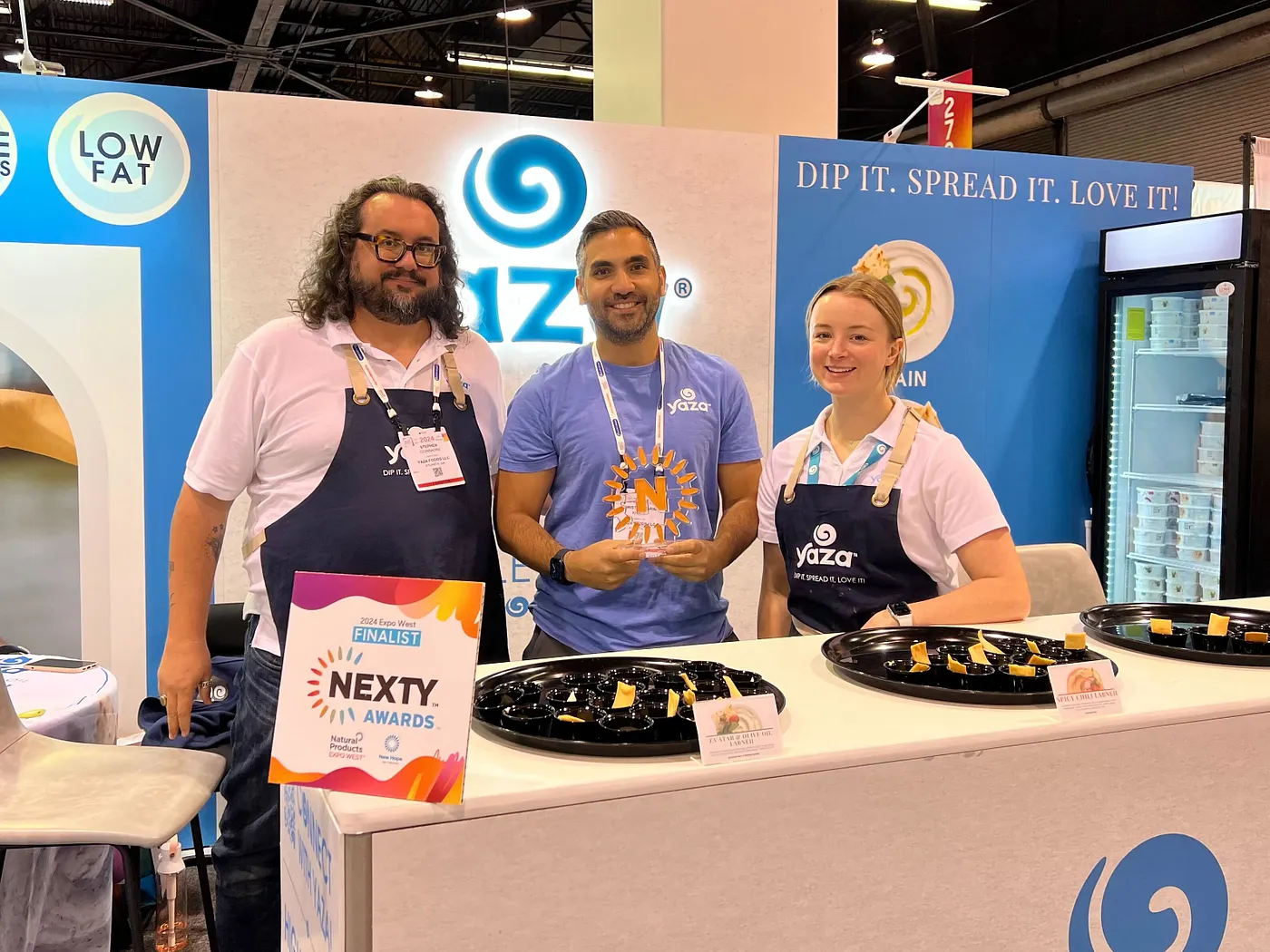
For Yaza, one product that has truly captured hearts is our Za’atar & Olive Oil flavor. We were thrilled when it won the Nexty People’s Choice Award at Expo West, the biggest food and beverage trade show in the country. It also recently received a shoutout from Whole Foods Market as a forecasted top trending international snack of 2025, which is a huge honor!
When we first developed the za’atar flavor, we did it because it’s the most popular way to enjoy labneh. Our mission has and always will be to bring healthy, authentic products to consumers. Za’atar and olive oil is a classic combination that resonates with many who appreciate Mediterranean cuisine. However, I was initially nervous about launching it. I wondered if consumers would recognize the term “za’atar” or even be able to pronounce it, since it’s a bit different.
To my surprise, the reaction was overwhelmingly positive! At first, I think people were drawn to it simply because it was different. They were curious and excited to try something new, which ultimately turned into a great selling point for us. It was a risk, but one that definitely paid off. The enthusiasm around this flavor has not only validated our choice but also reinforced our commitment to bringing authentic and innovative flavors to the market. It’s been incredible to see how embracing our roots and introducing unique offerings can resonate so well with consumers!
Ok. We are nearly done. Here are our final questions. How have you used your success to make the world a better place?
At Yaza, our commitment to sustainability goes beyond just our packaging; it’s woven into the very fabric of our operations. All of our labneh is made in upstate New York, which significantly reduces our carbon footprint. By sourcing our ingredients locally, including the milk from nearby farms, we minimize transportation distances and support the local economy. This approach means that everything — from the cows to the milk to the packaging — is produced close to home. It’s a comprehensive strategy that not only ensures freshness and quality but also promotes sustainable farming practices and strengthens our community. By keeping our supply chain local, we’re able to create a more efficient and eco-friendly process that aligns with our values.
Our use of Greiner’s award-winning sustainable K3 packaging further complements this effort. This innovative packaging not only preserves the freshness of our labneh but also minimizes environmental impact. By combining local sourcing with sustainable packaging, we’re committed to making a positive difference in the food industry and encouraging our customers to make greener choices.
Beyond our products, the Yaza team is dedicated to supporting local children’s charities and school events. Recently, we’ve focused our donations on helping those in need back in my home country of Lebanon. Additionally, our team volunteers each year at the local food bank, which helps us connect directly with the community and combat hunger in the area. We also ensure that any leftover product is donated to various food banks, allowing them to distribute it to those who need it most.
Through these initiatives, we hope to inspire others in the food industry to think about sustainability and community engagement, creating a ripple effect of positive change. At Yaza, we believe that success should be shared, and we’re dedicated to doing our part in making the world a better place.
You are an inspiration to a great many people. If you could inspire a movement that would bring the most amount of good to the most amount of people, what would that be? You never know what your idea can trigger.
When I first had the idea for Yaza, I shared my vision with friends and some industry contacts, emphasizing my desire to create the healthiest products possible. I talked about how our labneh would be high in protein, low in fat, and packed with active probiotics — without any milk powders. To my surprise, they laughed at me, saying that consumers here in the U.S. weren’t like those I grew up with in Europe; they believed people didn’t care about healthy food.
I stayed stubborn in my belief, and I’m so glad I did because we’ve witnessed a significant and growing health movement here. Recently, we’ve seen popular cereal brands exposed for producing the same products but with healthier ingredients in other countries while selling versions filled with harmful substances in the U.S. These revelations highlight the urgent need to hold companies, both big and small, accountable for the quality of the ingredients in our foods.
As consumers become more aware and demanding of transparency, it’s vital for us as a brand to champion health and quality. Our mission is to provide products that not only taste great but also contribute positively to people’s health. The shift toward healthier options is not just a trend; it’s a necessary evolution in how we approach food, and I’m proud to be part of that change.
Thank you for these fantastic insights. We greatly appreciate the time you spent on this.
MM
Written by
Martita Mestey
Writer & ContributorContributor at Authority Magazine covering leadership, innovation, and industry insights.

Published inAuthority MagazineTop Lessons, Top Authorities · 42K Followers
Exclusive, curated interviews with the leaders and changemakers shaping tomorrow. Leadership lessons, industry deep dives, and executive profiles.