Life never gives you everything you want, but you have to be able to take what’s given to you and make it work.
Tech
Kara McGehee of ClearSummit: How Pivoting From Law to Tech and Embracing Interdependence Transformed Her Career
ClearSummit co-founder Kara McGehee shares her remarkable journey from litigation attorney to tech leader, offering vital insights on resilience and thriving in male-dominated industries.

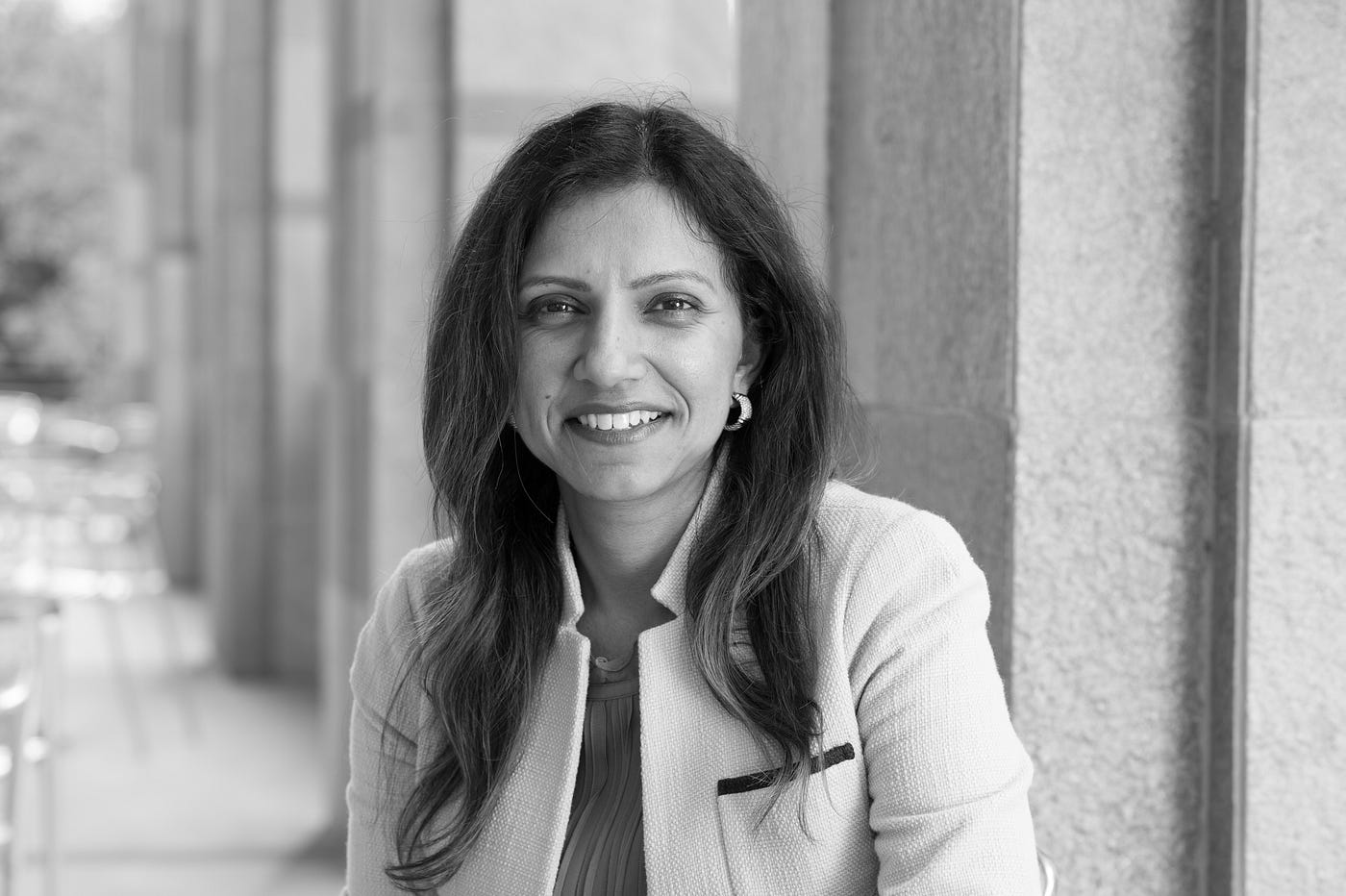
In the United States in 2022, fields such as Aircraft piloting, Agriculture, Architecture, Construction, Finance, and Information technology, are still male-dominated industries. For a woman who is working in a male-dominated environment, what exactly does it take to thrive and succeed? In this interview series, we are talking to successful women who work in a Male-Dominated Industry who can share their stories and experiences about navigating work and life as strong women in a male-dominated industry. As a part of this series, we had the distinct pleasure of interviewing Kara McGehee, Co-Founder & Chief of Operations and Experience, ClearSummit.
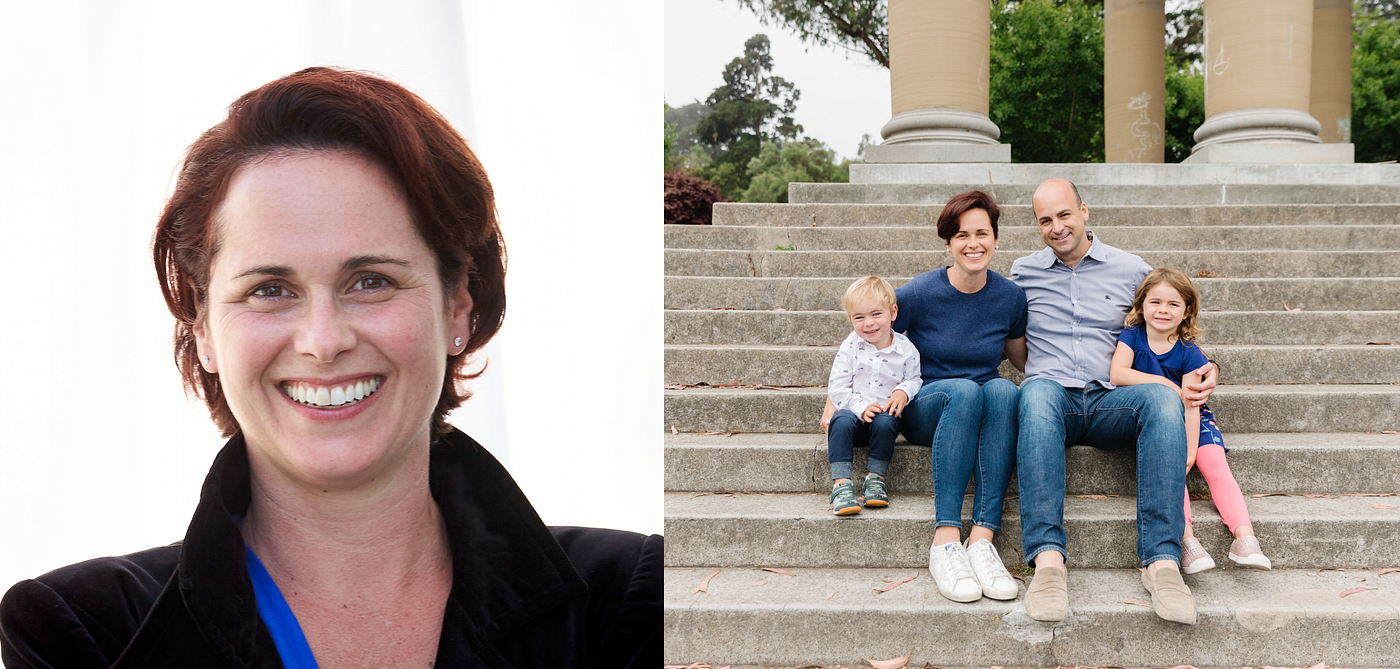
Creativity and innovation has always been part of what drives Kara McGehee, Co-Founder & Chief of Operations and Experience, ClearSummit, and after a number of years practicing law, she wanted to find a way to incorporate technology and creative culture into my daily work life. When she co-founded ClearSummit, her goal was to bring innovative and culturally relevant software development projects to fruition, whether for clients or as part of an internal initiative. Having found success in a couple of different male-dominated fields, Kara is passionate about women representing other women and creating generational change for an equitable future.
Thank you so much for doing this with us! Before we dig in, our readers would like to get to know you a bit more. Can you tell us a bit about your childhood “backstory”?
I was born and raised in the Virginia Beach area. Most of my extended family was in education, but my father was a professional musician. I’m the oldest of 4 daughters. My mom stayed home with us while my dad taught guitar lessons and recorded at our home studio, and played at bars and events in the evenings. I also spent a lot of time with my grandfather, who was a high school principal. His own mother had worked on airplanes in Baltimore during WWII, and as a result he instilled a very “We Can Do It!” kind of attitude in his granddaughters. I was very aware of the hustle required for a career in the arts, and I think it’s the main reason why I was initially attracted to a legal career. It was safer.
Can you tell us the story about what led you to this particular career path?
I went to college in Virginia, where I studied philosophy, media, arts and design. I worked primarily on audio projects but also took courses that included a lot of visual and web technology, basic HTML, and design principles. I was one of only two women in the digital sound production program. I was just 20 years old when I graduated, and wasn’t sure what to do next. I ended up going to law school thanks to some encouragement from my logic professor. That led to a decade-long career as a litigation attorney, which is another male-dominated field.
A long-term health issue caused me to seriously re-examine my life path. I didn’t like being tied down to one place, and I missed using my “math brain.” My then-boyfriend (now-husband) was working as a software engineer, and he led me through some basic python coding lessons. I also took a course on the philosophy of mathematics. Around that time we decided to quit our jobs and leave Richmond, Virginia to travel around Europe. During our travels, he started some freelance development projects, and I wrote a travel blog, the second draft of a novel, and helped him with the business side of his freelance work.
When we landed in Los Angeles about 6 months later, we took on more development work, hired some contract developers, and I started learning more about software and product development. Within a short amount of time, I had my hands in every aspect of the development process, from some frontend coding, API documentation, design mockups, to QA, project management, app store submission, contracts and business development.
Can you share the most interesting story that happened to you since you began your career?
Throughout my life I have been especially drawn to music, even when my career wasn’t dealing with music directly. I was thrilled when I had the opportunity to co-found TuneRegistry in 2015, and I loved getting back to my roots with that project. A few years later, I found myself working as a music rights consultant for Taylor Dayne. Back when I used to listen to her cassette as a little kid, I never would have imagined being at her house in Los Angeles, reviewing paperwork related to her catalog of hits!
You are a successful business leader. Which three character traits do you think were most instrumental to your success? Can you please share a story or example for each?
Adaptability — I have had to “go with the flow” with a lot of aspects of my career. Life never gives you everything you want, but you have to be able to take what’s given to you and make it work. When I was in law school, I was primarily interested in Intellectual Property, but I ended up working in insurance litigation as my first job. It wasn’t something that excited me on its own, but it was a great training ground to becoming a trial attorney.
I didn’t think software development was my dream job, but it ended up being a vehicle for me to start TuneRegistry, which was a perfect fit for my experience and interests. I took on the role of Chief Product Officer, where I was able to incorporate my different experiences on a strategic level as well as in execution.
Resilience — I know this has been said a lot, but you really do learn more from failures than successes. I worked on several “failed” or now-defunct projects that taught me so much about, not just the startup world but the actual mechanics and processes for software development.
Courage — I am someone with a relatively low risk tolerance for some things (it’s the inner lawyer coming out, most of the time) but I do take on personal risks if I am striving towards my own happiness. It was a huge risk to quit my job as a lawyer to travel and start a new life in a new city, but it was one of the best decisions I ever made.
Ok, thank you for that. Let’s now jump to the primary focus of our interview. Can you help articulate a few of the biggest obstacles or challenges you’ve had to overcome while working in a male-dominated industry?
Two come to mind: First, there’s the typical imposter syndrome that I think most people experience no matter what field they are in. It feels more pronounced as a woman in a male-dominated industry because there are a lot of assumptions about knowledge and skills based solely on gender. I had a lot of practice overcoming that in the legal field, so I had to just push through, and the longer I worked in the technology space, the more comfortable I became with my own knowledge and expertise.
The second is a little more personal. Because I started ClearSummit with my spouse, I had to overcome a mindset of being interdependent with him. I had been completely my own person as a lawyer, and I felt the need to avoid acknowledging the personal relationship I had with my co-founder for fear of being taken less seriously as a result. This one is still hard for me, even though I have been working in software and product development for 8 years now, and have worked independently of him in several roles. While it is true that I wouldn’t be where I am in the software industry without him, there are many men who wouldn’t be where they are without partnership and help from friends and family. I have had to accept that and embrace it.
Can you share a few of the things you have done to gain acceptance among your male peers and the general work community? What did your female co-workers do? Can you share some stories or examples?
I think perseverance has made a huge difference, as well as having some amazing products in the ClearSummit portfolio. Having a good attitude and making an effort to connect with people on an individual level is also important. I go to a lot of networking events alone, and am not afraid to approach people with confidence and curiosity.
I have also made it a point to hire as many women as I can, and to openly advocate inside my organization for diverse hiring, especially in technical roles. We have taken on work with women-led companies, which also increases the visibility and presence of women in technology. Having more talented, capable women gives experience to the men in the field, and chips away at stereotypes.
What do you think male-oriented organizations can do to enhance their recruiting efforts to attract more women?
Having women in leadership will bring more women into the organization. I realize it’s a bit of a chicken-and-egg problem, but it’s true. There are also companies, such as Power to Fly, that specifically recruit women to technology-based roles. Paying well, and being transparent about pay and benefits across the organization is helpful too. Paid family leave (for men and women) demonstrates equity, and flexibility for working from home occasionally, even if in-person office time is also required.
Ok thank you for all of that. Here is the main question of our interview. Based on your opinion and experience, what are the “Five Things You Need To Thrive and Succeed as a Woman In a Male-Dominated Industry?” (Please share a story or example for each.)
A — Be your own best advocate.
B- Leave perfectionism and fear of rejection at the door. Men are far more likely than women to apply to jobs that they aren’t fully qualified for, as long as they meet some of the requirements in the job description. Be willing to put yourself out there for things you want, even if you’re afraid of rejection.
C — therapy. Just a few months with a good therapist can help manage your own triggers and roadblocks. I have spent time uncovering ways that I can improve my mental emotional health, which not only impacts my personal relationships but also my professional life. I have learned to get out my own way, and reduced self-sabotage.
D — Humility. This means knowing when to defer to people who might know better, but also knowing when something has run its course. I have had projects that I loved and was really passionate about that just weren’t getting the traction they needed to be successful. It’s important to know when it’s time to back off, and let someone else take over or change course.
E — Be a mentor for younger people. I have spearheaded efforts to hire interns at my own company and have made sure to connect with men and women who are just starting out. You never know when those people will be in a position to help you, too down the line.
If you had a close woman friend who came to you with a choice of entering a field that is male-dominated or female-dominated, what would you advise her? Would you advise a woman friend to start a career in a field or industry that’s traditionally been mostly men? Can you explain what you mean?
I would advise her to pursue whatever is most interesting to her. What subject matter are you reading about for fun? I have a lot of interests, but technology, and music technology in particular, is more interesting to me than, for example, healthcare or finance. You are going to excel in a path that you already gravitate towards, so follow that without regard to whether it is male-dominated or not. If it happens to be a male-dominanted space, be sure to seek mentors who are male as well as female. I had some wonderful men show me mentorship as a young lawyer. The good ones will help you. The good-old-boys club can’t keep being a boys-only club if women get invited to the table.
Have you seen things change for women working in male-dominated industries, over the past ten years? How do you anticipate that it might improve in the future? Can you please explain what you mean?
Yes and no. More women than men are graduating from college and graduate school overall, and there is a general societal shift toward open advocacy for women in male-dominated industries, as evidenced by organizations such as Girls Who Code, Women in STEM, and countless others.
There is still a major gap in boardrooms and venture capital. I see this as the key to better gender equity in technology in particular. Unfortunately, the last two-plus years with the pandemic had a harder impact on women’s careers versus men’s, and the old themes of imbalances at home spilling over into the workplace have become more pronounced. Continued advocacy, from both men and women, is necessary for progress, and it needs to start with funding and work all the way down to hiring and spending within organizations.
We are very blessed that some very prominent names in Business, VC funding, Sports, and Entertainment read this column. Is there a person in the world, or in the US with whom you would love to have a private breakfast or lunch with, and why? He or she might just see this if we tag them.
Patti Smith. She has been such an inspiration to me, ever since I first heard her music when I was 13 years old. She broke gender barriers in the punk scene, and has managed to balance authenticity, art, and motherhood in an unparalleled way.
MS
Written by
Ming S. Zhao
Editor & Journalist · Authority MagazineMing S. Zhao is a senior columnist at Authority Magazine covering Pop Culture and Business, conducting primary-source Q&A interviews with founders, executives, and industry leaders.

Published inAuthority MagazineTop Lessons, Top Authorities · 42K Followers
Exclusive, curated interviews with the leaders and changemakers shaping tomorrow. Leadership lessons, industry deep dives, and executive profiles.