When COVID first hit, I was affected, as was my wife so we didn’t have an income for the foreseeable future. Like many others, I considered the short term strategy of cutting all costs and seeking some secure employment to ‘weather the storm’.
As part of our series about the “Five Things You Need To Be A Highly Effective Leader During Turbulent Times”, we had the pleasure of interviewing Joe Hart.
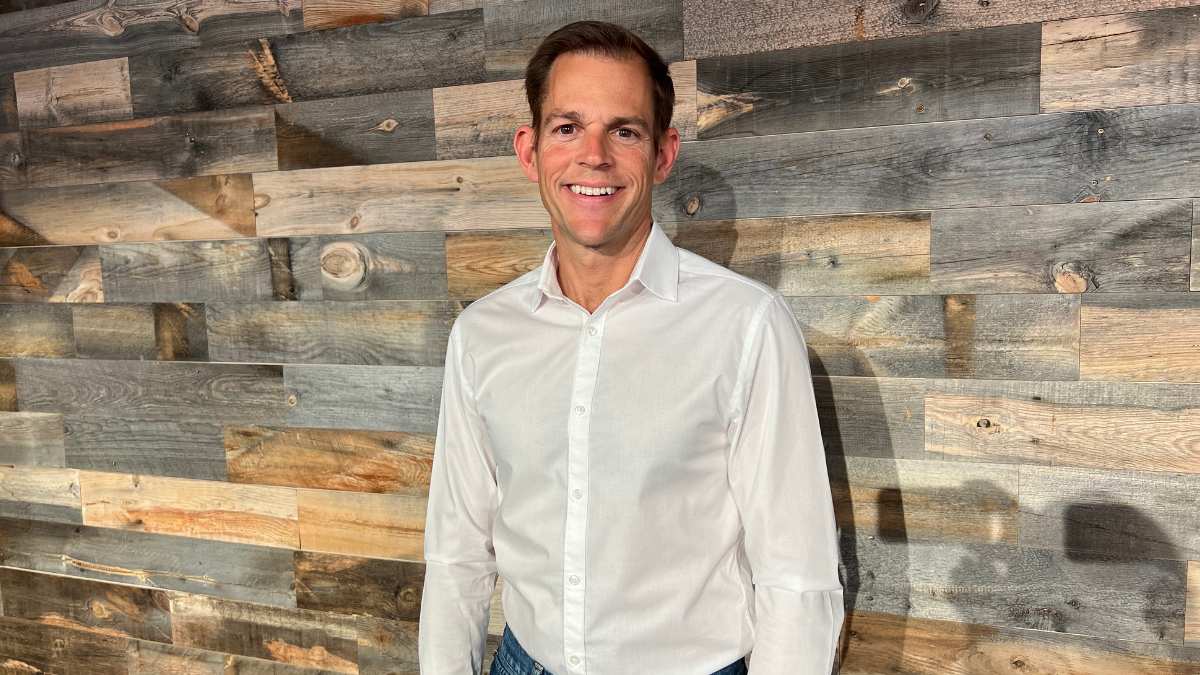
Joe Hart is an Organisational Psychologist and founder of True Perspective; A leadership development practice. He is a highly experienced executive coach, speaker, trainer, and facilitator who helps leaders to drive honest conversations, build trust and create meaningful change. He is also the author of True Perspective: Why leading with the truth always wins (Hambone Publishing $27.99). Find out more at www.joehart.com.au
Thank you so much for your time! I know that you are a very busy person. Our readers would love to “get to know you” a bit better. Can you tell us a bit about your ‘backstory’ and how you got started?
You’re welcome and thanks for the opportunity. So, I studied Organisational Psychology at University and my first job was working with Gallup here in Sydney. I learned about Strengths-based Psychology, culture, employee engagement and how to consult to corporate clients. I also learned how to coach people and fell in love with the process of developing people, especially senior leaders. After working under other brands for 10 years, I decided to start my own coaching practice (5 years ago now) and have loved the journey so far. Fast forward to today and I’ve just published my first book, True Perspective: Why leading with the truth always wins. I’ve always dreamt of been an author, so it’s great to get my first book out there into the world.
Can you share a story about the funniest mistake you made when you were first starting? Can you tell us what lessons or ‘take aways’ you learned from that?
Well, it didn’t feel funny at the time, but my first client was the reason I left my job to start my own practice. I’d put all my eggs in that basket and was relying on it to be successful to get my business going. On the very first day of my ‘new life’ as a business owner, I scheduled a call with my client to discuss the rollout strategy. Unfortunately for me, the CEO had been exited and all discretionary spend had been put on hold. Therefore, my business had failed before I even got started…which is funny in hindsight but sheesh, it was a tough lesson.
None of us are able to achieve success without some help along the way. Is there a particular person who you are grateful towards who helped get you to where you are? Can you share a story?
Wow, there are many but I’d like to think one person helped me in particular. A few months into running my own practice, I was offered a full-time role but knew that it wasn’t what I wanted, so I held firm and said no. After further discussion, I was convinced to take the opportunity as a project that was dedicated to this business alone. I took the ‘project’. After 3 months, it was clear that I was being more integrated into the business and being asked to become a full-time team member. After 18- months I left the project and had to rebuild my business again. To me, while it was a setback, it taught me how important it is to stay true to the vision and purpose that compels you. If you fight against it, things just won’t flow.
Extensive research suggests that “purpose driven businesses” are more successful in many areas. When your organization started, what was its vision, and what was its purpose?
I couldn’t agree more that purpose is the driver for any business and the success that then follows. The work I do for individuals, teams and organisations is heavily anchored to purpose. I represent my business therefore the purpose I have is carried through my business and all the work I do. Simply put, my purpose is ‘To lead with the Truth’. By this I mean getting extremely clear on what is most important to you and doing that. I believe that when people are fully aligned with their purpose i.e. doing that which is most important to them, they can create meaningful change in their lives. This creates a positive ripple effect for everyone else in their life which is powerful. Therefore, the vision of my business is to create positive meaningful change in people’s lives.
Thank you for all that. Let’s now turn to the main focus of our discussion. Can you share with our readers a story from your own experience about how you lead your team during uncertain or difficult times?
Like everyone, the past few years have been uncertain and have required a lot of leadership. My approach has stayed consistent to how I lead in more certain times, and that is with the truth. I might sound utopian to some but it really is very practical. When COVID first hit, I was affected, as was my wife so we didn’t have an income for the foreseeable future. Like many others, I considered the short term strategy of cutting all costs and seeking some secure employment to ‘weather the storm’. To me, it didn’t feel right to be chasing security when things were so uncertain so I held strong with the intention to demonstrate to myself, my clients, my family and those I partner with that the foundation of my business could withstand these challenges. While some hoped to provide their team with security, I opted to provide them with stability in what I stood for. In turn, this creates hope for the future and a sense of belief. Things will always be uncertain, but I will always seek to offer a source of stability through being honest, transparent and leading with the truth. People will always know what I stand for and what is most important to me. To me, this is leadership.
Did you ever consider giving up? Where did you get the motivation to continue through your challenges? What sustains your drive?
Yes, I’d be lying if I didn’t consider giving up or going down an easier path. However, having faced the lowest of lows in my life before, I know that the grass is never green on the other side of the hill. Life is unfair, it throws us challenges, and we can’t plan for the sort of suffering we will inevitably have to endure. To me, these are all reasons for us to invest in getting crystal clear on our purpose, why we do what we do and what matters most to us. If we don’t, when the going gets tough we will fold way too early. You’ve got to be willing to stare down our fears to align with our purpose and do what we know matters most. There are times when I wonder if it’s all worth it, then I get a note from a client about how I changed their life, or one of my kids tells my mum that they think I’m a fantastic role model, or a new client engages with my content enthusiastically to bring about change. This is what keeps me going, the real stuff…the stuff that matters.
I’m an author and I believe that books have the power to change lives. Do you have a book in your life that impacted you and inspired you to be an effective leader? Can you share a story?
Man’s search for Meaning by Viktor Frankl. This is such a powerful story that reinforces that regardless of how hard things get your ability to choose how you respond to any situation or challenge will never be taken away from you. I was facing a crossroads at one of my jobs when I first read it and it spoke to me. At the time, I was feeling stuck, sorry for myself and felt powerless to make a change. Reading Viktor’s book and understanding how he reframes suffering and meaning was a game-changer for me. In fact, it was so powerful the second I finished it, I re-read it! As a leader of your own life, whoever you are, you always have a choice. The second you forget that you are failing to take responsibility for your life.
What would you say is the most critical role of a leader during challenging times?
As I mentioned earlier in response to your question on purpose, being really clear on your purpose is the single most important factor when times get tough. If, as a leader, you are unable to generate energy from your purpose you’ll lose your influence. In contrast, when you are clear on your purpose, you can generate your own energy which inspires others and also gives them a sense of stability and hope for the future. We all need an anchor but we all need to feel hopeful about the future too.
When the future seems so uncertain, what is the best way to boost morale?
What can a leader do to inspire, motivate and engage their team? Address the challenges that we are facing right now by being honest. This isn’t about doom and gloom but more about leading with integrity. People hate to be patronised with political ‘speak’ or diplomacy. It’s the single easiest way to lose trust. Truth, honesty, and transparency on the other hand are how you earn trust. It’s not an easy path but it will forge a far more powerful relationship with your team. It also paves the way to start painting a picture of what the future might look like beyond the challenges of today.
What is the best way to communicate difficult news to one’s team and customers?
This one is easy. Lead with the truth. When you share something that comes from a place of truth, while it may be difficult to process or hear for the receiver, it will always be heard. I focus less on coaching people to get the words perfect in the first instance as difficult conversations are charged with emotion. What is more important is to be incredibly present with the person you are speaking with and listen impeccably. I call these ‘master skills’ that you need to get right before you wordsmith your message. Let’s face it, we can all get better at maintaining presence and active listening is a skill that can always be honed. Do these two things well, and the rest will take care of itself.
How can a leader make plans when the future is so unpredictable?
The best predictions are all based on past behaviour anyway so prediction is always past focused in reality. Rather than grapple with unpredictability, leaders should be more focused on the vision, what are they hoping to build, create or influence? When vision is the focal point we can talk about ‘how’ that vision can be brought to life and what risks need to be considered along the way. The illusion of predictability will prevent any meaningful action or creativity from coming to life.
Is there a “number one principle” that can help guide a company through the ups and downs of turbulent times?
It works for me, so am happy for anyone else to use it. Lead with the truth! This is about having the courage to dive into the conversations, decisions, opportunities, and relationships that scare you. Most of the time when I see individuals, teams or organisations struggling, they are too busy lying to themselves, so they don’t have to make hard calls. It isn’t’ ever easy but leading with the truth always wins in the long term.
Can you share 3 or 4 of the most common mistakes you have seen other businesses make during difficult times? What should one keep in mind to avoid that?
The first mistake I see businesses make is to cut back on investing in people. When covid hit, some businesses needed to cut costs to stay afloat so the first thing they did was get rid of any ‘people stuff’ that they were investing in. Training, development, coaching, facilitation etc. I get that these are often seen as ‘nice to have’ but regardless of the business, people want to feel valued. When the dust settles, people remember what the business deems most important in tough times and if money was the answer, they will jump ship. If you want to retain staff following a crisis, don’t stop investing in them but do the opposite. Use it as an opportunity to reinforce how valuable they are to you and the ongoing success of the business. They will never forget the support and cherish the relationship forever.
Another big issue that businesses tend to suffer from is tolerating poor performance because it’s ‘better the devil you know’. Yes, times might be tough and the labour market is making it difficult to find quality staff but holding onto a poor performer or a toxic expert (someone who has expertise but is very difficult to work with) is never the way to go. The consequences of a poor performer in your team usually run far deeper than you have visibility of. It’s only once they finally leave that people get really honest. To avoid this fate, act on any performance issues or cultural challenges quickly and treat them seriously. There are many reasons why this might be hard but if you follow the ‘lead with the truth’ ethos, you will be certain to land on the right outcome.
The third mistake I see businesses make is to abandon the collective intelligence of the team and resort to emotional decision making, which is usually left up to the CEO. When times are tough, leadership is critical but in my opinion, that doesn’t mean we leave everything up to the CEO to make the tough calls. Equally, if the CEO has descended into emotionally driven behaviour that is derailing the business, the leaders in their team need to step up and challenge the CEO. Again, this is not easy but a critical element of leadership that requires everyone to contribute not slink off in the shadows waiting to see what will happen.
Here is the primary question of our discussion. Based on your experience and success, what are the five most important things a business leader should do to lead effectively during uncertain and turbulent times? Please share a story or an example for each.
When it comes to leadership, I’m all about the long game and creating a consistent experience for those that follow you. In short, this is about creating a leadership legacy. Here are the five most important things a business leader should do to lead effectively during uncertain and turbulent times.
Video URL: https://youtu.be/RBAHXQS5Mv0
- Listen with depth- Listening actively, reflecting back what you hear and demonstrating that you understand the person you are speaking with is a vital leadership skill, especially when times are tough. This is all about demonstrating empathy. Often, leaders that I work with think it’s about ‘knowing’ what somebody else is trying to communicate but this is wrong. Active listening is about enabling the speaker to know that you understand their message, and in so doing earn the right to respond. I recall a leader I was working with sat in multiple feedback sessions with his staff whereby they all gave him a strong dose of reality which he simply sat, listened and clarified. While it was a tough slog for him, it earned huge amounts of trust and respect from his workforce, enabling him to put forward solutions to many of their challenges.
- Learn with endless vigour — The best leaders I have worked with are those that recognise that they don’t know it all and have much to learn. They are curious, interested, engaged and constantly seeking to deepen their understanding. They read, think, reflect, engage, discuss, and act. Learning is a reflection of humility and a willingness to engage people that know more than they do. I’ll never forget a leader I was coaching who was considered by his team as an arrogant dictator (as revealed by a 360). The overarching theme that shone through from the feedback was he was smart but unwilling to see things from another perspective. He wasn’t willing to accept that other people had something of value to add. He only ever endorsed an idea if it mirrored what he was already thinking. He failed to learn, he didn’t innovate and his team suffered as a result.
- Liberate yourself and others — We all struggle with demons from the past. In many respects, this is what makes us human. As a leader, struggling with your past demons takes a lot of energy and makes you vulnerable in ways that won’t help you or your cause. As human beings we are great at extracting meaning from experience which can be useful but often leads to us creating ‘stories’ about our past that simply aren’t true. As a leader, you need to transcend your past, the challenges you have faced and liberate yourself from the stuff that is holding you back. This could be through therapy, great friends, a support network or community, or something you have worked through alone. When you’ve done the work on yourself, you earn the right to help others do the work for themselves. This is the gift that keeps on giving and a cycle that never ends.
- Link ideas, concepts, and people — As a leader, you have a birds-eye-view of everything that is happening in your organisation or department. While collaboration is great to have as a cornerstone for your culture, it’s your job to connect people, ideas and concepts to accelerate collaboration. I once worked for a leader that had the alias of ‘Bridge Builder’ because he was always connecting people to help progress ideas and outcomes. It was a brilliant skill that rapidly progressed the organisation, encouraged creativity and innovation, enhanced relationships and provided everyone with more opportunities. In tough times, being able to maximise the effectiveness of the team you have right now starts with you recognising the patterns and connecting the dots. If you don’t do it, it’s unlikely that anyone else will.
- Love with courage — Love is not a feeling but a reflection of what you do. As a leader, you need to lead with courage by putting all of who you are into everything you do. If you aren’t in love with your work, your team, your organisation, or even your life outside of work, it’s time to have an honest conversation with yourself. Start by evaluating where you spend your time as your actions will reveal where you are placing importance. Many leaders I’ve worked with feel that love is something that doesn’t belong in the boardroom as it’s too emotional and reduces objectivity. If we use a relationship as an analogy here, would you rather date somebody that makes sense on paper, or the person that has your heart? Of course, when you follow your heart you open yourself up to get hurt and that is scary and requires you to be very vulnerable. So far, I’ve not met a genuinely successful leader that has chosen the ‘logical’ option on paper. Remember, this is a long game that is about creating a leadership legacy. Great leaders can love, knowing that they will get hurt, knowing that there is no other way to truly be.
Can you please give us your favorite “Life Lesson Quote”? Can you share how that was relevant to you in your life?
“Qualitative data is about revealing the truth, quantitative data is about determining how generalisable that truth is”
Straight out of university I was very wedded to data-driven insights and didn’t see much value in qualitative research as I thought it was a bit fluffy. It was a senior colleague that engaged me in a debate on this topic sharing the above quote with me which has influenced my work significantly. The first step is to identify what is real or true (this can be in relation to any aspect of your business or even you). The second step is to understand how pervasive that truth is through quantitative measurements and insight. You can also see how this links to my purpose of ‘leading with the truth’. Another way of looking at this is following your intuition or ‘gut’ when it comes to big decisions. It bucks the trend of using data-driven insights, but knowing that all data insights are past focused, I’m far more inclined to focus my energy on setting and achieving the vision.
How can our readers further follow your work?
Check out my website at: https://joehart.com.au/
Learn more about my book here: https://joehart.com.au/books
Read my articles here: https://joehart.com.au/blog
Facebook: https://www.facebook.com/askjoehart/
LinkedIn: https://www.linkedin.com/in/joe-hart-9475b934/
Instagram: https://www.instagram.com/askjoehart/
Twitter: https://twitter.com/askjoehart
Thank you so much for sharing these important insights. We wish you continued success and good health!