Everything in me screamed at me to write stories. It isn’t easy, but I forced that time into my world. I wrote in every space I had in my life. I wrote and embraced that love of writing, and forced the world around me to step back and let me prioritise my writing.
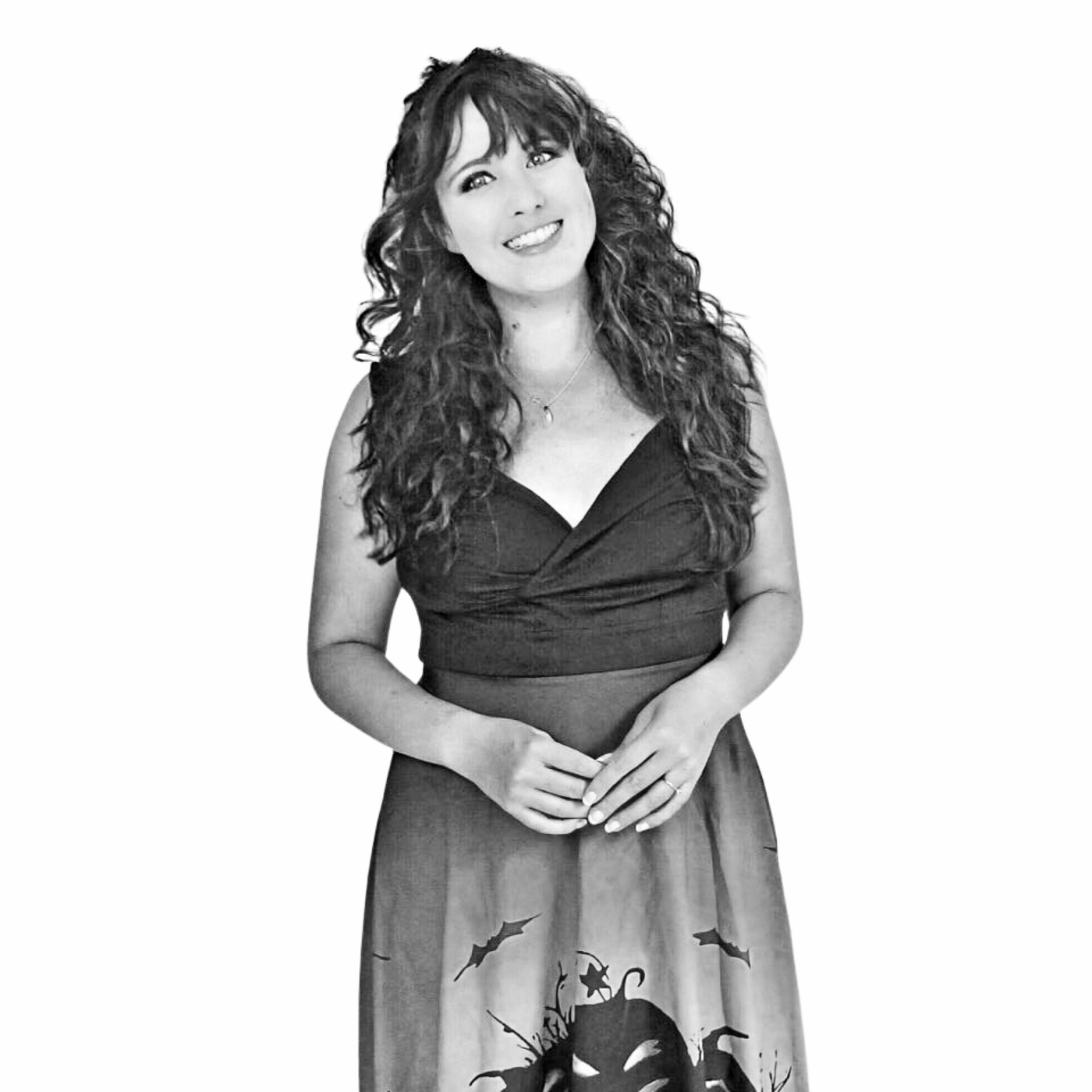
As part of my interview series on the five things you need to know to become a great author, I had the pleasure of interviewing JJ Barnes.
JJ Barnes is an author, screenwriter, and editor of The Table Read magazine. She writes about the experiences of women and girls, sometimes with magic, sometimes with heartbreak, sometimes with monsters… but always women and girls experiencing the challenges of life together. She is passionate about supporting others in the writing community and has a series of Creative Writing Advice videos on YouTube to share her knowledge and inspire others to get their stories out into the world.
Thank you so much for joining us! Can you share a story about what brought you to this particular career path?
Writing books was in my blood from infancy. I think I was drawn to this career path because it’s who I am deeply and intrinsically. When I was too small to write in sentences I drew picture books, and as soon as I was old enough to write, I did. I would pester my parents to read short stories, the first chapters of unfinished novels, and truly ghastly poetry. Everything in me wants to create stories, so it’s the only career path I could ever see myself walking.
Can you share the most interesting story that occurred to you in the course of your career?
When I met my partner, I was working on a book I had been writing for nearly a decade. I was post-divorce, and a single mother raising my one-year-old daughter. I knew this book was the story I wanted to tell, I just couldn’t quite make it work. When I met Jonathan McKinney, we discovered a shared passion for writing. We studied story craft together, learned about the side of storytelling that I had never truly understood, and we broke our stories down into components, and figured out how to put them together again. This process fascinated me and it inspired me. It meant that the book I had been working on for ten years was finally ready to be seen by the world and in 2016 I got to hold Lilly Prospero And The Magic Rabbit in my hands for the first time. I cried my eyes out. All that work, all that passion, all that hope, it all collided in that one moment and it was genuinely the most interesting and exciting experience of my life.
What was the biggest challenge you faced in your journey to becoming an author? How did you overcome it? Can you share a story about that that other aspiring writers can learn from?
I struggled with the pressure from existence to do anything other than writing. I worked in “proper” jobs, and I tried to do what was expected and normal, but I could never rest. I could never find a place I felt happy and right. Everything in me screamed at me to write stories. It isn’t easy, but I forced that time into my world. I wrote in every space I had in my life. I wrote and embraced that love of writing, and forced the world around me to step back and let me prioritise my writing. My advice to anybody in the same situation is to respect yourself and your drive enough to allow yourself to be selfish enough to write. It isn’t for anybody else, it isn’t cleaning or cooking or socialising or caring for somebody else’s needs, it’s just about you and your passion. And you matter enough to do it. So do it.
Can you share a story about the funniest mistake you made when you were first starting? Can you tell us what lesson you learned from that?
While I had a deep and passionate LOVE of story, I had no real understanding of the technical side. I didn’t know about scene level conflict, or three act structures, or varying story pace. I just knew I had characters in my head that were dying to get out. Lilly Prospero And The Magic Rabbit featured some truly bizarre choices that I made when I first started writing. I sent my characters to Tenerife for no reason other than I fancied it. I ended my story on a huge revelation that shapes the entire story, and is now the mid-point. Reading over old drafts is funny… possibly a bit mortifying… but it shows me how far I’ve come and how much I’ve learned.
What are some of the most interesting or exciting projects you are working on now?
I’m currently novelising a film script that we began making prior to lockdown. Gracemarch was produced by the incredible Artisan Films and filmed with the most wonderful cast and crew, but, as with so many things in this industry, it hit a roadblock. I’m turning the script into a novel to hopefully reignite the interest in the story so we can go back into production and finish making our wonderful film.
Can you share the most interesting story that you shared in your book?
The most interesting story in Lilly Prospero And The Magic Rabbit is that of the relationship between Lilly and Saffron. Lilly starts the story as a vulnerable outsider, desperate to fit in, and feeling like she’s just wrong. Saffron is the Queen Bee of the school, a bully, and strong. Their relationship causes both girls to change, take on aspects of one another, and become better, but more complicated versions of themselves. I find the way people grow and change together and then they’re connected in a really deep way fascinating and so very human.
What is the main empowering lesson you want your readers to take away after finishing your book?
Find trustworthy people, and invest in them. Not everybody in your life will want the best for you, not everybody can be trusted. If you find someone who is loyal and good, then don’t take them for granted. Don’t assume that being a good person means they’re a doormat. Your friends matter, and the people who you love and love you in return matter. Find them, invest in them, and treasure them. Distractions will come and go, but good people are for life.
Based on your experience, what are the “5 Things You Need to Know to Become a Great Author”? Please share a story or example for each.
Determination – it isn’t easy to finish a book. There are so many reasons to give up. Whether it’s a busy schedule or a lack of belief from those around you, giving up is far easier than finishing. Be determined. Write it.
Imagination – if you can’t imagine something exciting or interesting then you probably haven’t got what it takes to write a book. A vivid and powerful imagination is essential to create a story that your audience will want to read.
Humility – sometimes you’ll go wrong, and you have to be willing to accept that. Way before you get to the technical spelling and grammar type editing, get people who will be honest with you to read your story and listen to their opinions. Accepting criticism can be hard and changing carefully crafted scenes or characters can hurt. But, as I said, your audience is an intrinsic part of your book. Find a way to tell your story, your way, whilst still figuring out how to give your readers the best possible experience.
Humanity – your characters are the main draw of your story. You can create a fascinating world and exciting conflict, but if the characters you’re following through it are boring or unrealistic, you’ll lose your readers. Draw on your own humanity, your pain, your joy, your fears, your dreams. Be fascinated by the humanity of others around you, learn from them, and be curious about them. Pour humanity into your characters, make them people your audience believes in and wants to spend time with, and you’ll capture their imagination.
Passion – be passionate about your work. Don’t sit there and resent the time spent writing. If you don’t love it if you’re not passionate about it, why do it? Have conversations with your characters when you’re lying in bed awake at night, and dream about them when you’re asleep. Stare out of the window and let your brain explore scenarios your characters could be in and how they’d react. Think of amazing scenes while you’re in the shower then curse yourself because you’ve forgotten it by the time you’ve got dressed. Let this story fill every nook and cranny of your mind where space could be. Love it. If you write it as you love it, that love will be woven through those words, and it will fill anybody who reads it.
What is the one habit you believe contributed the most to you becoming a great writer? (i.e. perseverance, discipline, play, craft study). Can you share a story or example?
I can write anywhere. Some people need a special quiet space or certain sounds or certain smells. I can write in a room where my children are watching TV and knocking piles of blocks over. I can write on a train, I can write in a café, I can write in bed. I wrote my second book, Lilly Prospero And The Mermaid’s Curse, whilst I was heavily pregnant and recovering from swine flu that had put me in ICU. Both I and my second daughter nearly died, and I was on bed rest, and in and out of the hospital. When I was at home, I wrote on the sofa. When I was in the hospital, I took my laptop and wrote in bed. After she was born, I wrote in the middle of the night while I was awake with her and breastfeeding. Not needing a specific set of circumstances to allow me to write is absolutely the greatest power I have that’s let me be an author.
Which literature do you draw inspiration from? Why?
Growing up, like most people of my generation, I idolised JK Rowling. You can absolutely see the influence of the Harry Potter novels in my work, even in the title structure. However, I was also very inspired by the books I read about the lives of women, both in fiction and real life. The Handmaid’s Tale by Margaret Atwood had a profound effect on me and my desire to tell stories about women. Wild Swans by Jung Chang is the true story of three generations of women in China, and again, the experiences of women and girls were central. The Worst Witch by Jill Murphy inspired me to tell stories about girls who aren’t necessarily in control of their power, but full of earnest desire to use it well. And, considering the importance of Jeffrey the rabbit in Lilly Prospero And The Magic Rabbit, we can’t ignore the impact that Richard Adams’ Watership Down had on me.
You are a person of enormous influence. If you could start a movement that would bring the most amount of good to the most amount of people, what would that be? You never know what your idea can trigger. :-)
To change the world through stories. Stories are one of the most powerful ways we can change the world for the better. Through stories, history comes to life. The pain and suffering of the past can so easily be doomed to an existence of dry stats and figures on a page in a history book. Stories make it real, stories make those people and those events something we can connect to and learn from. Through stories, you can show the humanity of people you think of as your enemy. There is humanity and goodness in people in every country, on every side of every ideology, and in every political party. It’s so easy to see people who are different from us as just “other.” Stories allow you to access the word of the “other” and see them as just as human and vulnerable as you and I.
Read stories, watch stories, and write stories that challenge people to understand the lives of people who are different from themselves, and we can start breaking down these walls that make us hate others for being different.
How can our readers follow you on social media?
All my links are on www.jjbarnes.co.uk
I’m on most social platforms, and I mostly post about writing, my family, and my love of cheese.
Website: www.jjbarnes.co.uk www.thetableread.co.uk
Twitter: www.twitter.com/judieannrose www.twitter.com/the_table_read
Facebook: www.facebook.com/jjbarnesauthor www.facebook.com/thetablereadmagazine
Instagram: www.instagram.com/j.j.barnes www.instagram.com/thetableread
Thank you so much for this. This was very inspiring!