I’m going to keep trying to thrive, not just survive.
The commercial real estate industry is a dynamic and challenging landscape that offers enormous potential for success. However, it requires a unique blend of skills, knowledge, and aptitude to truly excel. How does one establish themselves in such a competitive field? What does it take to consistently rise to the top in commercial real estate? How does one rise above the headwinds that are challenging the commercial real estate industry today? In this interview series, we are talking to commercial real estate professionals, brokers, investors, leaders of Real Estate Firms and Real Estate Investment Trusts (REITs), as well as anyone who’s found significant success in this industry.
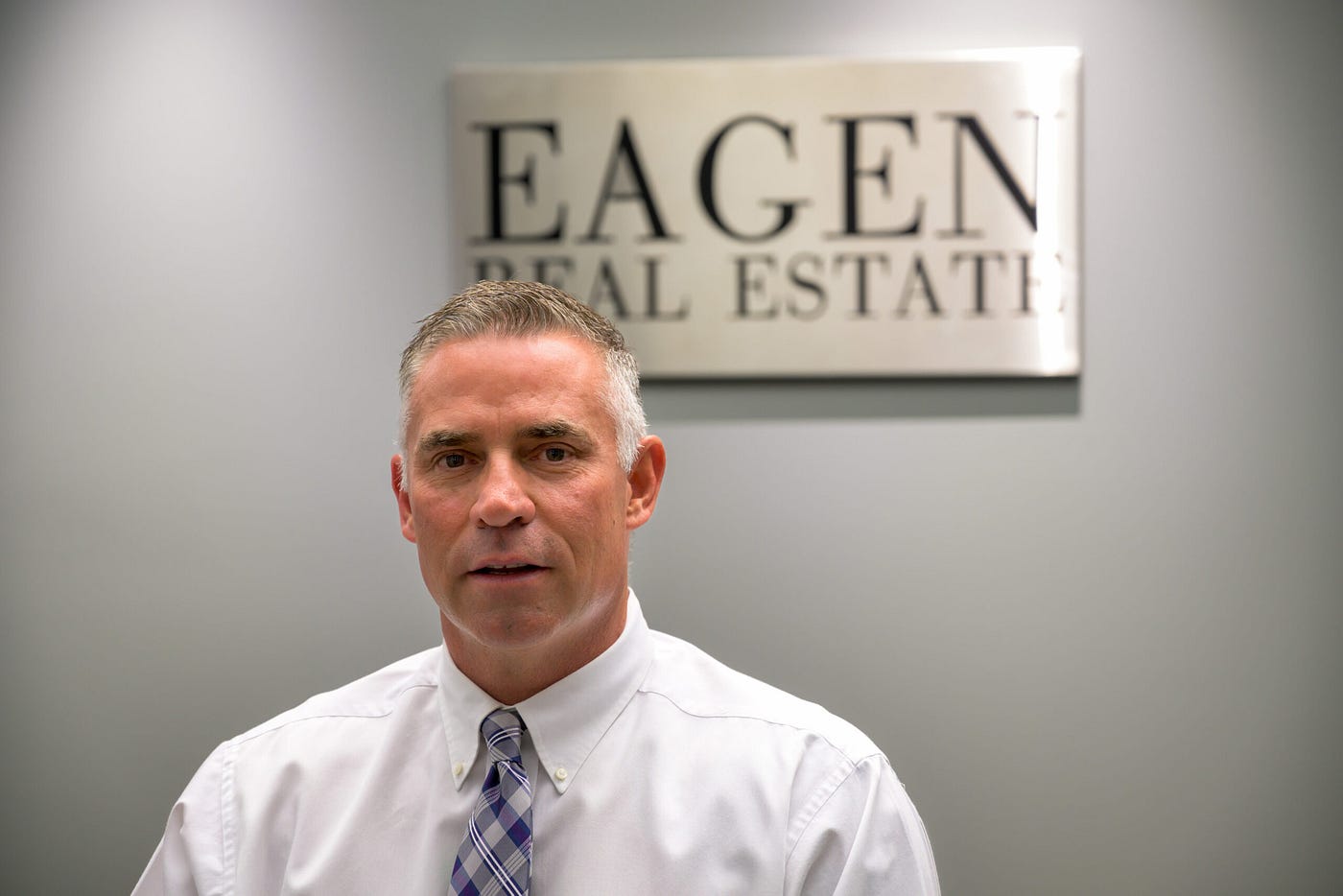
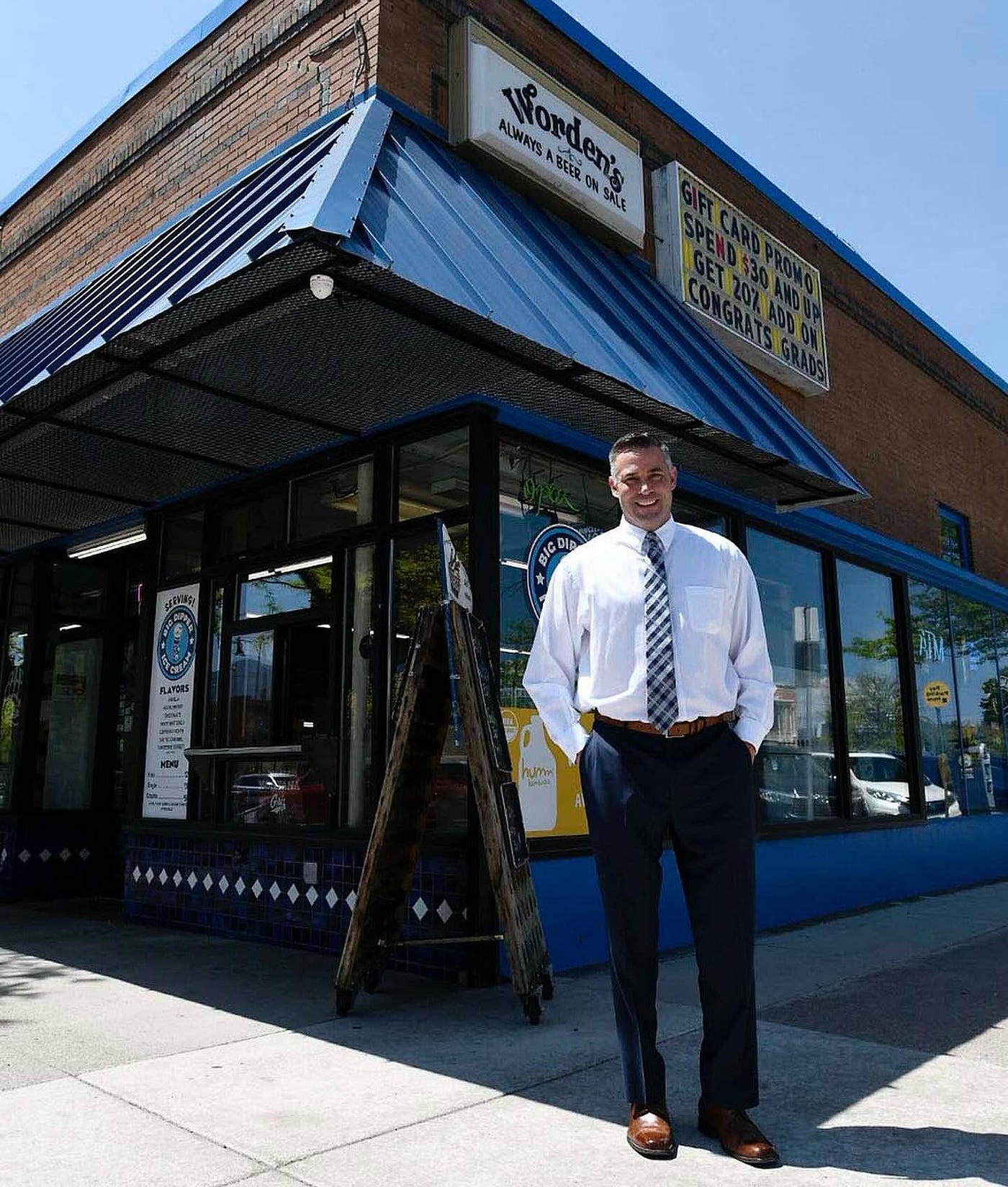
As a part of this series, we had the pleasure of interviewing Jessie Eagen.
Jessie Eagen is the Founder of Eagen Real Estate, a Montana-based commercial real estate brokerage specializing in the acquisition, disposition and leasing of commercial and investment properties throughout Montana. With a career spanning more than three decades, Eagen has developed extensive experience across a broad range of asset classes, including multi-family, retail, office, industrial, development land, and business brokerage, providing clients with deep market analysis, investment guidance, transaction structuring, and negotiation expertise. Under his leadership, Eagen Real Estate has reached nearly one billion in sold transactions spanning 34 years in business working with property owners, investors, developers, and businesses to identify opportunities, maximize asset value, and execute commercial real estate transactions all across Montana.
Thank you so much for joining us in this interview series! Before we dive in, our readers would like to learn a bit about your origin story. Can you share with us a bit about your childhood and how you grew up?
I grew up in Great Falls, Montana, born and raised. My mother was a schoolteacher and my dad was a contractor. I went to Montana State to play basketball in the eighties, then transferred to North Idaho College in Coeur d’Alene. When basketball was over, I was driving back to Great Falls and stopped in Missoula to visit a buddy who played football. I ended up staying. I’ve been here 37 years.
Can you share with us the ‘backstory’ of how you got into the real estate business?
I started college in civil engineering, but eventually got a business degree in Missoula. Real estate development always fascinated me. I remember reading The Art of the Deal, and it really tripped my trigger. After graduating in 1991, I went to Las Vegas, where my dad was semi-retired. Nobody in my family was in real estate, and I had no idea how to get started, so I got my license. Then I moved back to Missoula, where I knew people. My first 15 years were mostly residential, and I was a top-producing agent. I gradually moved into commercial real estate, started buying and flipping properties, and over the last ten years I’ve focused a lot on apartment syndications alongside the brokerage.
Can you tell us about your company and what makes it stand out?
I went out on my own in 2001, leaving a large brokerage in Missoula. It was probably the scariest thing I’ve ever done, but I haven’t looked back. This is a tough business. What makes Eagen Real Estate stand out, I think, is the experience I’ve gained and my determination to succeed. I didn’t have a lot of other options. It was real estate or probably construction. So I put my nose to the grindstone, made my calls, showed up every day, and here we are 34 years later.
Can you tell our readers about the most exciting new projects you are working on now?
The apartment syndications are what really excite me. I find land, put together investors, work with our team on the design, hire a builder, and we build and operate the apartments. We’re focused on workforce housing, not the highest-end luxury units, but something more in the middle that Missoula needs. It’s a heavy lift, because you’re responsible for investors’ money and getting the building built, leased and managed. But we enjoy the monthly income, depreciation and appreciation. It’s been a great model for us.
What are the 3 things that most excite you about the industry now? Why?
First, development. We’ve put together about half a dozen apartment projects in Missoula, and there’s nothing quite like taking an idea from a piece of land to a finished building. Second, helping investors build wealth. People trust me with their money, we get the building leased, and they start receiving what I call mailbox money. It took me about 25 years to do the first one. I’d love to keep doing these projects with my son for another 20 years. Third, there are still opportunities out there, even when the market slows. Every property and every owner is different. Sometimes the next deal starts with a simple phone call.
What are the 3 things that concern you about it? Why? What should be done to address and alleviate those concerns?
First, interest rates. They affect financing and what investors can pay, so you’ve got to be realistic with your numbers. Second, uncertainty — wars, elections and what’s happening in the economy. People get nervous and stop making decisions. But these things are cyclical. We saw that after the Great Recession and again when COVID hit, before the market took off. Third, I worry about people getting discouraged and sitting on the sidelines. You can’t control rates or world events. You can control whether you keep showing up, making calls and looking for opportunities.
If you had the power to put in place 3 changes to improve or reform the industry, what would you suggest? Please share stories or examples, if possible.
First, I’d speed up permitting. Our last apartment project took five and a half months to get a city permit, even with a great team of architects and engineers. That’s a long time for a project to sit. Second, I’d make it easier to build workforce housing. Land, construction, financing and delays all make it difficult to build apartments in the middle of the market, where they’re really needed. Third, I’d like to see more practical training and mentorship for new agents. Contracts and financing matter, but you also need to learn how to talk to people, negotiate and follow up. You learn a lot of that by doing the work alongside experienced people.
How has technology changed the commercial real estate industry, and how do you foresee it shaping the future of the sector?
For those who embrace it, technology has been a game changer. I’ve been using AI for about a year. Just this morning, I entered the details of a commercial lease into ChatGPT and had a letter of intent drafted in about three minutes. I’ve also used Top Producer as a contact manager since the DOS days. Technology helps you keep track of people and follow-up, and I think AI is going to open up even more ways to work efficiently.
I am hearing the phrase “Stay alive until 2025” a lot. What is your plan to survive in the current market?
I get up at 5:30 every morning, go to work and make my calls. But I don’t plan on just staying alive until 2027. I want to thrive. Sure, interest rates have slowed things down, but opportunities are still out there. The other day I saw a house whose owner had moved into a nursing home. I thought, gosh, this could be an 11-unit apartment project. I called the family, then a builder buddy, and boom — we’re under contract. That happened because I picked up the phone. I’m going to keep trying to thrive, not just survive.
For a young person who would like to eventually make a career in commercial real estate, which skills and subjects do they need to learn?
I’d suggest starting in residential real estate to learn how to do deals and talk to people. I remember being six months into the business, sitting at lunch with a couple of real estate attorneys and a builder. One looked at me and asked, ‘What do you think, Jessie?’ I barely knew what to say. You learn to be comfortable in those situations. You also have to be a self-starter, show up every day and, maybe most importantly, learn to follow up. Follow up, follow up and follow up.
Do you have three things you would advise a new real estate professional to avoid?
Don’t take rejection personally. Don’t surround yourself with negative people. And never quit making your calls.
When evaluating deals or opportunities in real estate, what are the most important factors you look for and why? Can you provide some examples?
For apartments, I look closely at the rent-versus-own gap. In Missoula, an average home might cost about $575,000, or roughly $3,200 a month on a mortgage. I can build a two-bedroom, two-bath apartment and rent it for around $1,895. That’s a big difference for younger people who can’t afford to buy. I also like landlord-friendly tertiary markets — smaller places, generally under 125,000 people, where big national developers aren’t always competing.
Can you share a story with us about the hardest deal you made, that ended successfully for you?
One of my first deals started when I was about 24. I’d just sold a mobile home in Lolo for around $51,000 and stopped at a convenience store. An older fellow was sitting outside with his dog. I mentioned I was a real estate agent, and he said they wanted to sell the place. It wasn’t just a store: there was an RV park, motel, café and casino. I knew nothing about liquor licenses, gaming transfers or gas tanks. It was a complicated deal, and just before closing the seller got very sick. We actually closed at St. Patrick’s Hospital. I think my commission was around $27,000. For a 24-year-old kid back then, that was unbelievable. Hard deal, but pretty cool.
Ok, here is the main question of our interview. Based on your personal experience and success, can you please share “Five Things You Need To Create A Highly Successful Career In The Commercial Real Estate Industry”?
1. Show up every day and do the work. From day one, I thought of myself as Jessie Inc. You’re your own boss in this business. Nobody’s standing over you making sure you make your calls. If you’re not willing to be a self-starter, it’s going to be hard to succeed.
2. Pick up the phone. Call owners and follow up with leads. It’s one of the cheapest, most effective things you can do, and it’s amazing how many people don’t do it. That potential 11-unit apartment project came from making a couple of calls.
3. Keep up with technology and use a contact manager. I’ve used Top Producer since it was running on DOS. You need to track contacts, leads and follow-up. Now with AI, there are even more ways to get work done, but you have to be willing to learn.
4. Promote yourself. I’m a pretty private person personally, but Jessie Eagen the broker and Eagen Real Estate are out there. I’ve used newspaper ads, direct mail and social media. You can’t sit in your office and expect people to find you.
5. Build relationships and earn trust. This is a relationship business. After 34 years, a lot of opportunities have come from people I’ve gotten to know. When investors put money into an apartment project I’m building, they’re trusting me with a big commitment. That trust doesn’t happen overnight. You earn it by following through, being honest and doing what you said you’d do.
What advice would you give to another real estate professional about improving the work culture, building team morale, and helping each employee thrive?
I think you should meet with your team at least weekly and talk about what’s going on. I’m a salesperson, not a manager, and I learned that the hard way. Bringing on a sales manager was important. Agents can work on a deal for months and then have it fall apart. They need someone who can coach them, check in and keep their morale up.
You are a person of great influence. If you could start a movement that would bring the most amount of good to the most amount of people, what would that be? You never know what your idea can trigger. :-)
Since COVID, it seems like everything has become polarized. There’s the left and the right and so much fighting. I’ve always considered myself pretty moderate. I grew up Irish Catholic, which back then pretty much meant Democratic, but I’ve never been afraid to vote either way. I don’t have the answer, but I wish we’d remember we’re all Americans and most of us just want happy, healthy lives.
How can our readers further follow your work online?
You can find me at JessieEagen.com and https://www.linkedin.com/in/jessie-eagen/
This was very inspiring. Thank you so much for joining us!