I see pressure as an opportunity, not a burden. It's a chance to show skills, resilience and leadership. Whether facing penalties or leading a team transition, embracing pressure turns it into motivation.
INTERVIEW QUESTIONS:
As a part of our series about the work ethic lessons we can learn from professional athletes,
I had the pleasure of interviewing (Jesse Llamas).
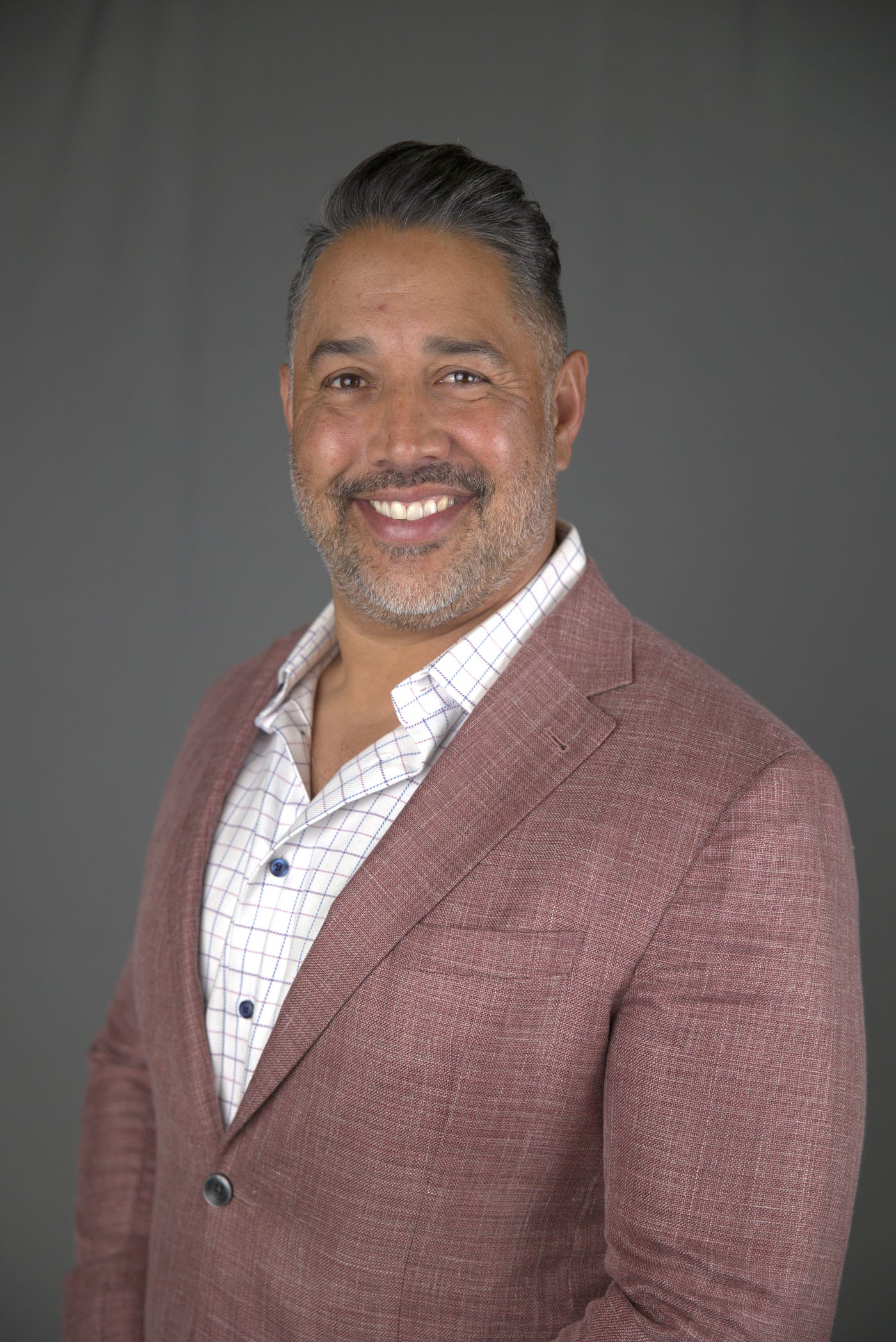
(Two decades ago, Jesse Llamas claimed a Rookie Goalkeeper of the Year award, a standout on the Dallas Sidekicks professional indoor soccer team. Today, he’s the club president and general manager, moving from the field to coaching to the front office – an inspiring journey rooted in resilience, passion and community engagement. His dedication expands beyond the field. He has promoted youth soccer programs in North Texas, expanded the team’s ownership group, enlisted new corporate sponsors and revamped external marketing. Llamas’ experience as an athlete turned entrepreneur gives him a unique perspective on what’s needed to advance the business of sports.)
Thank you so much for doing this with us! It is a great honor. Our readers would love to learn more about your personal background. Can you tell us the story of how you grew up?
I grew up in California, where I began playing soccer at the age of 5. After 10 years of club soccer in California, I began playing professionally and moved to Guadalajara, Mexico. There, I played in various divisions for six years before returning to the U.S. to play for the El Paso Patriots, a pro soccer team. Then I was drafted by the Dallas Sidekicks, and I won my Rookie Goalkeeper of the Year award in 2003. I was also part of the historic upset when Dallas Roma F.C. become the first amateur team to beat an MLS team in Lamar Hunt U.S. Open Cup in 2006.
After my time on the field, I transitioned to coaching, obtaining licenses alongside renowned figures. I served as an athletics director for 13 years, leading schools to numerous state titles and transforming their sports programs during my tenure.
I've remained deeply involved in soccer, working with various youth soccer clubs like the Longhorns, ASG, FC Dallas and Solar. I live in Frisco, Texas, with my wife Ellen and our two sons, Christiano and Isaac.
What or who inspired you to pursue your career as a high-level professional athlete?
At 9 years old, I attended a Los Angeles Lazers and Baltimore Blast game with my coach. After the game, we were taken to the locker room, where I met a professional indoor soccer player for the first time. That was a turning point. It solidified my ambition to pursue a soccer career. From then on, I dedicated myself to the sport, with rigorous training and practice to achieve my goal of a lifelong career in pro soccer.
None of us can achieve success without some help along the way. Was there a particular person who you feel gave you the most help or encouragement to be who you are today? Can you share a story about that?
My sixth grade flag football coach, Coach Russ, was most influential in shaping my athletic career. Even though I didn’t have experience in basketball, Coach Russ invited me to join his team after our flag football season. I followed his instructions, and he told me I was the most trainable athlete he'd ever coached, suggesting I had the potential for a professional sports career. His words fueled my determination, driving me to exceed expectations.
Can you share the funniest or most interesting mistake that occurred to you in the course of your sports career? What lesson or takeaway did you learn from that?
During a playoff game in Mexico's second division, I decided to play despite injuring my knee just three days before. My hesitancy because of the injury resulted in a goal against us, eliminating us from the playoffs. This taught me to recognize my limitations and the value of trusting others when I’m not able to perform optimally.
OK, thank you for all of that. Let’s now shift to the core focus of our interview. As an athlete, you often face high-stakes situations that involve a lot of pressure. Most of us tend to wither in the face of such pressure and stress. Can you share with our readers 3 or 4 strategies that you use to optimize your mind for peak performance before high-pressure, high-stress situations?
Visualization: Ahead of games or big decisions, I picture the process and results. As a goalkeeper, I envisioned every move I’d make during a game. Now, I visualize successful team decisions and the steps to get there.
Routine and preparation: Consistency is key. A trusted routine, physical and mental prep reduce stress. Before, it involved warm-ups, strategy reviews and equipment checks. Now, it's about plans, team alignment and order.
Embracing the moment: I see pressure as an opportunity, not a burden. It's a chance to show skills, resilience and leadership. Whether facing penalties or leading a team transition, embracing pressure turns it into motivation.
Can you tell us the story of your transition from a professional athlete to a successful business person?
After my playing time with the Dallas Sidekicks, I intentionally shifted toward coaching and soccer operations. It wasn’t just about staying close to the game but using my experiences and insights gained on the field for a broader impact.
These skills became the cornerstone of my approach in business. As I transitioned into the role of director of operations and eventually to president and general manager, I focused on creating a vision not just for a team, but for an organization that could inspire and engage with the community.
What are some of the most interesting or exciting new projects you are working on now?
We’re extremely focused on projects that enhance community engagement and fan experience, particularly through strategic sponsorships and special events. A standout is our Dallas City Night game, designed to celebrate the spirit and diversity of Dallas, while uniting sports with its broader cultural scene.
For City Night on March 24, we’re partnering with businesses and brands that share our community commitment and soccer passion. The game is set to be a season highlight, featuring appearances from diverse figures in sports and entertainment, showcasing Dallas unity.
Do you think your experience as a professional athlete gave you skills that make you a better entrepreneur? Can you give a story or example about what you mean?
My time as a professional athlete significantly shaped my entrepreneurship approaches and leadership with the Dallas Sidekicks. As a goalkeeper, I learned the importance of holding composure and the importance of making critical decisions in high-stake situations.
I've approached key business decisions and strategic directions with the same mindset. The discipline, strategic thinking, resilience and leadership developed on the field have been fundamental in managing the challenges and opportunities of running a sports franchise.
Ok. Here is the main question of our interview. Entrepreneurs and professional athletes share a common “hustle culture”. Can you share your “5 Work Ethic Lessons That Entrepreneurs Can Learn From Athletes”? Please share a story or an example for each.
Discipline over motivation: Athletes understand that discipline is far more reliable than motivation. For entrepreneurs, this means setting a routine, adhering to it and pushing forward even on days the drive isn’t there. Success stems from consistent efforts over time, rather than sporadic bursts of inspiration.
Goal setting and performance metrics: Athletes set clear, measurable goals for performance. Setting specific goals as an entrepreneur is paramount – it's about defining your destination, devising a plan to reach it and monitoring progress.
Continuous improvement: Always looking for a way to improve is key. Entrepreneurs must adopt this mindset of perpetual growth by seeking knowledge, refining their business model and staying adaptable to change.
Teamwork and leadership: Just as a soccer team needs cohesion and clear communication, businesses require strong leadership and a team that works well together. It’s critical to foster a positive culture in which all members feel valued and understands their role in achieving the company’s goals.
Resilience in the face of failure: Failure is inherent in both sports and business. What’s important is how one responds to defeat. Entrepreneurs will face setbacks, but resilience and the ability to pivot are what differentiates successful ventures from the rest.
What would you advise a young person who aspires to follow in your footsteps and emulate your career? What advice would you give?
Education and continuous learning: While natural talent and passion are key, education cannot be overlooked. The sports industry is always changing, staying informed will keep you ahead of the game.
Embrace every role: Don’t shy away from different roles, even those that seem minor. Each position offers unique insights and skills, invaluable as you climb the ladder.
Networking and mentorship: Seek out mentors who can guide you, share their experiences and open doors to opportunities. Attend industry events, engage in sports forums and never underestimate the power of a conversation.
You are by all accounts a very successful person. How have you used your success to bring goodness to the world?
I've always aimed to use the influence and success of our team to enact positive change within the broader community. Steering the Sidekicks through the challenging times of the pandemic highlighted the importance of resilience and adaptability. By showing our team could compete, we offered our fans hope and entertainment when it was needed most.
Expanding our ownership group and forging new corporate partnerships have been significant milestones under my leadership. Through strategic collaborations, we've been able to extend our reach and impact.
You are a person of enormous influence. If you could inspire a movement that would bring the most amount of good to the most amount of people, what would that be? You never know what your idea can trigger. :-)
If I had the opportunity to inspire a movement, it would center around the transformative power of youth sports, particularly in soccer, as a vehicle for positive change in communities worldwide. It means providing opportunities to learn, play and grow through the game.
The Sidekicks are already building on this movement. We actively invite youth sports teams, soccer clubs and students from recreational centers to our games. These invitations are more than an opportunity to watch professional indoor soccer. They’re a chance for young athletes to immerse themselves in the game, learn from watching professionals in action and feel part of the larger soccer community.
Can you share your favorite “Life Lesson Quote”? Why does that resonate with you so much?
“Fall seven times and get back up eight times.” Nothing is truer than that quote. We fall way more than we succeed. It truly shows what great character is about.
We are very blessed that some of the biggest names in Business, VC funding, Sports, and Entertainment read this column. Is there a person in the world, or in the US whom you would love to have a private breakfast or lunch with, and why? He or she might just see this, especially if we both tag them :-)
Cristiano Ronaldo – he is an absolute beast of a professional business and family man. I would love to know how he overcame such adversity and how he keeps trying to be the best, all while making others around him elevate themselves to his level.