The most important lesson I believe I’ve learnt recently is that you can’t wait to stop being scared to start or continue doing what you love. There are a lot of factors that are way beyond your control, particularly in this industry.
Pop Culture
Ceylin Kocagoz of Billings Productions: Why You Should Stop Waiting for Your Fear to Subside Before Pursuing Your Creative Ambitions
Producer Ceylin Kocagoz shares how her multidisciplinary background in psychology and storytelling informs her approach to developing global, character-driven projects that bridge cultural divides in the modern entertainment landscape.
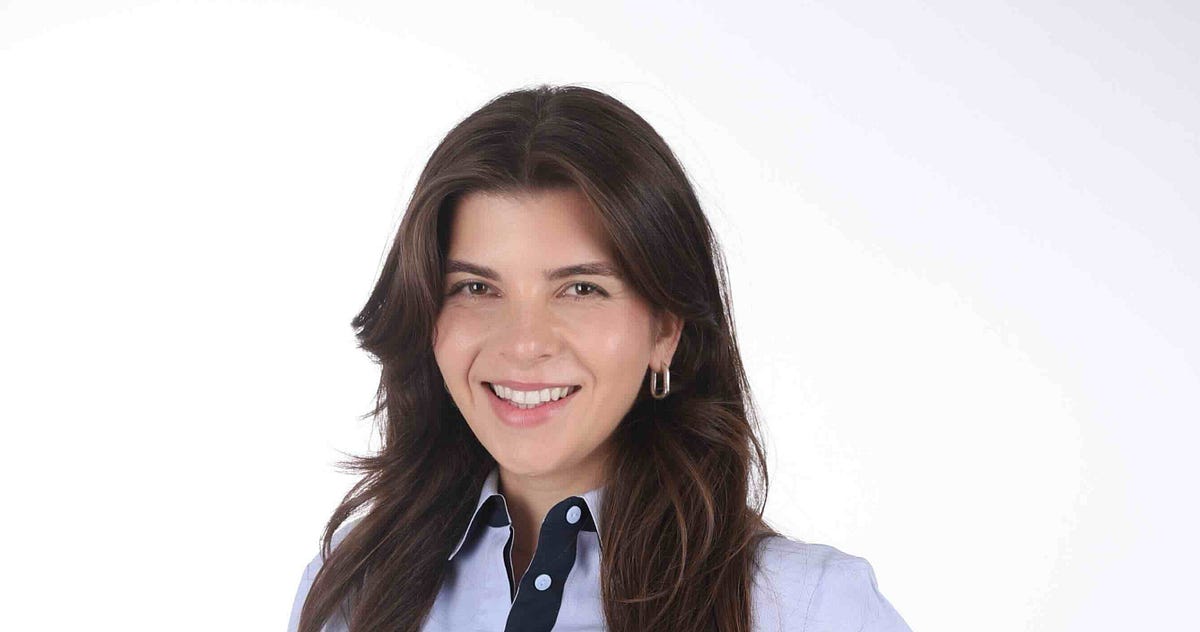
As a part of our series about creating a successful career in TV and Film, I had the distinct pleasure of interviewing Ceylin Kocagoz.
Turkish film and television producer Ceylin Kocagoz works in development, production, and book-to-screen adaptations. She has developed her career creating character-driven stories with global potential while living between the United States and Turkey. She works as a producer at Billings Productions, where she has developed films and television shows where she also co-produced Off Campus, an Amazon MGM Studios production based on Elle Kennedy’s best-selling novels. In addition, she works with writers, producers, authors, and industry partners in both domestic and foreign markets to develop and package literary intellectual property for the screen. Kocagoz attended Koç University to study psychology before enrolling in programs at NYFA, UCLA Extension, and NYU Tisch to further her education in entertainment, filmmaking, and design. Her approach to character, development, and production is still influenced by her multidisciplinary training in psychology and storytelling. She is particularly interested in female-driven stories, book-to-screen adaptations, and projects that connect global audiences since she is passionate about stories that can transcend cultural boundaries.
Thank you so much for joining us in this interview series! Can you tell us the story of how you grew up?
Thank you for having me, it’s always a pleasure to be back here! I am originally from a seaside town called Izmir in Turkey. Honestly I had a very lucky childhood where I got to try ev very form of art as a kid, and ended up growing up as being a musical theatre kid and a piano player. I attended to American colleges since the age 5, which ended up having this vision of dreaming a career in the states as a foreigner.
Can you share a story with us about what brought you to this specific career path?
As I mentioned, because of growing up so connected to music and theatre, my dream was to become a musical theatre artist eventually. I remember thinking how magical it is to be on that stage and be part of a master piece that would make the audience feel all the ups and downs. Yet, where I’m from actually felt very limiting. Even though I continued working a child actor in musicals in Turkey, eventually I started thinking I am too late to be part of Broadway world, and thought I wouldn’t have enough time to start from scratch in the big apple. This fear actually pushed me exploring on screen acting and I started doing screen acting programs all over the world. Back in 2017 I finally came to my dream school New York Film Academy’s LA Campus. And fell in love with the city. Since the first minute I knew I want to move to LA, even if it means just being part of the environment. I applied to UCLA for my masters degree and studied Entertainment Business and Management, which led me into experiences and jobs in the entertainment industry. As I started having a more broader vision of the industry after few years, I realized I could do more than acting, as I started finding out I’m actually good at screenwriting, managing people, creating a story/idea and even developing marketing strategy for it. This made start my journey as a producer.
Can you tell us the most interesting story that happened to you since you began your career?
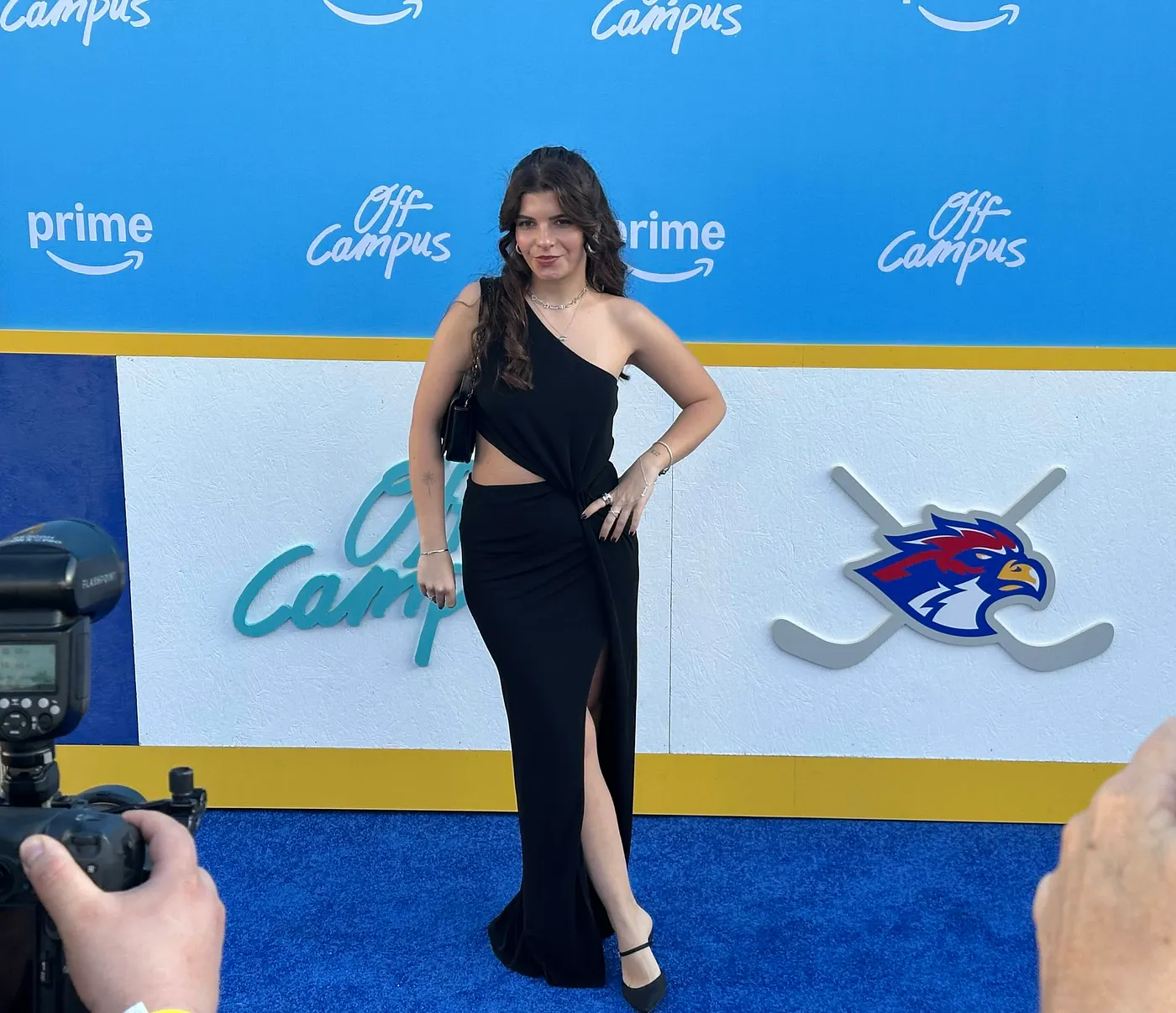
Observing a project I worked on from the very beginning blossom into a series with Amazon has been one of the most significant experiences. It was very magical and interesting to watch Off Campus go from development materials to a real set. It can take years of work in this field to make something tangible and that experience made me realize why I enjoy producing. It’s very special to see a concept that was just on paper come to life with a cast, crew, and audience. Which would stay as the most interesting but also the most motivating part of the industry.
It has been said that our mistakes can be our greatest teachers. Can you share a story about the funniest mistake you made when you were first starting? Can you tell us what lesson you learned from that?
Okay maybe this would sound so basic but I believe this mistake and lesson can be something that wouldn’t be less at any point at your career. When I first started out I was thinking I had to know everything before I could ask a question. Because I didn’t want to look like someone who is inexperienced, I would spend too much time trying to figure anything out on my own, which definitely made things so much more harder than they needed to be! But eventually I discovered that no one expects you to be an expert, and sometimes even the most experienced people have new things to learn. So the most beneficial trait you can bring to your work life is asking the questions you need to ask and a being open to learn from others.
What are some of the most interesting or exciting projects you are working on now?
Obviously we are so excited for the audience to see the second season of Off Campus, since we received a huge interest in the first season. Other than that, we are also working on adapting the psychological thriller book The Other Woman by Sandie Jones which was a Reese Witherspoon book club pick that excites us as well. More on to those, I am working on so many other IP adaptations and originals that I can’t really speak about YET, but can’t wait to be part of so many new and unique stories very soon.
You have been blessed with success in a career path that can be challenging. Do you have any words of advice for others who may want to embark on this career path, but seem daunted by the prospect of failure?
The most important lesson I believe I’ve learnt recently is that you can’t wait to stop being scared to start or continue doing what you love. There are a lot of factors that are way beyond your control, particularly in this industry. Because projects fail, possibilities once you believed so much don’t work out, you hear the answer ‘no’ all the time and sometimes even things you’ve worked on for years never end up on screen. You must learn not to see these as evidence that you are headed in the wrong direction or that you should stop doing what you do. Instead you should learn to came back from those even stronger and more inspiration. Success in entertainment, in my opinion, not really comes from a single huge break or luck. I feel it’s a cumulative progress of many little decisions and actions. That is why, I would advise not living just for the success but make it your mission to develop a career that you are so passionate about where you accept failures as a necessary lessons and big parts of the process.
We are very interested in diversity in the entertainment industry. Can you share three reasons with our readers about why you think it’s important to have diversity represented in film and television? How can that potentially affect our culture?
First of all I feel very lucky to be the diversity itself in the industry. And after having somehow exposure on my people in my country, I started having conversations with young creatives whom I get to see that are inspired from my career and feeling more motivated. That is everything and the number one reason why diversity is so important, so diverse communities and young people can start believing the idea that they can do it as well.
Second, diversity makes storytelling so much better. It brings are so many perspectives, communities and experiences that we still haven’t explored enough on screen. Bringing different voices into the room both in front of and behind the camera, doesn’t just create representation but it gives us characters, worlds and stories we haven’t seen a hundred times before, even if it means using a different way to tell the story.
And last but not least, storytelling creates huge empathy. Film and TV allow us to spend time inside someone else’s shoes, sometimes with people we might never encounter in our everyday lives. When those portrayals are authentic and multidimensional, they actually challenge our assumptions and remind us that despite cultural differences, many of the emotions that connect us are all very much universal. This is more than magic to me and why I do what I do.
What are your “5 things I wish someone told me when I first started” and why? Please share a story or example for each.
1. You don’t have to know every step of the way. I knew I wanted to work in entertainment when I went to Los Angeles from Turkey, but I had no idea what my career would entail. Before learning that producing brought together so many of the things I enjoyed, I experimented with acting, production, development and other aspects of filmmaking as I told you in earlier answers. Sometimes you don’t need to plan every step ahead of time in order to find your route.
2. Relationships are just as important as the work. While hard effort is necessary, success also requires a great deal of teamwork. Relationships developed over time have led to some of the most significant opportunities in my career. Stay in touch, be nice, show kindness and never view a relationship as only transactional. Even though you will for sure meet with SO MANY people who would view the relationships as only transactional.
3. The answer no does not automatically mean never. In our industry, you hear that all the time. A project may be shelved for reasons unrelated to its quality. I’ve discovered that a single rejection shouldn’t affect how I feel about a project or about myself. Sometimes all it takes is the right project and the right person at the right moment to create the perfect chance.
4. Before you’re fully ready, you can still speak up. I sometimes held back because I thought I shouldn’t talk yet. As time went on, I understood that having a unique viewpoint is an enough reason to speak up. As long as you follow your gut and share your thoughts, there is no reason to stop yourself.
5. Enjoy every second of everything because once you accomplish the next objective, you’ll miss some of it. It’s very simple to live in the idea of ‘what’s next?’ mindset in the entertainment industry. The internship, the job, the project, the approval and the release are what you want. Your career and even life is really made up of everything that occurs in between the major milestones, not the actual milestones alone.
Which tips would you recommend to your colleagues in your industry to help them to thrive and not “burn out”?
I think it’s VERY important to keep in mind that your work is only one aspect of your life even if it’s a big dream of yours. I think our industry is very tricky because we have to dream so big and work so hard, it create this illusion of being the most important thing in life. I think that is the worst thing you could ever believe in if you are working in any form of entertainment industry. This did not happen quickly but over the years as life happened… I’ve learned to set limits, schedule time for my family and the people or things that heal me and recognize the little victories along the way as this industry can make you feel like you have to be accessible all the time or strive for the next chance. Sustainability and balance but not just ambition, is necessary for a longer career in my opinion.
You are a person of enormous influence. If you could inspire a movement that would bring the most amount of good to the most amount of people, what would that be? You never know what your idea can trigger. :-)
LOVED this question. I would definitely start a movement based on the idea that your accomplishment is not diminished by the success of others. Because I believe that a culture that values cooperation and support more than gatekeeping, envy and purposefully blocking others’ opportunities would be beneficial to all of us. I feel the competition and comparison is unfortunately a big part of this industry as well as today’s world so I think we might all have far more success, not just in entertainment, but in every part of life, if we concentrated on being happy and supportive for each other rather than blocking them.
None of us are able to achieve success without some help along the way. Is there a particular person who you are grateful towards who helped get you to where you are? Can you share a story about that?
Without a doubt, that would be my mom and day. They helped me SO MUCH along every step of the way, even if it meant moving across the globe and pursing a field with little guaranties. I will always be really appreciative of having parents who believe in me, especially when I’m still finding things out on your own. Because the support and help from the people you love the most is the most precious gratitude you could ever have in any stage of your career. I still have so many things to do and a long way to go, but knowing that I have them by my side, I am not afraid.
Can you please give us your favorite “Life Lesson Quote”? Can you share how that was relevant to you in your life?
“The things you deeply want and dream of is probably calling you because a future version of you already has them” is one of my favorite life lesson quotes. I ADORE this concept because it reminds me to view my ambitions as possibilities rather than impossibilities. I’m also very inspired to trust my vision, manifesting, keep working toward it and have faith that the life I’m striving for might already be waiting for me because many of the things I have in my life now were once things I used to dream.
We are very blessed that some very prominent names in Business, VC funding, Sports, and Entertainment read this column. Is there a person in the world, or in the US with whom you would love to have a private breakfast or lunch with, and why? He or she might just see this if we tag them.
I wish I could do a brunch with Hans Zimmer. The ability of music to tell a story and the way a score can drastically alter how we see a moment or recall a movie have always captivated me. Some of the most famous cinematic moments have been influenced by his work and I’d love to know how he addresses emotion, creativity and teamwork as I believe music and any other form of art are highly dependent to each other.
How can our readers follow you online?
They can follow my instagram @ceylinkocagz for all of my work and personal life experiences.
This was very meaningful, thank you so much! We wish you continued success!
About The Interviewer: Tavares Beverly ( www.tavaresbeverly.com ) is the Founder and CEO of Beverly Boy Productions, a national video production company that has helped organizations tell their stories through video for more than two decades. Over the course of his career, he has worked with everyone from Fortune 500 executives and healthcare professionals to politicians, nonprofit leaders, educators, and artists, gaining a unique perspective on the role communication plays in leadership, business, and human connection. A frequent contributor on topics including communication, entrepreneurship, leadership, and personal development, Tavares believes that the ability to communicate effectively is one of the most valuable skills a person can develop. His work is driven by a passion for helping organizations connect with their audiences and helping individuals unlock their potential through mentorship, perseverance, and meaningful relationships. To learn more, connect with Tavares on LinkedIn or visit www.BeverlyBoy.com . If you’re interested in using the power of storytelling and communication to grow your organization, strengthen your brand, or inspire your audience, he welcomes the opportunity to connect.
TB
Written by
Tavares Beverly
Executive Contributor · Authority MagazineTavares Beverly is an executive interviewer and contributor covering leadership, culture, and business for Authority Magazine.

Published inAuthority MagazineTop Lessons, Top Authorities · 42K Followers
Exclusive, curated interviews with the leaders and changemakers shaping tomorrow. Leadership lessons, industry deep dives, and executive profiles.
More from Authority Magazine
See all stories →
A
Authority Magazine Editorial StaffJasmine Badie: Professional Success Requires Mastering The Discipline Of Being Unneeded
Pop Culture25 min read
Y
Yitzi WeinerGavin Goudey: Internal Vulnerability Is the Primary Engine of Authentic Performance
Pop Culture22 min read
Y
Yitzi WeinerNate Bynum: The Paradox of Authenticity That Unlocks Peak Performance
Pop Culture20 min read
Y
Yitzi WeinerSam Drysdale: Inside the DIY Architecture of Independent Music Sustainability
Pop Culture16 min read