The spirits industry is one where most things have been done one way for a very long time. I’m a big believer in the fact that we shouldn’t just follow the crowd, but rather ask questions to find out why something is being done in a particular way.
Business
Jake Ireland of Off Hours: The Relentless Questioning That Breaks Open Archaic Industries
The founder of Off Hours shares how challenging industry norms, embracing transparency, and staying curious built a transparent lifestyle brand for modern bourbon drinkers.

Startups have such a glamorous reputation. Companies like Facebook, Instagram, Youtube, Uber, and Airbnb once started as scrappy startups with huge dreams and huge obstacles.
Yet we of course know that most startups don’t end up as success stories. What does a founder or a founding team need to know to create a highly successful startup?
In this series, called “Five Things You Need To Create A Highly Successful Startup” we are talking to experienced and successful founders and business leaders who can share stories from their experience about what it takes to create a highly successful startup.
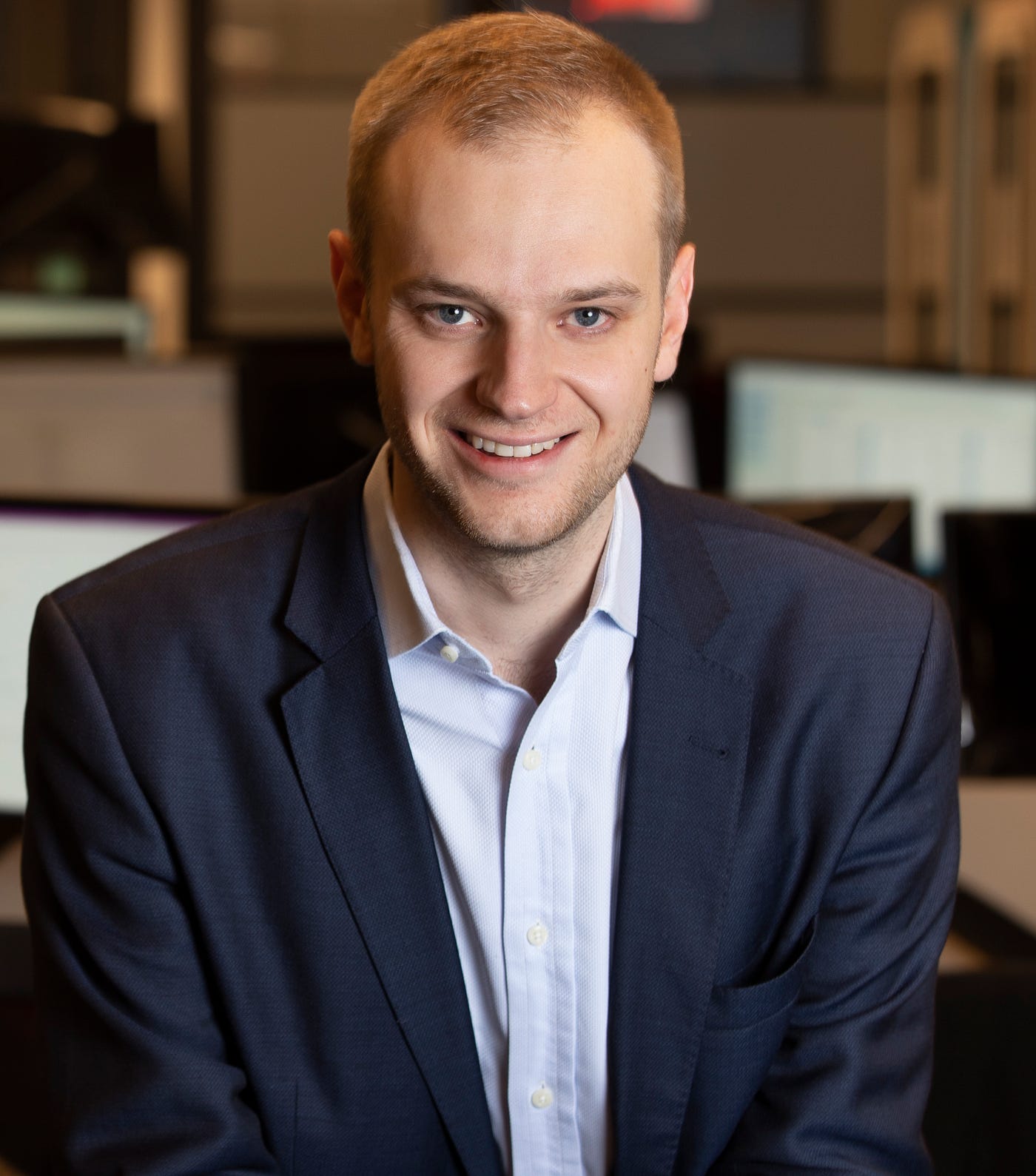
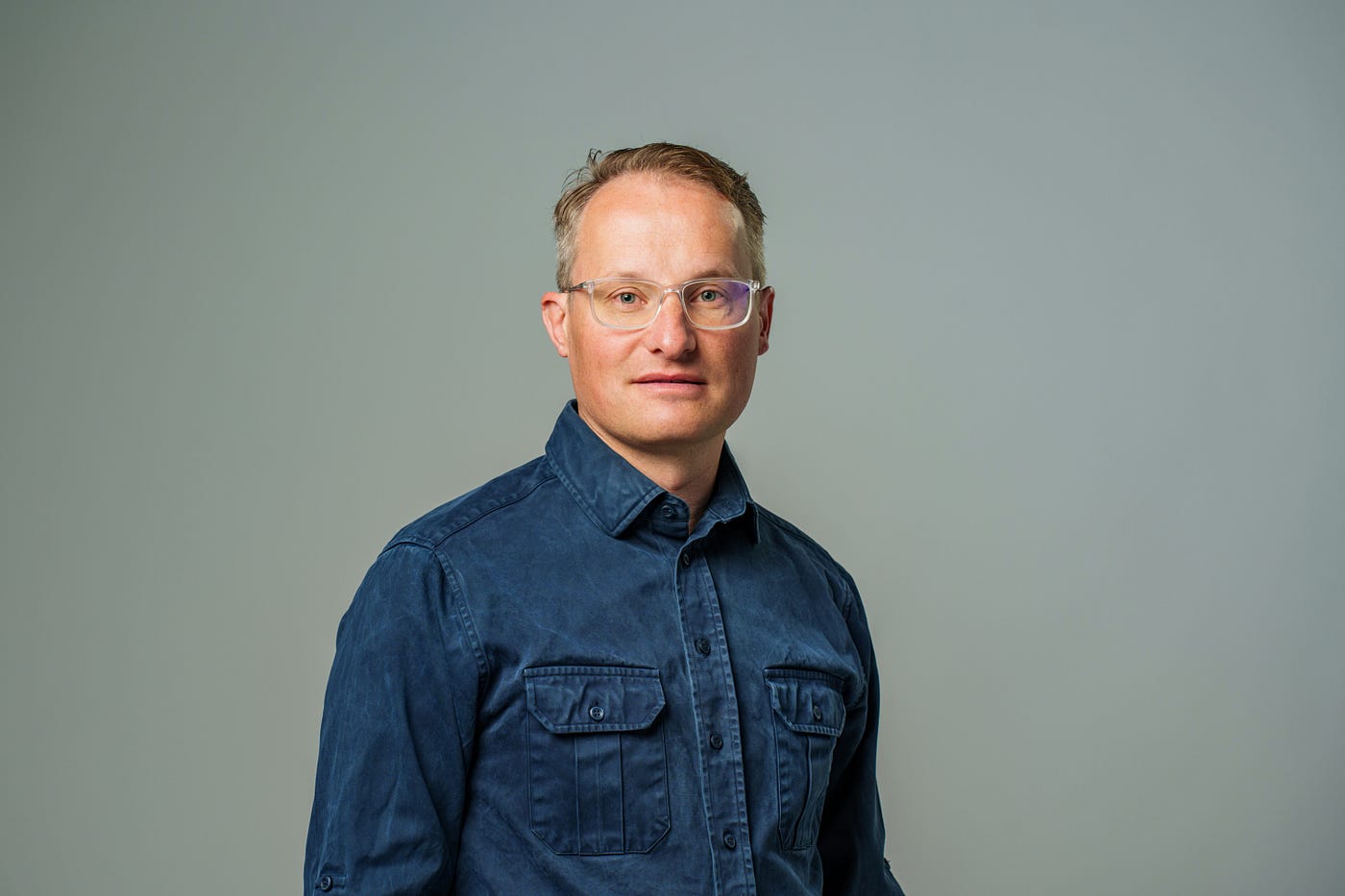
I had the pleasure of interviewing Jake Ireland, Founder of Off Hours.
Jake Ireland grew up in Indiana, close by to the distillery that Off Hours currently sources barrels from. Jake founded Off Hours in 2020 after investing in and becoming an owner of a bourbon brand where he learned a host of lessons in order to break through in the hyper competitive spirits industry. He currently resides in Los Angeles with his wife Lauren and two children, Evan and Ella.
Thank you so much for joining us in this interview series! Before we dive in, our readers would love to “get to know you” a bit better. Can you tell us a bit about your ‘backstory’ and how you got started?
I grew up in Indiana, very close to the distillery where we source our barrels from. With family and friends working in the industry for several decades, I was able to learn the ins-and-outs at an early age yet could never find a bourbon brand that was relatable to my own lifestyle. Rather, the bourbon landscape is filled with brands having a host of embellished backstories, and unspoken rules about how bourbon is supposed to be consumed, making it feel exclusive for no reason at all — for example, bourbon is meant to only be enjoyed neat at the end of the day. I’ve never understood this, and it inspired me to build a lifestyle brand aimed at today’s modern bourbon drinker that is fully transparent and authentic with no attempt to mislead the consumer.
What was the “Aha Moment” that led to the idea for your current company? Can you share that story with us?
It wasn’t one particular moment for me but rather the accumulation of times over the course of a few years where I found myself asking “why shouldn’t I start this?” The more I researched, the more it became increasingly clear to me that there was a void in the market for the brand I wanted to build.
Was there somebody in your life who inspired or helped you to start your journey with your business? Can you share a story with us?
My wife is a constant inspiration to me. Whether it be about her business acumen or her never-ending positivity and belief in people. I can remember countless conversations with her where she encouraged me to take the leap and start this business to challenge the norm because I believed in it.
What do you think makes your company stand out? Can you share a story?
We of course focus on producing exceptional bourbon but when people think about Off Hours, I want them to think about the moments they’ve had and enjoyed while drinking a glass of the bourbon. I want them to be inspired to seek more real-life connection, more time outdoors and less time behind their screens. To find the time and the moments that make life wonderful.
How have you used your success to bring goodness to the world?
I’m passionate about changing the industry as a whole and focusing on the experience of drinking bourbon itself — the places we enjoy it at, the people we enjoy it with, along with making sure that bourbon feels approachable and for everyone.
You are a successful business leader. Which three character traits do you think were most instrumental to your success? Can you please share a story or example for each?
The first is always staying curious and embracing new ways of thinking. The spirits industry is one where most things have been done one way for a very long time. I’m a big believer in the fact that we shouldn’t just follow the crowd, but rather ask questions to find out why something is being done in a particular way. You can then find better, more efficient ways to grow based on those lessons. Over the past few years with Off Hours, I’ve had countless calls with industry professionals just asking questions. The learnings have been invaluable.
The second is authenticity and integrity. Whether that be in my communication with the team or in the communication with our customer. It is important to me that the brand also reflects this quality so, I in turn, need to practice these traits in all that we do. For example, last holiday we were inundated with more orders than we had anticipated. Though this is a good problem to have for a lot of business owners, to me the most important thing was to ensure we made up for any customer disappointment. I spent weeks with my team calling customers to extend my personal apologies for the delay in their order arrival. Being honest and transparent about the situation led to customers being gracious and understanding of the situation.
The third is the ability to learn from mistakes and/or failures and see them as opportunities. In a lot of cases, you fail multiple times to eventually succeed in business. For me, I take countless lessons learned from my previous brand experiences and apply them to the strategy with Off Hours.
Often leaders are asked to share the best advice they received. But let’s reverse the question. Can you share a story about advice you’ve received that you now wish you never followed?
I have been told time and time again that the spirits industry is “archaic” and it just is the way it is. It’s not advice that I follow per se, but each time we run up against a challenge, I remind myself that just because something has been done one way for years, doesn’t mean it needs to continue in that manner.
Can you tell us a story about the hard times that you faced when you first started your journey?
I certainly never planned to launch the brand during a global pandemic. At a time when there was a lot of uncertainty in the industry, we were able to turn that challenge into a positive experience.
Where did you get the drive to continue even though things were so hard? What strategies or techniques did you use to help overcome those challenges?
As people were spending the majority of their time at home, and without question needing “off hours” more than ever, we chose to shift our strategy significantly and saw great success focusing on our DTC business and in-home delivery. It sounds cliché but turning a negative into a positive gave us an incredible foundation to the success we have seen and was a silver lining to 2020.
The journey of an entrepreneur is never easy, and is filled with challenges, failures, setbacks, as well as joys, thrills and celebrations. Can you share a few ideas or stories from your experience about how to successfully ride the emotional highs & lows of being a founder”?
My best advice is to not get caught up in the highs and believing that the work is done, while also not allowing the difficult periods to discourage you from moving forward. I believe it’s important to celebrate even the smallest wins, but don’t let it take you away from the work needed to achieve the end goal. Whenever I experience failures or setbacks, my approach is to think through solutions to avoid making the same mistake twice.
Let’s imagine that a young founder comes to you and asks for your advice about whether venture capital or bootstrapping is best for them? What would you advise them? Can you kindly share a few things a founder should look at to determine if fundraising or bootstrapping is the right choice?
This is a particularly interesting question as I spent years working in venture capital but chose ultimately to bootstrap Off Hours. My personal advice is that each scenario should be evaluated completely independently. Do the partners add significant value — either from a capital or experience standpoint? Is the capital proportionate to the equity provided? Can you do it yourself or does it make more sense to bring on someone who can allow you to focus on your strengths and can cover your weaknesses? In my opinion, you must keep in mind the bigger picture and not be afraid to give up a little to potentially gain a lot more in the long run.
Ok super. Here is the main question of our interview. Many startups are not successful, and some are very successful. From your experience or perspective, what are the main factors that distinguish successful startups from unsuccessful ones? What are your “Five Things You Need To Create A Highly Successful Startup”? If you can, please share a story or an example for each.
There are numerous factors that play into making a startup successful or not. The team, the product, the timing, the funding — all these need to be aligned to have a shot at creating a successful business.
The five things I believe needed to create a highly successful startup are:
- Determination & Leadership
- Having a clear vision and goals
- Being relational and having empathy
- Being open to other people’s perspectives
- Wearing as many hats as is needed
I don’t believe any startup has ever been successful without determination starting with the founder(s). Leadership must start at the top as the company needs direction to reach its goals. Had we chosen not to pivot and take Off Hours in a different sales direction during the pandemic, I don’t believe the company would be successful today.
Having a clear vision and setting attainable goals is something I believe makes a company successful. The teamwork needed and the feeling of accomplishment when achieving these goals is necessary to keep the business moving forward. We set monthly, quarterly, and annual goals for different aspects of the business, which allows us to understand what is working and what needs improvement.
Like many other industries, the alcohol industry is very relationship driven. Being empathetic and creating a network of individuals willing to help should increase the likelihood of success. I enjoy meeting new people and finding commonality even when our backgrounds may be completely different. Many times, these people can offer advice or be willing to make introductions that may solve future problems.
One of the main reasons I believe companies are unsuccessful is the unwillingness of the founder to be open to other people’s perspectives. I try to get our team’s input at many different levels prior to making any major decisions for the company. I understand that my thoughts may differ from others, and I may not have the experience in a certain area that another team member has. By keeping an open mind and considering other’s thoughts, I think founders are less likely to make mistakes that can be detrimental to the company.
To be successful, I believe founders should not be afraid to wear multiple hats. There is no better way to understand your business than to experience each area firsthand. I’ve seen others in the past that believe they are “above” the role, which should never be the case for the founder. While creating Off Hours, I learned so much about areas of the business that I was unaware of prior to launching. I challenge myself to continuously learn more about each sector of the industry so that I am in a better position to understand why a problem may occur and how best to solve it.
What are the most common mistakes you have seen CEOs & founders make when they start a business? What can be done to avoid those errors?
To me, I think one of the hardest things as a founder is to be agile or flexible, especially after all the hard work it takes to build a company starting from an idea. That being said, it’s also one of the biggest mistakes I’ve seen made and one of the most important things I’ve learned in starting my own business. A founder must allow their initial vision to evolve to keep pace with the needs of the business.
Startup founders often work extremely long hours and it’s easy to burn the candle at both ends. What would you recommend to founders about how to best take care of their physical and mental wellness when starting a company?
Everyone needs their own “Off Hours.” For me personally, that’s time with family, a great glass of bourbon or exercise to help clear my mind.
You are a person of great influence. If you could start a movement that would bring the most amount of good to the most amount of people, what would that be? You never know what your idea can trigger. :-)
This is a tough one. I’m not sure what the movement would be, but it would be focused on bringing people together from different backgrounds, sharing stories, building friendships and creating lasting memories.
We are blessed that some very prominent names in Business, VC funding, Sports, and Entertainment read this column. Is there a person in the world, or in the US with whom you would love to have a private breakfast or lunch, and why? He or she might just see this if we tag them.
Being a big sports fan, I would love to have a chance to sit down with Michael Jordan. Getting to hear about his determination and work ethic that drove him at an early age to such an incredible playing career as well as business career following retirement would be inspiring.
How can our readers further follow your work online?
You can follow us at @drinkoffhours on Instagram and our website at www.drinkoffhours.com; My personal Instagram is @mr_jake_ireland for those who want to follow along there as well.
This was very inspiring. Thank you so much for the time you spent with this. We wish you continued success and good health!
AM
Written by
Authority Magazine Editorial Staff
Editorial Desk · Authority MagazineThe Authority Magazine Editorial Desk produces, verifies, and edits long-form primary-source interviews with executives, innovators, clinicians, creators, and social impact leaders across Business, Tech, Pop Culture, Wellness, and Social Impact.

Published inAuthority MagazineTop Lessons, Top Authorities · 42K Followers
Exclusive, curated interviews with the leaders and changemakers shaping tomorrow. Leadership lessons, industry deep dives, and executive profiles.