We had very few employees and were trying to figure out where to spend money to grow the fastest.
Business
Hyaat Chaudhary of Luxome on Challenging Status Quo Comfort, Venture Capital Lessons, and Building Authentic Brand Trust
The founder and CEO discusses his transition from venture capital to eCommerce, the lessons learned from early marketing failures, and his mission to reinvent the luxury comfort space.
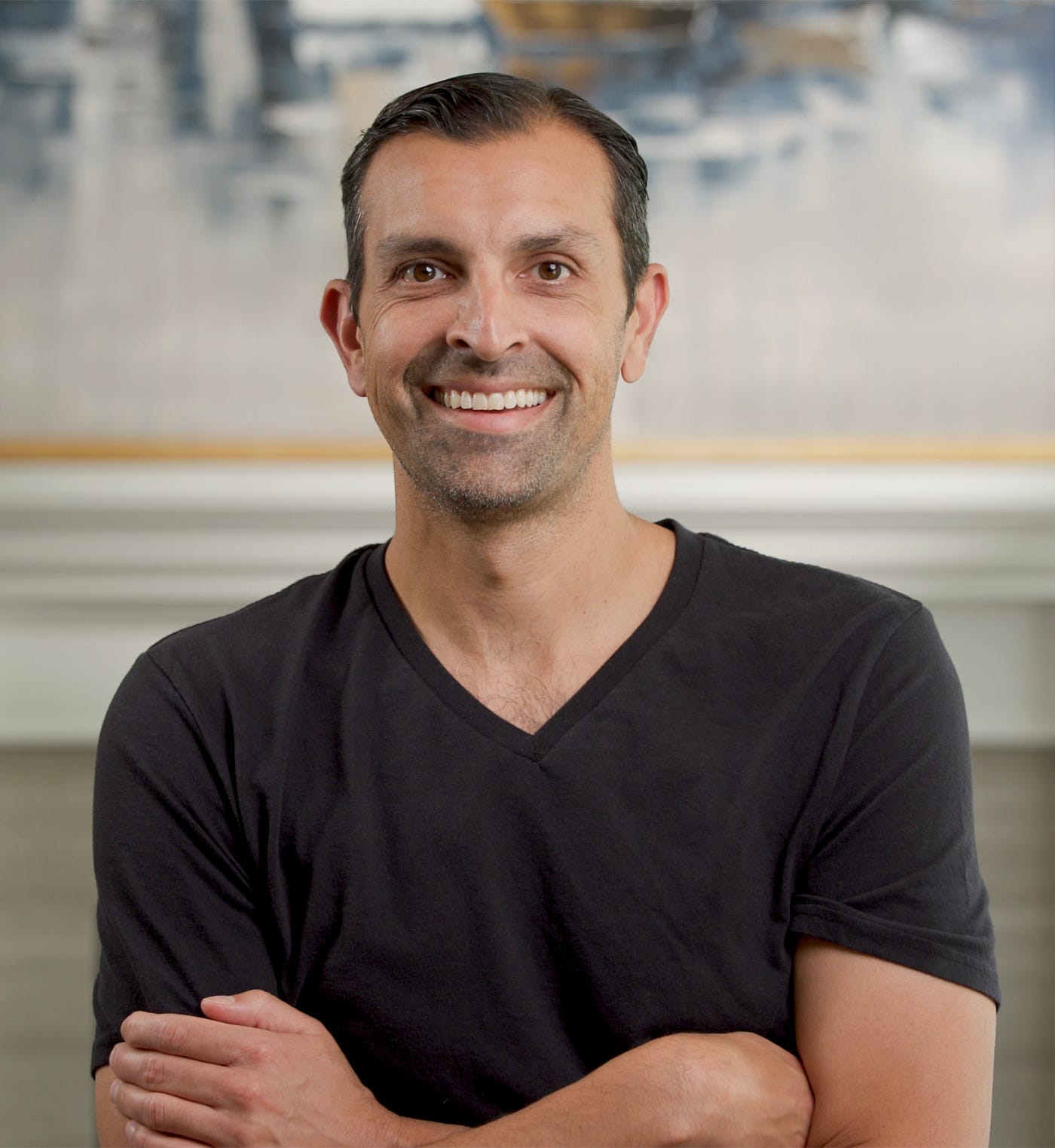
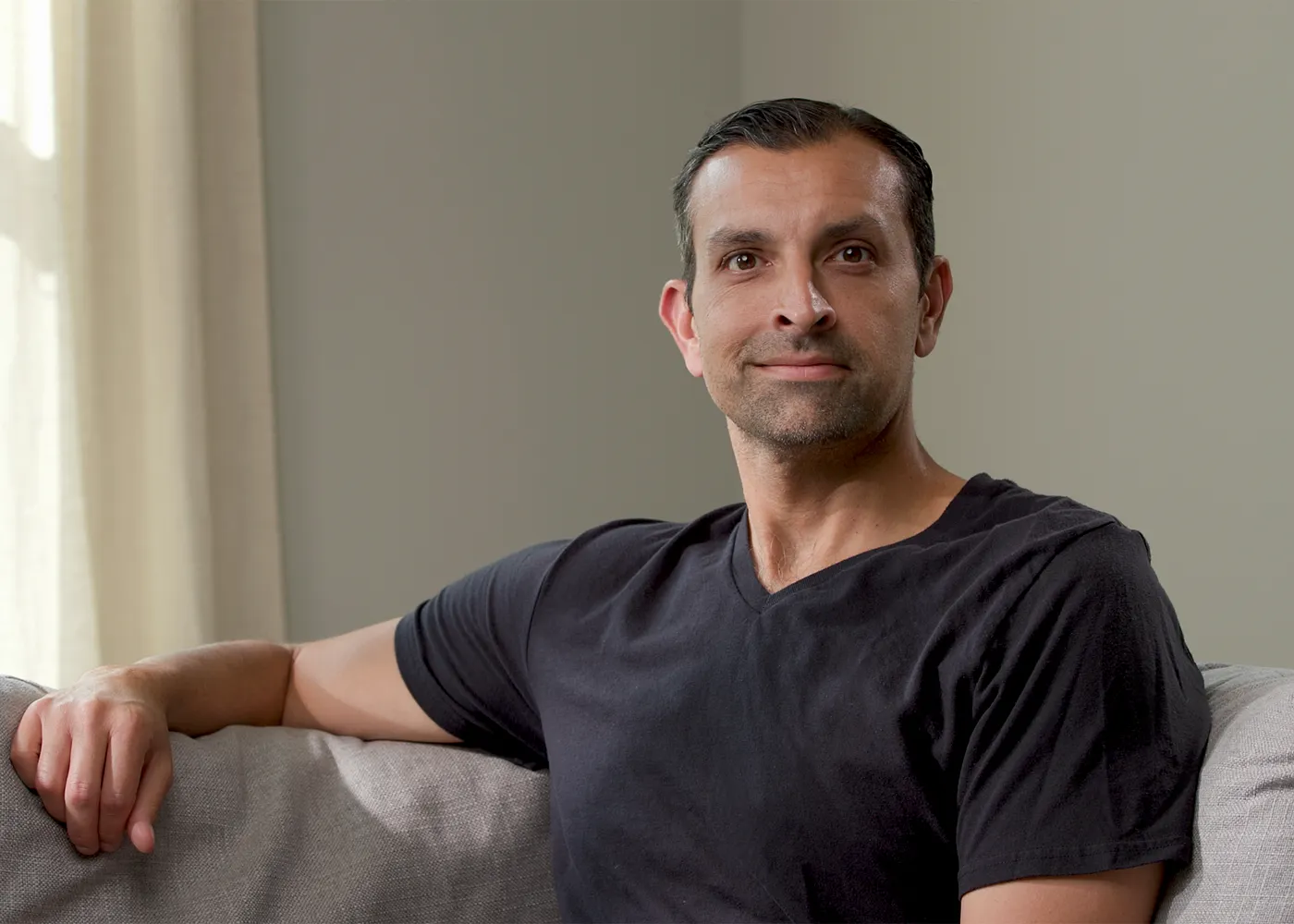
As a part of our series called “5 Things You Need To Know To Create A Very Successful Lifestyle Brand”, I had the pleasure of interviewing Hyaat Chaudhary, Founder & CEO of Luxome.
After starting his first Internet company in college in 2001, Hyaat Chaudhary spent the first seven years of his career in venture capital and private equity. In 2009 he started his first eCommerce company and by 2011 after its successful sale he was recruited to run a VC-backed online media company which he grew significantly and ultimately sold in 2017. Hyaat started LUXOME in 2018 with the goal of creating the largest luxury comfort brand in the world.
Thank you so much for joining us in this interview series! Before we dive in, our readers would love to learn a bit more about you. Can you tell us a bit about your “childhood backstory”?
I was the typical entrepreneur as a kid. I had lemonade stands, a dog walking service, and even grew vegetable plants from seeds so I could turn around and sell them to my mom at a profit. I also grew up as a national ranked chess player, so analysis and strategy are ingrained in everything I do and how I think. After spending seven years in VC/PE working with C-suites of dozens of companies and seeing how they operate, what they do, and how they lead I was ready and determined to follow my passion of being an internet entrepreneur. Ever since college, the idea that you can reach billions of people online has always amazed me.
Can you tell us the story of what led you to this particular career path?
I started my first Internet company in college and that’s when I got my first taste of loving what you do. Ever since then I’ve always wanted to return to the internet. After graduating college, I turned down investment banking offers at major Wall Street investment banks and decided that the ideal career for me was in venture capital due to my schooling combined with my passion for the Internet. Eventually I realized that I was more of an entrepreneur than an investor, which is what led me to take the leap of faith and become an entrepreneur in 2009.
Today, I continue to follow my passion within eCommerce by focusing on comfort. I HATED wearing suits every day in private equity. As soon as I get home I change into sweats, and I have a major slipper problem (I have about 10 pairs). I have always had a passion for eCommerce and comfort. When I looked at what else was out there in the comfort space I saw so many “me too” products and no one was questioning the status quo. Why can’t we have a pillow that is adjustable by BOTH firmness and height so people can just build their perfect pillow at home? 100 percent cotton as a fabric for bath towels is really not ideal — why isn’t anyone doing anything about it? Why do all the weighted blankets out there bunch up, get hot, and confuse people on weight recommendations? Cotton sheets, down alternative pillows and comforters, and 100percentcotton towels have been done by thousands of brands and they are virtually all the same, expensive, and not that great. We created LUXOME to bring innovation and freshness to a category that has been dormant for decades.
Can you share a story about the funniest mistake you made when you were first starting? Can you tell us what lesson you learned from that?
When we first started, business was doing really well almost immediately. We had very few employees and were trying to figure out where to spend money to grow the fastest. We made the mistake of jumping into a $35,000 satellite radio campaign (the smallest national campaign you can run) because we saw other home brands spending a lot there. It was a complete and utter failure. Part of the issue was running a national campaign with a small budget and low frequency well before we were ready for it as a brand. The other lesson learned was to stop paying so much attention to competitors. It’s good to know who is out there and what they are doing, but DO NOT assume that just because a brand is doing something that it is working. . . or what works for them is going to work for you.
Is there a particular book, podcast, or film that made a significant impact on you? Can you share a story or explain why it resonated with you so much?
I can’t say that any one book or film had a huge impact on me, but I can tell you that prior to starting LUXOME I went through a bit of a mid-life change. I quit drinking, started competing in Ironman events, and completely changed my outlook on life. The few things that I try my best to do as a part of this change that are based on several books I’ve read and people I’ve talked to are:
Focus on gratitude for what you have, not desire for what you don’t have
Live in the moment with full attention and do the best you can. The only thing that is real is the present. The past and the future are just the present at different times. So, just live your life fully in the present with no regrets and do your best.
Stay humble, be empathetic, and help people. The world does not revolve around you. You are not as cool as you think you are. Your job as a CEO is to provide overall direction & strategy and help your employees achieve success. It is much more a role of service than command.
Can you please give us your favorite “Life Lesson Quote”? Can you share how that was relevant to you in your life?
“Far better is it to dare mighty things, to win glorious triumphs, even though checkered by failure… than to rank with those poor spirits who neither enjoy nor suffer much, because they live in a gray twilight that knows not victory nor defeat.”
One of the hardest parts of becoming an entrepreneur was taking that leap from a stable job with a steady paycheck and growth opportunities to an entrepreneur. In order to take that leap, it was this quote that helped remind me that life is short, and sometimes you just need to take the risk and follow your gut because not doing so would be living in a gray twilight for the rest of my life, which was not an option for me.
Ok, thank you for that. Let’s now jump to the primary focus of our interview. For the benefit of our readers, let’s define our terms. How do you define a Lifestyle Brand? How is a Lifestyle Brand different from a normal, typical brand?
What are the benefits of creating a lifestyle brand?
A brand can be a logo on a product, but a lifestyle brand has a more intimate connection with consumers, so that they view some aspect of their life as aligned with the brand. At LUXOME, we see ourselves as a luxury comfort brand, meaning our goal is for people to experience comfort with our products while also thinking about LUXOME when they think about comfort. A good lifestyle brand will create the emotion they are trying to evoke when people use its products, while also having people think of the brand when they feel that emotion. A good lifestyle brand can create this intimate connection between emotions and the brand.
In your opinion, what is an example of a company that has done a fantastic job building a believable and beloved Lifestyle Brand? What specifically impresses you? What can one do to replicate that?
There are some large ones that everyone knows, but one that may not come to mind first is YETI. They focus on quality, but they build an emotional connection with people that goes far beyond quality coolers. It’s impressive because people pay a lot more for a YETI vs. a relatively similar product from another brand. Why? YETI has created a much stronger connection to consumers which revolves around a brand promise that they deliver on. Every company has a different brand strategy, but by studying dozens of lifestyle brands like YETI allows us to get an idea of what may work for us based on our growth stage.
Can you share your ideas about how to create a lifestyle brand that people really love and are ‘crazy about’?
First, when it comes to brand, you MUST sweat the small details. We engaged a branding agency for a period of time to help us formulate everything from fonts to lighting to brand voice and personality. We began changing everything from email copy and imagery to the website, social, packaging, and pretty much everything we do. Before you even begin to think about spending money on brand advertising, you need to make sure that every customer touchpoint is communicating a cohesive brand message.
I think the most important thing in creating a brand strategy is to make sure you find a common ground between your internal values, customer perceptions, and competition. We looked first at who we are and what we stand for. What got us to where we are? What is a core piece of the company/strategy that will never change? Second, we ran a brand survey to figure out how customers perceived us. We did this to make sure that we didn’t completely pivot the brand away from what was generally working. Lastly, we looked at competitors to see what they were doing and how we could position our brand so we were differentiated while staying true to our internal values and aligned with customer perceptions.
At LUXOME we are passionate about creating products that are different, better, and comfortable. For a while we sold each product based on its individual merits, but as we released more products we needed to wrap everything into a more cohesive overall brand. We weren’t going to try to establish a brand based on just quality, luxury, home, or bed and bath because that’s what everyone else is doing. So, we decided to really focus on comfort in our branding and to further differentiate our look/feel with darker and more dramatic imagery. We already knew that we were focused on creating the best luxury comfort products and we knew that customers loved us for the exceptional comfort and quality that we provide, so we simply changed our copy/imagery to focus on comfort and did so in a way that was differentiated from every other competitor.
What are the common mistakes you have seen people make when they start a lifestyle brand? What can be done to avoid those errors?
I think there are a number of pitfalls that people make, including myself. Here are a few of the bigger ones to avoid:
Don’t focus so much on brand that you forget product/service. At the end of the day you are selling a product (or service). Some brands care so much about creating a brand that they forget that at the end of the day they are providing a product or service. You can’t create a great brand with a bad product. First get your products and customer service right, then you can start to focus more on the brand. Don’t get me wrong, it’s okay to figure out your brand before you get started, but don’t do so at the expense of creating an amazing product or service.
Slow your roll — brands aren’t build overnight. If you’re an entrepreneur like me, you’re likely impatient. If you aren’t sitting on a huge war chest of cash, you’re going to need to take your time and take baby steps in building a brand. Brand awareness ads are meant to create demand generation (top-funnel). Before you get there I’d suggest first maximizing all efforts on profitable demand capture, i.e. marketing to people who are actually looking for what you are selling. Once you maximize and optimize your demand capture strategies then you can start layering brand awareness on top slowly and strategically (see next bullet).
Be smart with your brand spend. You can’t determine what is successful unless you define success. Defining success in brand campaigns can be difficult, which is why we began by testing different channels and strategies to get a sense for metrics and how they stack up. Once we generated a baseline of what to expect we were better able to allocate and benchmark. Don’t overlook important metrics of brand campaigns such as frequency and sequence of ads. You can also run A/B tests, brand lift studies, or geographic control/variable tests.
Let’s imagine that someone reading this interview has an idea for a lifestyle brand that they would like to develop. What are the first few steps that you would recommend that they take?
First, I would ensure that the product and product strategy are solid. Is the product better/different? Is the price in a realistic tier? What are the product margins? Before diving into the high-level brand I would be much more concerned about the actual products. If you already have a solid product strategy then I’d focus on brand identity such as copy/voice, imagery, packaging, logo, and web design. Setting up a solid brand communication from day one can be extremely helpful, just don’t underestimate the importance of your product as a new brand because if your products aren’t good then spending time on the brand is a waste of time in my opinion. Building a great lifestyle brand begins with the product.
Ok. Thank you for all that. Here is the main question of our discussion. What are your “5 Things You Need To Know To Create A Very Successful Lifestyle Brand” and why? (Please share a story or example for each.)
- Focus on your product/service first. Start with a strong product/service strategy and then layer the brand on top. You need a good product or service first in order for your brand to survive. Don’t put the cart (brand) before the horse (product). Every company that just started slapping their brand on mediocre products/services didn’t last very long. Every product you launch should BUILD the brand and trust, not dilute it.
- Brand first, spend later. Before you start spending any money on brand specific advertising, ensure that EVERYTHING you currently do is wrapped tightly in your brand imagery, voice, and personality. This will ensure that once you do start spending any money on your brand that your messaging is consistent and cohesive and you’re maximizing your spend.
- Walk, then run. If you’re like most entrepreneurs, you’re resource constrained. Don’t just jump straight into TV or even digital video. You can test the waters using Facebook brand awareness ads or display ads to see what sort of imagery and copy is resonating and if there is any specific audience targeting that is more effective.
- Think 5x longer than doing. This is something I tell others at LUXOME. People often just want to dive right in and start doing stuff. Take a pad of paper and a pencil and think hard about how you can cost effectively build your brand. Can you sequence ads or channels to be more effective? Target demos with a higher word of mouth or LTV? Get creative with your media tactics because oftentimes just throwing money into display and video campaigns without any sort of strategy is going to lose you money. Don’t forget to look at frequency because it can be a big lever for brand campaigns. If you have limited budgets and a broader audience you may want to just hone in on specific demos or higher value segments in order to achieve the frequency that works best. If things go well you can invest more and maintain frequency.
- Test, iterate, and optimize. We are constantly testing everything. Every day we aren’t running a test is a day of wasted data. Use brand lift studies, A/B tests, or run your brand campaigns in certain states to see how overall performance is affected. By the time you start really investing in your brand you should feel pretty good about your overall strategy because you’ve been testing with smaller budgets.
Super. We are nearly done. Here are our final questions. You are an inspiration to a great many people. If you could inspire a movement that would bring the most amount of good to the most amount of people, what would that be? You never know what your idea can trigger.
I’m personally passionate about climate change and ensuring that we have a sustainable future for generations to come. We at LUXOME are doing our part by using fabrics that are derived from bamboo, the fastest growing plant in the world that requires significantly less water. We are also always looking at new environmentally friendly packaging options. We get as many aspects of our products certified as possible by using 3rd party certification companies such as OEKO-TEX® or CertiPUR-US®. I think every company and every individual should be looking at what they can do better, and I would urge anyone with a great idea or innovation that can help tackle climate change to take that leap and do it!
We are very blessed that some of the biggest names in Business, VC funding, Sports, and Entertainment read this column. Is there a person in the world, or in the US, with whom you would love to have a private breakfast or lunch, and why? He or she might just see this if we tag them.
Elon Musk. I share so much of his passion for both climate change and space and I think he’s such a visionary. I really respect that he started off in a completely unrelated field in online payments and then pursued his passions despite all the naysayers. Now he’s changing the world for the better.
Thank you for these fantastic insights. We greatly appreciate the time you spent on this.
MS
Written by
Ming S. Zhao
Editor & Journalist · Authority MagazineMing S. Zhao is a senior columnist at Authority Magazine covering Pop Culture and Business, conducting primary-source Q&A interviews with founders, executives, and industry leaders.

Published inAuthority MagazineTop Lessons, Top Authorities · 42K Followers
Exclusive, curated interviews with the leaders and changemakers shaping tomorrow. Leadership lessons, industry deep dives, and executive profiles.