
When you overcome your challenges, you grow as a person and a business. That resilience and that grind gets you to buckle up and say, “OK, I made a mistake, how am I going to fix it? Let’s keep going.
The GoBolt co-founder and CTO shares how navigating intense early burnout and tech mistakes shaped a sustainable supply chain leader.
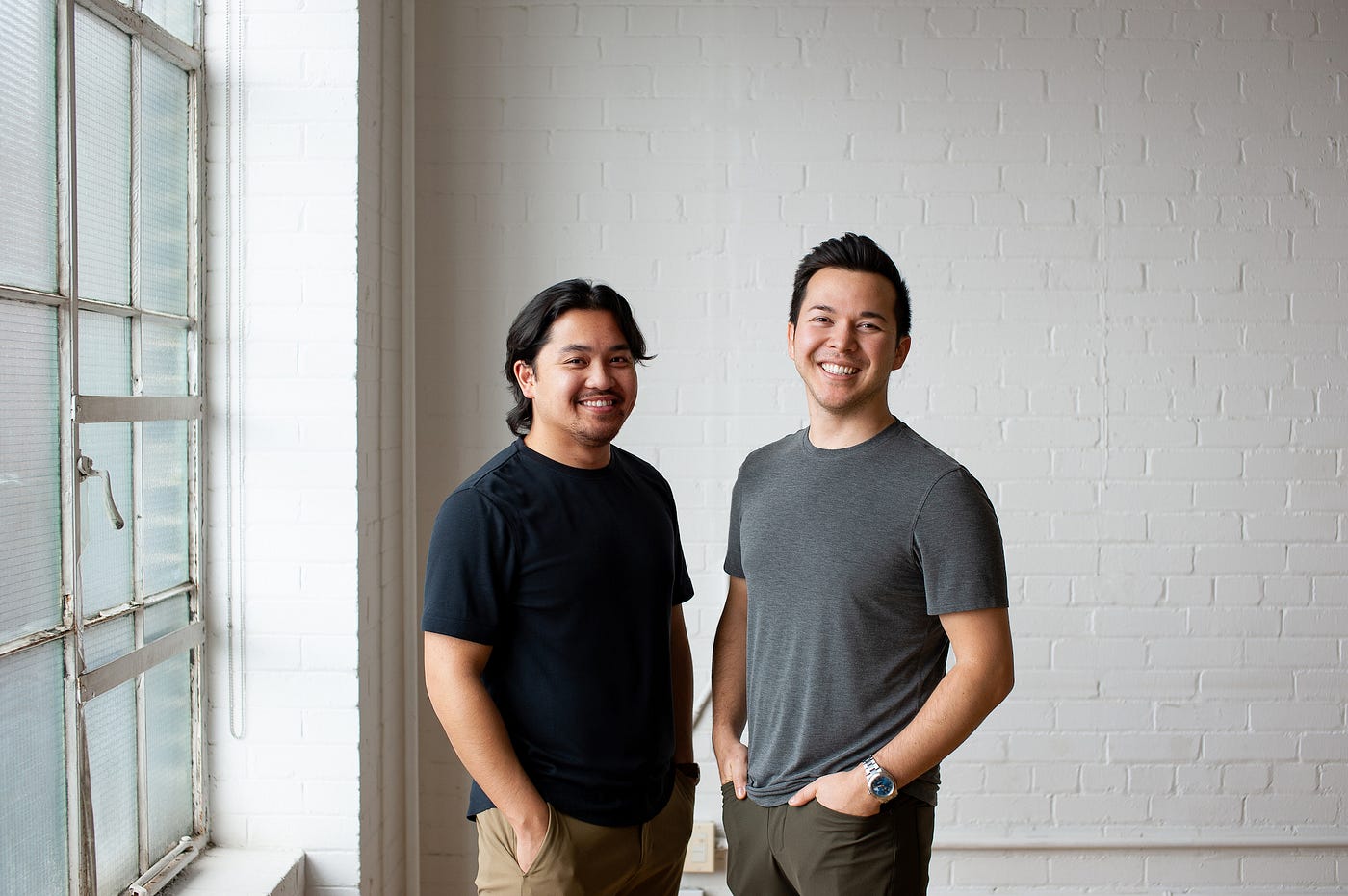
When you overcome your challenges, you grow as a person and a business. That resilience and that grind gets you to buckle up and say, “OK, I made a mistake, how am I going to fix it? Let’s keep going.
As part of our interview series called “5 Things I Wish Someone Told Me Before I Became A Founder”, I had the pleasure of interviewing Heindrik Bernabe.
Heindrik Bernabe is the Co-founder and Chief Technology Officer of GoBolt, a technology company building the largest sustainable supply chain network. He co-founded GoBolt with CEO Mark Ang out of the University of Toronto, where he earned a Bachelor of Science degree in Computer Engineering. A leader in logistics, GoBolt takes a customer-centric, technology-driven approach to fulfillment and last-mile deliveries and is committed to providing carbon-neutral deliveries by 2024.
Thank you so much for joining us in this interview series! Can you tell us a story about what brought you to this specific career path?
For a while I was set on becoming a pilot. It became my dream after my dad and I watched Top Gun. But by 16, a chance decision to take an intro to computer science course changed that. Once I started doing my assignments, I found that the work came easily and it was something I enjoyed doing.
From there on, I started thinking about alternative career paths outside of becoming a commercial or fighter pilot. I didn’t know anything about the market at the time — I was just super interested in programming, so I decided to pursue it. During my last years of high school, I kept my computer science course and applied to the University of Toronto for Computer Engineering. I was lucky to find my passion in high school, and start down a career path that would lead me to eventually co-founding GoBolt.
Can you tell us a story about the hard times that you faced when you first started your journey?
When we were starting out with GoBolt, everything caught up to me at once. Programming and computer engineering can be a mentally stressful job and it requires constant problem solving. During the early days at GoBolt, I had to wear multiple hats like being a warehouse associate and driver while still holding a full-time job as a computer engineer. Whatever spare time I had from programming, I spent in the warehouse pulling people’s items and getting it ready for the next day.
One time I remember being in this dusty warehouse…it was dark, late and I was hungry and tired. I just remember thinking, “What am I doing here?” As a computer engineer, I knew people making north of six figures out of school, but there I was doing this extra curricular work on top of my computer engineering job. I was already mentally burnt out but still had to keep going. To this day I can say that period brought on some of the hardest challenges I’ve ever experienced.
Where did you get the drive to continue even though things were so hard?
I didn’t want to let people down. This business was our baby, and it represented who we were — and still are — as people. I just didn’t want to let people down the next day, so we had to get the job done. That North Star kept me going through every hard day.
So, how are things going today? How did grit and resilience lead to your eventual success?
Things are going well. We’re definitely facing a different set of problems. Bootstrapping a business is one challenge we are overcoming. We are rapidly scaling. Today, we are in 10 different cities, with 15 different sites and close to 1,000 employees. We are still creating and maturing our business to catch up to our scale. But these challenges help us grow.
When you overcome your challenges, you grow as a person and a business. That resilience and that grind gets you to buckle up and say, “OK, I made a mistake, how am I going to fix it? Let’s keep going.” That’s how I am. I’ve always operated on knowing that I’m going to stumble and fall. But I know I have to get up and keep going, because eventually I’ll make it to my destination.
Can you share a story about the funniest mistake you made when you were first starting? Can you tell us what lesson you learned from that?
One day, I had been trying to move quickly and I accidentally deleted all of GoBolt’s route data. I’ve learned that as you grow as a company you need to have the proper guard rails in place or you’ll break things. I went into full recovery mode and got the data back, but it felt horrible. But to this day I tell our team this story as an example that mistakes are a normal part of the journey. It’s how you take that mistake and grow that matters.
What do you think makes your company stand out? Can you share a story?
It’s really our scrappiness. We are problem-solvers that are bringing a fresh take to the logistics industry. Our team is ambitious and we are leading the charge for sustainability in an industry known for its heavy carbon footprint. We are also changing the way things are done in logistics through our last-mile deliveries. Electrifying our delivery fleet has been game changing, which is why more and more companies are gravitating toward us.
One of our first big wins for GoBolt came when we won over IKEA and integrated with the company. We had to move quickly and we are incredibly proud of our team for being able to integrate our systems within just a few weeks, when normally this can take months to complete. We were able to integrate and adjust quickly to learn and adapt to their processes. It all comes down to our team’s steadfast commitment to solving problems.
Which tips would you recommend to your colleagues in your industry to help them to thrive and not “burn out”?
I wish someone had warned me earlier about the importance of my sleep habits — and how a good routine is a key part of growing older and not getting burnt out. Early on, we were running on this younger energy. But our bodies change over time. And if you keep up the late nights and little sleep you start to burn yourself out. So, I’ve established good sleep habits and have learned what my body needs to stay healthy. I’m finding more energy to do the harder things in our business and can sustain it throughout the day.
None of us are able to achieve success without some help along the way. Is there a particular person who you are grateful towards who helped get you to where you are? Can you share a story?
My parents have supported me in taking on this entrepreneurial risk. You know a lot of folks gravitate toward getting a stable job and starting a family. I didn’t take the conventional route, so I needed my parents to support me and back me up on my decision. Their support provided me with the comfort and safety I needed to become an entrepreneur. That supportiveness gave me the confidence to take this risk.
When you’re operating, you don’t really take the time to look back. We hit a milestone and then another, but don’t always take the time to appreciate where we’ve been. And it’s not until we stop to think about it that we fully appreciate all that’s gone into helping us build this business. All this success is thanks to those supporting us along the way.
How have you used your success to bring goodness to the world?
Personally, I’m redirecting our company’s success to help those around me. When we first started out, I didn’t really make a lot of money but more recent successes have allowed me to give back to my parents and community. I was able to pay off my parent’s mortgage and I started a scholarship fund at my high school where I began on this path. I also share my knowledge and what I’ve learned along GoBolt’s journey. I don’t ask for fees for speaking engagements. I want to share this information with as many emerging entrepreneurs as I can.
What are your “5 things I wish someone told me before I started leading my company” and why.
1 . Build proper sleep habits. Yes, you need to move fast and work hard. But, you also have to pace yourself. Running a business is a marathon and your company’s future success starts with you investing in your health today. I used to think that sleep was a waste of time. But, I started reading into it and it’s truly an investment in yourself. I wish I had appreciated this earlier — I could have been more effective and avoided the burn out. Good sleep is a key part of keeping your mind clear, keeping your energy up and staying level headed in all situations.
2. Be prepared to grow with your company. Like a child growing into an adult, businesses change as they grow. Your business will be a different version of itself as it matures. At the beginning, I wasn’t truly a CTO. I was a developer. As we grew, and added more developers, I became more of a development manager. Now as we’ve grown GoBolt to this scale, I truly feel like I’m an executive, making strategic decisions while building our team and managing our people and our performance. Be prepared to adapt and become comfortable with the inevitable change.
3. Hire the right people at the right time. Everyone always says people make or break the business. Hiring is a key part of this. For example, take hiring someone from a large corporation when you are a five-person startup. They may be used to managing hundreds of people, but they aren’t used to operating at a smaller capacity, so there’s a level of learning that needs to be accounted for. It comes down to finding the right people that fit your company at the point in time so there’s alignment. Your new hires need to know where you are and where you’re going so they can make the decision if they’re OK with the operations of today and building for tomorrow. Just remember, it’s expensive to hire someone, onboard them and then figure out they aren’t a good fit.
4. Invest in and maintain onboarding. Make the investment upfront to build your onboarding material. But don’t stop there. You have to maintain your investment. If you fail to maintain your onboarding materials and processes, you’ll fall off the cliff — especially if you are trying to scale rapidly. You need to be able to bring your new team members up to speed with the latest information, context and processes. So, you need to invest in the platforms and processes that will get them there as quickly as possible and continue to improve them. This is one of the key pillars to scaling successfully.
5. It’s OK to stop and take a break. This is especially important for founders. It’s OK to take a break. This hustle culture we’ve created comes with a sense of guilt when you stop working or want to take a break, especially for my generation. I sometimes feel a little guilty and think I should always be the person working the hardest in this company.
It’s this sense that I owe it to the company. But this way of thinking can be counterproductive and actually harm your mental health and company. Guilt could be forcing you to work harder when you need rest, forcing you to push through when you are burnt out. But, your company will do much better with you rested and refreshed. All founders need to recognize this, because we all suffer from the same thing. We feel guilty where we aren’t working 100% of the time. But we need to step back and take a break at times.
Can you share a few ideas or stories from your experience about how to successfully ride the emotional highs & lows of being a founder?
I definitely can’t share the highs…that’s something that Mark and I need to celebrate a little bit more. So, additional advice I would tell others is to celebrate your wins. Take the time to appreciate the work you’ve done and the success you’ve achieved.
People often ask how I operate and handle a lot of stress. They wonder how I balance life with the running of a company. At the end of the day, I remember that we are moving boxes — and we’re moving them in the most efficient, planet positive way possible. And when times get tough and things go wrong, I always remember that there is a tomorrow. We can always right our course. Take a break. Reset. Then you can come back to solve the problem. You don’t have to solve everything now.
You are a person of great influence. If you could start a movement that would bring the most amount of good to the most amount of people, what would that be? You never know what your idea can trigger. :-)
That’s tough. Right now, my focus is on how we electrify the delivery experience as quickly as possible. How do we accelerate like Tesla in their push to electrify the world? We’re trying to do the same in the logistics space. Right now, that is my movement.
How can our readers further follow your work online?
You can follow my work on LinkedIn and connect with GoBolt’s latest news here.
This was very inspiring. Thank you so much for joining us!
About the Interviewer: Douglas E. Noll, JD, MA was born nearly blind, crippled with club feet, partially deaf, and left-handed. He overcame all of these obstacles to become a successful civil trial lawyer. In 2000, he abandoned his law practice to become a peacemaker. His calling is to serve humanity, and he executes his calling at many levels. He is an award-winning author, teacher, and trainer. He is a highly experienced mediator. Doug’s work carries him from international work to helping people resolve deep interpersonal and ideological conflicts. Doug teaches his innovative de-escalation skill that calms any angry person in 90 seconds or less. With Laurel Kaufer, Doug founded Prison of Peace in 2009. The Prison of Peace project trains life and long terms incarcerated people to be powerful peacemakers and mediators. He has been deeply moved by inmates who have learned and applied deep, empathic listening skills, leadership skills, and problem-solving skills to reduce violence in their prison communities. Their dedication to learning, improving, and serving their communities motivates him to expand the principles of Prison of Peace so that every human wanting to learn the skills of peace may do so. Doug’s awards include California Lawyer Magazine Lawyer of the Year, Best Lawyers in America Lawyer of the Year, Purpose Prize Fellow, International Academy of Mediators Syd Leezak Award of Excellence, National Academy of Distinguished Neutrals Neutral of the Year. His four books have won a number of awards and commendations. Doug’s podcast, Listen With Leaders, is now accepting guests. Click on this link to learn more and apply.

Exclusive, curated interviews with the leaders and changemakers shaping tomorrow. Leadership lessons, industry deep dives, and executive profiles.
The CEO of Cohere Beauty shares her unconventional career trajectory, the power of indirect leadership, and how flexible manufacturing scales emerging indie brands from inception to global retail.
The Urbanspace CEO discusses how combining a background in luxury real estate development with a deep passion for culinary arts led to the creation of Bacalar.
The Chief Operating Officer and Head Distiller shares how her generational roots, chemical engineering background, and empathy helped revive a historic Kentucky destination campus.

The young CEO and founder reveals how she balances rigorous academic pursuits with running a thriving waterfront fine-dining restaurant in California.

Makeup artist and founder Laura Geller shares her journey of building a half-a-trillion-dollar beauty legacy and why deep passion and patience are the ultimate keys to industry success.
The co-founder and CEO of Charlie Health shares how her personal mental health journey shaped her leadership style and why breaking down barriers for diverse founders matters.

The Black Lion President shares how he transitioned from buying discounted properties during the 2008 crash to transforming South Florida's entertainment and retail landscape.

The prolific entrepreneur and bestselling author shares his journey from a blue-collar childhood to building a massive media empire, and why he views every challenge as a gift.