I think of being an entrepreneur as an endless line of tunnels with a light at the end. The tunnels vary in length and the light periods vary in length.
Business
Gorjana Reidel: Why Building A Multi-Million-Dollar Jewelry Empire Requires Going For Singles Instead Of Home Runs
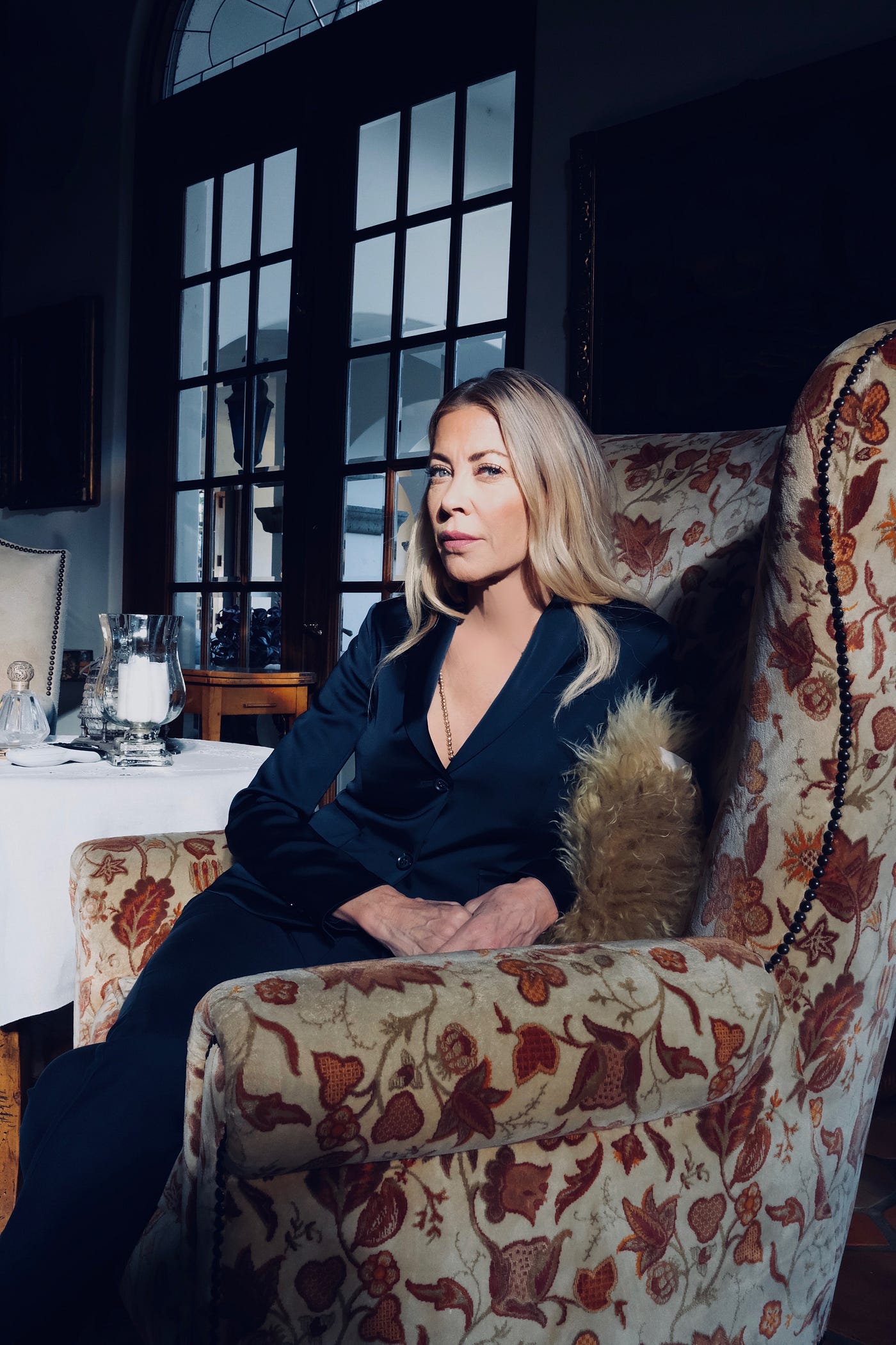
Jewelry founder and designer Gorjana Reidel shares how immigrant resilience, relentless adaptability, and a commitment to giving back fueled her brand's nationwide success.
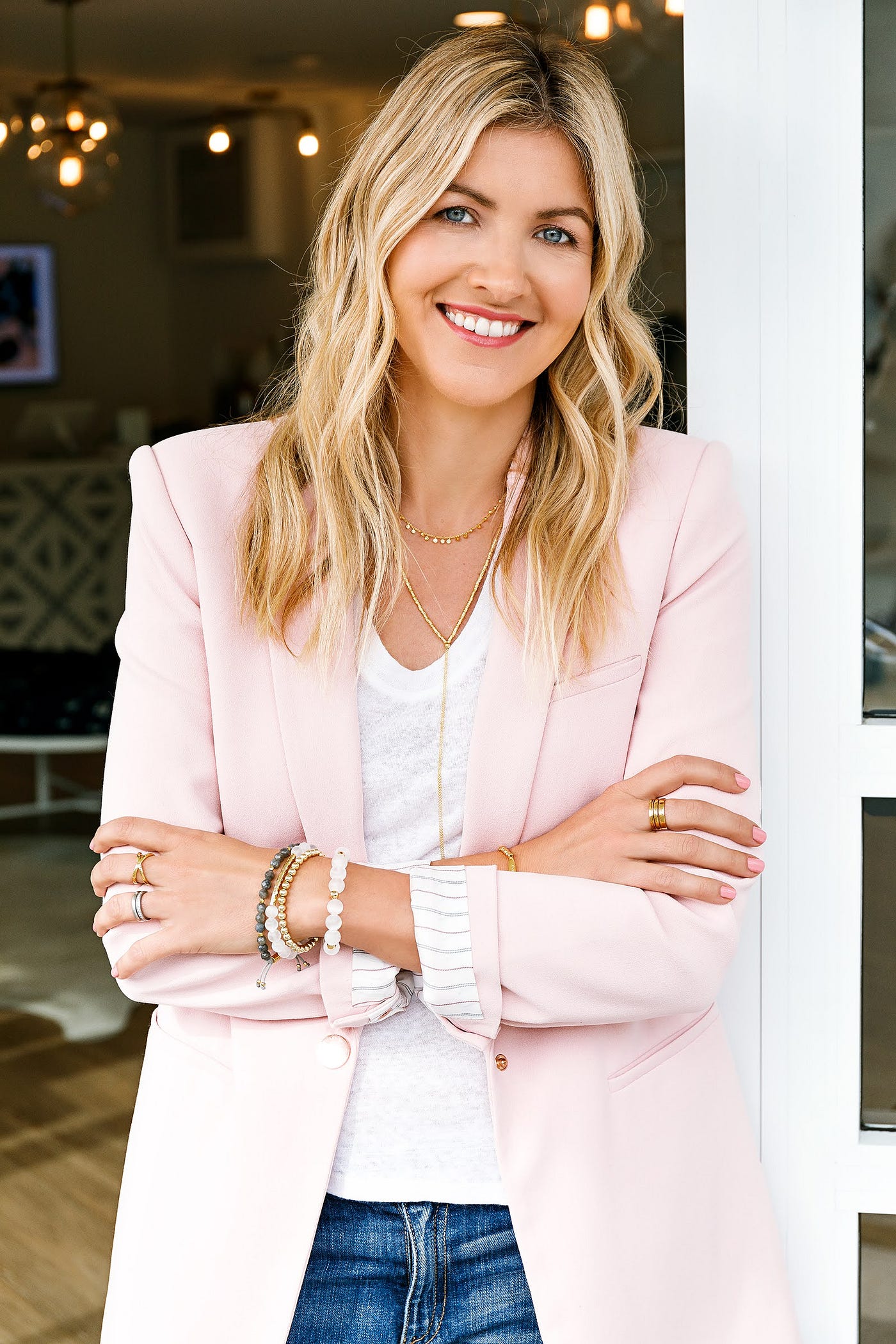
I had the pleasure of interviewing Gorjana Reidel.
Gorjana was born in Serbia, the former Yugoslavia, and lived there until the age of 7. She grew up in the same house as her grandparents, and they were a huge influence on her life. Having things handmade was standard in her house, as her grandmothers and mother knit sweaters and made things for the children. These skills were passed onto Gorjana, whose favorite toy was the sewing machine. This innate creativity helped Gorjana begin her eponymous line.
Gorjana went to Arizona State and earned her degree in Marketing. At school, she met her husband, Jason. After graduating, Gorjana and Jason found their way to California. After working as an assistant manager in the jewelry department for Neiman Marcus, Gorjana realized she had a passion for the industry and began working for a small local designer to learn all aspects of the business.
At 26-years-old, Gorjana came up with the idea to create a namesake jewelry collection with an accessible price point that had the look and feel of high-end jewelry. With samples in tow, and with Jason by her side, the duo drove 50k miles to sell the initial collection. Orders were fulfilled from their apartment floor and they worked the tradeshow circuit as a team of two.
Today, Gorjana has grown into a multi-million-dollar powerhouse and even has Michelle Obama to tout as a customer. Recently shifting their focus to DTC, they’ve expanded the business online, and in the past three years have opened over ten retail doors across the country. The company, based in Laguna Beach, California, is still owned and operated by the couple today and employs over 100 people.
Thank you so much for doing this with us! Can you tell us the story of how you grew up?
I was born in Serbia, it was Yugoslavia when I lived there. I lived around a ton of family and both my grandmothers took turns taking care of me while my parents were at work. I was really influenced by both of them and really attribute my love for creating to them. Life was so much different back then and I grew up in a family where if you wanted something you made it. From crocheting tablecloths to knitting our sweaters to sewing dresses there really wasn’t a lot they could not do. I had a ton of family support and I am so grateful for those years I had with them.
When I was 7, my parents, sister and I moved to Canada. My dad got a job as a professor of Engineering at the University of Alberta and he took it. My parents felt it was a better opportunity for our family, especially for my sister and me, as Yugoslavia was not thriving. We lived in Canada for 6 years and at the age of 13, we moved to the US.
Was there a particular trigger point that made you emigrate to the US? Can you tell a story?
My dad is a very smart and ambitious person. Although he loved being a professor, he got a great opportunity to work for Motorola in Phoenix. He had done a 6-month sabbatical there and fell in love with the desert and knew we would love it.
Can you tell us the story of how you came to the USA? What was that experience like?
My transition in moving to the US wasn’t as difficult as moving to Canada. I adjusted pretty quickly.
Moving to Canada and not speaking any English was tough. I remember being in class and not understanding anything — the only thing I understood was math. Everything was so foreign to me and everything was a cultural adjustment. I remember my parents taking my sister and I to the community pool. I was so excited! We got there and I jumped in the water. I quickly realized that all the little girls had bathing suit tops on, in Serbia, we did not wear tops. I remember swimming there forever as I was mortified and did not want to get out of the pool. I finally did and got past it and I realize writing this how much resilience small moments like that have taught me. I am grateful that I had to go through those really uncomfortable moments as a child because it built a really strong foundation for me.
Is there a particular person who you are grateful towards who helped make the move more manageable? Can you share a story?
I am really grateful to my grandparents who made the effort year after year to come and visit us and stay connected. They would come for 3 months at a time and stay with us. My grandparents were everything to me when I was younger and when we moved the hardest part was leaving them. They were my support system — when they visited it seemed like nothing really changed.
So how are things going today?
Things are great. I am as American as anyone could be lol. I have a great husband and 2 wonderful kids. We have a thriving business together. We live around a ton of family so my kids get to have that close family experience that I had and I can see how much they get from it. Life is good, I am really grateful.
How have you used your success to bring goodness to the world?
Our company has always been really focused on giving back. We started the Team Hunger annual food drive 12 years ago and set up a grant to CHOC 5 years ago. We have also been very actively involved with many local organizations like With My Own Two Hands. I really love to give back and always find the time to volunteer. I am really involved in the PTA and our Education Board of Trustees here in Laguna. I believe that “You get out what you put in”.
You have first hand experience with the US immigration system. If you had the power, which three things would you change to improve the system?
I was so young and really not paying attention so I don’t feel like I can even answer the question. We all came here on work sponsored green cards because of my dad. From my perspective, it was a really smooth process.
Can you share “5 keys to achieving the American dream” that others can learn from you? Please share a story or example for each.
Be resilient
You are going to get knocked down and people are going to say no. It’s how you deal with those challenges that will define you and your success.
The very first trade show we did was in NY in January. We arrived to set up our booth and our displays were not there. The UPS train they were on was in a snow accident and they would not be making the show. We had spent all of our money to get to the show and build those displays. We had to borrow money from our family, rent a car to drive to New Jersey to buy the materials to then rebuild the displays. Which we did in 24 hours in 12-degree weather on Pier 95. It was hard and we had to overcome so many obstacles to make it happen but we pushed through and had the best show!
Stay positive
I think of being an entrepreneur as an endless line of “tunnels with a light at the end”. The tunnels vary in length and the light periods vary in length. I truly feel if you can focus and take in those moments of light they will help you get through the next moments of the dark.
Be Patient
Don’t go for the home run, it’s rare and it’s fleeting. It takes time to build a successful business. Go for the singles!
Be adaptive
Don’t set expectations of how things should be, be open to understanding what is working and what is not so that you can adjust.
One of the best books I read around the time we started this was
Who Moved My Cheese. It talks about how things are constantly changing and how you need to recognize when to adapt.
When we first started this business the majority of brands did not have websites and it was actually looked down upon by wholesalers. Now it would be crazy if you did not have one.
Give Back
Taking the time to step away from work and give your time to a cause is one of the best things you can do. It removes you from your day to day, it is so fulfilling and you always walk away with a new perspective.
We know that the US needs improvement. But are there 3 things that make you optimistic about the US’s future?
1. That children are more outspoken and interested in changing the world around them
2. That people and businesses are taking more steps towards sustainability
3. That people are more interested in traveling and experiences — we will all become better and more understanding of other cultures the more we travel
Some of the biggest names in Business, VC funding, Sports, and Entertainment read this column. Is there a person in the world, or in the US whom you would love to have a private breakfast or lunch with, and why? He or she might see this. :-)
I recently discovered Brene Brown’s work and am a huge fan of it. I would love the chance to sit down with her and learn more about vulnerability and how to really apply it to my day to day life.
What is the best way our readers can follow you on social media?
@gorjana
AM
Written by
Authority Magazine Editorial Staff
Editorial Desk · Authority MagazineThe Authority Magazine Editorial Desk produces, verifies, and edits long-form primary-source interviews with executives, innovators, clinicians, creators, and social impact leaders across Business, Tech, Pop Culture, Wellness, and Social Impact.

Published inAuthority MagazineTop Lessons, Top Authorities · 42K Followers
Exclusive, curated interviews with the leaders and changemakers shaping tomorrow. Leadership lessons, industry deep dives, and executive profiles.