We are trying to change the culture where employees can feel comfortable talking about mental health openly in the workplace.
Wellness
Geralyn Giorgio of Johnson & Johnson: How Creating the Mental Health Diplomats ERG Transformed Workplace Culture for Thousands
Director of Change Management Geralyn Giorgio shares her personal journey through depression and how she built a global employee network to eliminate workplace stigma around mental illness.
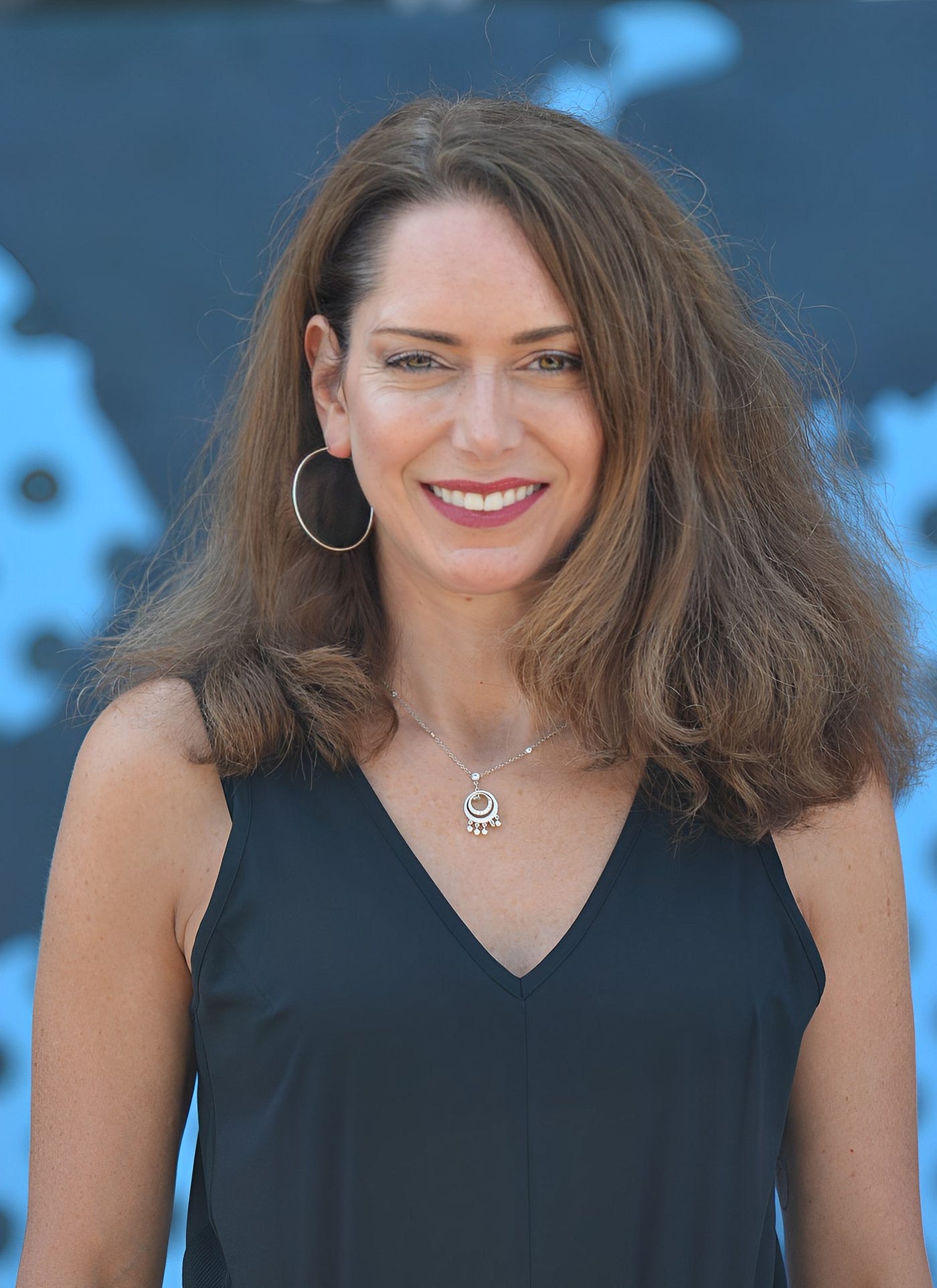
As a part of our series about Mental Health Champions helping to promote mental wellness, I had the pleasure to interview Geralyn Giorgio.
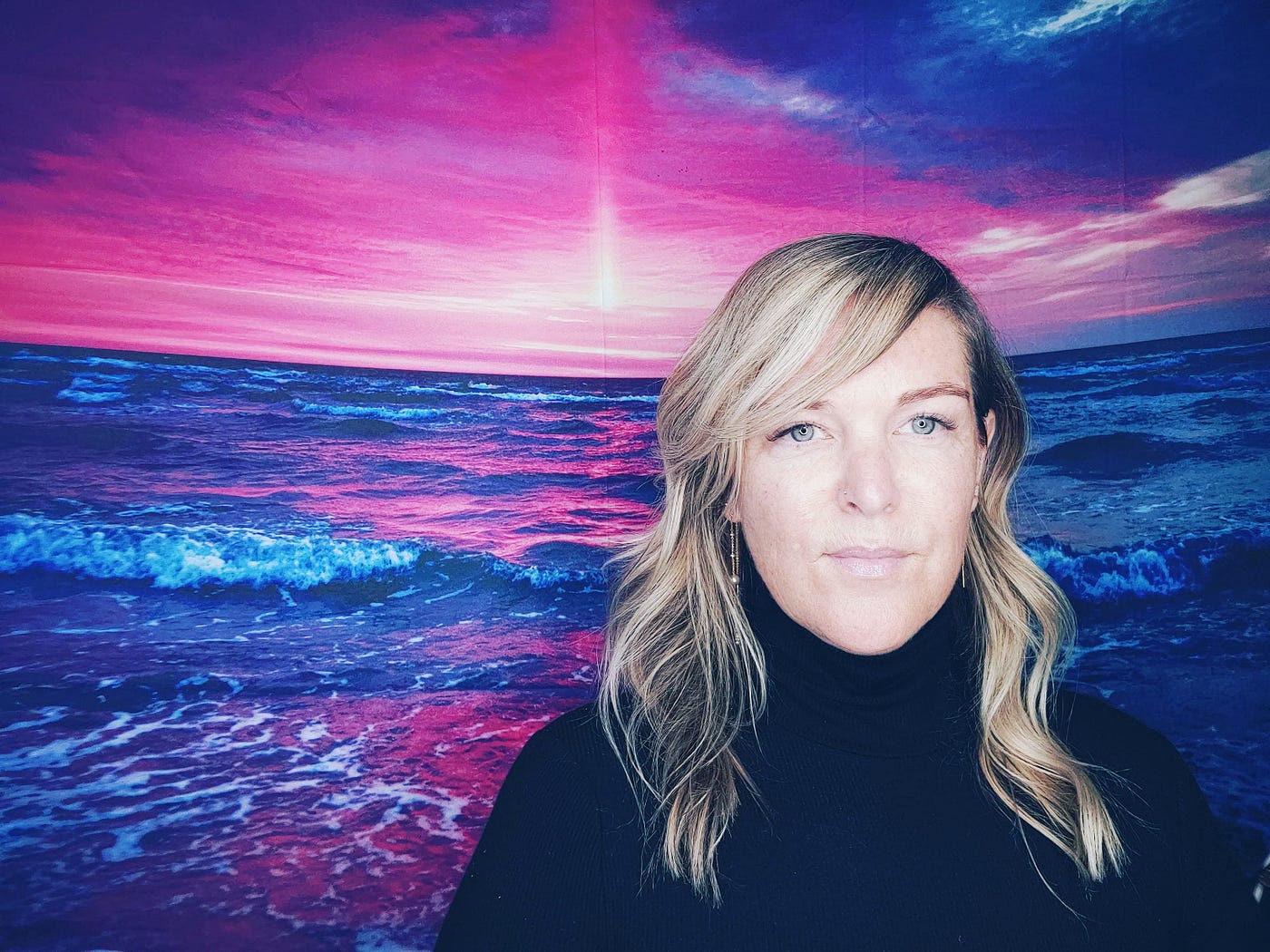
Throughout her 25 years with Johnson & Johnson (J&J), Geralyn Giorgio has worked with different businesses including HR, Enterprise Standards and Productivity, Organizational Development, Talent Acquisition, and now — Global Services, where she is a Director, Change Management supporting the Intelligent Automation and Data Management programs across the enterprise. Geralyn is also the founder of the Mental Health Diplomats — part of the Alliance for Diverse Abilities Employee Resource Group.
Thank you so much for doing this with us! Before we dig in, our readers would like to get to know you a bit. Can you tell us a bit about how you grew up?
I grew up in Old Bridge, NJ and have lived in NJ all my life. My parents owned a delicatessen called “Giorgio’s” and I began working there at a young age. This experience instilled in me core values such as my work ethic, dedication, passion and commitment in everything I set out to accomplish.
Family is another core value of mine. As busy as my parents were running their business, we always took a one-week vacation as a family. I will cherish these memories for the rest of my life.
You are currently leading an initiative that is helping to promote mental wellness. Can you tell us a bit more specifically about what you are trying to address?
We are trying to change the culture where employees can feel comfortable talking about mental health openly in the workplace. I wanted to create a movement in J&J and change lives. I founded the Mental Health Diplomats, which is a part of the Alliance for Diverse Abilities (ADA) Employee Resource Group (ERG). The ADA is comprised of three focus areas — Disability, Autism and now, mental health. It took a good nine months to get the Mental Health Diplomats off the ground and launch in April 2017.
Our vision is to “Transform the World’s Mind about Mental Health,” through creating awareness, creating a culture of inclusion, removing the stigma and educating employees about available resources.
We never imagined how quickly the ERG would grow. We started with less than 100 people and it’s now more than 3,500 employees in 79 countries worldwide! What I quickly realized was that employees wanted to talk about mental health; they wanted to share their stories and help others.
Can you tell us the backstory about what inspired you to originally feel passionate about this cause?
Back in 2015 I was severely depressed and my eating disorder was out of control. I never felt so alone. My job became overwhelming, and I was struggling, which was hard for me to even admit being a high achiever.
It was the day I had just filed for divorce at the courthouse in New Brunswick, NJ.
When I got back home tears were streaming down my face. I slowly went up the steps and walked into the bathroom in my bedroom. I stared at myself in the mirror for what felt like a long time. I looked deep into my eyes, but I didn’t recognize the person staring back at me. All I saw was emptiness. I had zero passion or purpose, I didn’t want to get up to go to work, I didn’t want to see friends or family and didn’t want to work out, which was part of my daily routine. I felt hopeless and I just wanted the pain to stop.
Right there in the bathroom I contemplated taking my own life and then I thought…I have two beautiful daughters…what would their life be like without me? I couldn’t leave them with their father who was suffering from alcoholism. They wouldn’t be safe. I knew right at that moment I had to pull myself together for my children.
I finally reached out to the Employee Assistance Program and asked for help after so many years. This marked the beginning of my mental health journey.
Many of us have ideas, dreams, and passions, but never manifest them. They don’t get up and just do it. But you did. Was there an “Aha Moment” that made you decide that you were actually going to step up and do it? What was that final trigger?
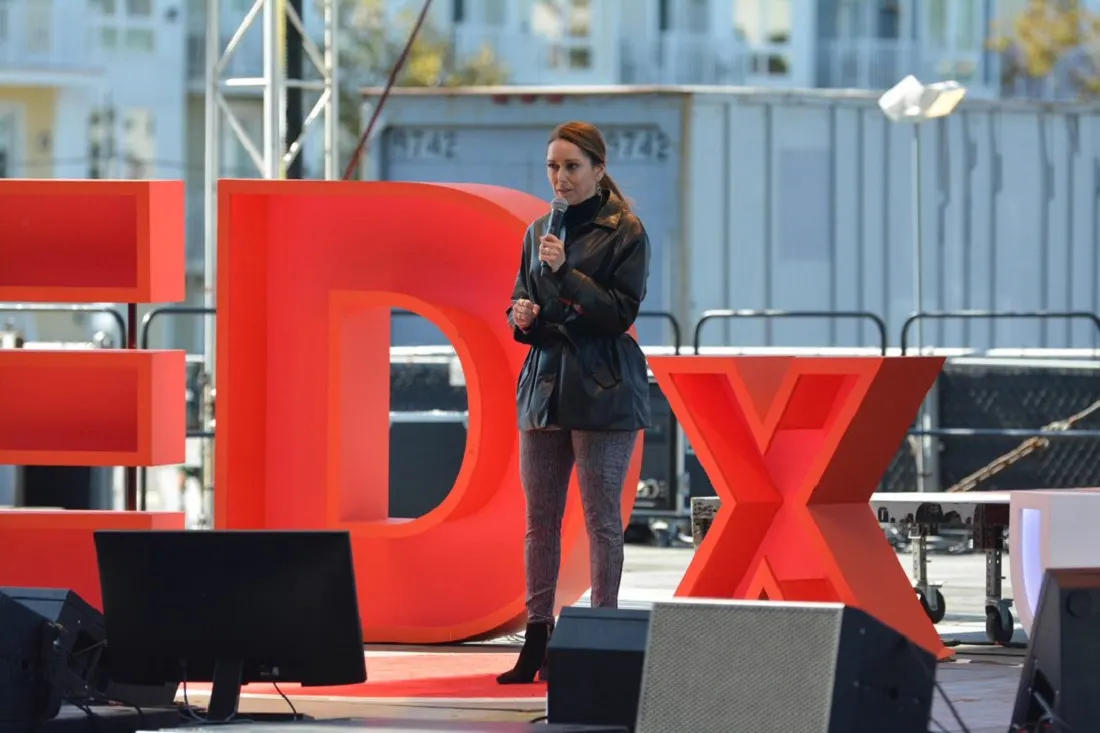
I was sitting in the audience at the TedEx JNJ event and it changed my life. A colleague spoke about his daughter’s eating disorder, and I immediately could relate to everything he shared. It was at that very moment during the talk when I realized I too had a mental illness. I never thought about it that way because I was functioning. I wasn’t hearing voices or considered myself crazy. At that time, the label “mental illness” had such a negative connotation to me.
In reflecting on my lived experience and the Ted Talk, I realized that an employee network within J&J would have helped me feel like I wasn’t alone. I knew then it was my purpose to help other employees, because I didn’t want anyone to go through what I did. Yet, I know I was taking a risk by coming out openly, speaking the words out loud “I have a mental illness” would make it feel real… but I realized this wasn’t about me…it was much bigger than myself because I wanted to normalize mental health and create a movement.
Can you share the most interesting story that happened to you since you began leading your company or organization?
Many employees have shared with me over the years that they were encouraged to share their mental health story after hearing mine. They realized it was ok to talk about their mental health and seek help. One employee had an eating disorder just like me, and she felt empowered to share her story. She became a mental health diplomat leader and ultimately started a program called, “What’s Your Story” where she invited speakers to share their story in a safe setting. The program started internally at J&J and then she began to launch this program externally.
None of us can be successful without some help along the way. Did you have mentors or cheerleaders who helped you to succeed? Can you tell us a story about their influence?
The colleague I mentioned earlier who spoke at the TedEx JNJ event ultimately became my mentor. He was named the first Mental Health Ambassador at J&J. I reached out to him and shared my idea about starting an ERG focused on mental health. Together, we created the Mental Health Diplomats. We had the support of senior leadership at J&J who were our sponsors. My manager at the time was my biggest cheerleader. She gave me the space and encouragement to pursue my passion.
According to Mental Health America’s report, over 44 million Americans have a mental health condition. Yet there’s still a stigma about mental illness. Can you share a few reasons you think this is so?
Before I came out about my mental illness at work, I didn’t feel comfortable sharing anything with my manager, colleagues, friends or even my own parents because of the stigma associated with mental illness. I feared being judged, I would be thought about differently, not competent, fragile, and weak. I was filled with shame and thought my career would be over. I believe these feelings are true for many people struggling with their mental health.
In your experience, what should a) individuals b) society, and c) the government do to better support people suffering from mental illness?
We all get caught up in social media, emails and life in general. It’s understandable if we’re not paying attention to the emotional distress employees, family members or friends might be experiencing right before our eyes.
In the workplace whether you’re a manager of people or an employee, YOU can make a difference. If you notice a direct report, colleague, friend or family member struggling with their mental health, reach out and offer your support.
Create a safe environment by putting yourself in their shoes and embrace vulnerability — what would it be like if people could feel comfortable enough to talk about their mental health without feeling judged or fear repercussions? Start the conversation — “It seems to me you haven’t been yourself lately. How can I best support you?”
What are your 5 strategies you use to promote your own well-being and mental wellness? Can you please give a story or example for each?
I must intentionally manage my mental health. Everyone does it differently…. but for me I have to take medication daily and do some form of exercise or take a yoga class to help focus my brain. I discovered my love for listening to audio books while lifting weights and incorporate meditation into my weekly routine. I take it one day at a time.
What are your favorite books, podcasts, or resources that inspire you to be a mental health champion?
I was introduced to a non-profit organization called The Stability Network. Their vision is to live and work in a world where living with mental health conditions is accepted without prejudice and discrimination.
Their mission is to empower a global network of Stability Leaders, in every workplace and community, to share their lived experience and inspire others through personal storytelling advocacy to eliminate the stigma around mental health.
I became a Stability Leader and proudly shared my story externally in many forums and became a Board Member four years ago.
I also love the app Insight Timer — there are different meditations, breathing exercises and courses you can take. I really enjoy meditation before I go to sleep.
If you could tell other people one thing about why they should consider making a positive impact on our environment or society, like you, what would you tell them?
Take a risk and be vulnerable. You have to believe that making a positive impact is bigger than yourself and that you can make a difference in this world.
How can our readers follow you online?
Readers can go to my LinkedIn profile to follow me online.
This was very meaningful, thank you so much. We wish you only continued success on your great work!
About the Interviewer: Inspired by the father of PR, Edward Bernays (who was also Sigmund Freud’s nephew), Michelle Tennant Nicholson researches marketing, mental injury, and what it takes for optimal human development. An award-winning writer and publicist, she’s seen PR transition from typewriters to Twitter. Michelle co-founded WasabiPublicity.com
MT
Written by
Michelle Tennant Nicholson
Columnist & ContributorAuthority Magazine Columnist & Contributor

Published inAuthority MagazineTop Lessons, Top Authorities · 42K Followers
Exclusive, curated interviews with the leaders and changemakers shaping tomorrow. Leadership lessons, industry deep dives, and executive profiles.